Reconstruction of historic Nuwakot Durbar continues with Chinese support (photos)
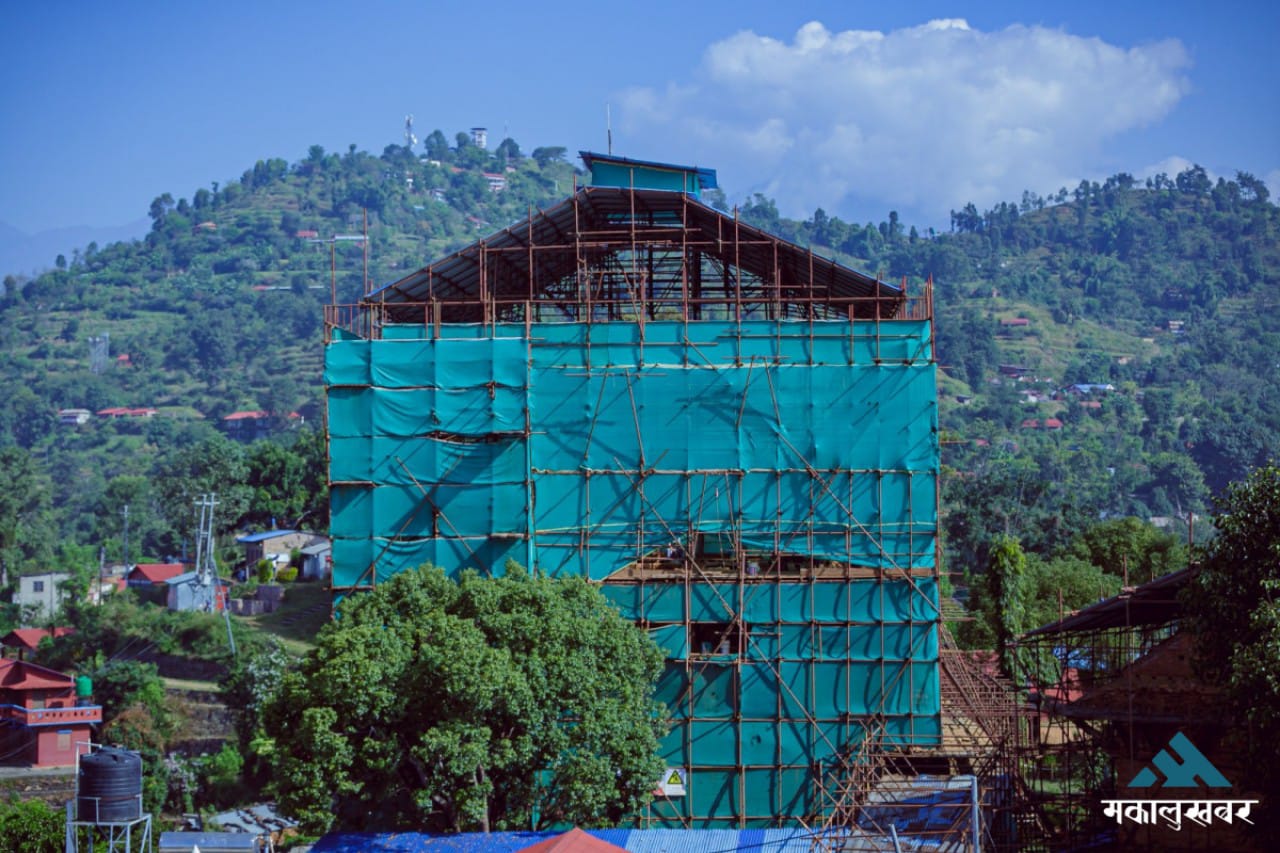
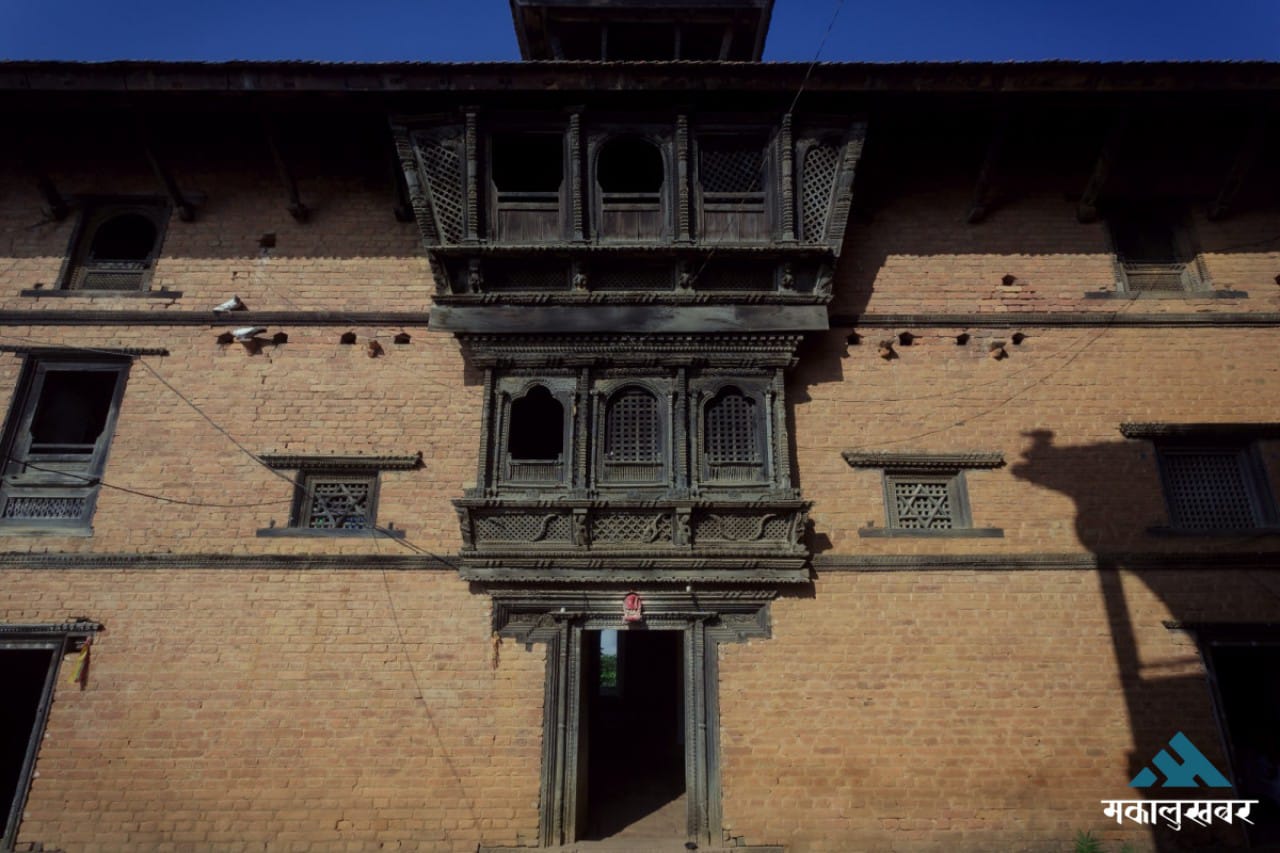
Located about 75 kilometers northwest of Kathmandu, Nuwakot Durbar, also known as the Seven-Storey Palace, was originally constructed in 1819 BS by artisans brought from Lalitpur.

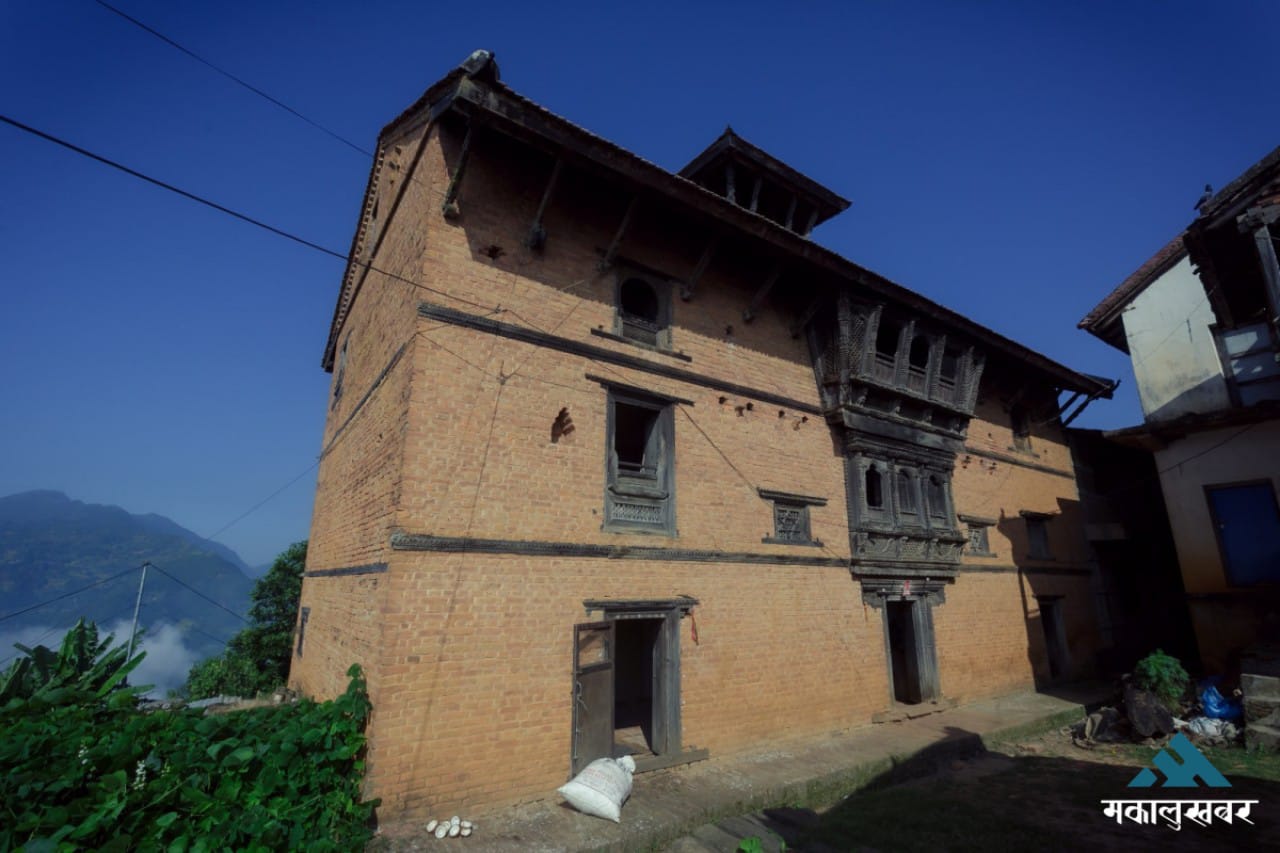
KATHMANDU: The reconstruction of the historic Nuwakot Durbar (Sattale Durbar) — built by Nepal’s unifier King Prithvi Narayan Shah to accelerate his national integration campaign — is still underway.
The heritage site, which suffered extensive damage in the 2015 earthquake (2072 BS), is being restored under an agreement between the governments of Nepal and China.
Following the accord, a Chinese technical team began work in the fiscal year 2080/81.
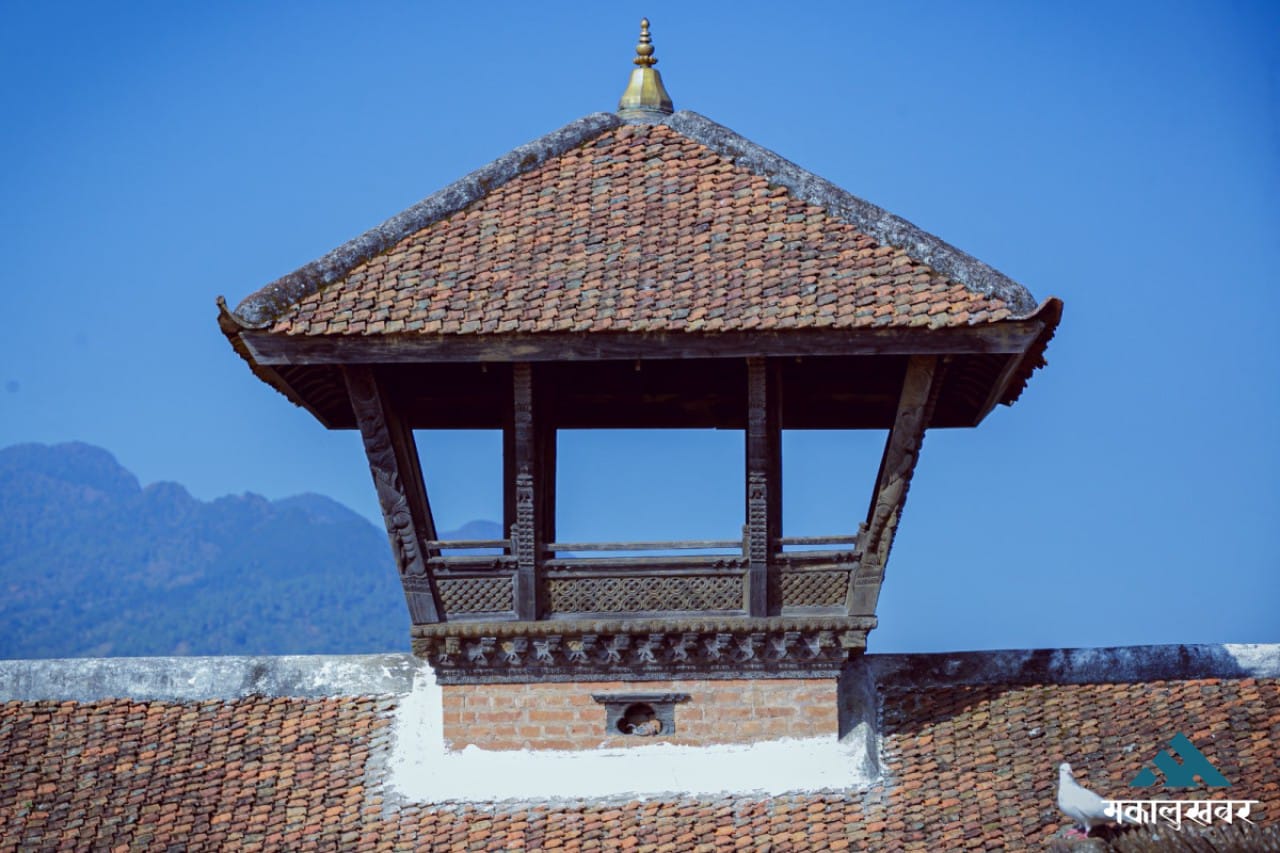
Located about 75 kilometers northwest of Kathmandu, Nuwakot Durbar, also known as the Seven-Storey Palace, was originally constructed in 1819 BS by artisans brought from Lalitpur.
Built in the Malla-style architecture, the palace once stood nine stories tall but was reduced to seven after the devastating 1934 earthquake (Nabbe Saal Bhukampa).
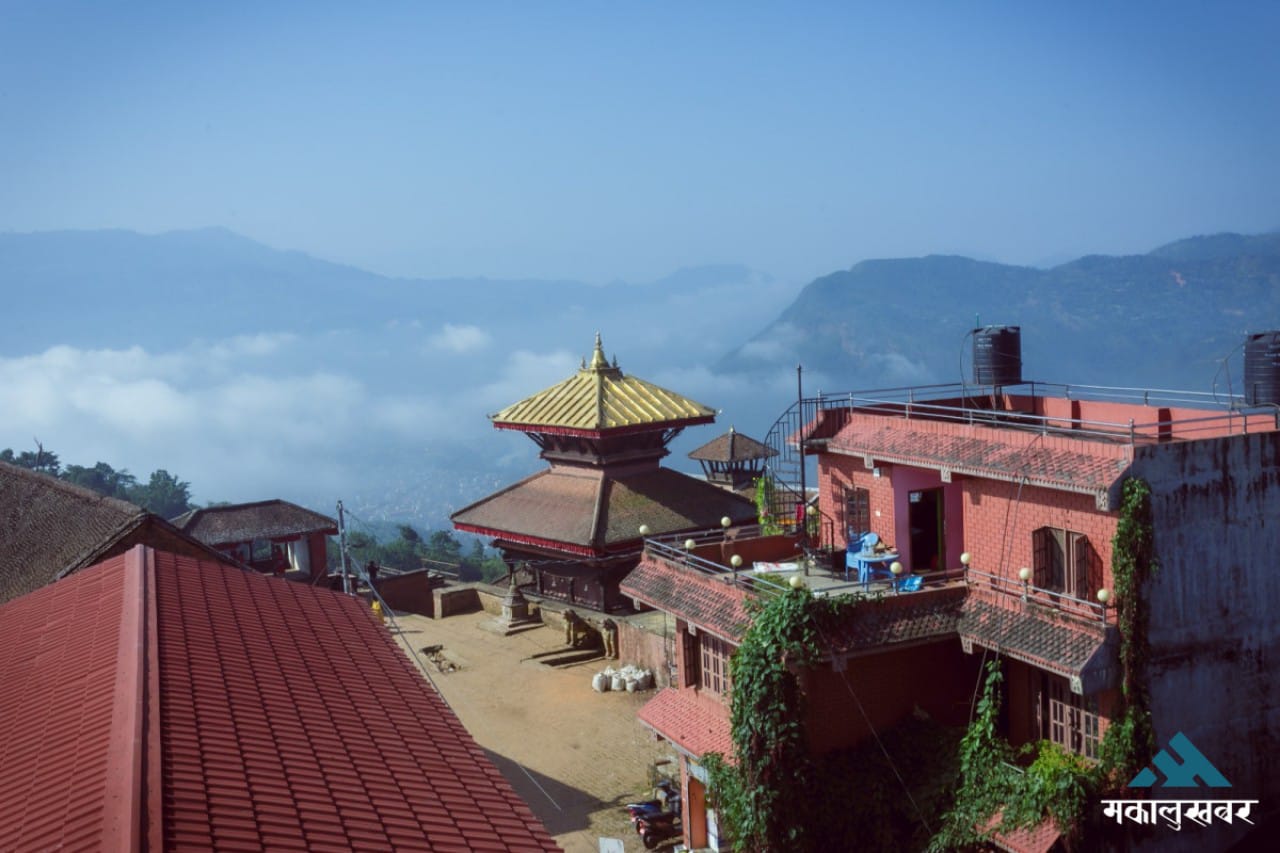
Along with the main building, several surrounding structures — including the Rangamahal, Garadghar, Taleju Bhawani Temple, Setopati, Lampati, and Vishnu Temple — were also destroyed.
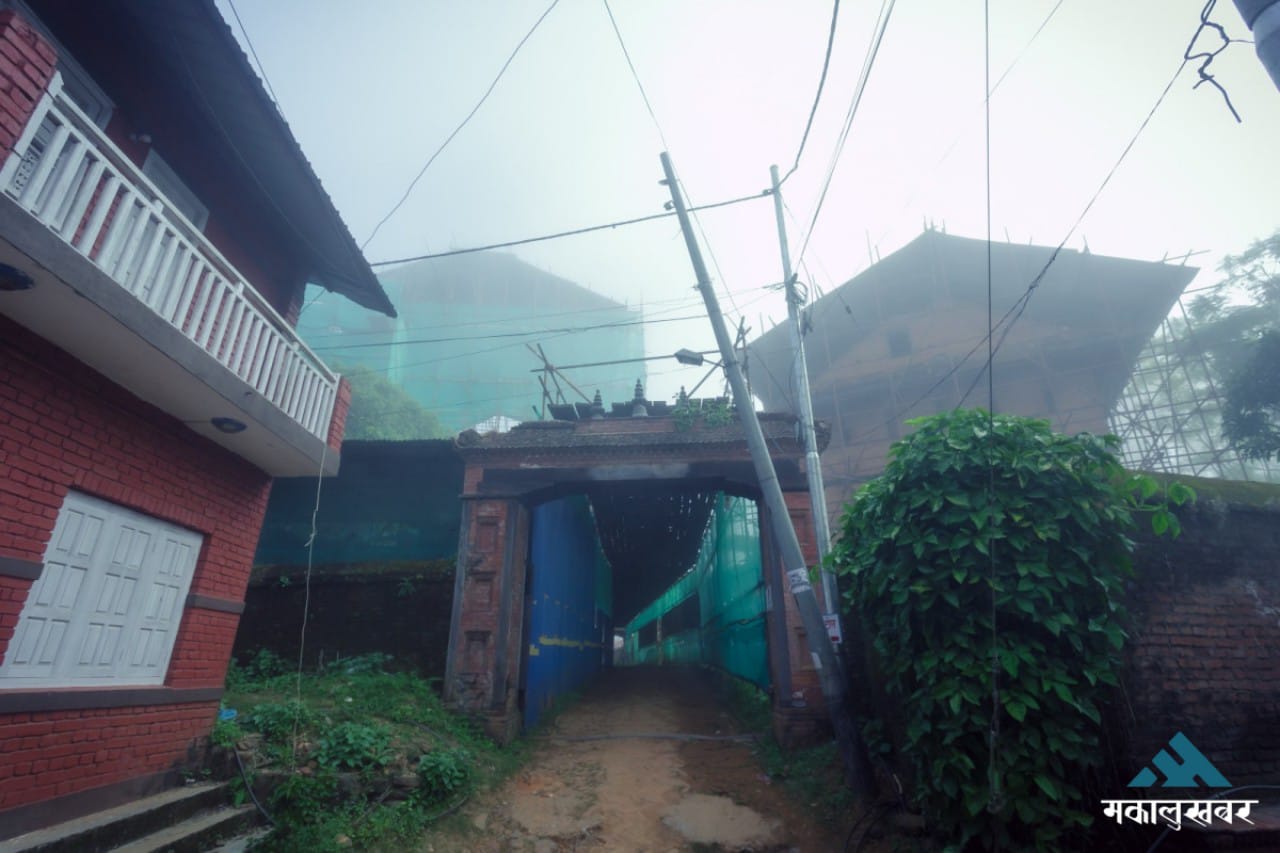
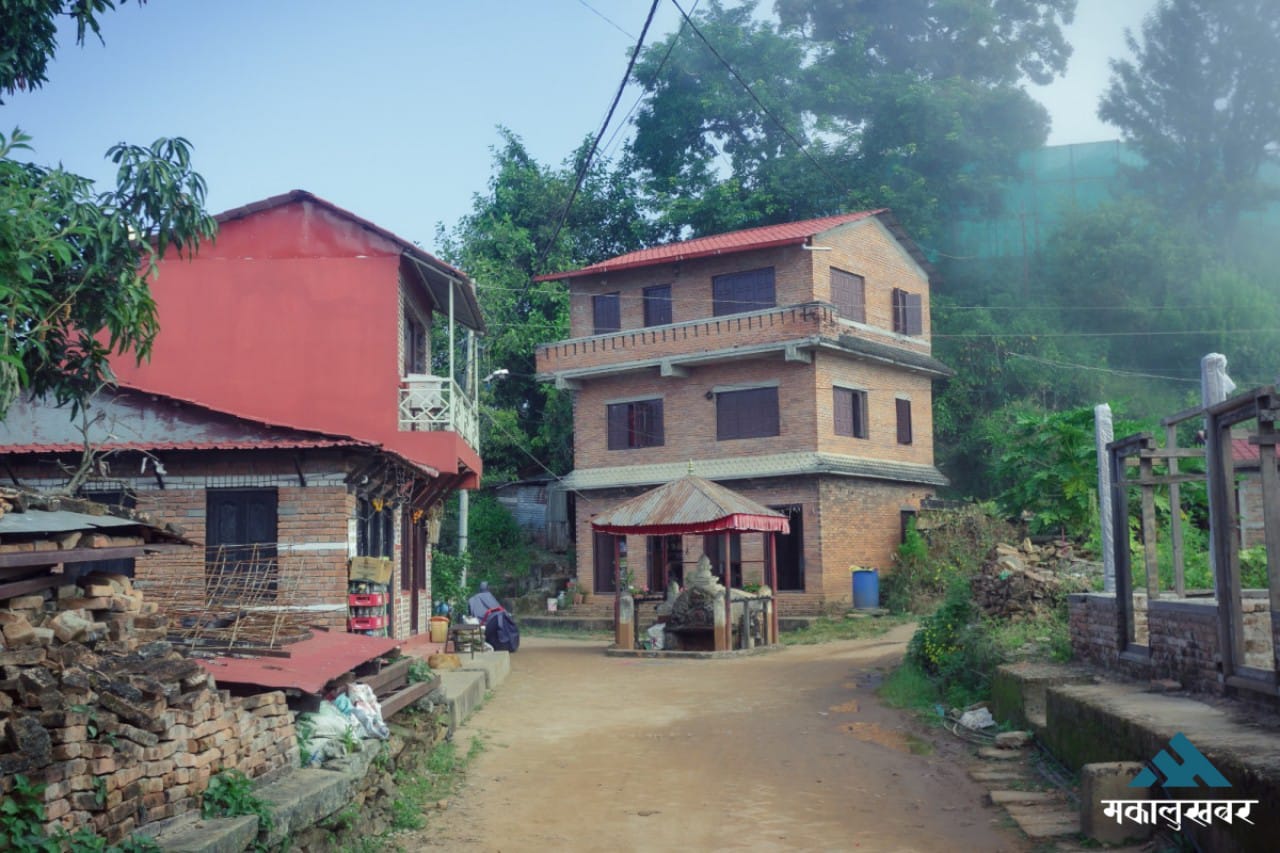
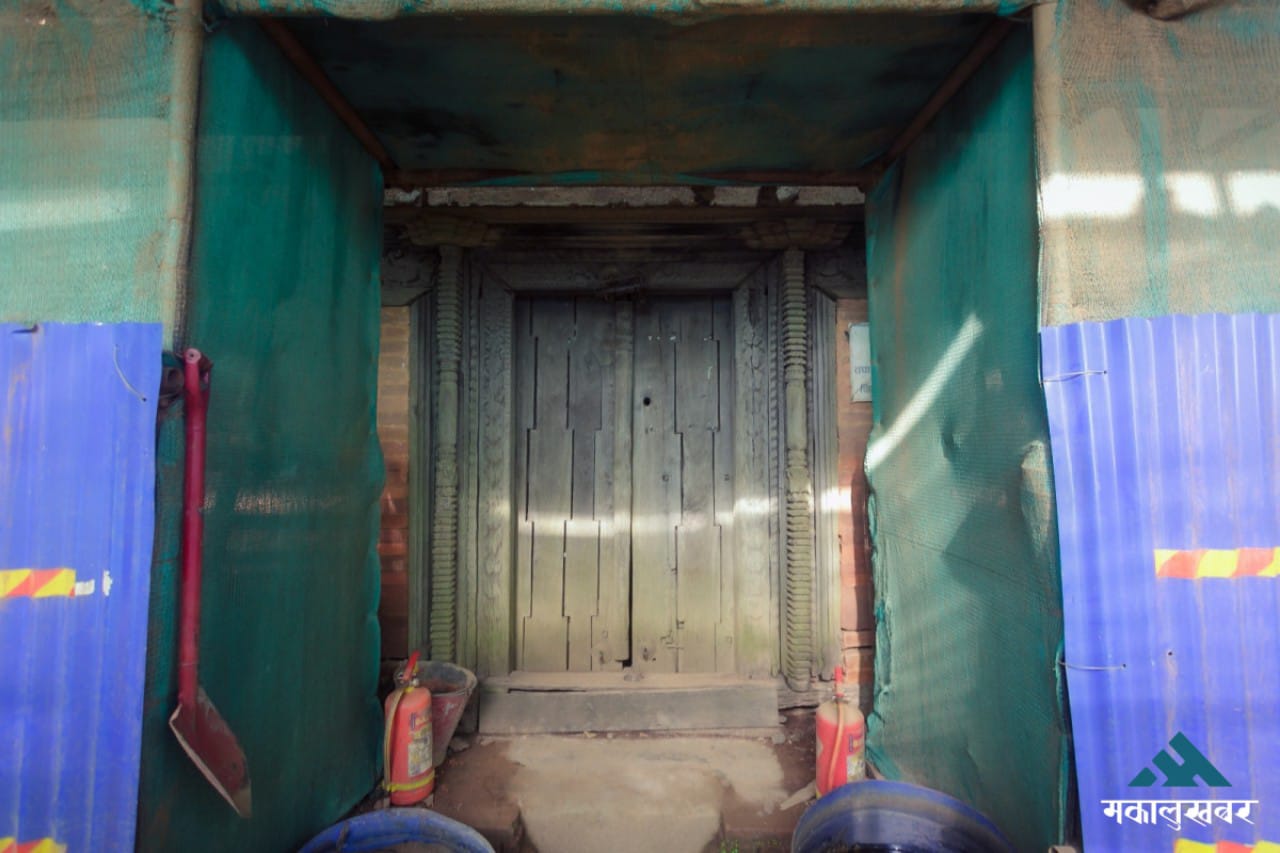
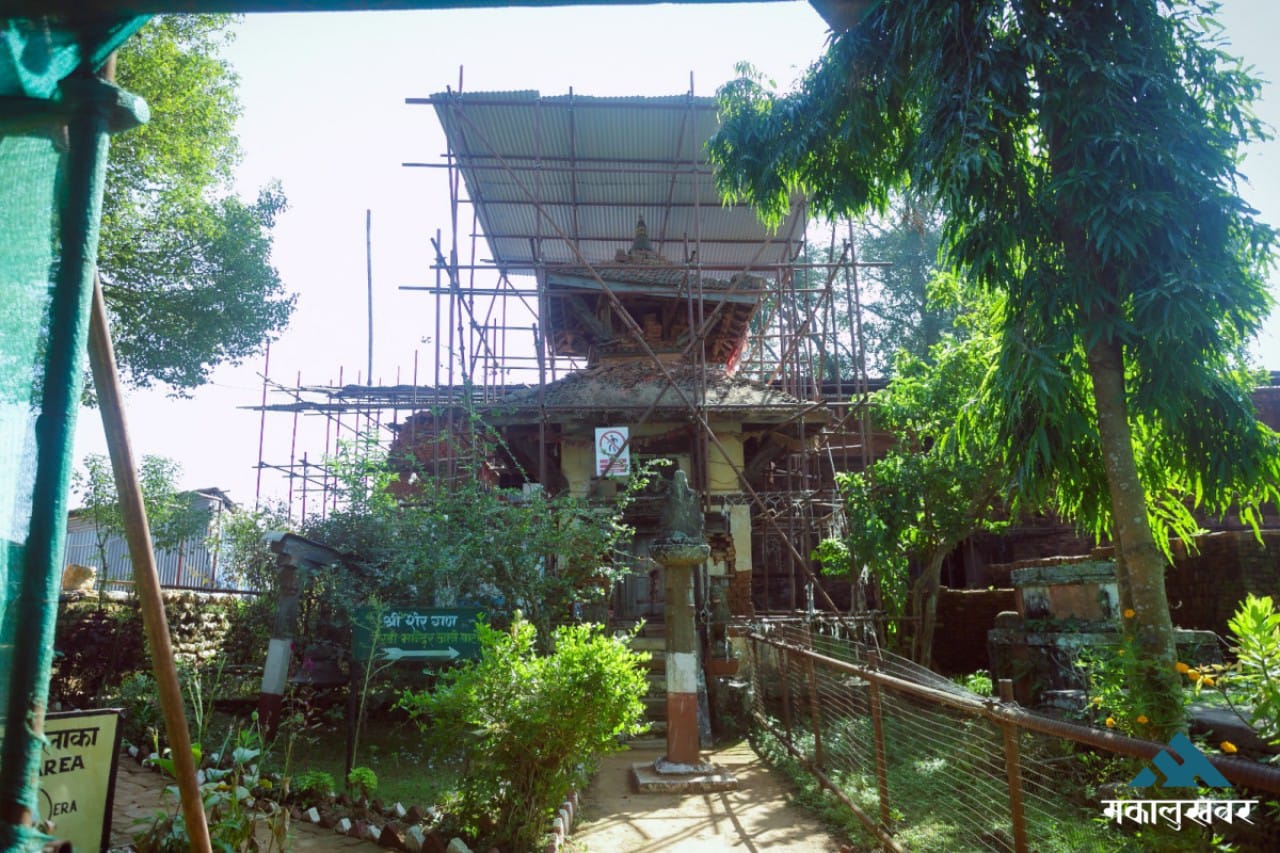
Following the earthquake, public entry was restricted, and locals continuously urged the government for its preservation. With Chinese support, the Nuwakot Durbar Conservation Office began restoration from the palace’s main entrance gate as the first phase of the project.
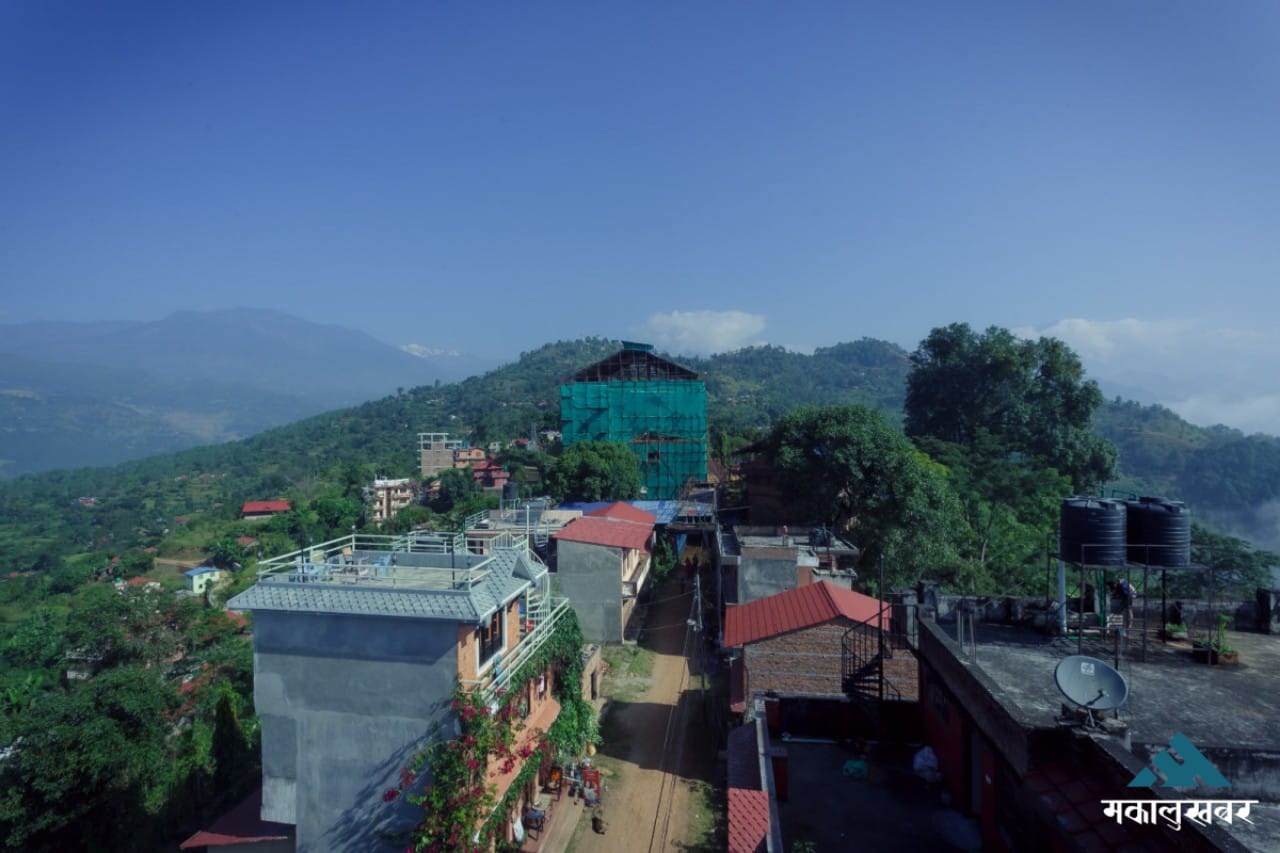
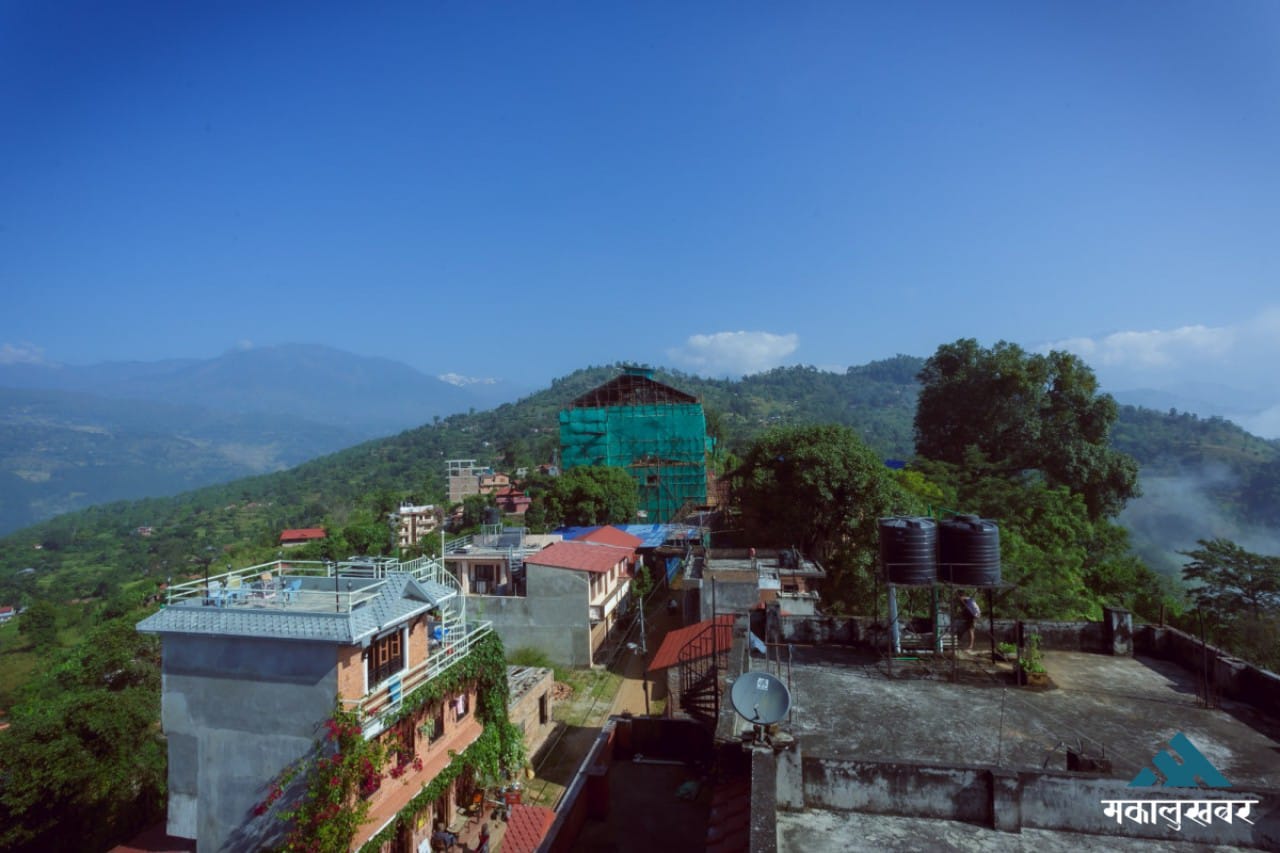
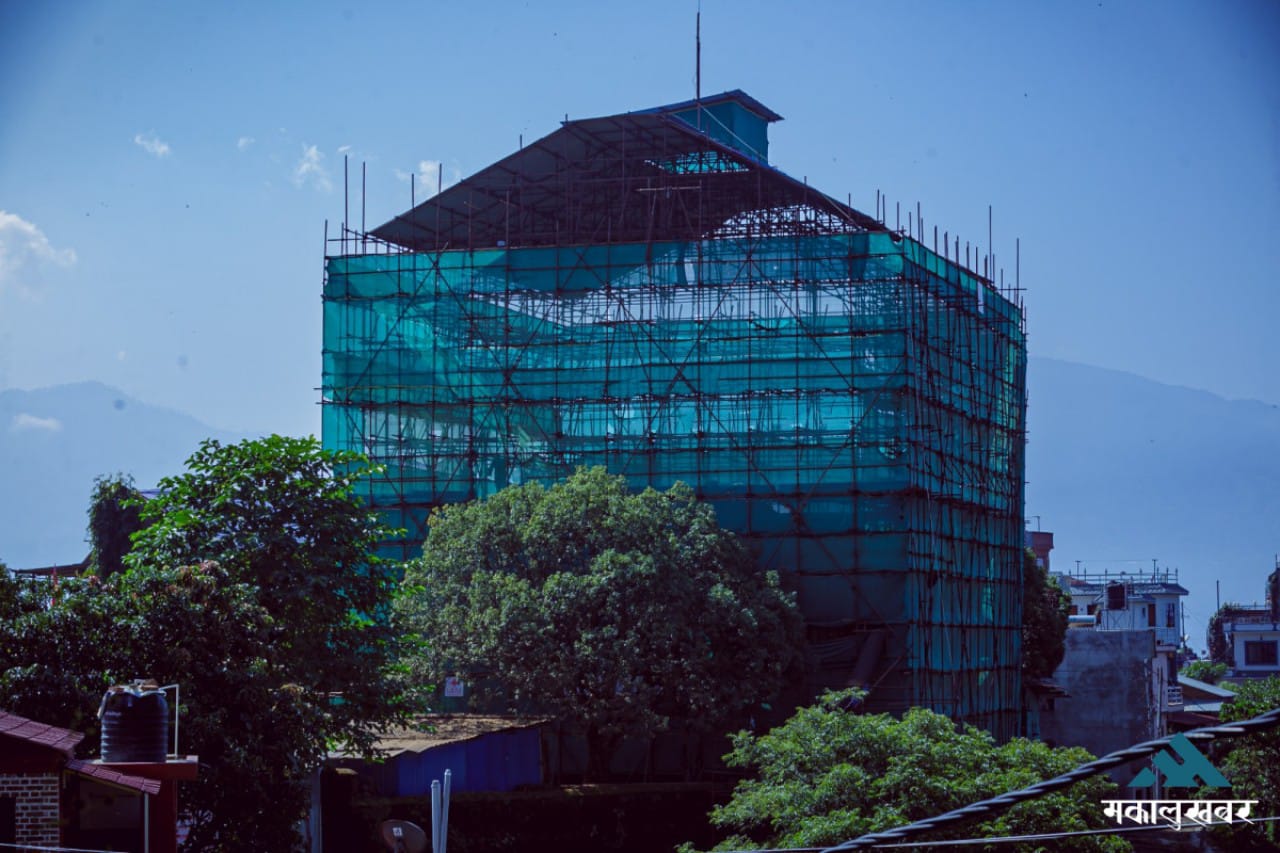
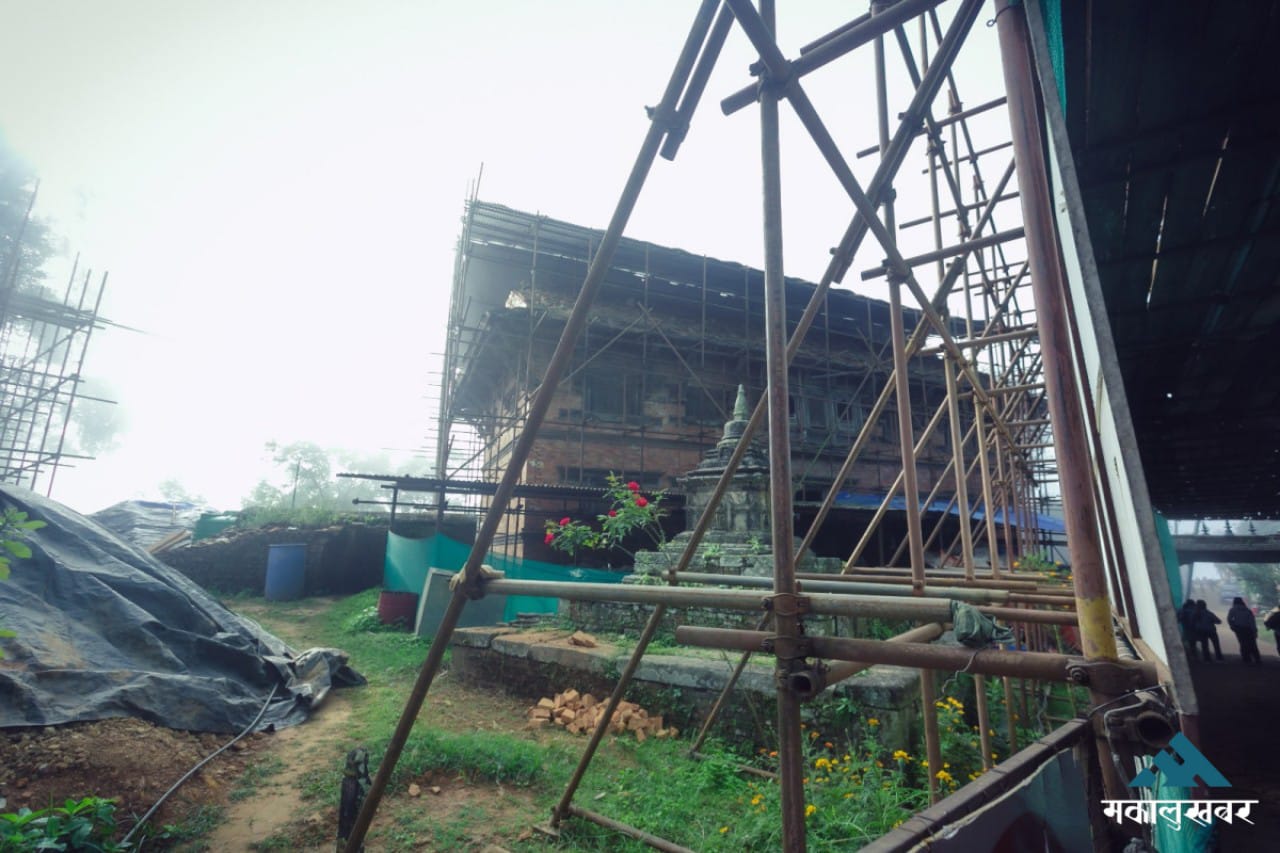
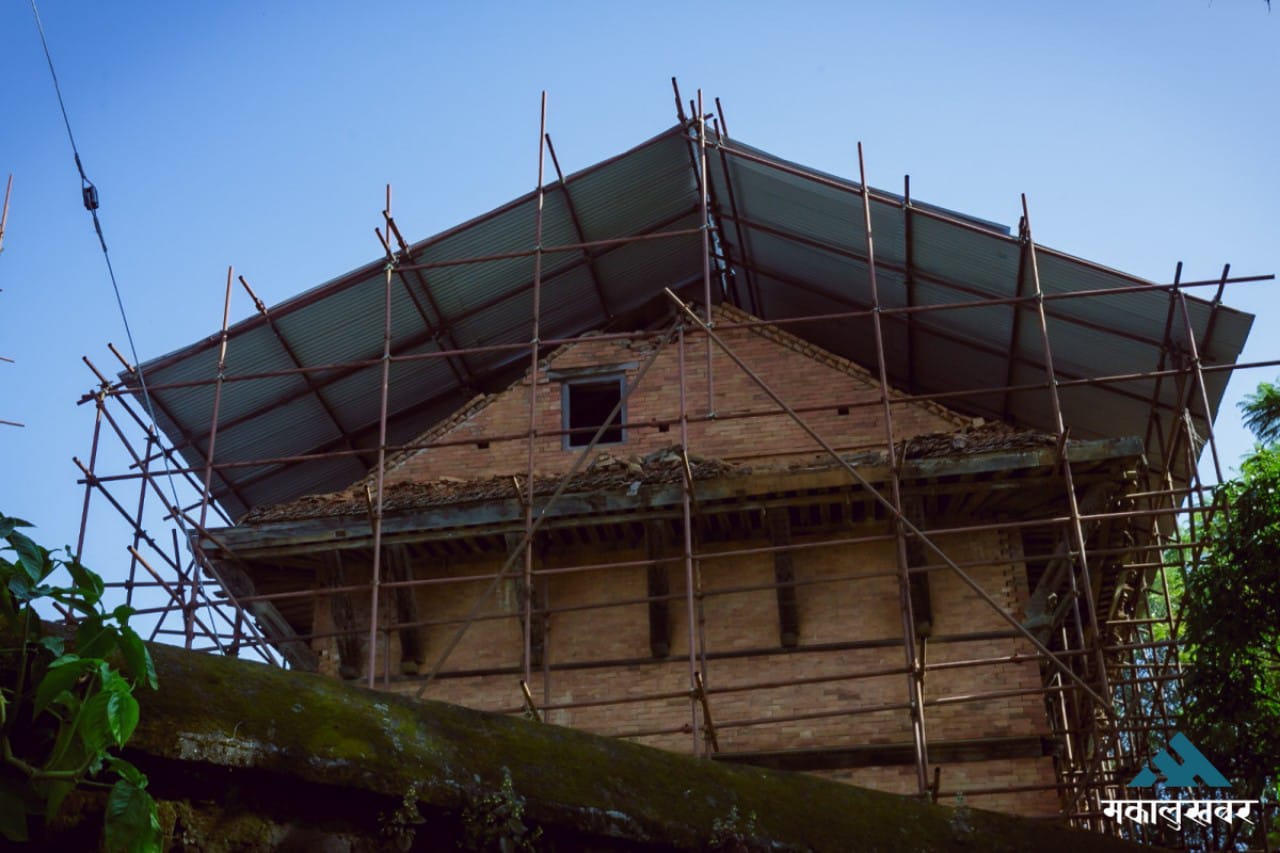
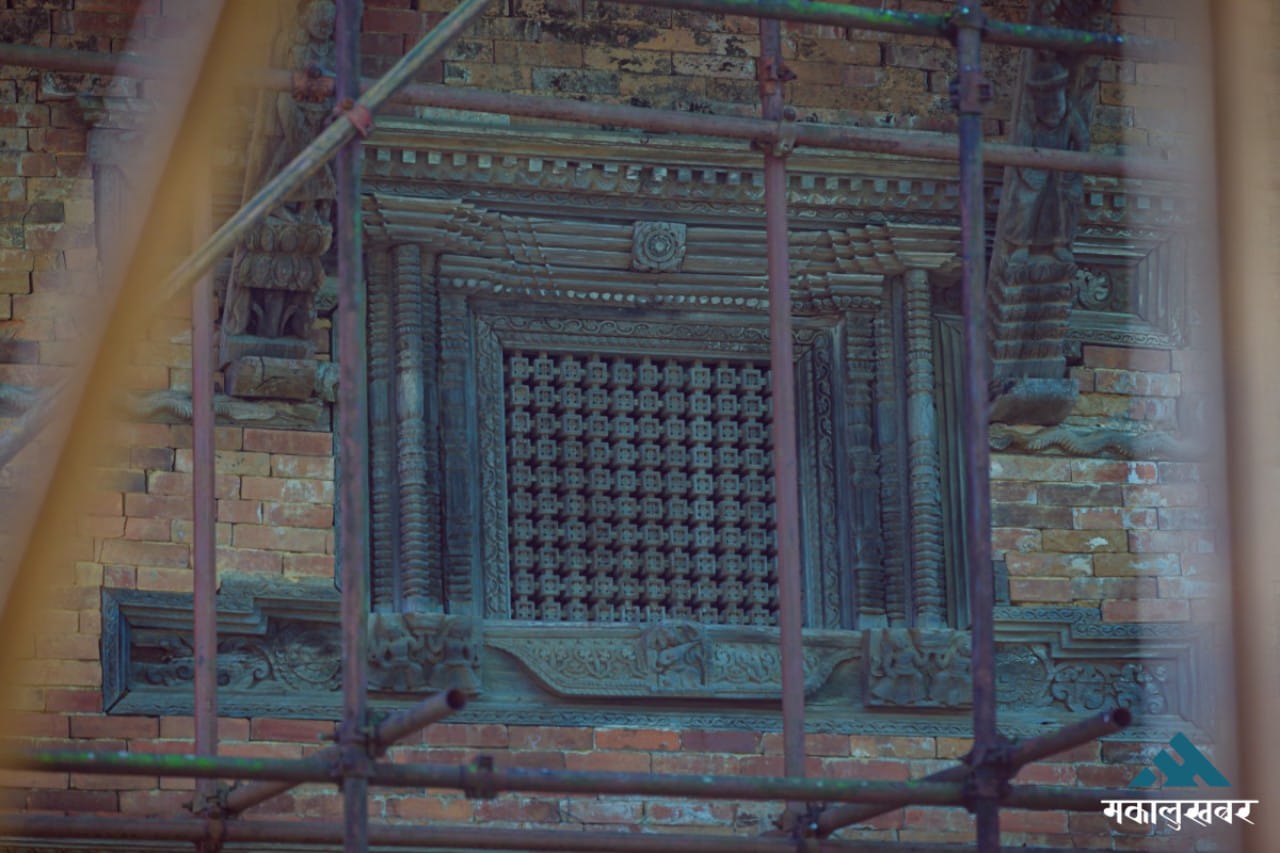
Though the reconstruction is progressing rapidly, it is yet to be completed. The Chinese technical team has erected scaffolding and set up two sheds for storing construction materials. The current focus is on restoring the Garadghar and Rangamahal while maintaining the site’s architectural authenticity. Subsequent phases will include the Taleju Temple, Setopati, and Vishnu Temple.
Once completed, the area is expected to become a major tourism hub, showcasing the architectural grandeur and historical essence of Nepal’s unification era.
As a living monument of Nepal’s unification history, Nuwakot Durbar’s restoration is not only vital for preserving cultural heritage but also for strengthening the tourism economy.
There is a shared hope among locals, the government, and international partners that the reconstruction will be completed soon, reviving the legacy of this monumental heritage.
Photos: