Rabi redefines political consensus after strategic deal with Balen
The seven-point agreement between Lamichhane and Shah is being seen as a potential game-changer in Nepal’s evolving political dynamics.

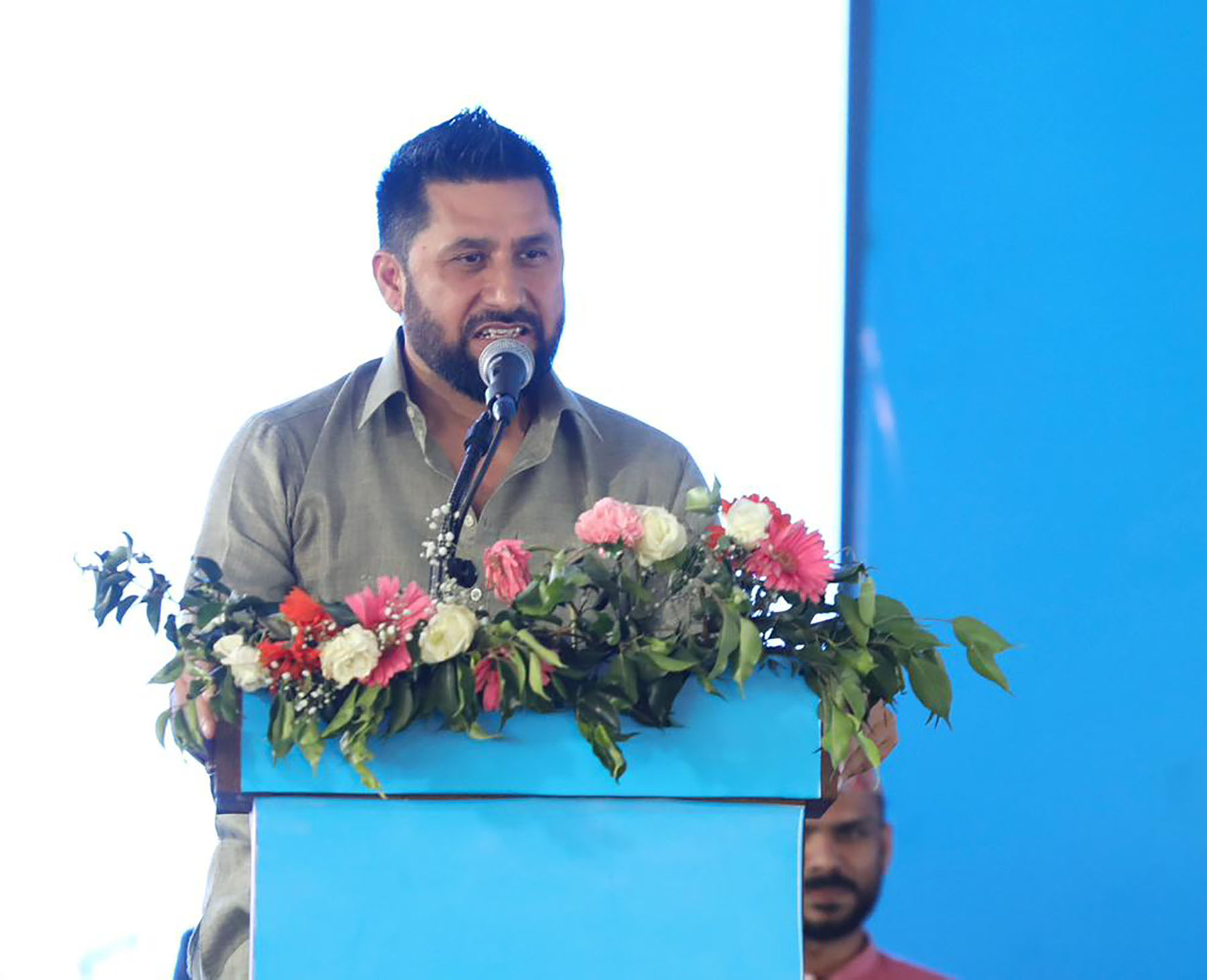
KATHMANDU: As power-sharing negotiations and competition for key positions dominate Nepal’s political landscape, Rastriya Swatantra Party (RSP) President Rabi Lamichhane has introduced a new interpretation of political consensus—placing national interest above personal or party ambitions.
The fresh narrative comes immediately after Lamichhane reached a seven-point strategic agreement with Kathmandu Metropolitan City Mayor Balen Shah, a move that has sent strong ripples through the country’s political circles.
Following what has been described as a decisive morning meeting with Shah, Lamichhane shared his views on social media, stating, “Consensus should not be what leaders want, but what the country needs.” His remarks signal a deliberate shift away from traditional power-centric politics toward a broader, issue-driven collaboration.
The seven-point agreement between Lamichhane and Shah is being seen as a potential game-changer in Nepal’s evolving political dynamics.
According to the key provisions of the deal, Balen Shah will be projected as the parliamentary leader and prime ministerial candidate in the event of victory in the next general election.
Meanwhile, the organizational leadership and party command will remain with RSP Chairperson Rabi Lamichhane, establishing a clear division of political and administrative responsibilities.
Political analysts say the agreement reflects an emerging alternative power structure that challenges conventional party hierarchies and could reshape electoral alliances ahead of the next polls.
The Lamichhane–Shah partnership is increasingly being viewed as a bold experiment in leadership-sharing—one that prioritizes governance, accountability, and public mandate over internal power struggles.