Rabi Lamichhane seeks five-year mandate to end misgovernance
Lamichhane said RSP aims to end the tradition of writing people’s rights in bold letters in election manifestos only to abandon them after coming to power.

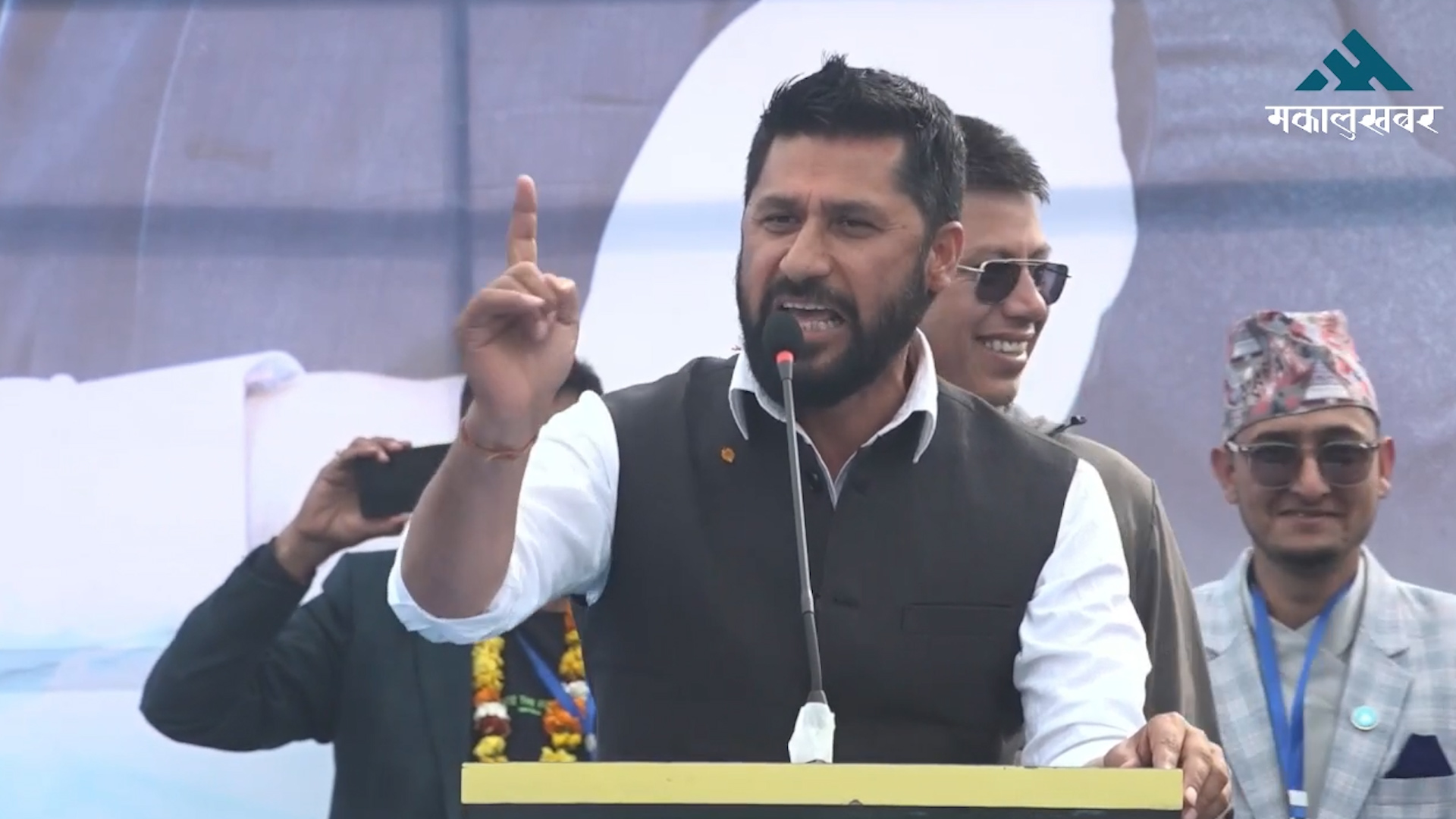
KATHMANDU: Rabi Lamichhane, President of the Rastriya Swatantra Party (RSP), has said his party is seeking a clear public mandate to run a stable government for five years in the upcoming elections, pledging to put an end to what he called the long-standing culture of broken political promises.
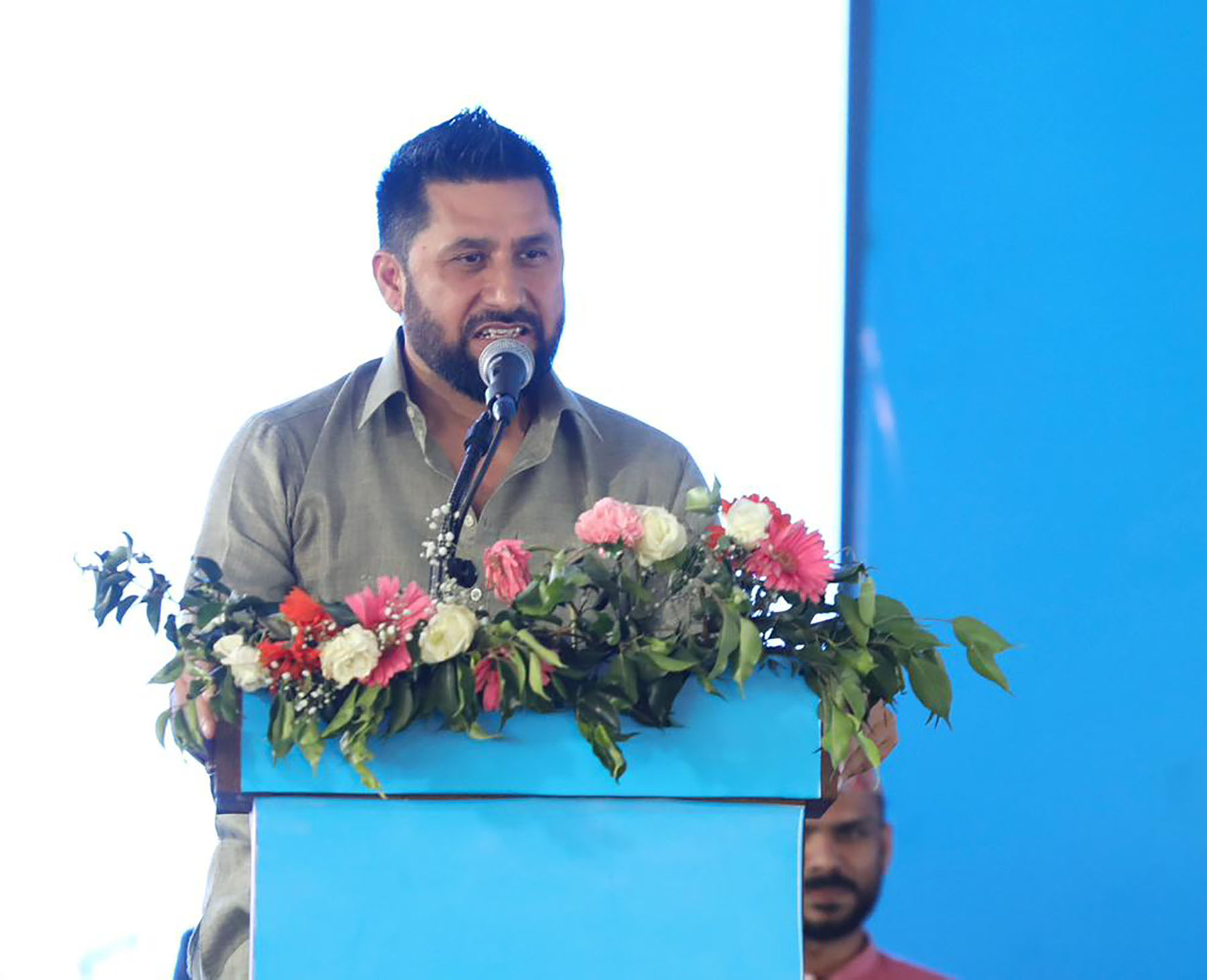
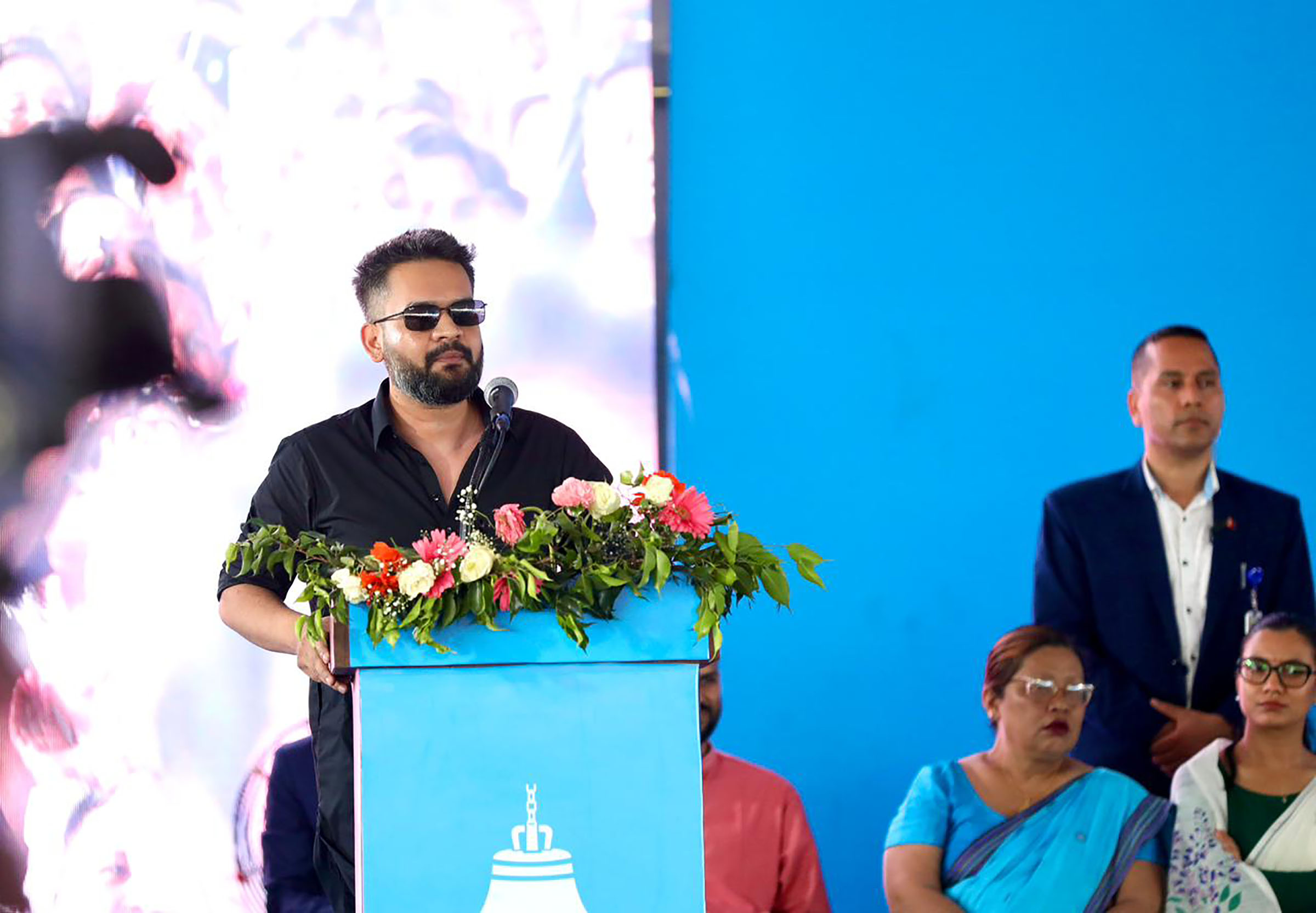
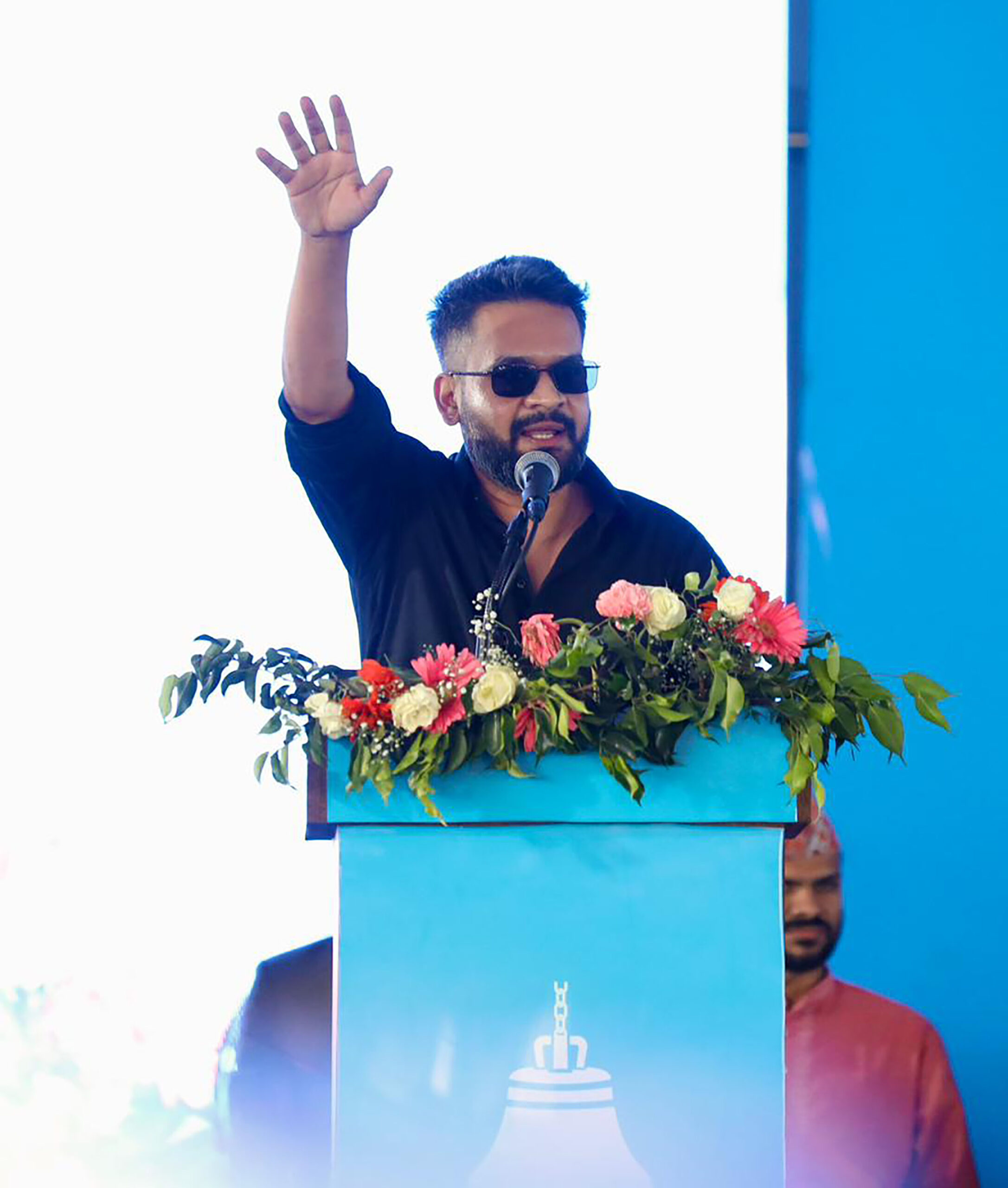
Addressing a large election rally in Dhangadhi on Wednesday, Lamichhane said RSP aims to end the tradition of writing people’s rights in bold letters in election manifestos only to abandon them after coming to power.
He stressed that his party is committed to eliminating distortions, corruption, and misgovernance entrenched in Nepal’s political system. “The shutter of bad governance and disorder will be permanently closed from this election,” Lamichhane declared, adding that Nepali politics is entering a new era where citizens will not merely vote for leaders but enter into a “contract” with them.
He said RSP has, for the first time in Nepal’s political history, presented a written five-year contract with the people, seeking a stable mandate to govern and deliver on its commitments. Leaders who fail to fulfill their promises, he argued, must be held accountable so that citizens are no longer perpetual victims of broken assurances.
Calling for an end to the practice of keeping public issues trapped as mere election agendas for decades, Lamichhane said his party has entered politics to dismantle entrenched corruption and irregularities completely, not partially.
Addressing Nepalis from Sudurpaschim working in India, he urged them to return home to vote in the upcoming elections, even if they have to take leave from their jobs, saying their participation is crucial to changing the country’s future.
Lamichhane also said RSP’s mission is not only to “build Singha Durbar” but to transform it—changing not just the structure but the working culture and mindset of the state machinery centered at Singha Durbar.
Rejecting allegations by traditional parties that RSP would use bulldozers to evict the poor, he questioned who had been running bulldozers over the dreams of ordinary citizens for the past 35 years.
He urged voters to cast their ballots for the “Bell” symbol in both the first-past-the-post and proportional representation systems to decisively defeat corruption and misgovernance.