‘Lahure Bhainsi’ staged at Mandala Theatre (photos)
Highlighting class inequality in rural Nepal.

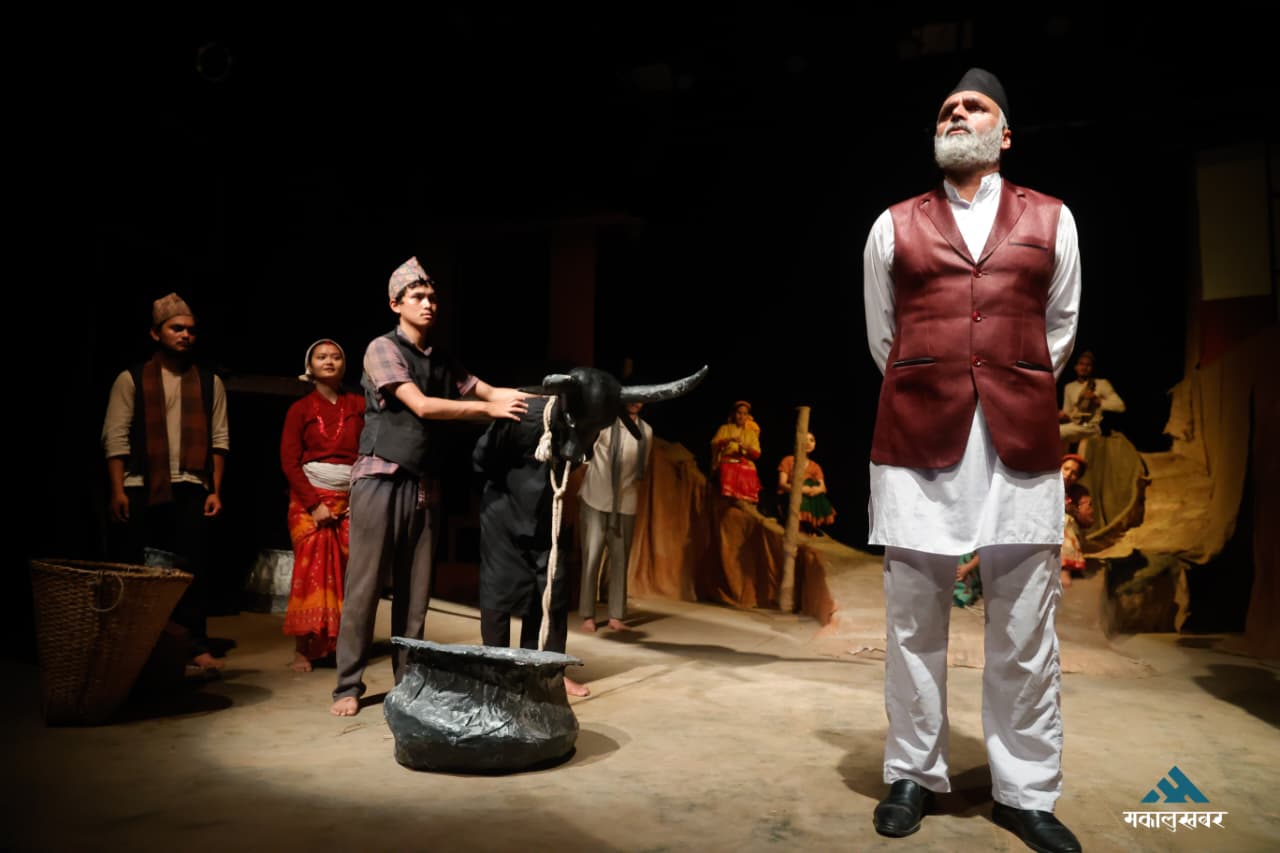
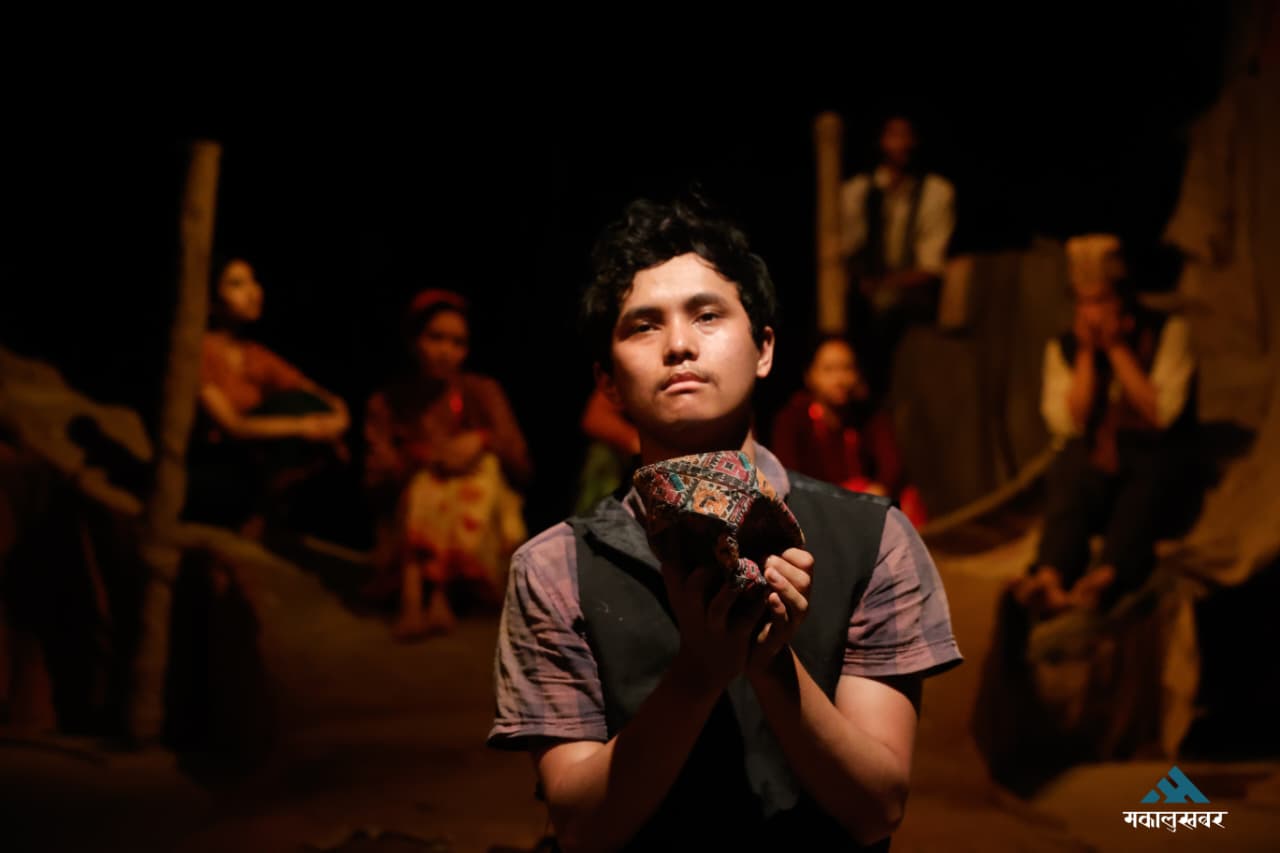
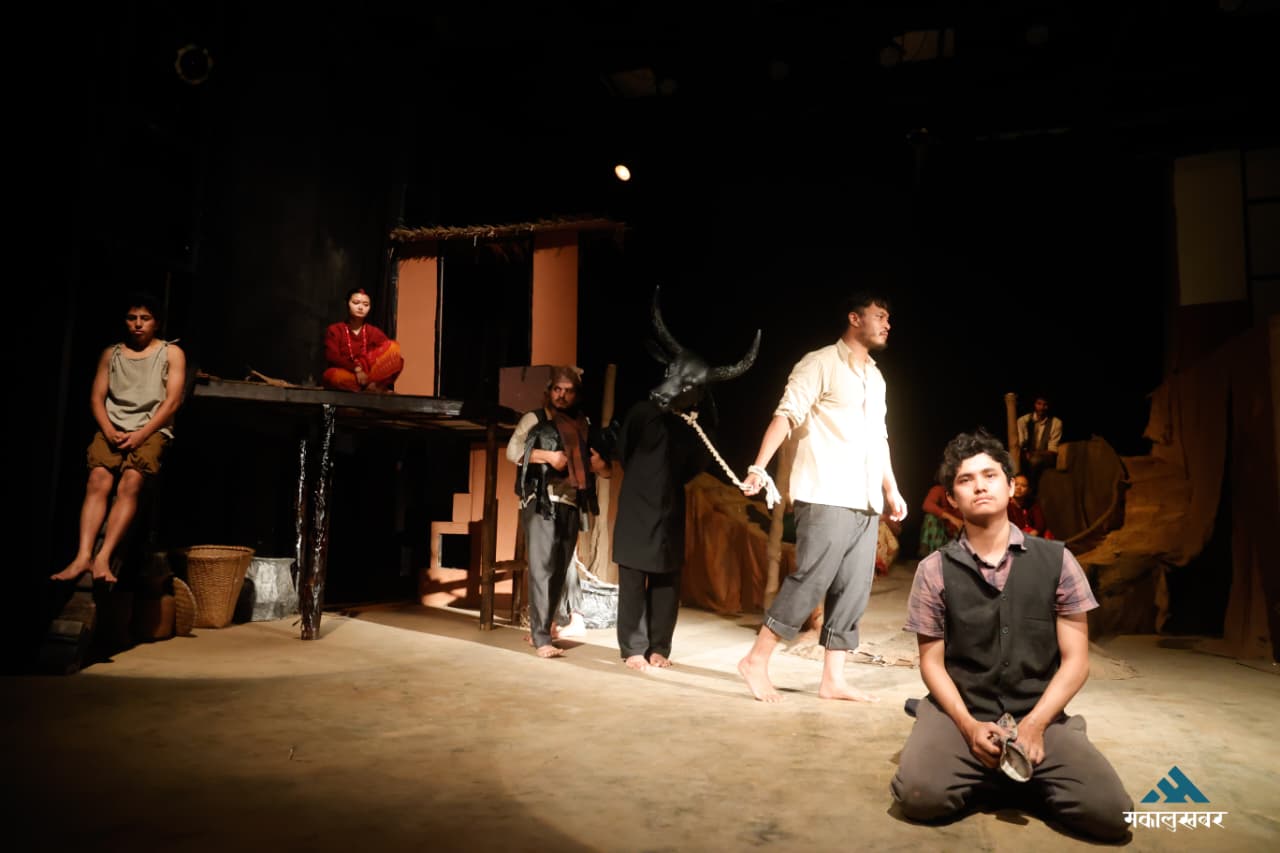
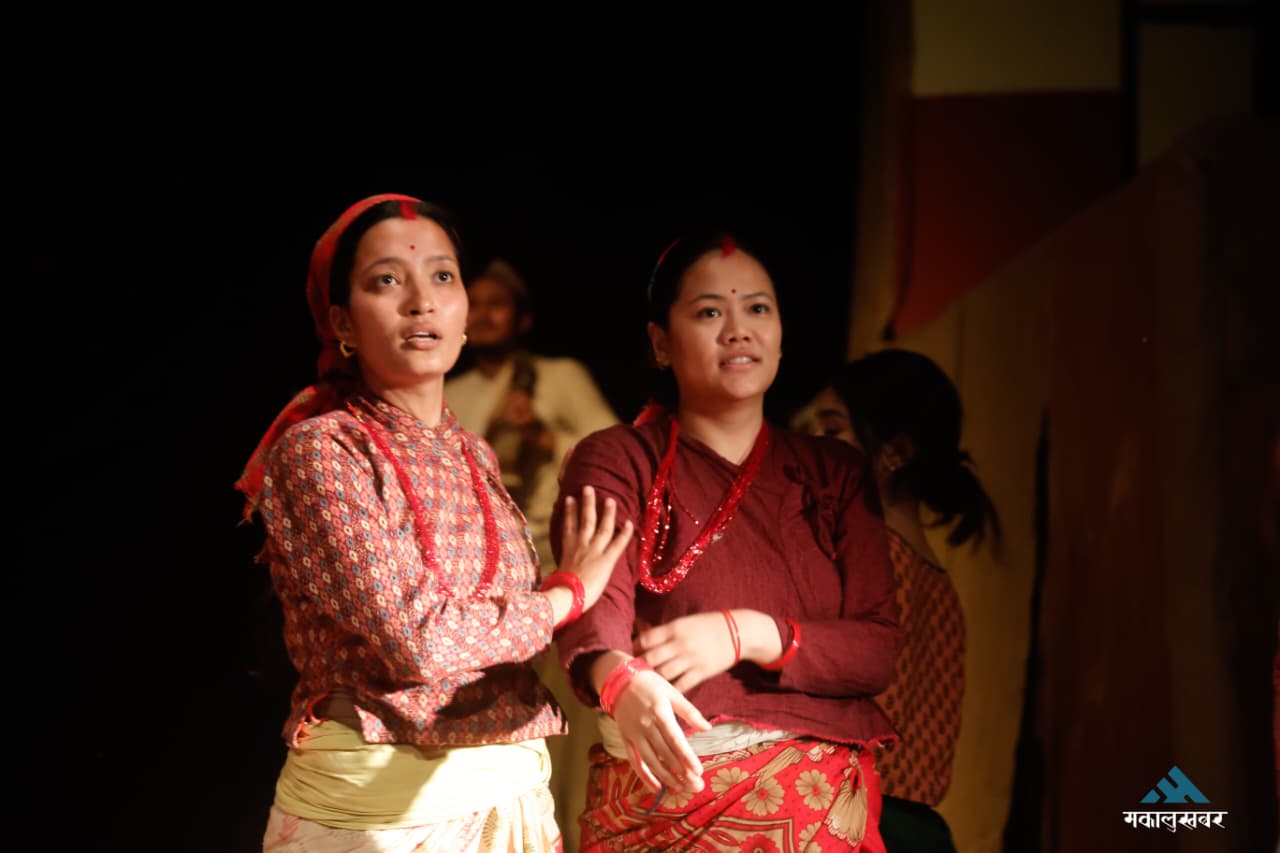
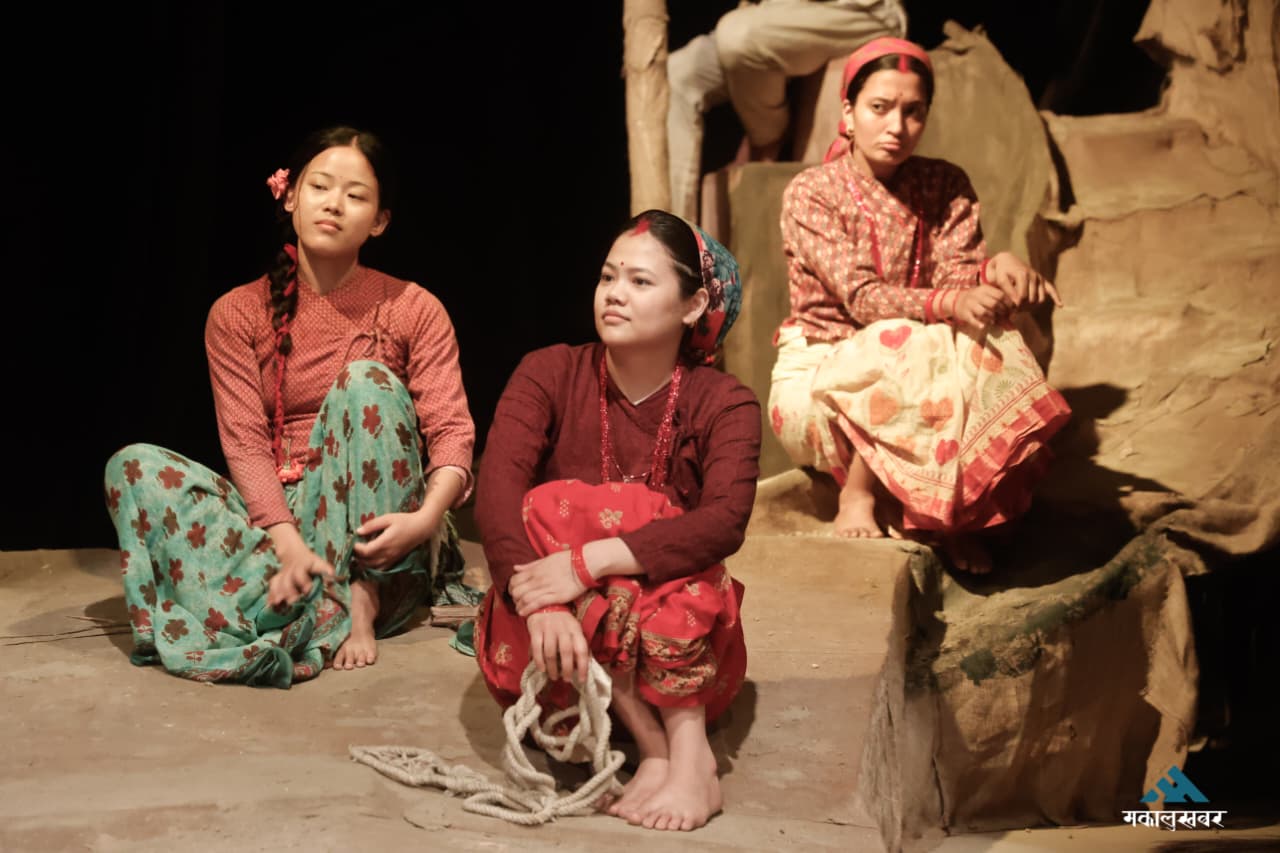
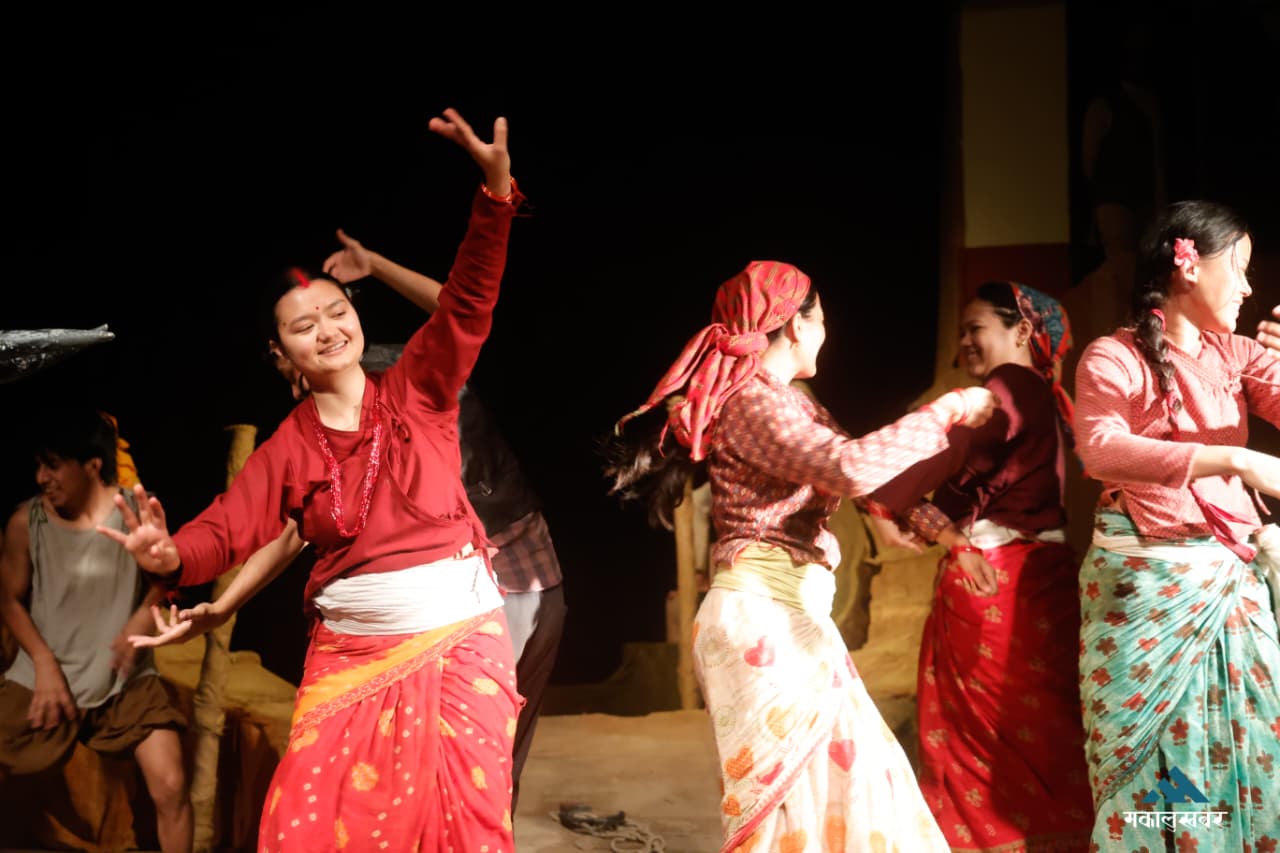
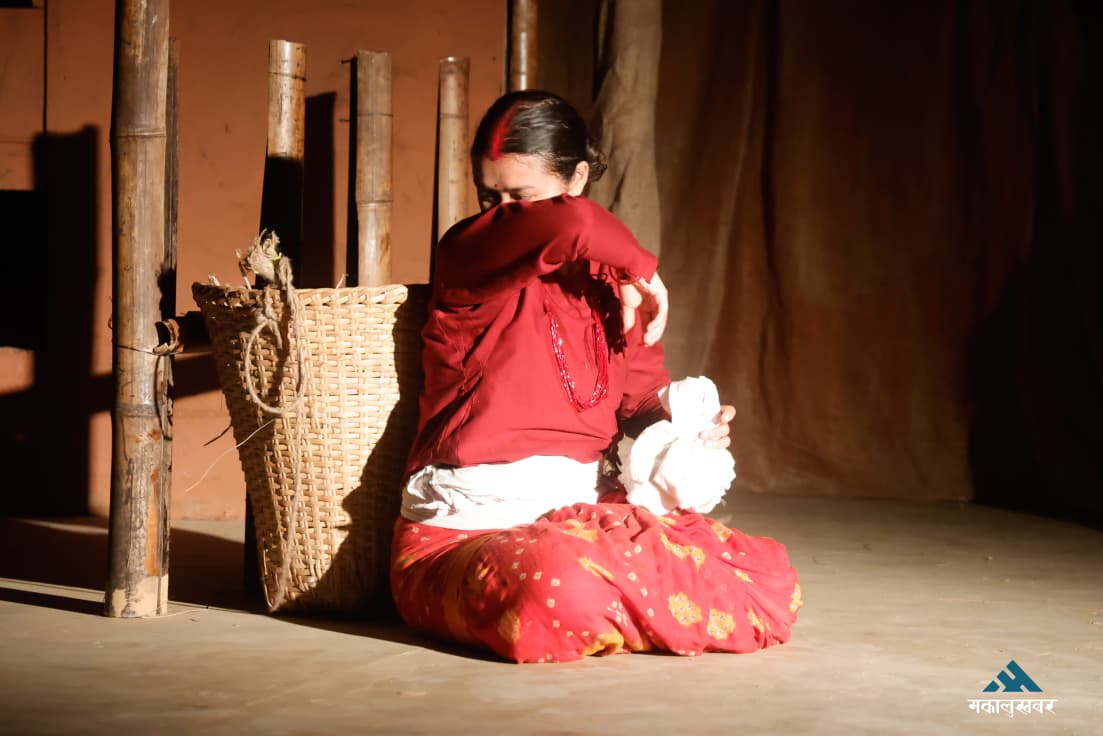
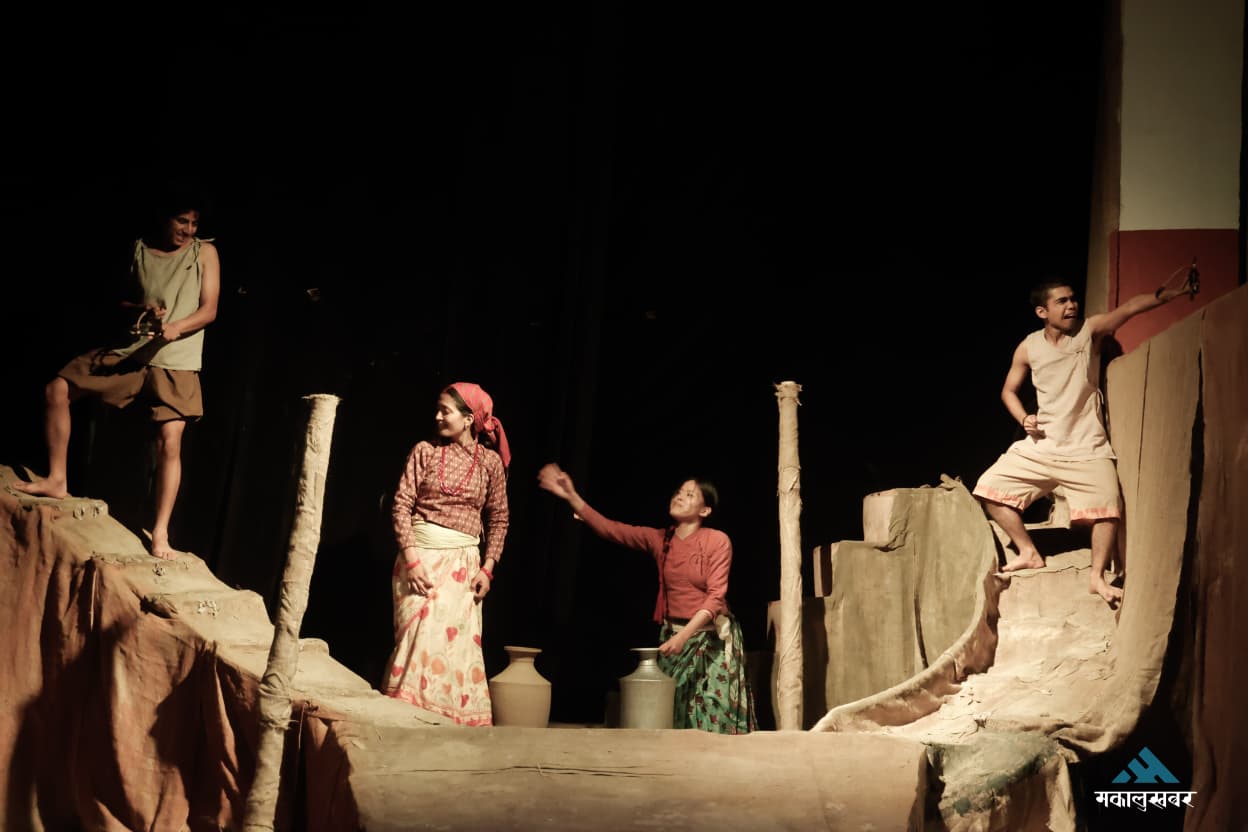
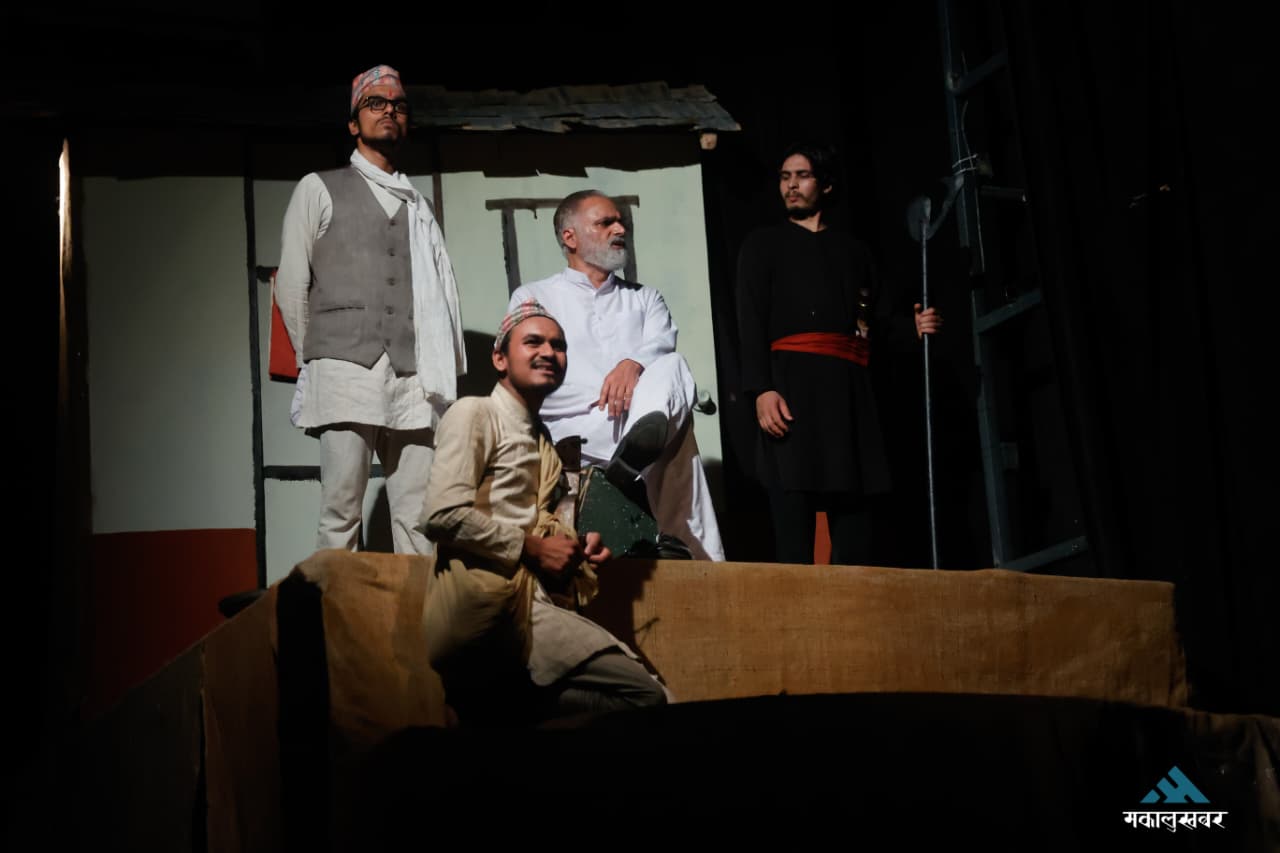
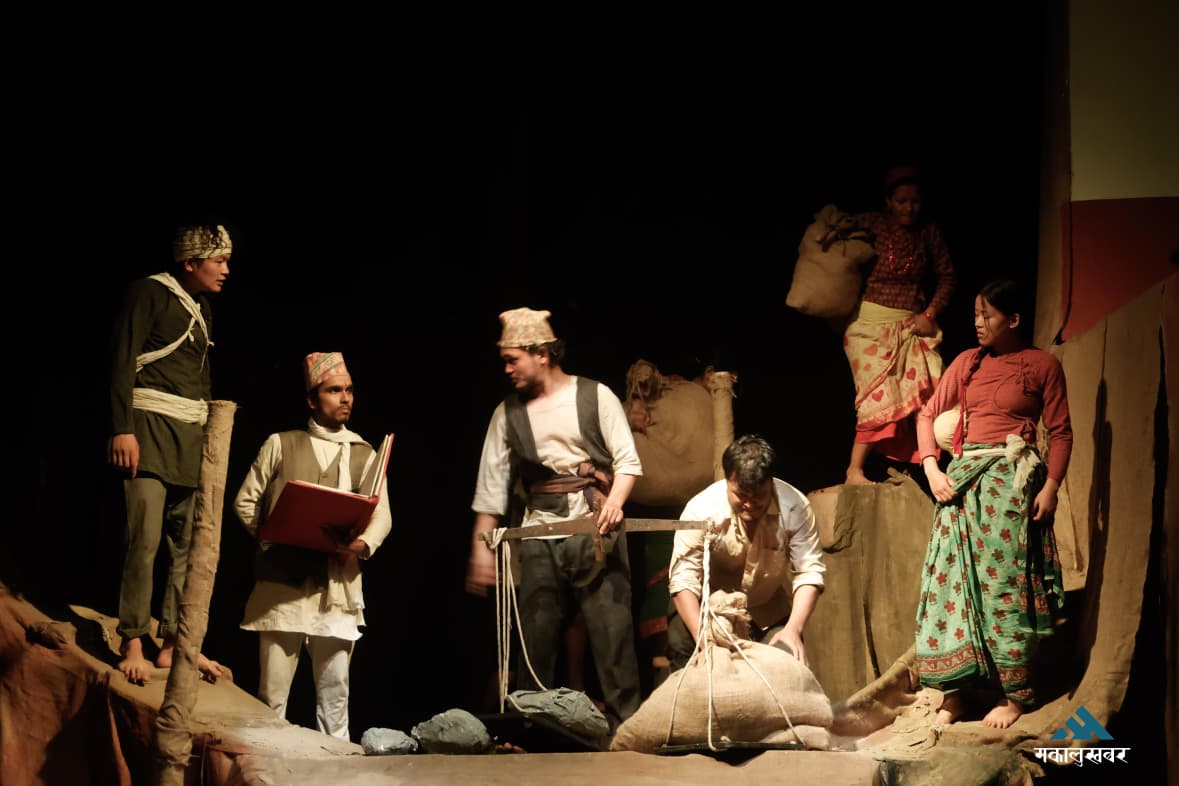
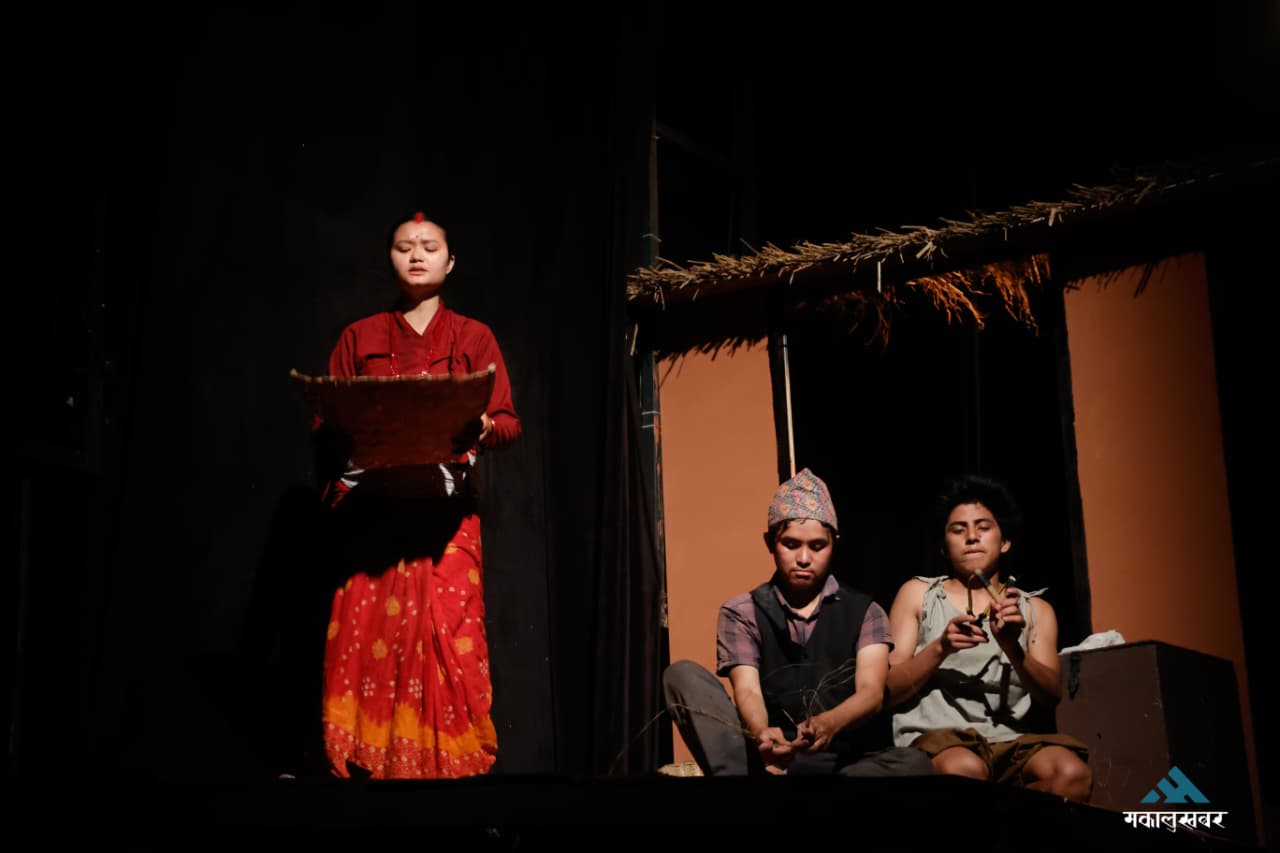
KATHMANDU: The stage adaptation of ‘Lahure Bhainsi’, a celebrated short story by renowned Nepali writer Ramesh Bikal, has been running at Mandala Theatre, Thapagaun, since Jestha 22 (June 5).
Originally included in Bikal’s Madan Puraskar-winning short story collection Naya Sadakko Geet, written around BS 2016–2017, the play is presented by AJ Bob Studio and Crook Entertainment.
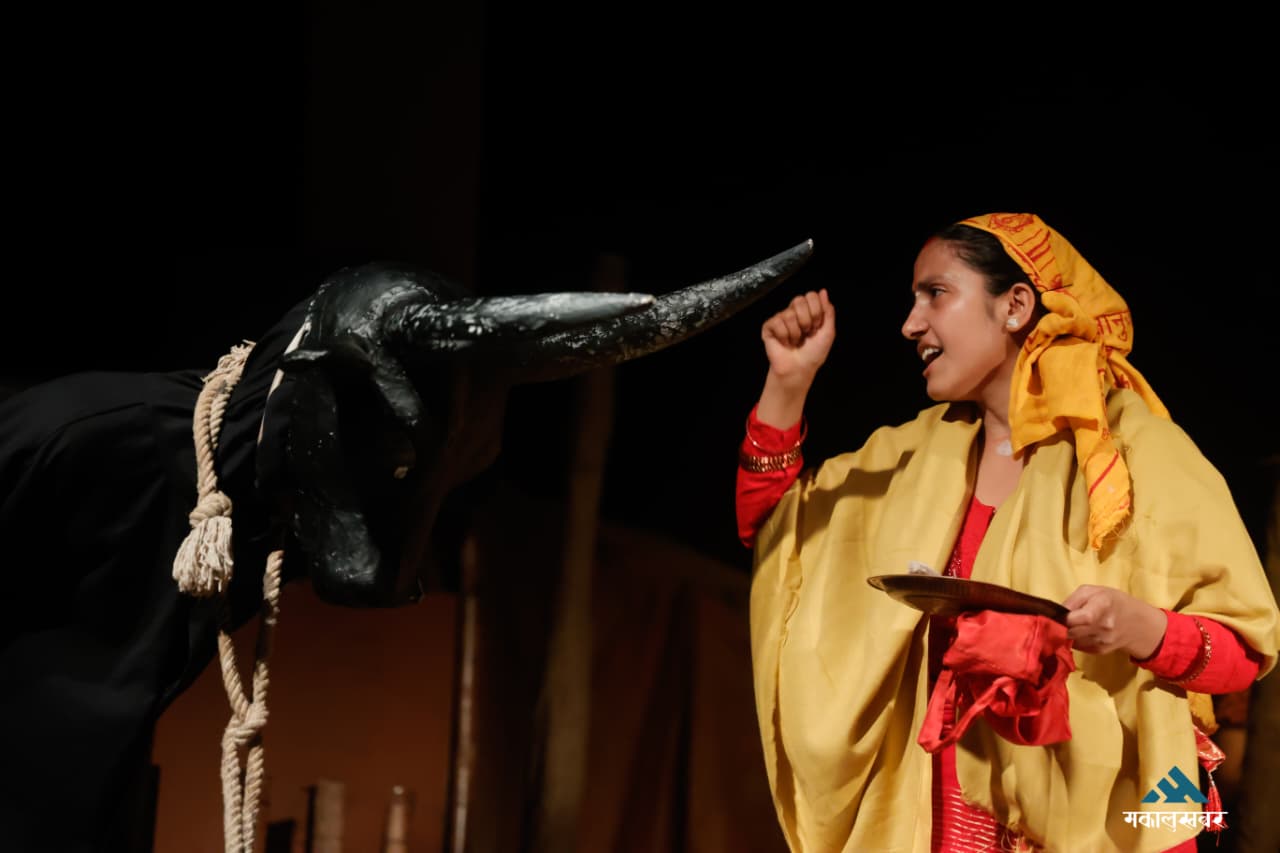
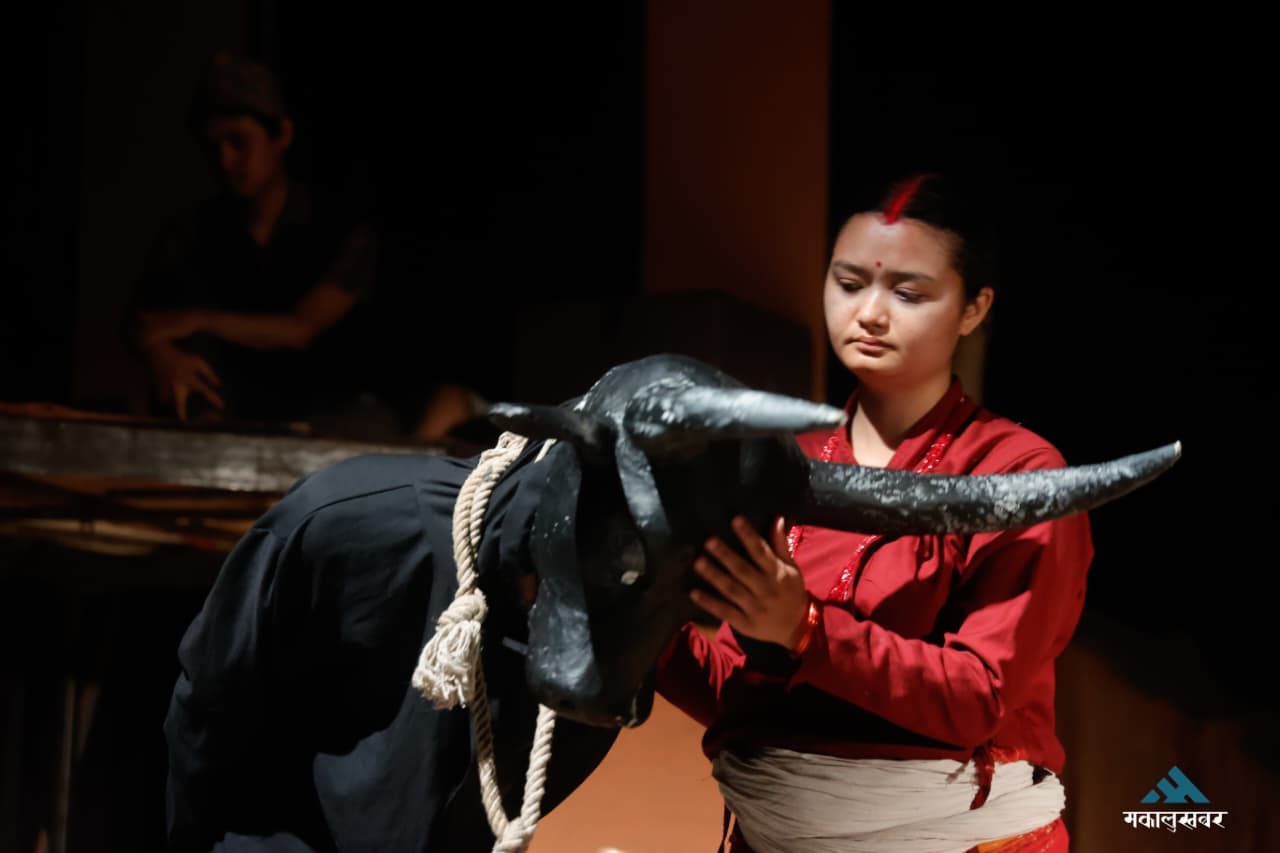
Directed by theatre artist Anup Neupane, Lahure Bhainsi explores the struggles of Lukhure, a man from a marginalized community, and his family as they strive to buy a buffalo.
Through their journey, the production exposes the realities of Nepal’s rural class structure, social exploitation, and unequal power relations.
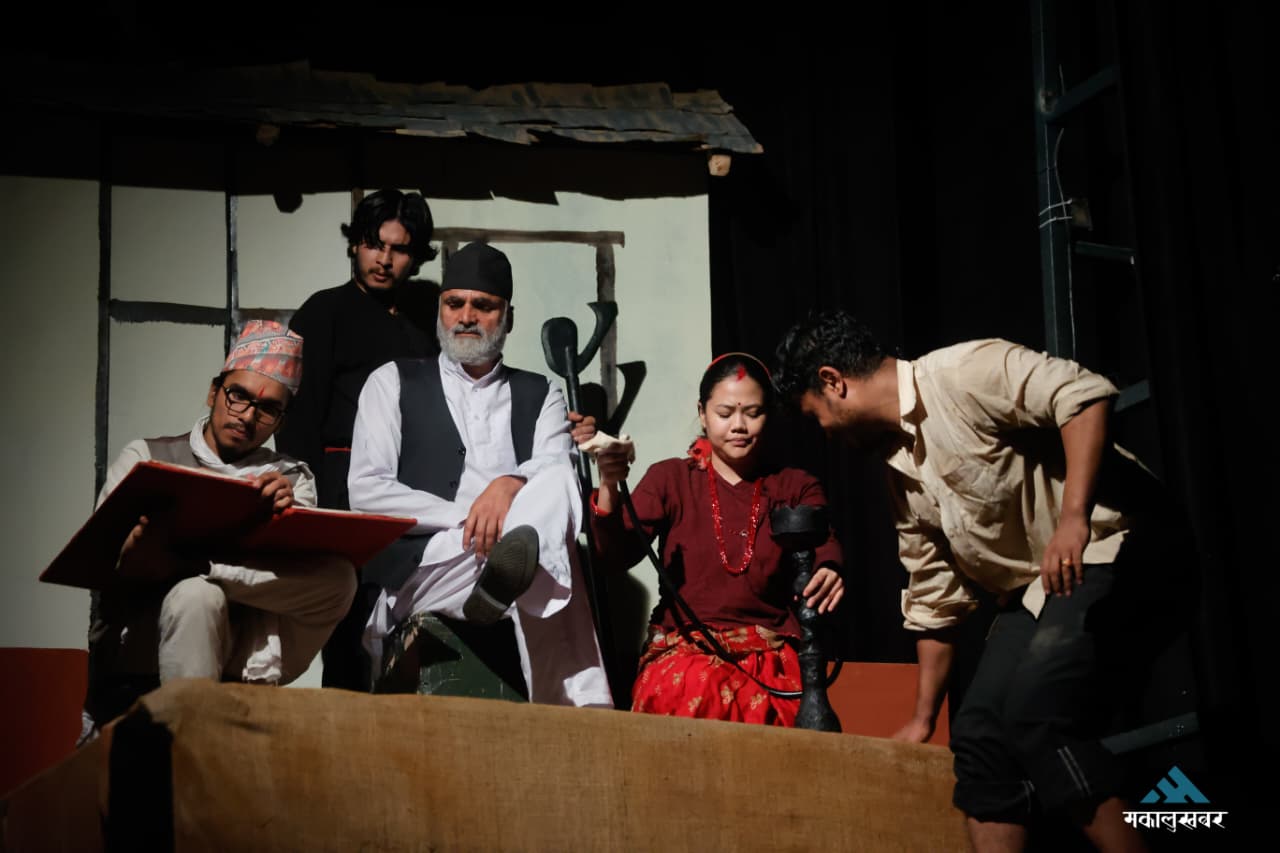
The play portrays how a simple dream of an ordinary family becomes a challenge to the village’s influential elites, exploiters, and feudal forces.
It also examines how those in positions of power manipulate society through misinformation, rumors, and deception to maintain control.
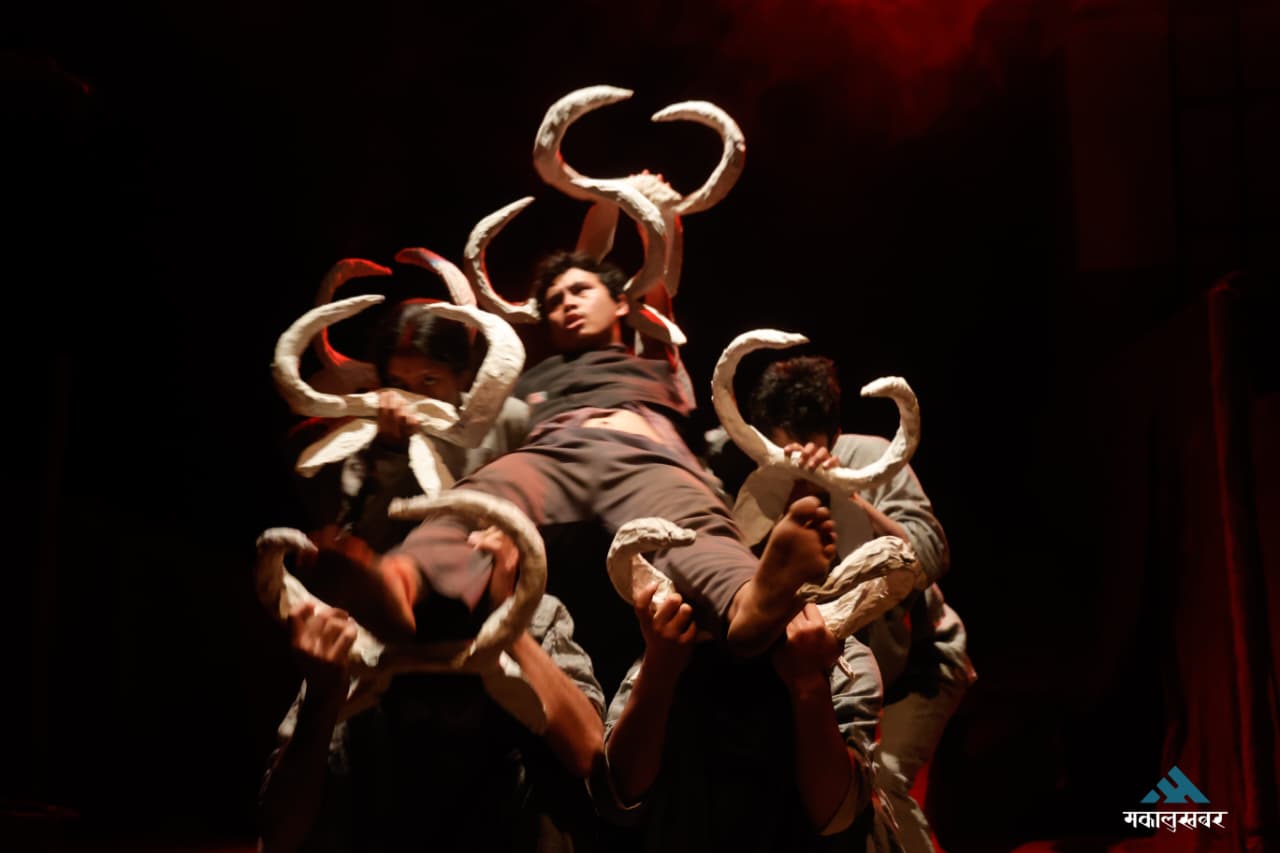
A central theme of the production is the profound impact that rumors and psychological pressure can have on people’s consciousness and lives—even in the absence of physical violence or weapons.
The cast features Nabin Khyungba Tamang, Sushmita Karki, Bhaskar Budha, Prem Dev Bishwakarma, Mohan Bhandari, Sandesh Pandey, Roshan Kayastha, Sunil Rai, Amrit Sunar, Tarun Deuba, Shreya Shrestha, Sameer Bhattarai, Jyotsna Ghimire, Melina Rai, Anushka Karki, Palden Ghising, Sejal Gautam, Mridul Krishna Dahal, and Binay Pant.
The original story by Ramesh Bikal has been adapted for the stage by Sanyog Guragain.
The production will continue through Asar 7 (June 21), with performances every evening at 5:30 PM, except Mondays. An additional show is scheduled every Saturday at 1:30 PM.
More than the story of a single family, Lahure Bhainsi presents a powerful reflection on class inequality, social struggle, and collective consciousness in Nepali society.
Photos:
-Saroj Basnet