‘Kumari’ producer Mahendra Adhikari: Beyond profit, filmmaking is responsibility
Approaching the setback with maturity, he is prepared to analyze the outcome dispassionately.


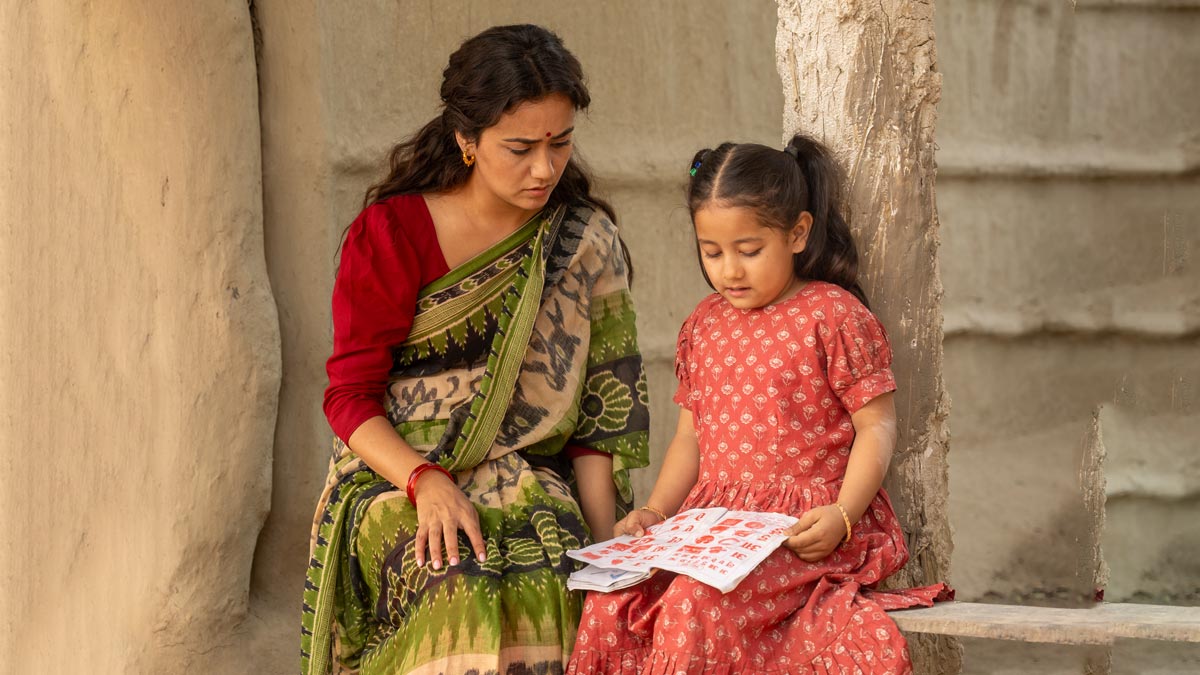
KATHMANDU: When a film releases, expectations typically fall into two outcomes: box office success or critical acclaim. Occasionally, however, a rare paradox emerges—critics praise the film, audiences appreciate its story, yet the producer’s coffers remain empty. This is precisely the fate of the recently released Nepali film Kumari.
For the producer who previously made a mark with the compelling film Prakash, Kumari’s commercial failure serves as a learning experience rather than a cause for denial. Approaching the setback with maturity, he is prepared to analyze the outcome dispassionately.
He regards filmmaking as a business first. “Every business aims to be profitable,” he states plainly. Yet he also accepts the reality that results don’t always match expectations. “If a venture fails to generate profit, the underlying causes must be identified and addressed immediately,” he adds. According to him, ignoring such lessons could make future investors hesitant. Nonetheless, he remains unshaken, asserting that in business, a “universal fact” holds true: success is not guaranteed, and occasional losses are inevitable. Kumari, he says, exemplifies this principle.
Asked about the psychological impact of a film’s failure, he explains, “When a project doesn’t perform as expected, it affects the producer not just financially but across the entire team—from technicians to actors, everyone looks to the producer as the anchor.” Despite the pressure, he emphasizes learning from mistakes rather than being discouraged. “Correcting weaknesses and moving on to the next project is a positive approach,” he insists.
The Nepali film industry often emphasizes star casts as essential for a movie’s success. Yet Kumari’s outcome has not swayed him toward relying solely on stars. “Using the same formula every time does not guarantee success,” he reasons. He stresses that casting decisions should follow the story’s demands rather than star power. Whether a role calls for an established actor or a fresh face, it is dictated by the narrative, not personal preference.
Known in the industry as a bold, “audacious” producer, he prefers to view the label as a reflection of integrity and responsibility rather than risk-taking alone. “Film production is not just an investment; it is also passion and duty,” he says. “Delivering quality content to the audience is our responsibility. Prakash and now Kumari exemplify this commitment.”
Will this experience push him toward safer, formulaic films? His answer is philosophical: “People can only act according to their vision and consciousness. I am still learning.” Drawing from both his own experiences and lessons from senior filmmakers, he plans to approach future projects with greater maturity and strategic planning.
Far from discouraging him, Kumari’s commercial underperformance has strengthened his resolve. “Kumari was more than a love story; it carried the bitter truths and sensitivities of women that society is yet to fully embrace,” he concludes.