Kathmandu valley municipalities to jointly share waste management burden
Each municipality will contribute to waste management costs based on the volume of waste it generates, formally ending the one-city burden model.

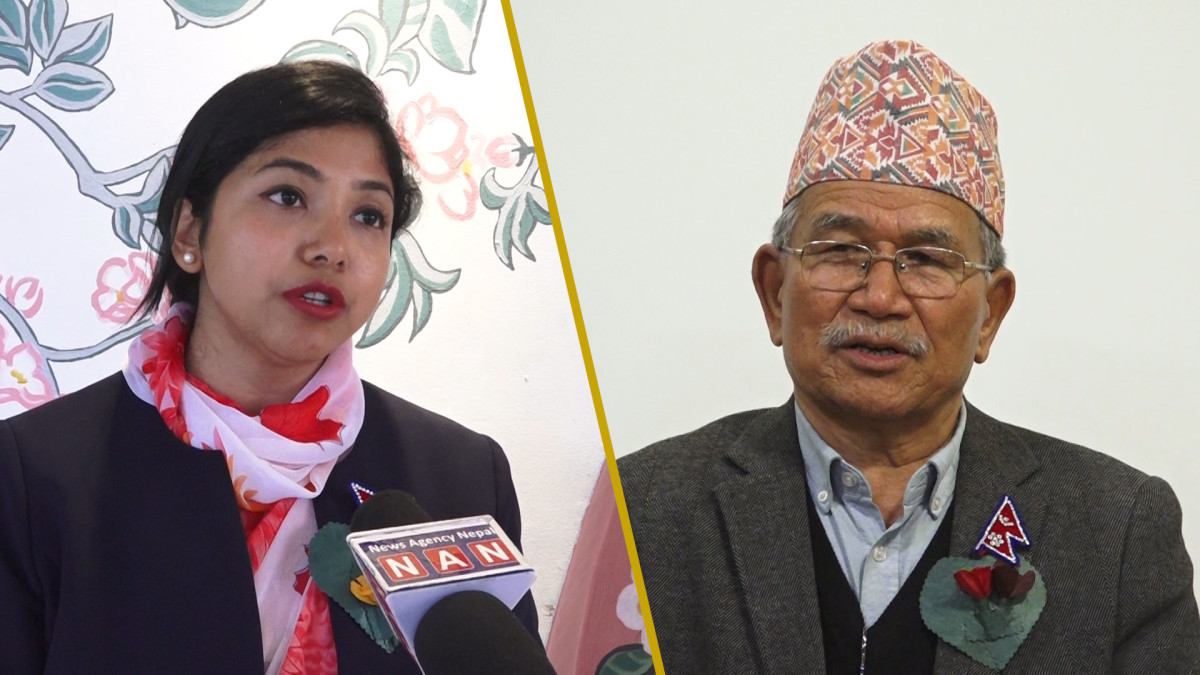
KATHMANDU: All 18 municipalities of Kathmandu Valley have agreed to jointly bear the financial and managerial responsibility of waste management, ending the long-standing practice of Kathmandu Metropolitan City shouldering the entire burden alone.
The decision was made at the 13th meeting of the Kathmandu Valley Mayors’ Forum, which resolved that waste management will now be handled through collective financial and administrative partnership among all municipalities in the Valley.
Until now, Kathmandu Metropolitan City had been solely responsible for managing and financing waste disposal at the Bancharedanda Landfill Site.
Under the new agreement, each municipality will contribute to waste management costs based on the volume of waste it generates, formally ending the one-city burden model.
Acting Mayor of Kathmandu Metropolitan City, Sunita Dangol, described waste management as a “trans-boundary issue” that affects the entire Valley.
She stated that while Kathmandu Metropolitan City has been leading waste management efforts, the responsibility belongs to all local governments in the Valley. Accordingly, a clear framework for financial and administrative sharing will be prepared in the near future.
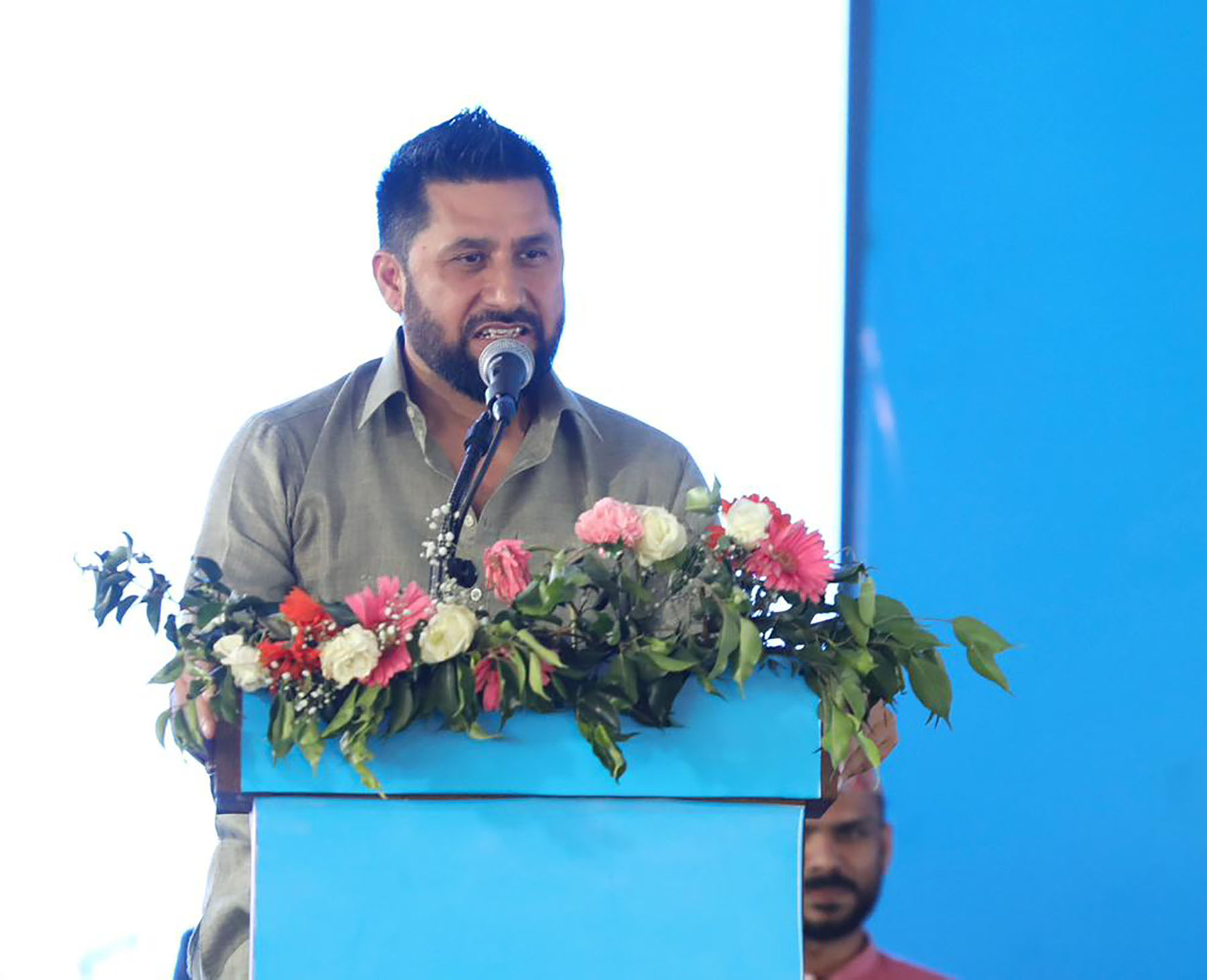
Chairperson of the Mayors’ Forum and Mayor of Lalitpur Metropolitan City, Chiribabu Maharjan, reiterated that waste management is not the responsibility of Kathmandu alone.
He confirmed that all municipalities have agreed to participate financially and administratively in proportion to the waste they produce.
The Forum also resolved to fully support and take ownership of any waste management model advanced by the federal government, including ongoing feasibility studies and proposed long-term solutions.
Inter-Municipal Cycle Lane from Shivapuri to Godavari
In a bid to promote sustainable urban mobility and develop Kathmandu Valley as a smart city, the Forum decided to construct an inter-municipal cycle lane connecting Shivapuri to Godavari Botanical Garden, passing through Kathmandu and Lalitpur metropolitan areas.
The project will begin from Shivapuri Hill in Budhanilkantha and extend to Godavari in Lalitpur. The route will be developed as a “showcase project,” and a detailed master plan will be prepared.
The Forum will urge the federal government to immediately formulate laws and policies related to cycle lanes. Once successful, the model will be replicated in other municipalities across the Valley.
Metro Rail and Immediate Transport Reforms
The meeting also concluded that mass transportation is essential to address chronic traffic congestion and connectivity problems in Kathmandu Valley.
The Mayors’ Forum resolved to collaborate with the federal government on metro rail development.
According to Acting Mayor Dangol, the Forum will support the implementation of Detailed Project Reports (DPRs) prepared by the government or donor agencies related to metro rail construction.
Recognizing that metro rail projects will take a long time to materialize, the Forum also decided to commission a separate study to identify immediate and practical solutions to Kathmandu Valley’s transportation crisis.
The findings will be submitted to the federal government for action.
Municipal leaders emphasized that collaborative approaches with the federal government are now opening new pathways to address shared urban challenges, including solid waste management, drinking water supply, air pollution, and climate change.