Gyawali calls talk of Lamichane–Balen–Ghising unity an ‘Emotional Wave’
Gyawali further accused new political forces of lacking clear alternatives on serious issues such as governance systems, economic policy, geopolitical balance, and constitutional protection.

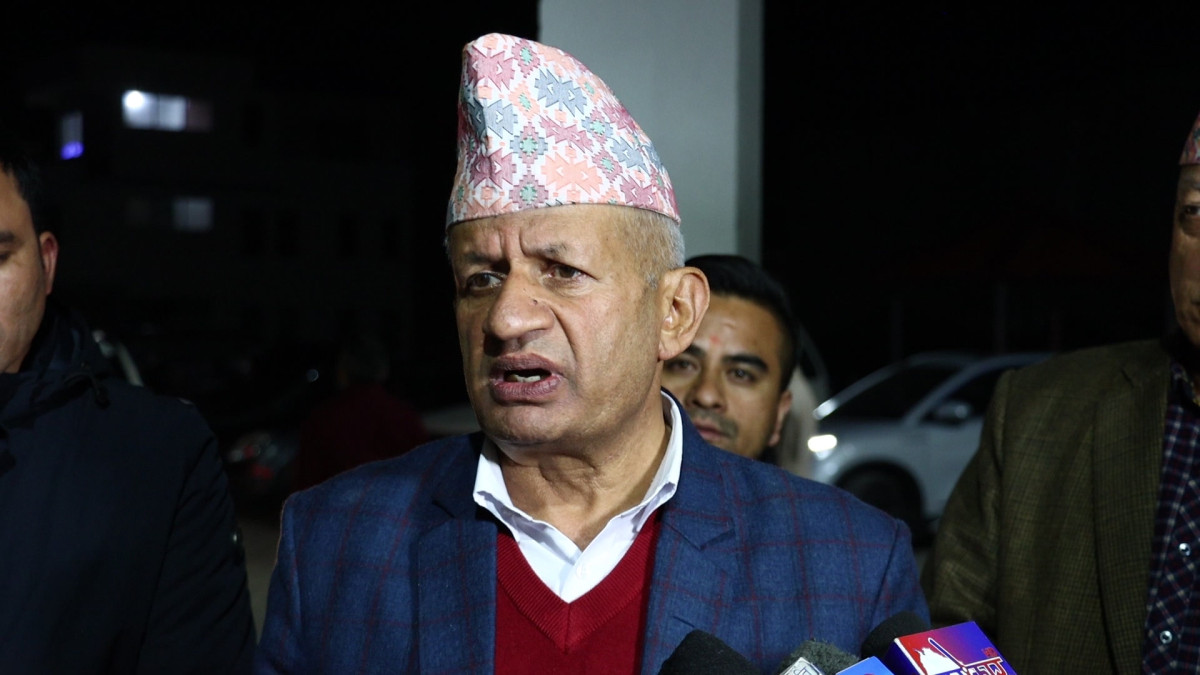
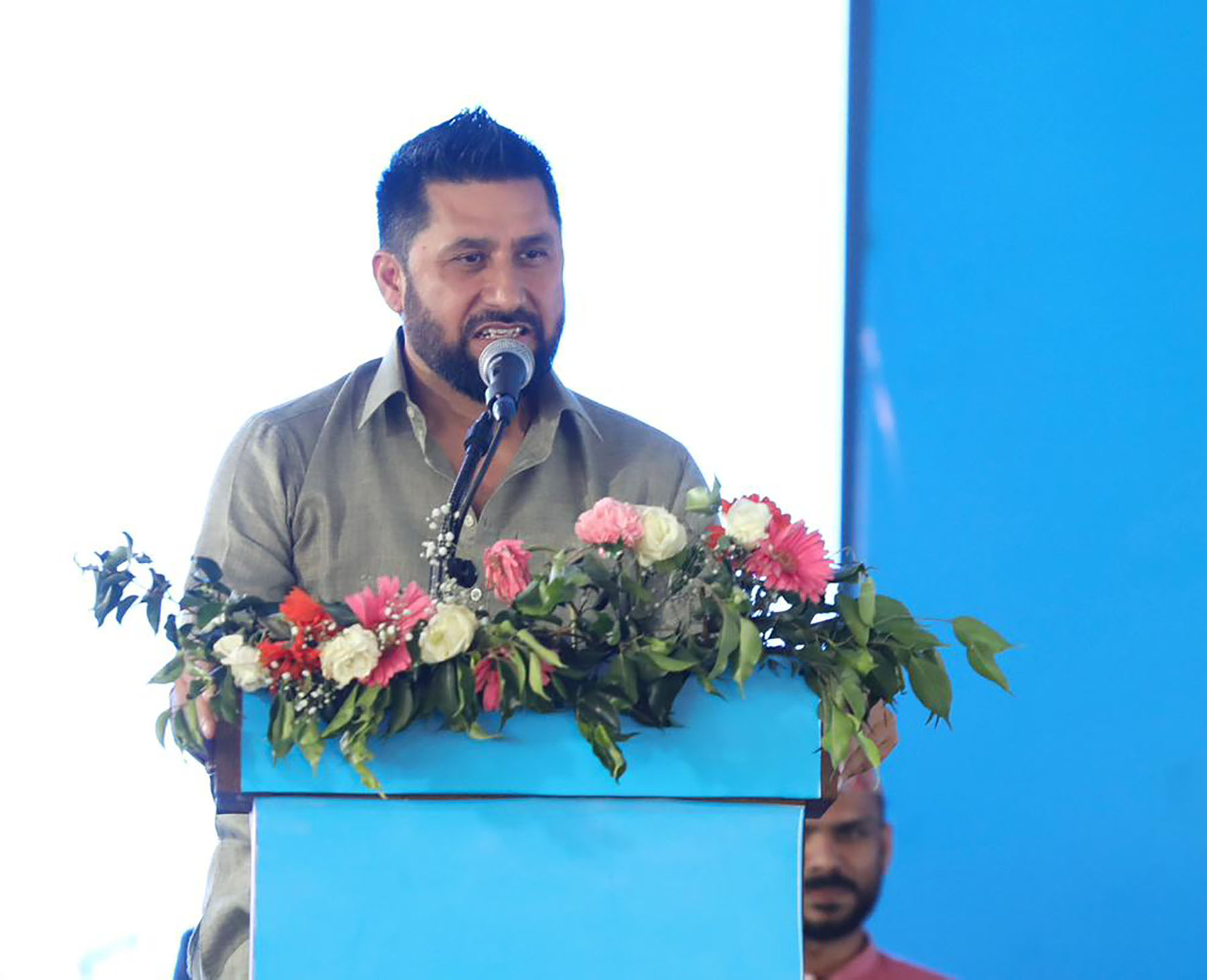
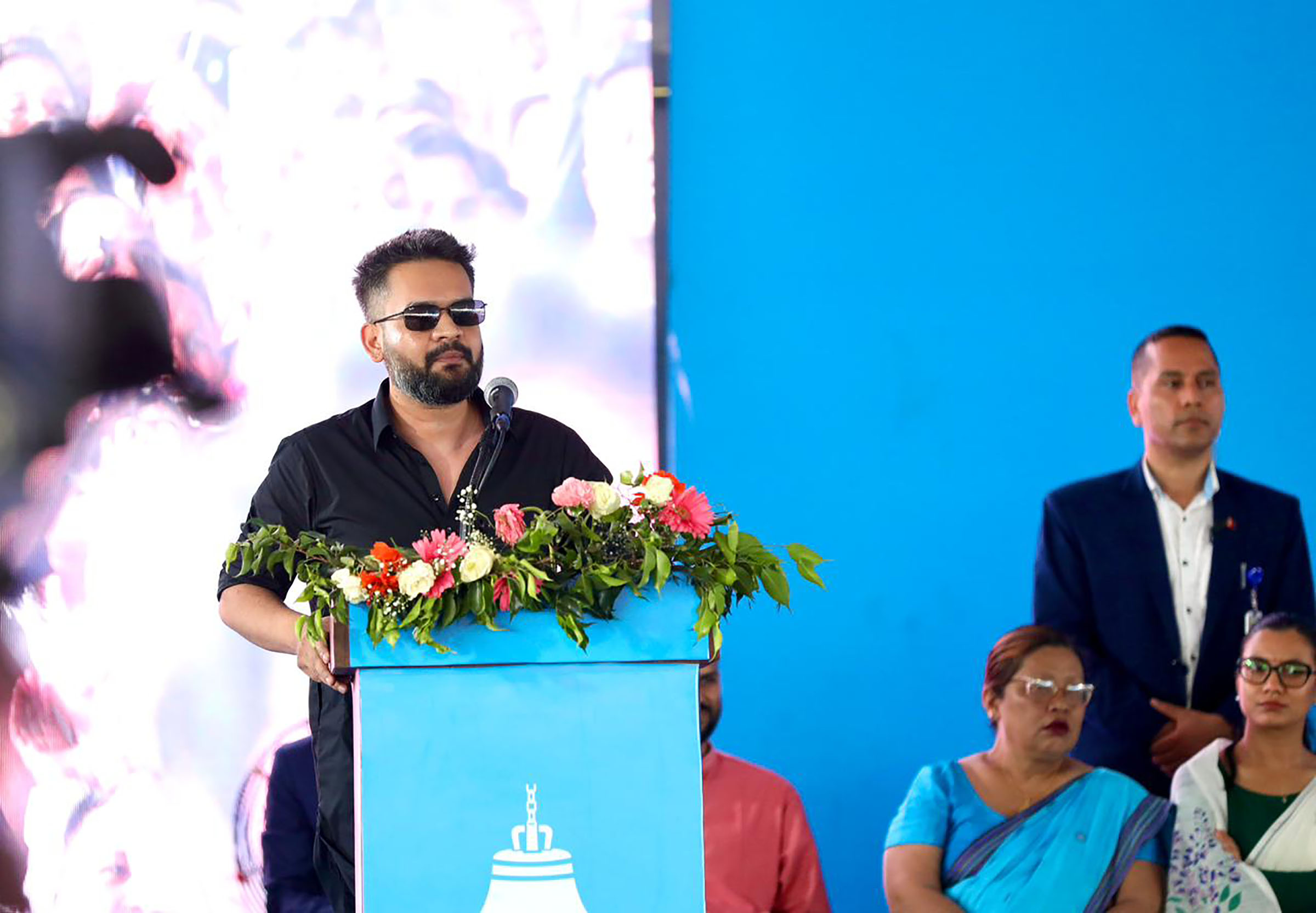
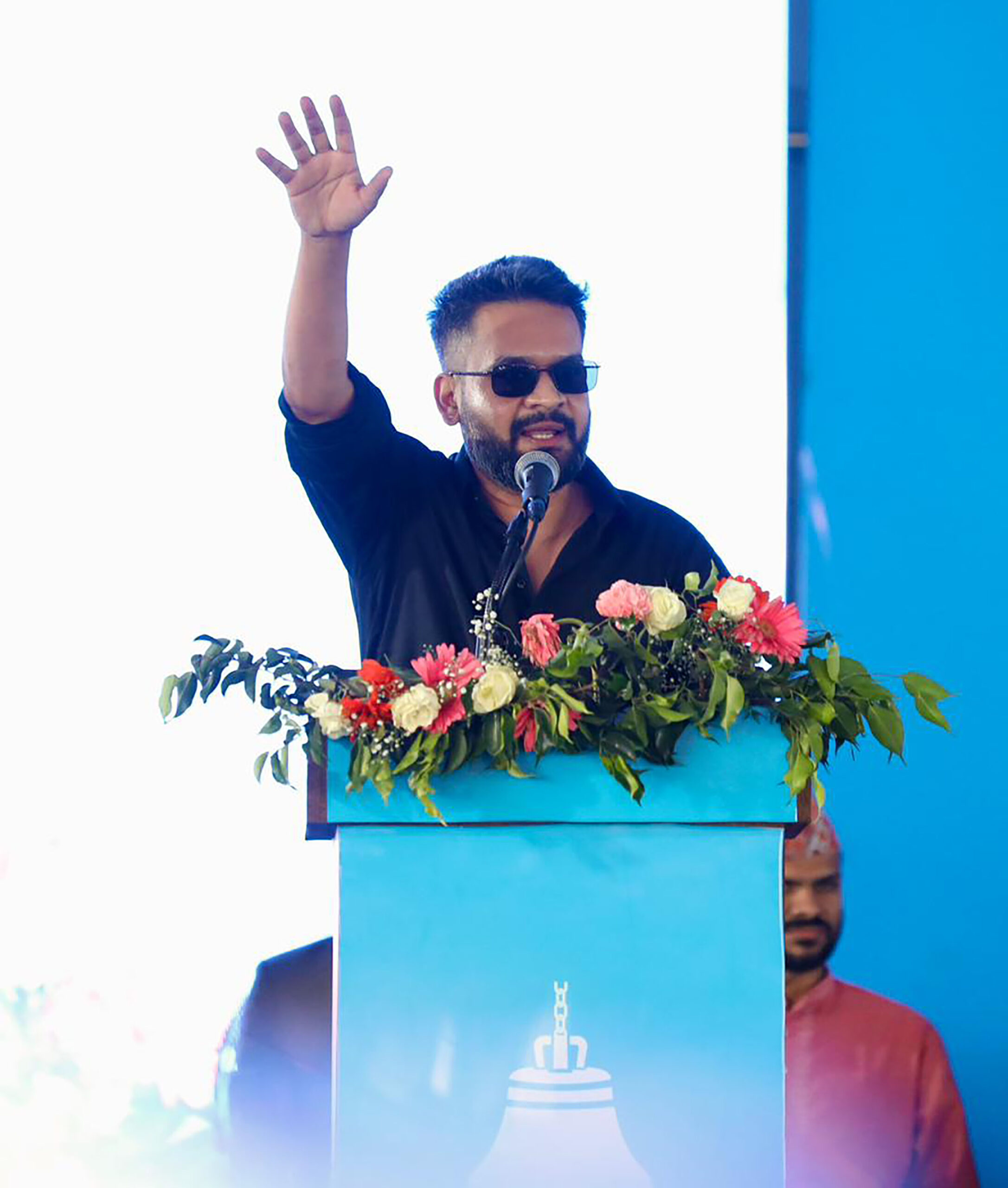
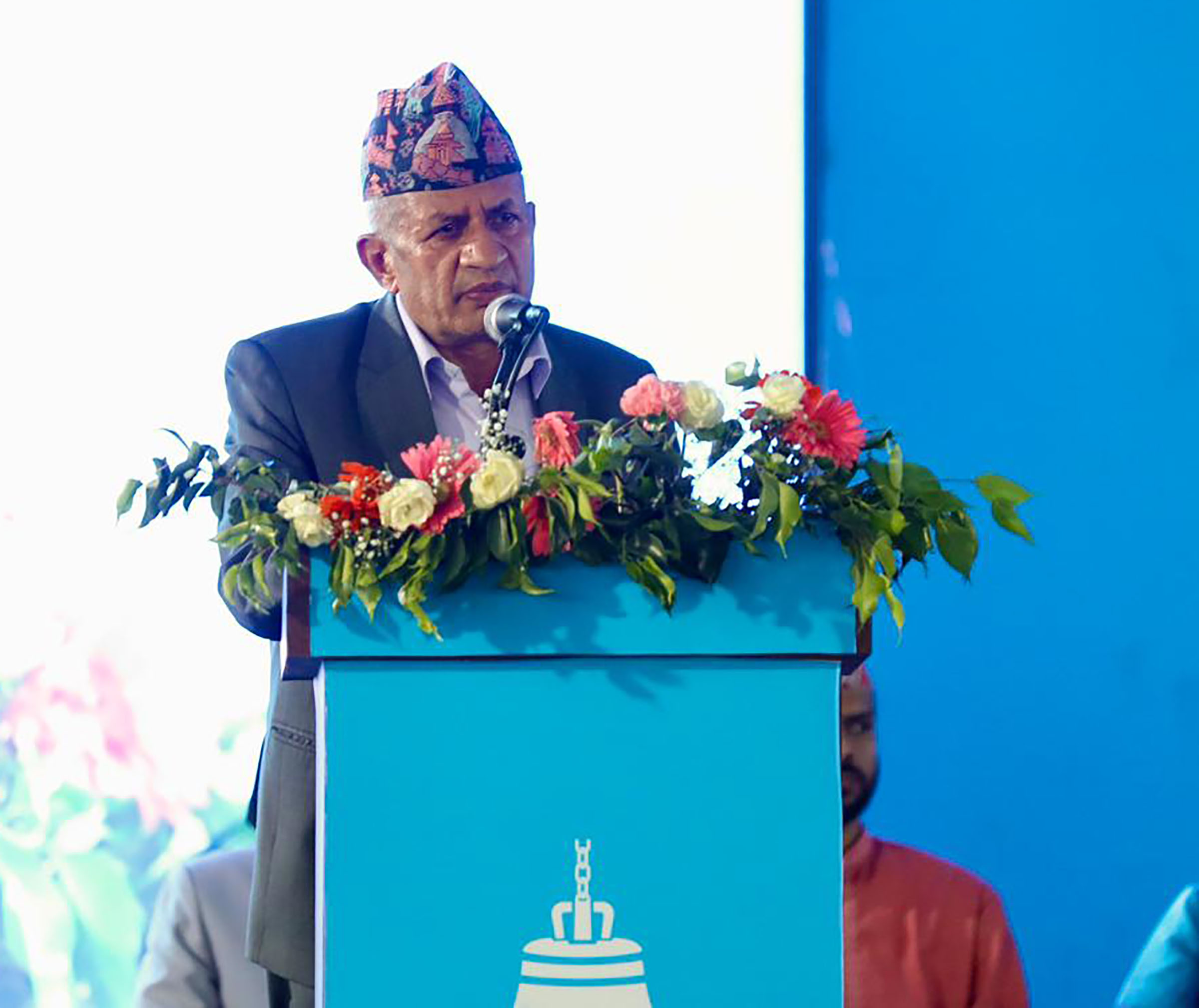
KATHMANDU: Senior leader of the CPN-UML, Pradeep Gyawali, has dismissed the growing discussion around a possible political alliance among Rastriya Swatantra Party Chair Rabi Lamichhane, Kathmandu Metropolitan City Mayor Balendra (Balen) Shah, and Nepal Electricity Authority Managing Director Kulman Ghising as nothing more than an “emotional wave.”
As debates intensify over the rise of new political forces and growing public frustration with traditional parties, Gyawali shared his views through social media, arguing that nation-building cannot be achieved through any “miraculous” or “magical” individual. He likened the current hype to the script of a South Indian film.
“There is an attempt to create a narrative that Nepal has not been built so far simply because certain individuals did not come together,” Gyawali wrote. “It resembles the illusion seen in South Indian movies, where a hero steps onto the stage, stomps his foot, a storm erupts, and all villains are instantly defeated.”
He cautioned against the belief that such a political convergence would produce a “savior” capable of liberating the country. According to Gyawali, sustainable nation-building requires ideas, institutions, systems, and collective effort—not individuals alone.
In a veiled critique of so-called new and alternative political forces, Gyawali also commented on their past and present approaches. He described the shift from “burning Singha Durbar or celebrating when it burns” to attempting to reach Singha Durbar through democratic competition as positive and natural. However, he stressed that there is a clear difference between unity based on shared ideas and unity driven by shared interests, adding that only time will test the true nature of such alliances.
Recalling the media “euphoria” during the Maoist movement two decades ago, Gyawali compared the current discourse to a similar, short-lived media hype. “Back then, helicopters were chartered to cover news of ‘people’s governments,’ and violence was glorified,” he wrote. “Today, that media hype has vanished like the scent of camphor. Whether a horse is strong or not is decided only by a long race.”
Gyawali further accused new political forces of lacking clear alternatives on serious issues such as governance systems, economic policy, geopolitical balance, and constitutional protection. Instead, he argued, they rely mainly on negativity, rejection, and hatred.
Urging his supporters and the broader public to act with reason rather than emotion, Gyawali concluded with a warning: “The moment of shattered illusions is extremely painful.”