Gen Z protests shake Nepal: Foreign athletes declare country unsafe
Foreign athletes were particularly affected when protestors set fire to the hotels where they were staying, destroying personal belongings despite repeated pleas to safeguard them.

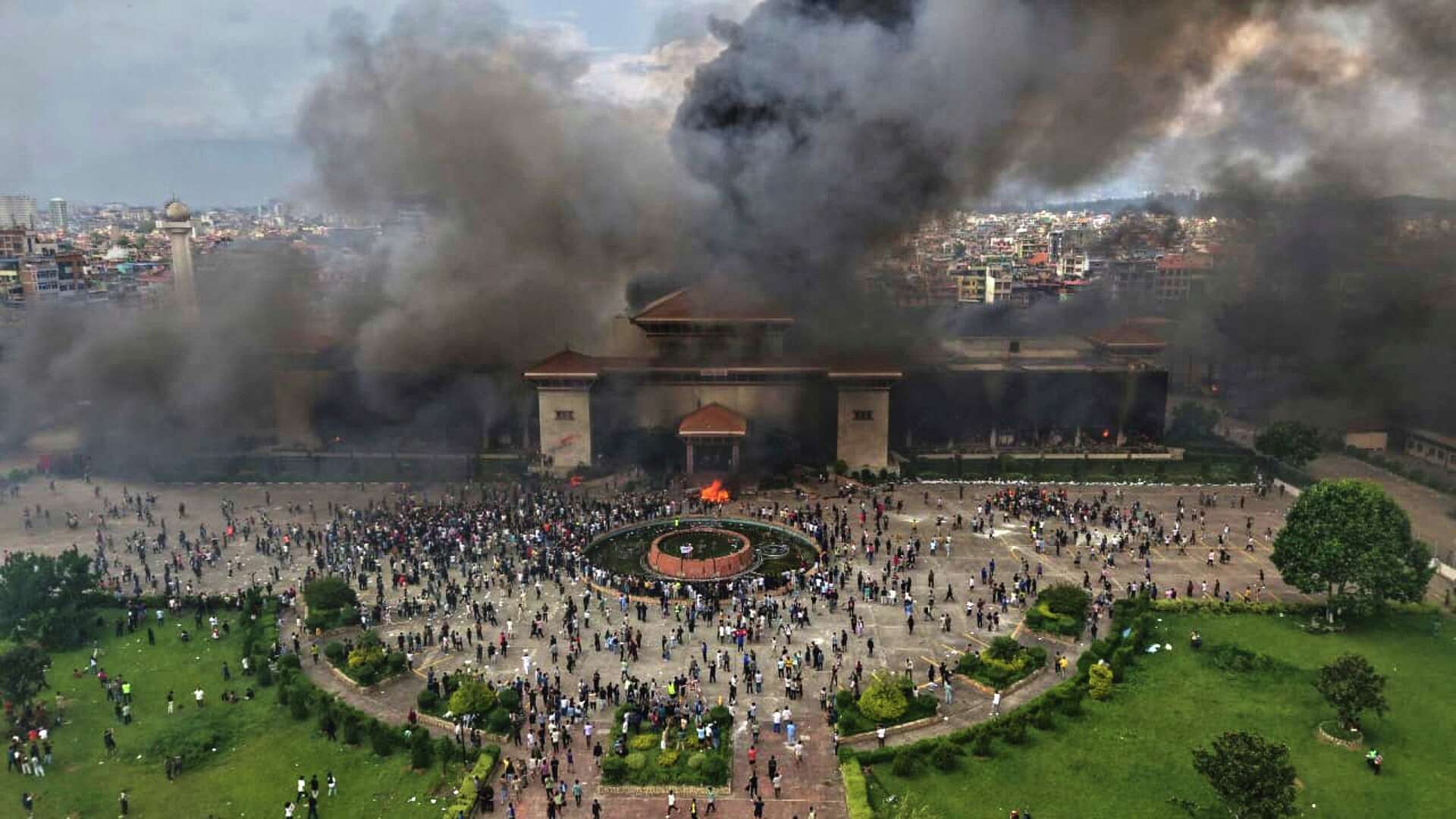
KATHMANDU: The recent Gen Z movement in Nepal escalated into a violent upheaval, leaving numerous government and private infrastructures engulfed in flames and reduced to ashes.
The full extent of the damage remains unclear, and restoring these structures to their former state will take considerable time.
Experts warn that this unrest will have long-term repercussions on the national economy.
During the peak of the protests, much of the country came to a standstill. Meanwhile, a new interim government, led by former Chief Justice Sushila Karki, has been formed.
As a caretaker electoral government, expectations for significant immediate action over the next six months are limited, leaving several sectors, including sports and tourism, particularly vulnerable.
Impact on Sports
Prior to the unrest, Nepal’s national and international sporting events were in various stages of preparation. However, many of these events have now been postponed, while some ongoing competitions were abruptly halted.
Before the movement, the Nepal Olympic Committee (NOC) had already been facing internal disputes, but aside from that, sports activities were running smoothly.
Athletes were actively engaged in daily practice, and some sports federations were conducting events according to their regular calendars.
In Pokhara, the franchise-based Everest Women’s Volleyball League was underway, attracting high-caliber players from Europe, the Americas, South America, and Asia.
This influx of talent had raised hopes for the growth of women’s volleyball in Nepal.
However, the protests disrupted the franchise volleyball league. Foreign athletes were particularly affected when protestors set fire to the hotels where they were staying, destroying personal belongings despite repeated pleas to safeguard them.
This incident has sent a concerning message internationally regarding Nepal’s safety as a sporting destination.
“We repeatedly requested for the players’ belongings to be protected, but they were not allowed to retrieve them. The foreign athletes were very upset, stating that they would never return to Nepal and warning others that the country is unsafe,” said a member of the organizing team.
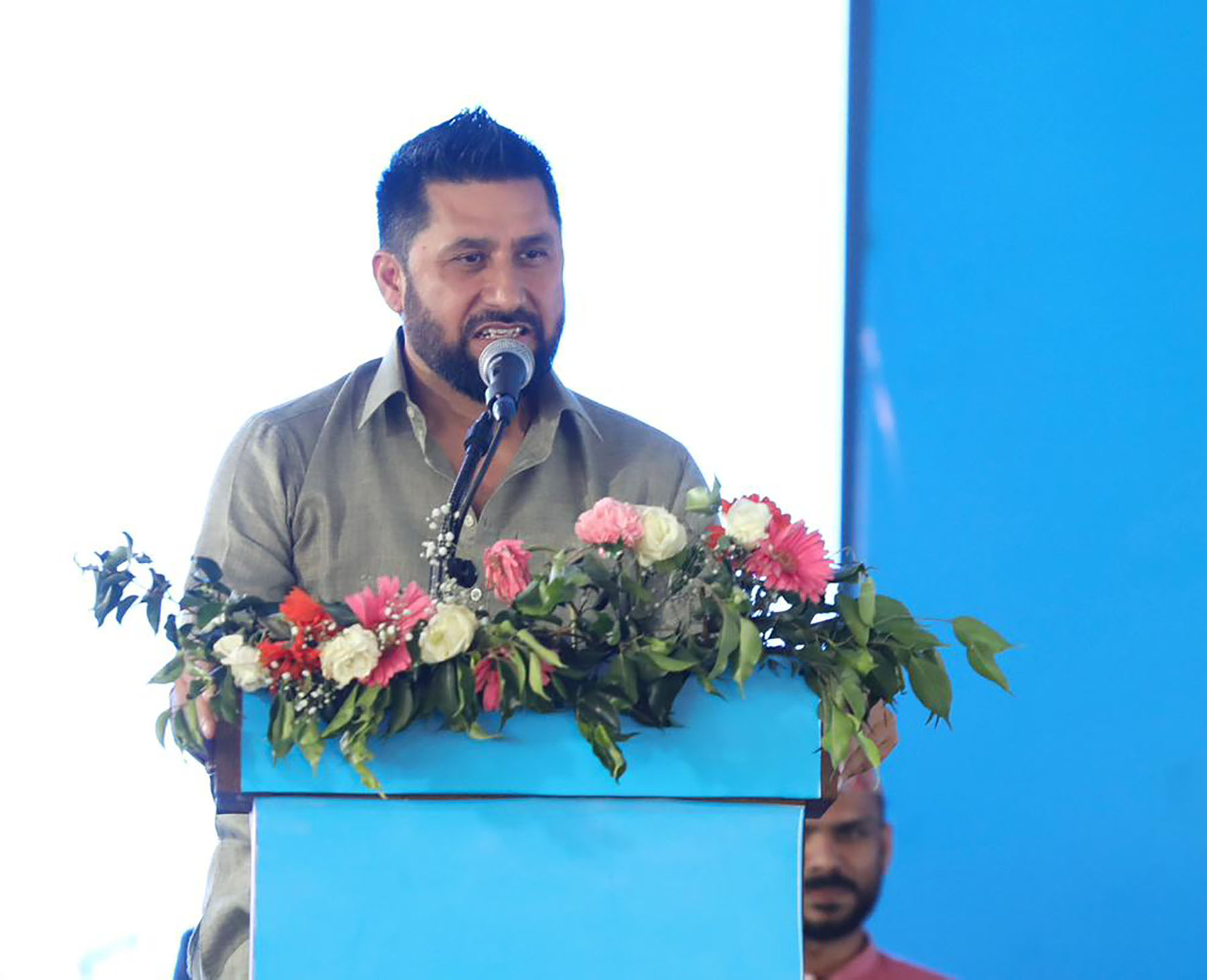
Amir Akhtar, the chief organizer, emphasized that the disruptions caused unforeseen damage, though the full extent is yet unknown.
“We took the bold step to organize the event, but the unexpected incidents affected all franchise leagues. Such events also impact the economy. Professional organizers invest in sports with enthusiasm, but now they are discouraged. This is a significant loss for Nepalese sports, and the repercussions will be felt for at least a year,” he said.
He further explained that among 18 foreign female athletes from 11 countries, several were traumatized by the attack on their hotel.
Some athletes lost documents and equipment in the fire, with passports barely saved.
Despite this, the organizers worked with the athletes to reassure them and mitigate negative international perceptions. Support from India’s MP Vikram Sahaani and the Indian Embassy helped ensure the broadcasting team could safely return to their home country.
Professional sporting events like the Nepal Premier League (NPL), Everest Women’s Volleyball League, Nepal Super League (NSL), and Nepal Kabaddi League have been vital in promoting sports in Nepal.
However, the current political instability threatens to hinder their long-term growth.
Preparations for the second edition of the NPL, scheduled from Mangsir 1 to 27, may also face disruptions.
The NPL trophy tour was affected, limiting Nepal Cricket Association (CAN) branding opportunities. Franchise teams, whose businesses suffered damages during the unrest, may delay resuming preparations.
Nevertheless, CAN spokesperson Chhumbi Lama stated that there is sufficient time remaining for NPL preparations and that national team training for the T20 World Cup qualifiers against the West Indies will continue once the situation stabilizes.
Bangladesh and Nepal’s friendly football match was postponed due to the protests, causing difficulties for the visiting team. Several domestic events, including the Kavre Women’s Volleyball League, Nepalgunj Night Run, the second Mountain Marathon, and numerous other competitions, have also been suspended.
The Central Asian Volleyball Association (CAVA) Women’s Outdoor Volleyball League 2025, originally scheduled from November 15 to 22, was postponed following the protests and the resulting political instability. National teams preparing for the upcoming 20th Asian Games are also affected, as most athletes are affiliated with departmental teams such as the Army, Police, and Armed Police Force, and are currently engaged in their official duties.
Dipak Bista, Director of the National Team Preparatory Committee under the National Sports Council (Rakhap), confirmed that training will resume once conditions normalize.
Furthermore, the NSJF Pulsar Sports Awards, set for Bhadra 29 in Pokhara and running since 2060 BS, were disrupted when protestors set fire to the venue during final preparations, causing significant losses to the organizers.