SSP Kafle calls for end to arbitrary route permits, urges traffic reform
SSP Kafle said that route permits are being issued without properly assessing road conditions, geographical risks, and vehicle suitability.

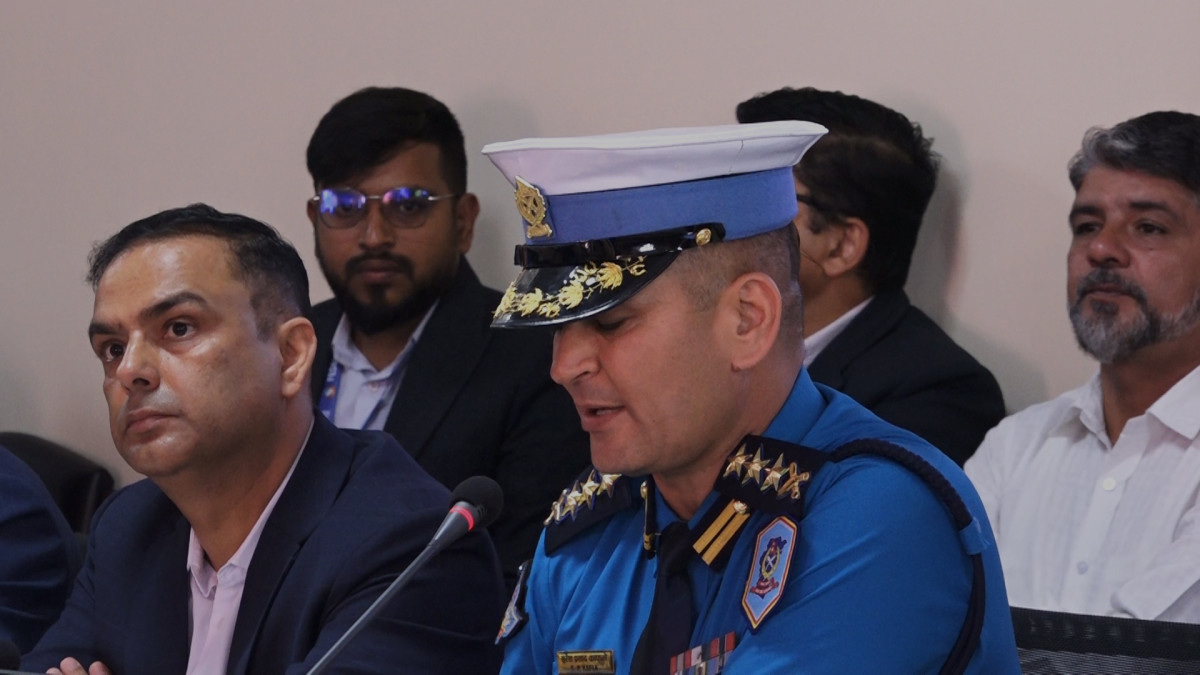
KATHMANDU: Kathmandu Valley Traffic Police Office Chief, Senior Superintendent of Police (SSP) Suresh Prasad Kafle has called for an immediate end to the arbitrary distribution of route permits, warning that the practice is significantly contributing to rising road accidents and worsening traffic congestion across Nepal.
Speaking at a meeting of the House of Representatives’ Infrastructure Development Committee, SSP Kafle said that route permits are being issued without properly assessing road conditions, geographical risks, and vehicle suitability.
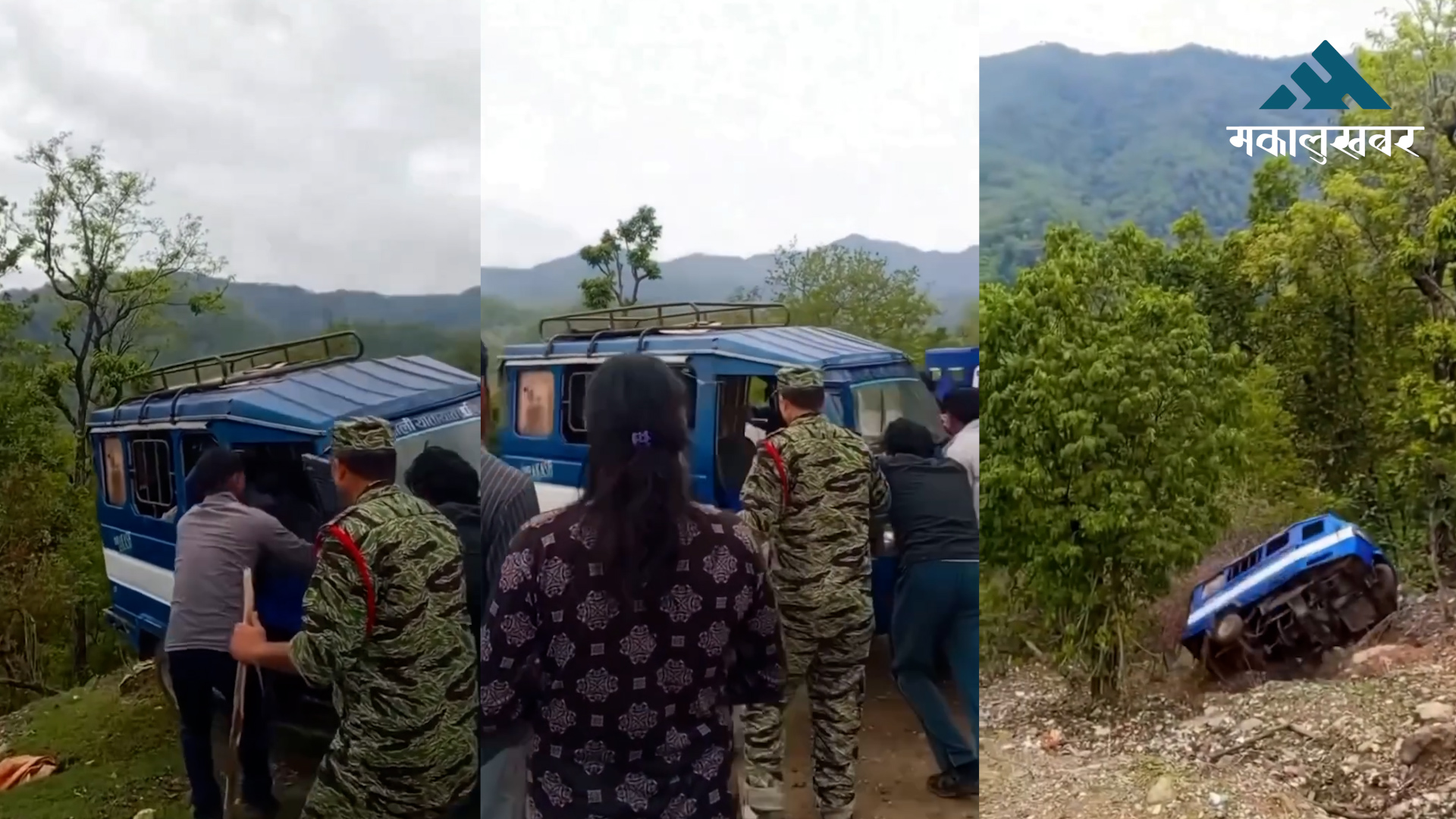
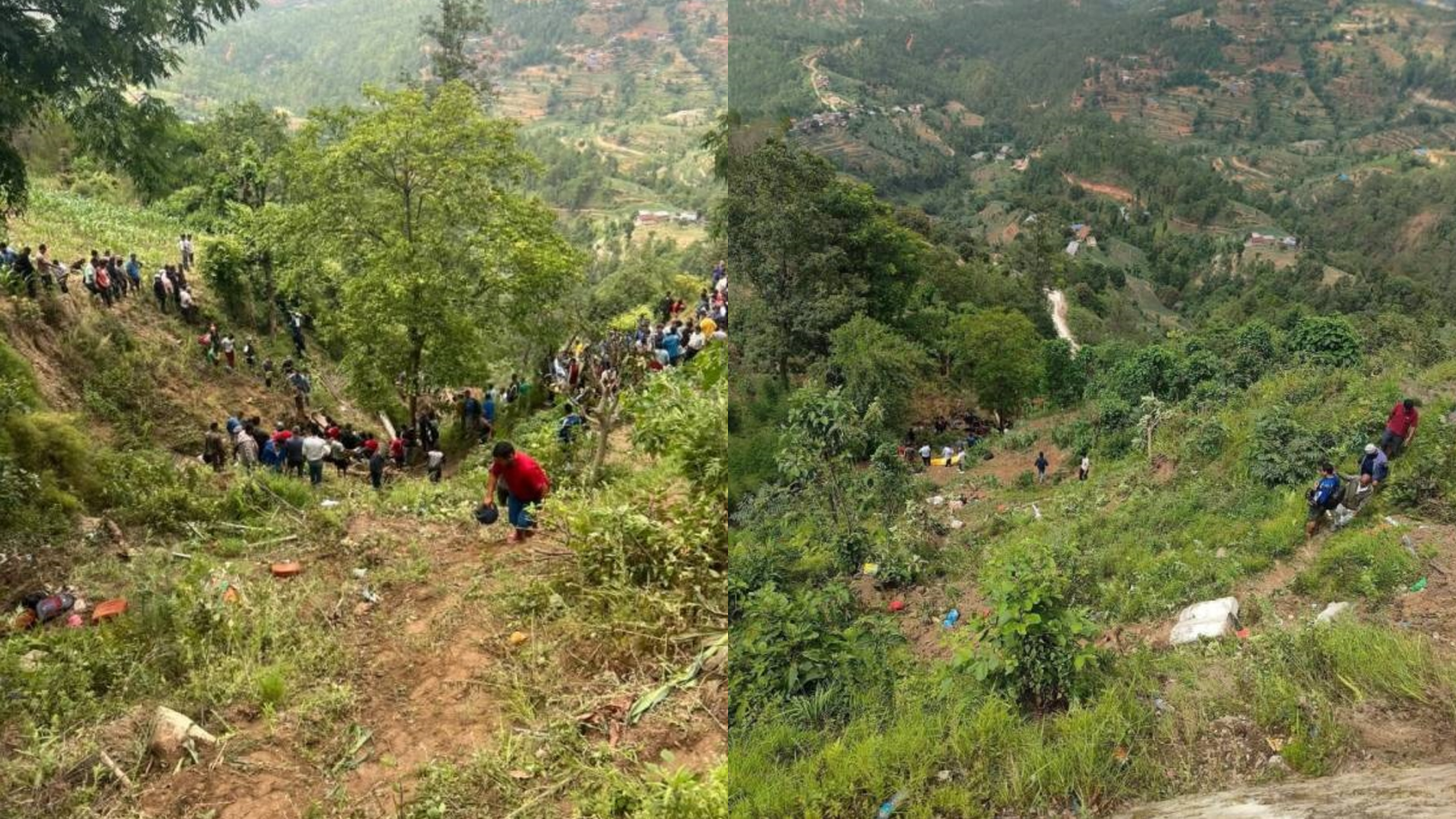
He cited high-risk mountainous regions such as Manang and Mustang, where large buses are still being permitted to operate without considering terrain limitations and road capacity, increasing safety hazards for passengers.
According to him, the lack of segregation between public, private, and two-wheeler vehicles on the same routes has made traffic management increasingly unmanageable, particularly on major corridors like Nagdhunga–Chitwan and the Pharping route, where freight trucks, buses, and private vehicles operate simultaneously.
Structural reforms in transport and enforcement
SSP Kafle emphasized the need for comprehensive structural reforms in Nepal’s public transport and freight systems, noting that the sector is largely operated by private companies with limited systemic regulation. He also highlighted unsafe loading practices, where goods are often placed haphazardly on roads, further increasing risk.
He proposed a sharp increase in traffic violation fines, suggesting penalties ranging from Rs 5,000 to Rs 50,000 to ensure stronger compliance with traffic rules.
Road damage linked to axle load differences
Raising concerns over infrastructure damage, Kafle pointed out that the western entry points into Kathmandu have suffered uneven road sinking. He attributed this to differences in axle load standards between Nepal and India, arguing that overloaded vehicles entering from India are contributing to long-term road degradation.
He stressed the need for harmonized load regulations between the two countries or improvements in road design standards to address the issue.
Rising vehicle pressure in Kathmandu
Presenting data, he informed the committee that Nepal currently has 6.24 million registered vehicles, with around 2 million operating daily in the Kathmandu Valley alone. On average, 2,500 vehicles enter Nepal from India every day, further adding pressure to already strained infrastructure.
However, traffic management is being carried out by a force of only around 2,500 personnel, creating a severe manpower imbalance.
Push for smart traffic systems
SSP Kafle also recommended the adoption of AI-based traffic light systems to improve flow efficiency and reduce congestion in urban areas, marking a shift toward technology-driven traffic management.
He concluded that without urgent reforms in permitting, enforcement, freight regulation, and infrastructure planning, Nepal’s traffic crisis will continue to intensify.