Private ssector urges VAT removal on raw materials to boost exports
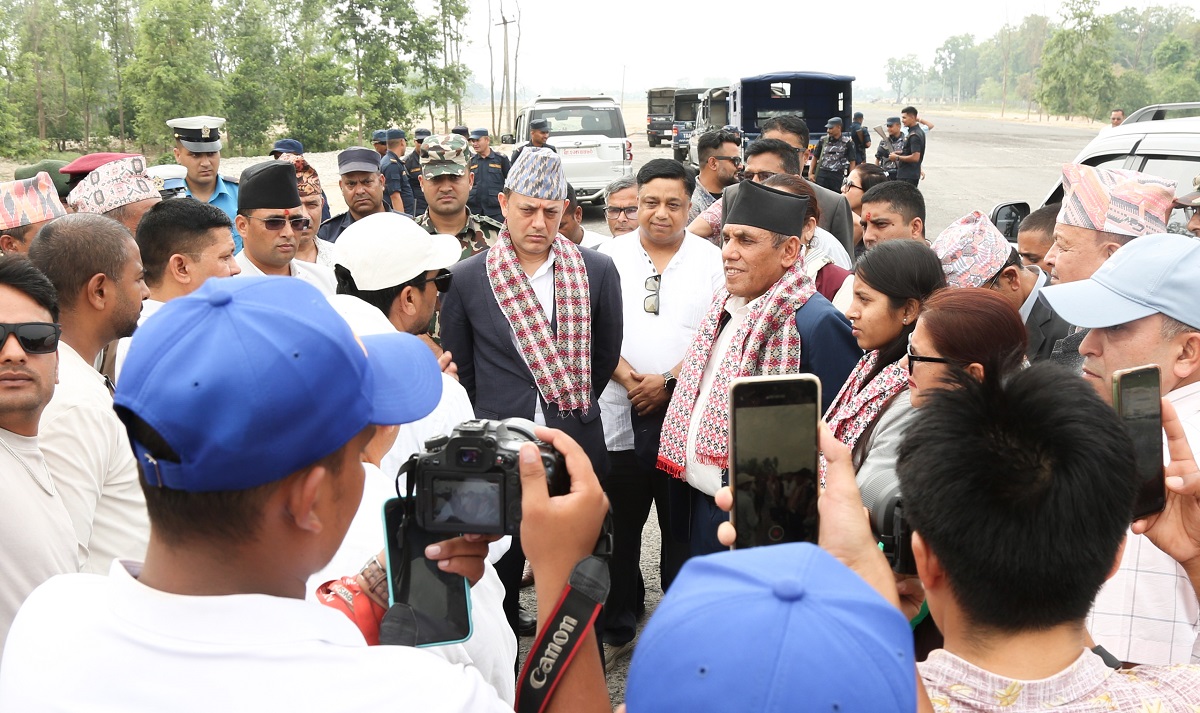
The remarks came during the 28th Annual General Meeting and 10th Export Day organized by the Nepal Export Council.

KATHMANDU: Leaders of Nepal’s private sector have called for the removal of VAT on raw materials, arguing that the tax discourages export-oriented industries.
The remarks came during the 28th Annual General Meeting and 10th Export Day organized by the Nepal Export Council.
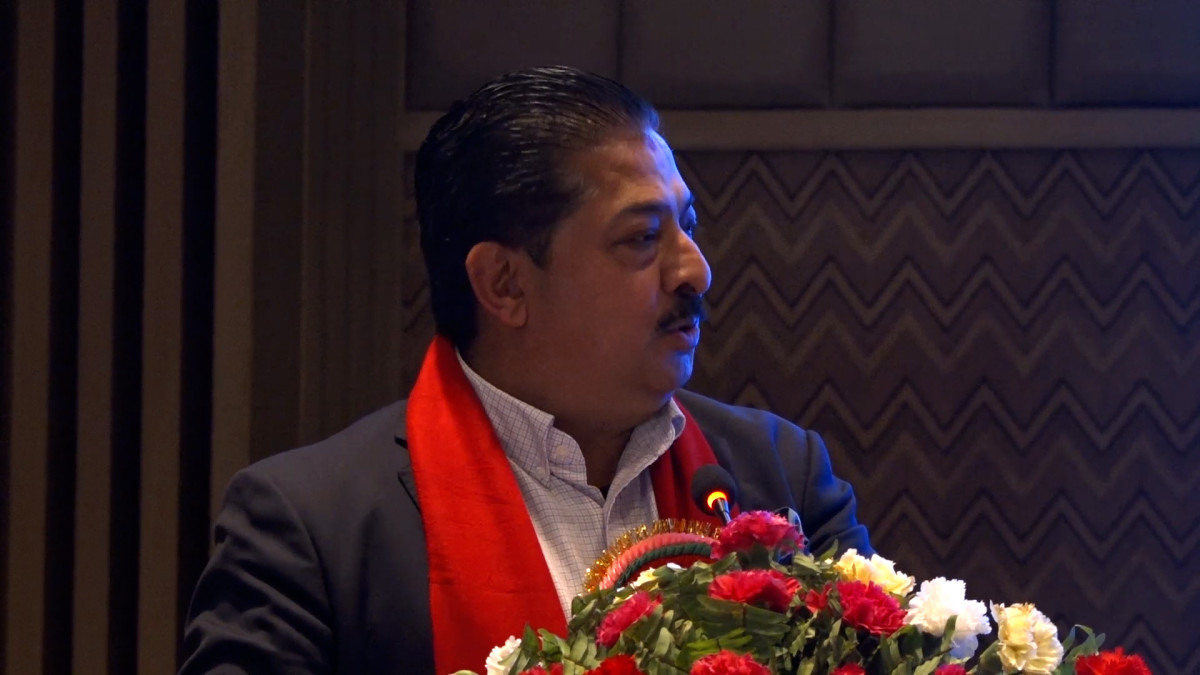
Speaking at the event, Senior Vice President of the Federation of Nepalese Chambers of Commerce and Industry (FNCCI) Anjan Shrestha emphasized that most raw materials for industries are imported and taxing domestic raw materials hampers export trade.
He added that logistics costs have risen up to 35%, and transit times in Nepal take about two months compared to one month in other countries, urging the government to address these challenges.
“VAT on raw materials should be reviewed and removed to support the export sector,” Shrestha said.
FNCCI Chair Birendra Raj Pandey stressed the importance of boosting domestic production to strengthen the economy. He urged the government to adopt policies that increase consumption of locally made products, saying such measures would promote a self-reliant economy.
Similarly, Surendra Kumar Shrestha, Vice Chair of the Nepal Chamber of Commerce, highlighted the need for government support from production to marketing and called for special incentives for export-oriented industries. He also emphasized the importance of channeling bank investments effectively, noting that many industries still struggle due to a lack of investable funds.
Meanwhile, Minister for Industry, Commerce, and Supplies Anil Kumar Sinha acknowledged the critical role of exports in bringing in foreign currency but said the previous government had allocated only Rs 10,000 for export grants in the current fiscal year, making it impossible for the current government to provide significant subsidies.
Sinha added that the government is in the final stages of formulating new export incentive procedures and reaffirmed support for initiatives like Make in Nepal and Made in Nepal. He also noted that upgrading testing laboratories for quality control has faced delays due to previous setbacks.