Children used as human shields in Gen-Z protest: NHRC
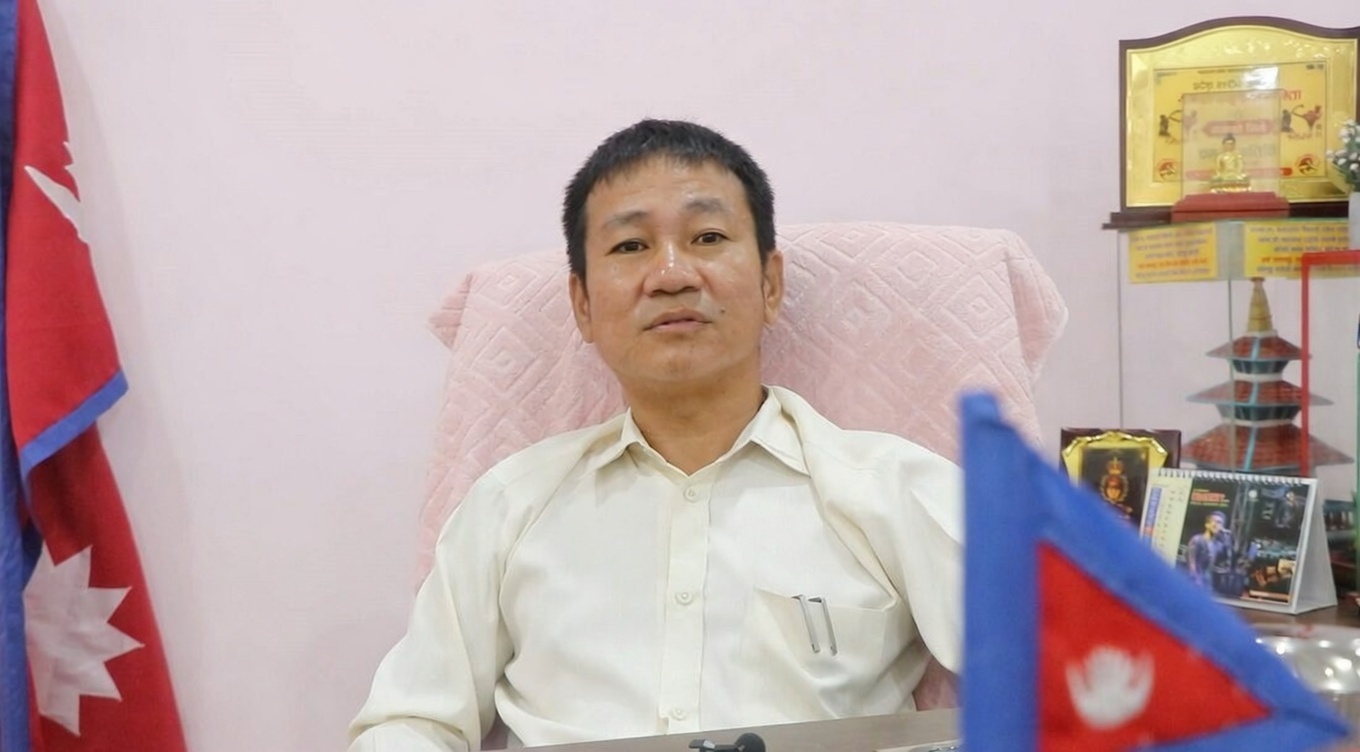
NHRC-appointed investigation committee coordinator and commission member Dr. Lilly Thapa stated that the incident represents a serious human rights concern from a rights-based perspective.

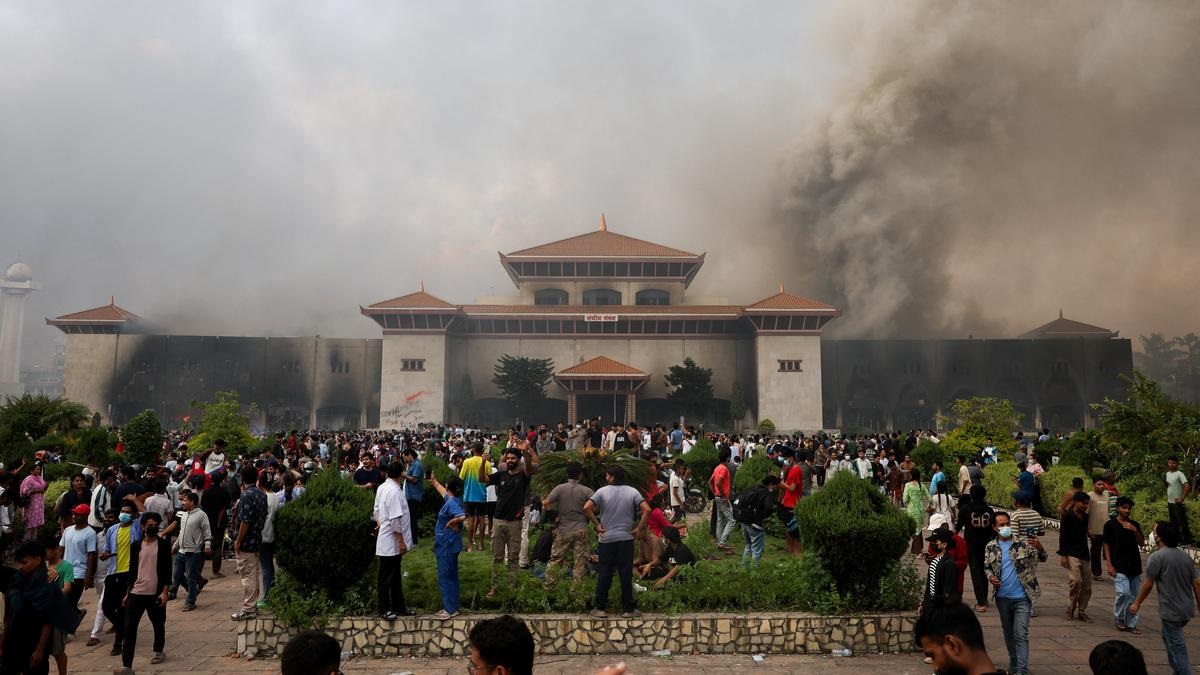
KATHMANDU: The National Human Rights Commission of Nepal (NHRC) has concluded that children were used as “human shields” during the Gen-Z movement that took place on Bhadra 23 and 24, while also identifying provocative roles that escalated violence.
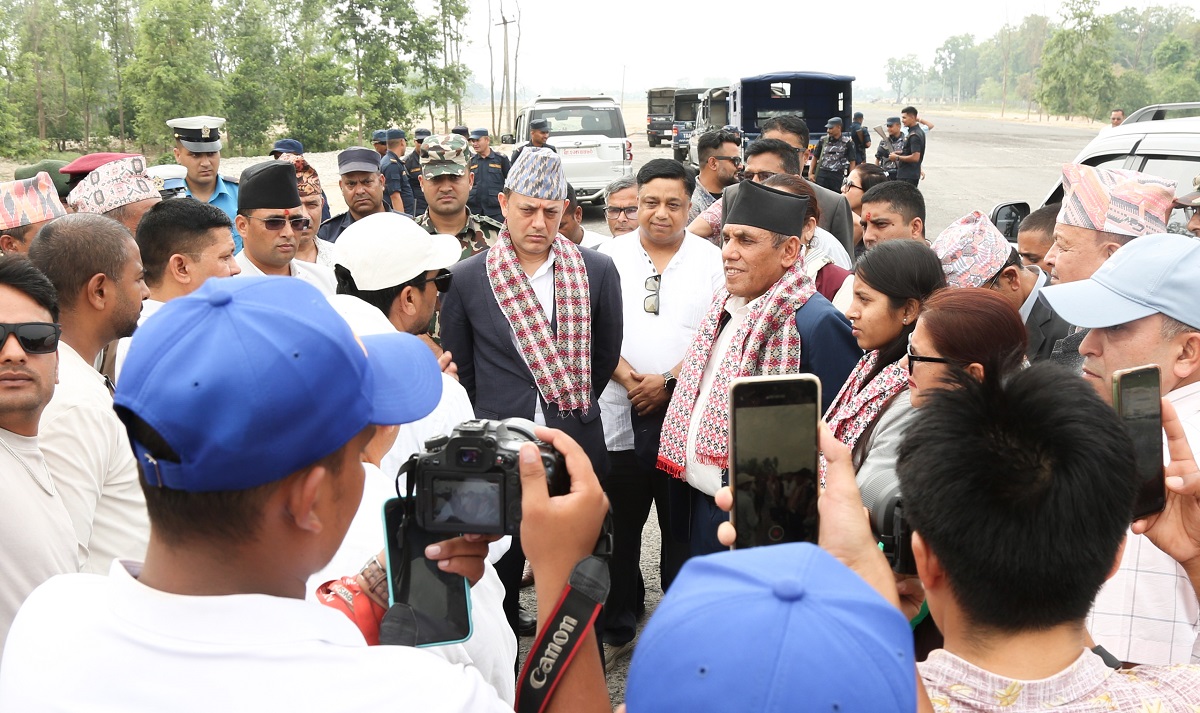
Speaking at an event organized at the central office of the Nepali Congress, NHRC-appointed investigation committee coordinator and commission member Dr. Lilly Thapa stated that the incident represents a serious human rights concern from a rights-based perspective.
Dr. Thapa clarified that the commission’s report is based strictly on evidence and analysis, rejecting claims that senior officials or the Prime Minister were selectively exempted.
She emphasized that the commission was not influenced by any political pressure and focused on the deaths of youths and the suffering of victim families.
According to her, the commission reviewed 437 video clips, with the assistance of external experts to determine whether they were real or AI-generated. Of these, around 30–35 videos were confirmed as authentic. The verified footage reportedly showed individuals—some of them high-profile figures and activists—engaging in or encouraging violent actions.
The NHRC further stated that children were deliberately placed at the front lines as “human shields,” and there were instructions captured in videos related to making bombs and provoking attacks against security forces. Such actions, the commission noted, constitute serious violations under the UN Convention on the Rights of the Child, which Nepal has ratified.
The commission has identified 54 individuals allegedly involved in a “provocative role” during the movement. While some of them have denied involvement, the NHRC said the evidence suggests their roles require further review and investigation, recommending a reassessment process rather than immediate criminal conclusion.
Regarding the role of the security forces, Dr. Thapa clarified that the Nepal Army has not been absolved. Instead, the report recommends that responsible commanders be cautioned and instructed to ensure such incidents are not repeated in the future, with cooperation from the commission.
She also addressed criticism regarding the absence of the Prime Minister’s name in the report, stating that the findings were made after careful and independent analysis focused on human rights violations rather than political considerations.
“We have not worked under fear or pressure. The report is based on human rights assessment, the pain of victims’ families, and factual analysis,” she said.
The NHRC has urged the government to ensure accountability, prevent future recurrence, and take necessary legal action against those responsible for human rights violations.