Only 40% of rescued street-dependent people reunited with families
Krishna Poudel, Kathmandu Valley In-Charge of the Human Service Ashram, said many people living on the streets today have families but end up there due to various personal, social, or economic challenges.

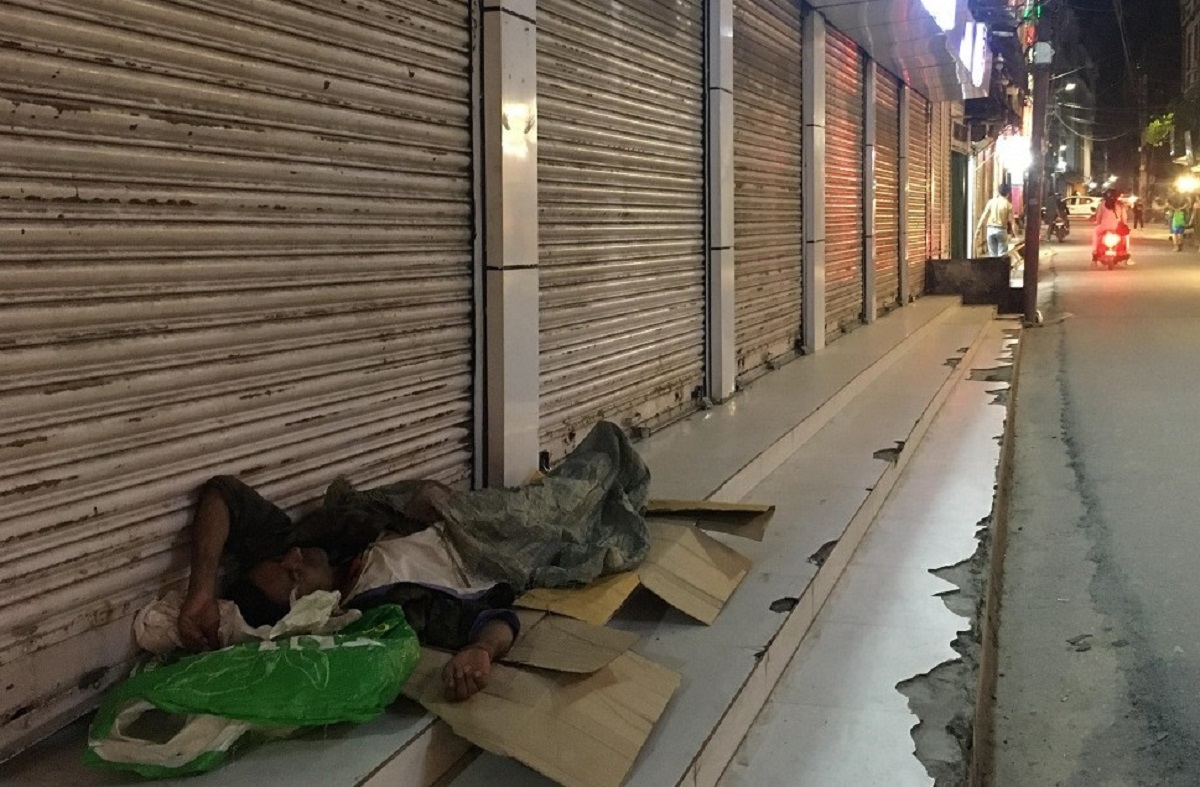
KATHMANDU: Only around 40 percent of rescued street-dependent individuals can be successfully reunited with their families, according to the Human Service Ashram.
Krishna Poudel, Kathmandu Valley In-Charge of the Human Service Ashram, said many people living on the streets today have families but end up there due to various personal, social, or economic challenges.
He noted that many are reluctant to return home, making family reunification difficult.
“Even after repeated efforts, only about 40 percent can be reunited with their families,” Poudel said. “Our primary responsibility and objective is to reconnect as many rescued individuals as possible with their families.”
To support this goal, authorities have established holding centers to verify the identities and backgrounds of street-dependent people before arranging family reunification. Two such centers are currently operating in the Kathmandu Valley.
One center, jointly run by the Kathmandu Metropolitan City, the Pashupati Area Development Trust, and the Human Service Ashram, has been operating in Tilganga, Ward No. 8, since May 6. The first group of 28 rescued individuals was accommodated there for identification and assessment.
During a visit to the facility, Acting Mayor Sunita Dangol reviewed its infrastructure, services, management, and the expectations of those receiving support. She reaffirmed the city’s commitment to making Kathmandu free of street dependency.
“We are leading efforts to make Kathmandu free from street-dependent homelessness,” Dangol said. “Those capable of working should be connected to employment opportunities, while the city will ensure dignified living arrangements for individuals who are unable to work and have no one to care for them.”
She stressed that family reunification remains the top priority and that only helpless and abandoned individuals should be placed in shelters. Dangol also interacted with rescued individuals to understand their family situations, reasons for living on the streets, health conditions, and expectations from both family members and the government.
The acting mayor instructed officials to ensure proper food, accommodation, and medical treatment for those in need. Among the rescued individuals currently at the center, four are experiencing mental health issues, while one elderly person was found injured after being attacked by a dog.
According to Poudel, the center has also accommodated people who use wheelchairs and crutches.
Of the 28 rescued individuals, six are women and the remainder are men. They come from various districts across Nepal, including Solukhumbu, Sarlahi, Makwanpur, Sankhu, Sunsari, Morang, Bara, Mahottari, Khotang, Dhankuta, Surkhet, and Dolakha.