NA meeting: MPs slam fuel prices, demand quake rebuild

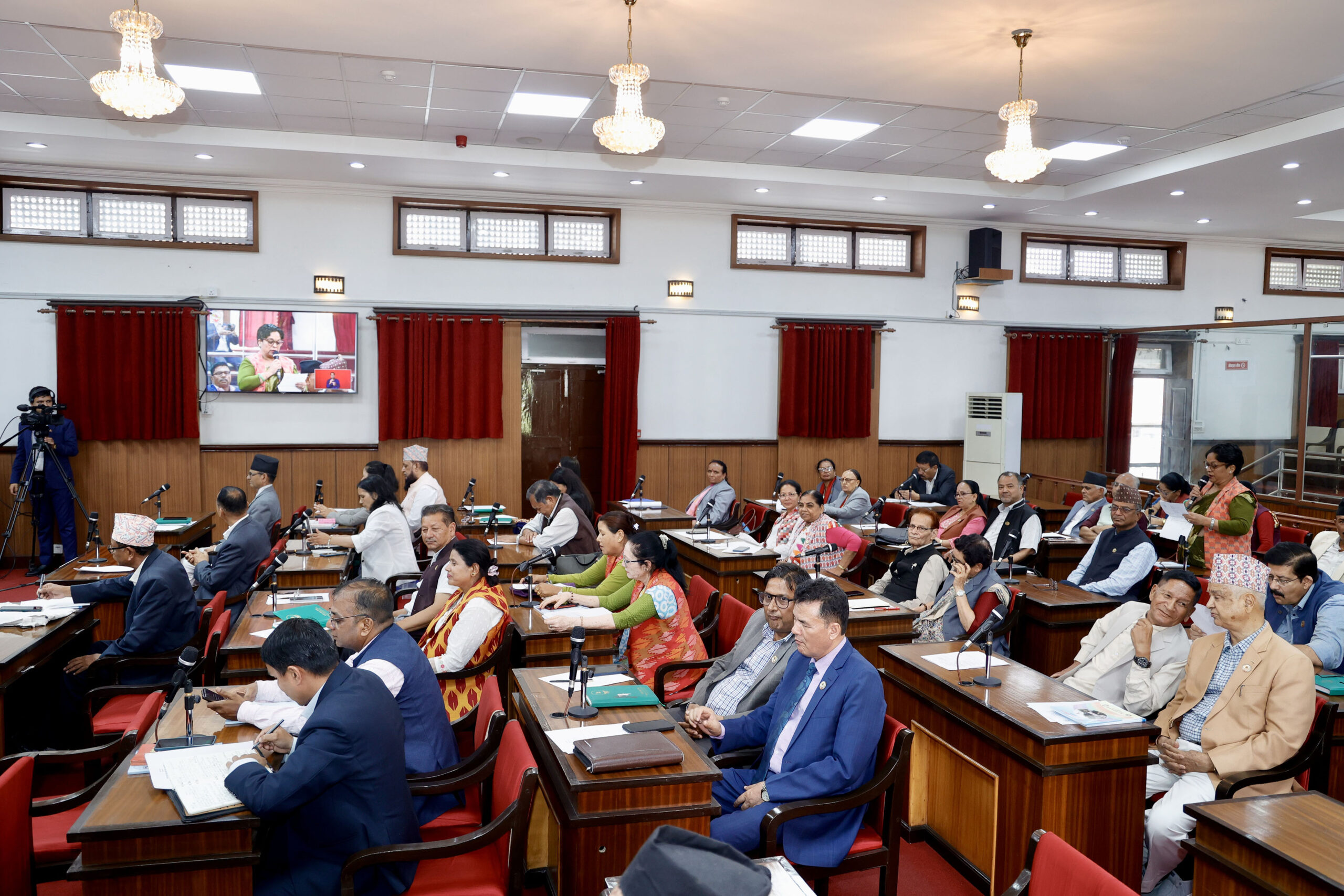
KATHMANDU: Lawmakers of the National Assembly have strongly criticized the government over rising inflation, fuel pricing, and delayed post-disaster reconstruction efforts.
Speaking during Friday’s session of the National Assembly, Nepal Communist Party (NCP) lawmaker Ghanshyam Rijal said that while international fuel prices have significantly declined, the benefits have not been reflected in the domestic market.
He accused the government of using “excuses” to avoid reducing fuel prices, arguing that this has directly fueled inflation across essential sectors.
Rijal stated that rising fuel costs have pushed up prices of medicines, public transportation, daily necessities, and construction materials, making everyday life increasingly difficult for citizens.
He also warned that higher input costs have disrupted infrastructure projects, affected hundreds of contractors, and led to job losses for thousands of workers. He urged the government to immediately reduce fuel prices and take concrete steps to ease the economic burden on the public.
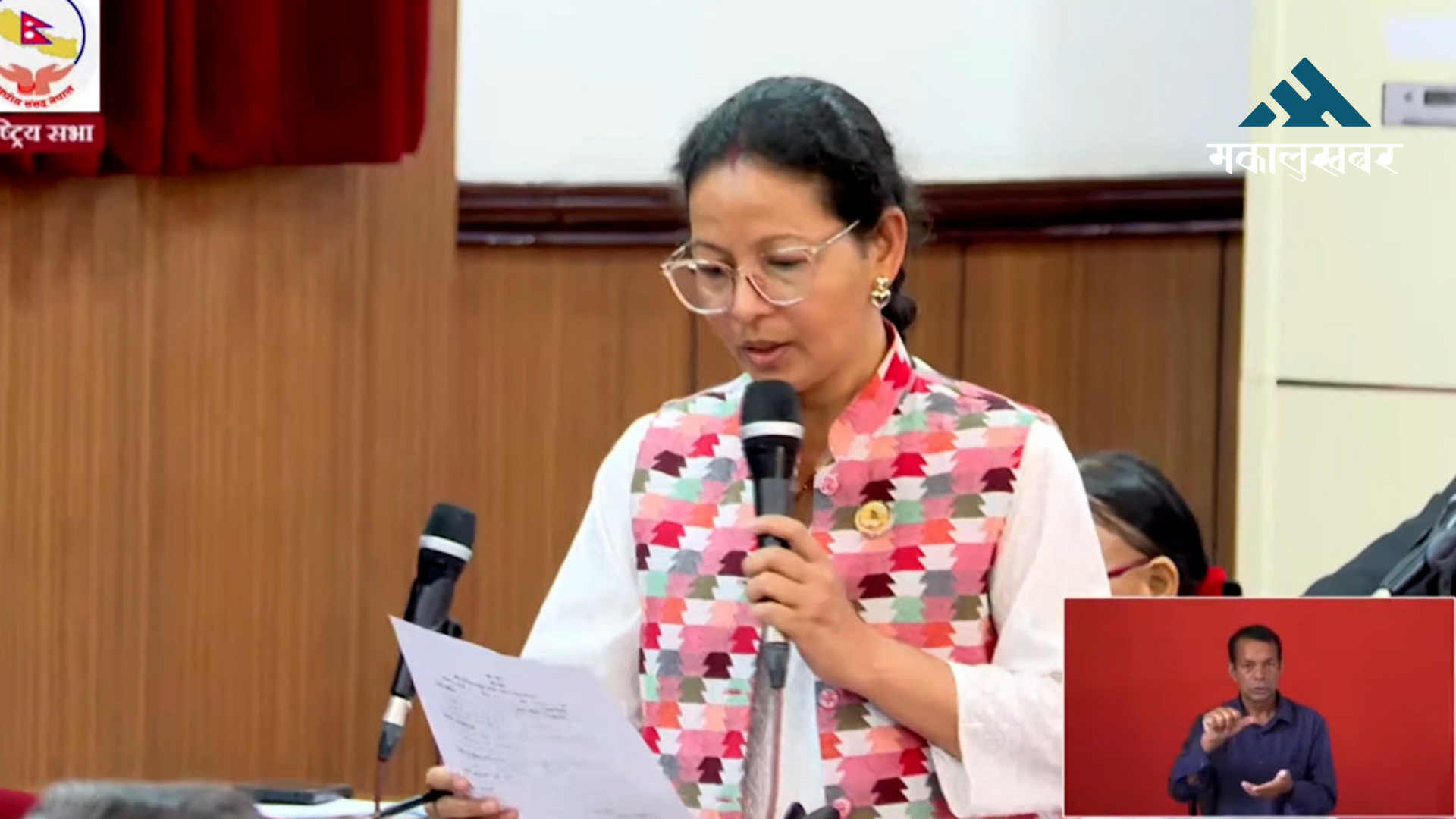
In a separate statement, Nepali Congress lawmaker Krishna Bahadur Rokaya demanded the immediate launch of reconstruction work in earthquake-affected areas of Jajarkot and Rukum West.
He expressed concern that even two and a half years after the 2080 Kartik 17 earthquake (centered in Ramidanda, Jajarkot), large-scale rebuilding efforts have yet to begin.
Rokaya criticized the government for failing to allocate sufficient funds in the upcoming fiscal budget for post-earthquake reconstruction.
He estimated that around Rs 22 billion is required for full reconstruction, while the disaster management fund reportedly holds only Rs 270 million.
He also noted that around 19,000 beneficiaries have been identified in Rukum West alone following detailed damage assessments, but reconstruction has not moved forward despite completion of detailed data collection by local wards.
Both lawmakers urged the government, through the National Assembly, to prioritize reconstruction funding and accelerate relief efforts in the affected regions.