In pics: Remains of a squatter settlement
Government had removed makeshift shelters and structures occupied by informal settlers in areas including Thapathali, Gairigaun, Manohara, and Balaju as part of an ongoing campaign to clear encroachments and expand the river corridor.

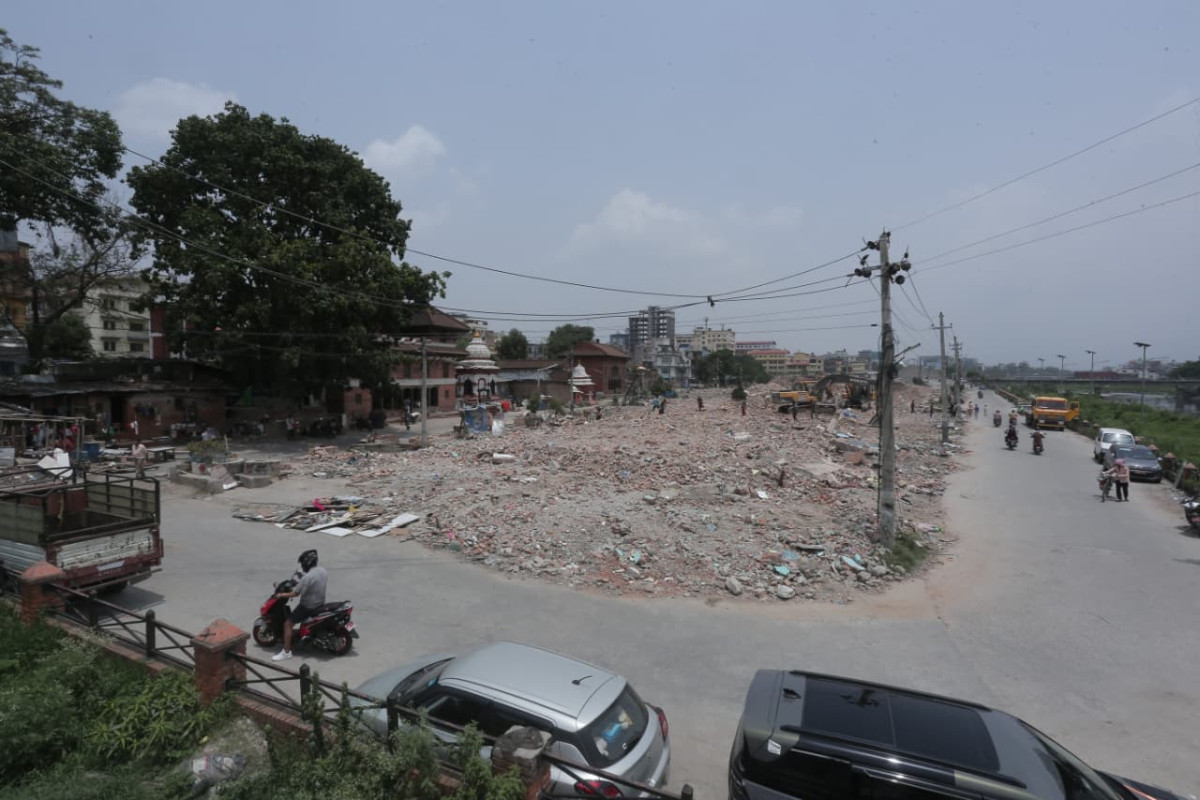
KATHMANDU: The riverside area of Thapathali in Kathmandu Valley has turned into a desolate stretch of open land nearly a month after authorities carried out a large-scale demolition of unauthorized settlements along the Bagmati River corridor.
Government had removed makeshift shelters and structures occupied by informal settlers in areas including Thapathali, Gairigaun, Manohara, and Balaju as part of an ongoing campaign to clear encroachments and expand the river corridor.
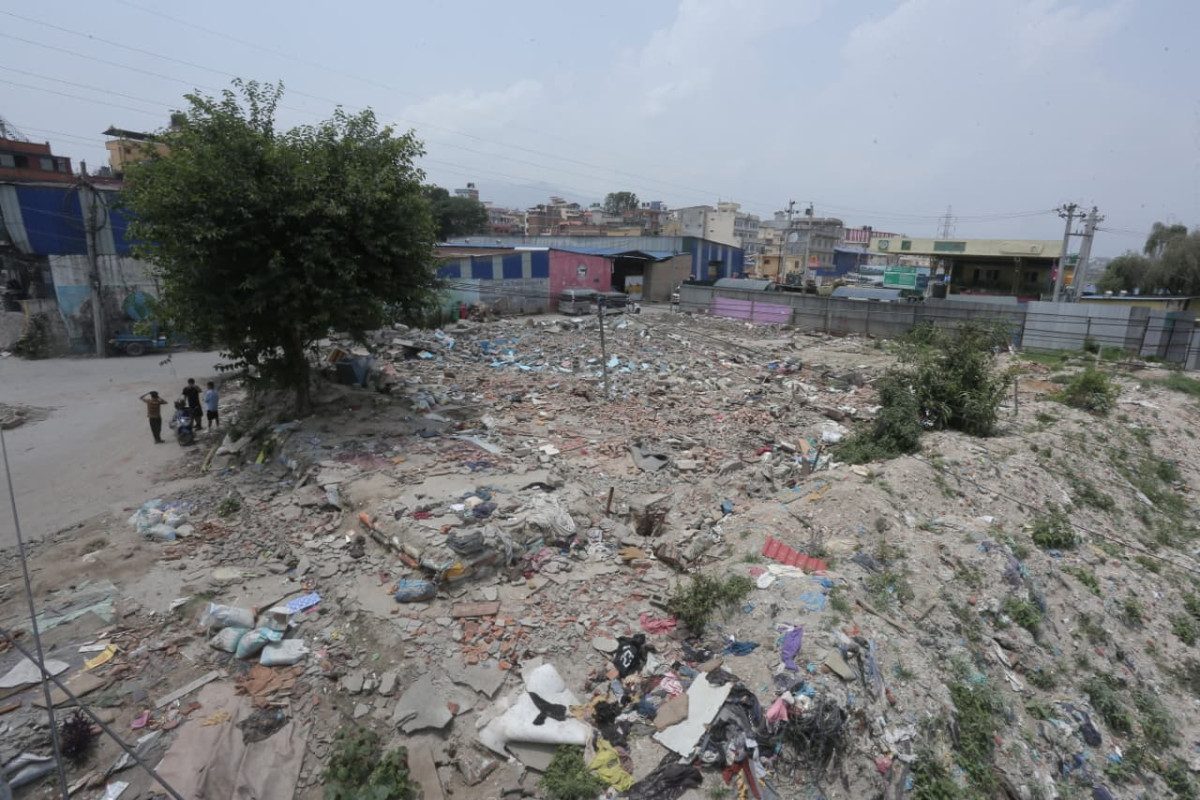
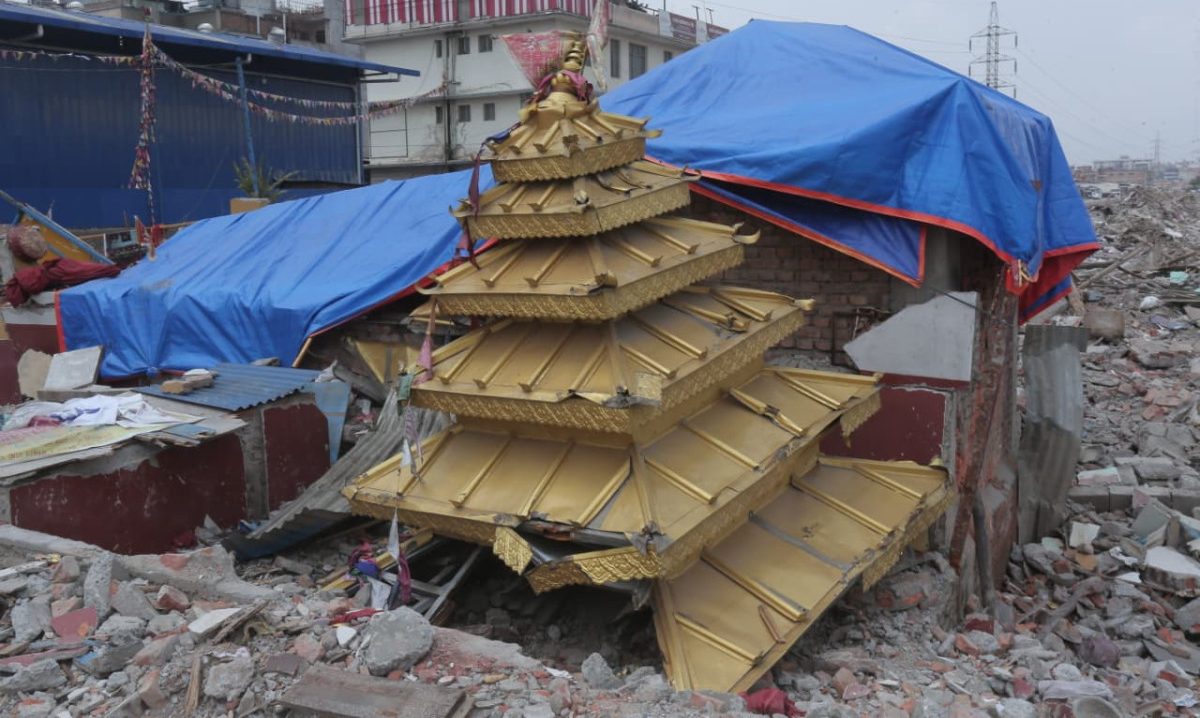
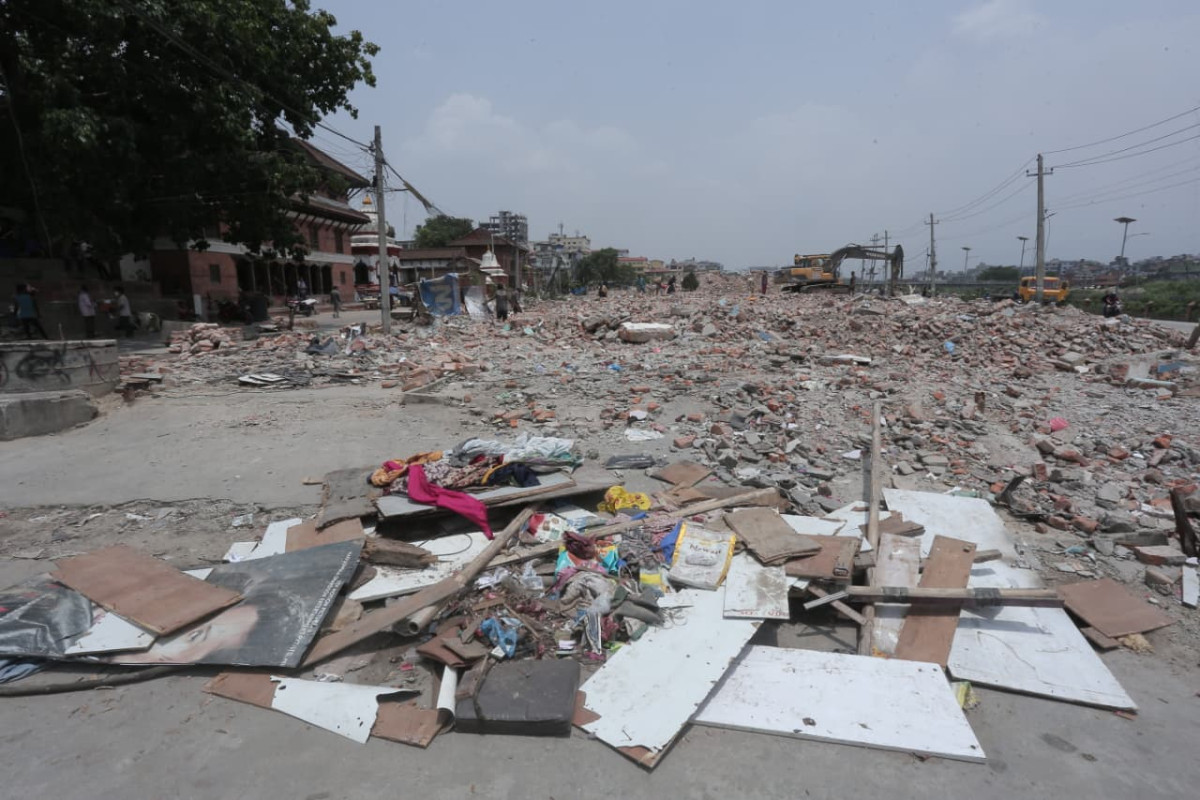
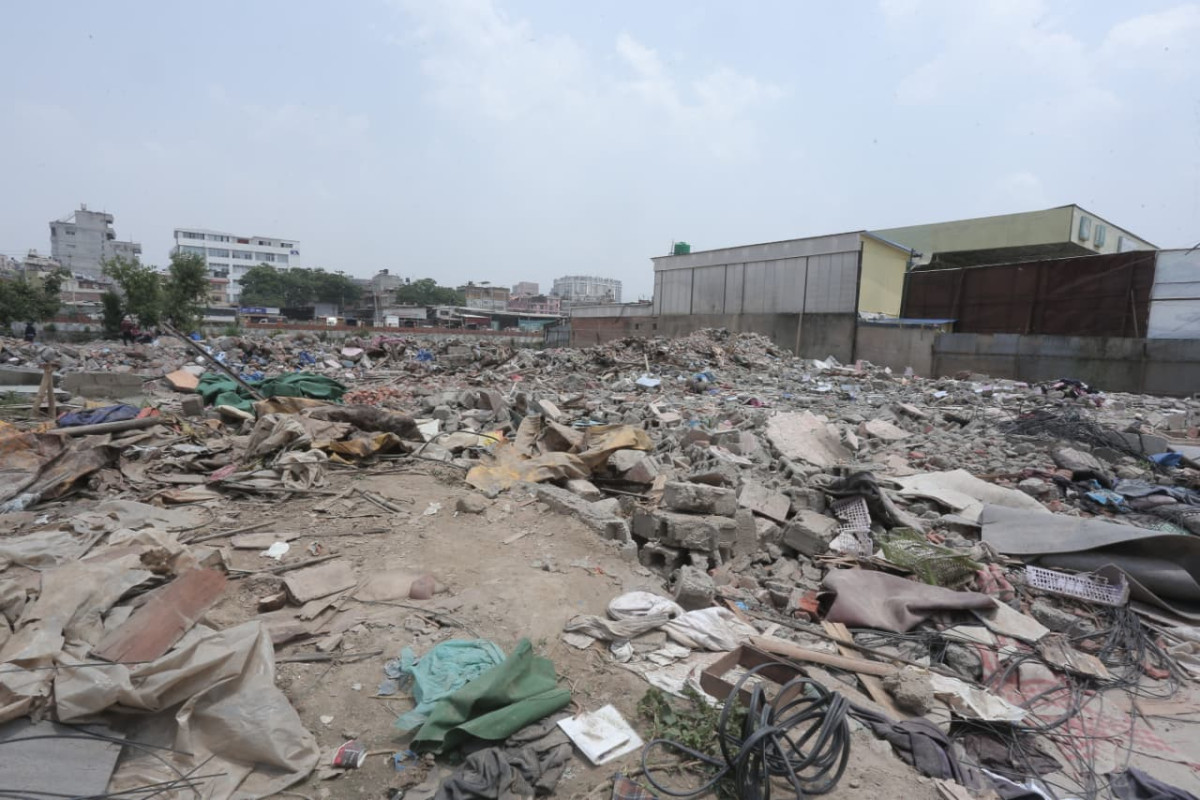
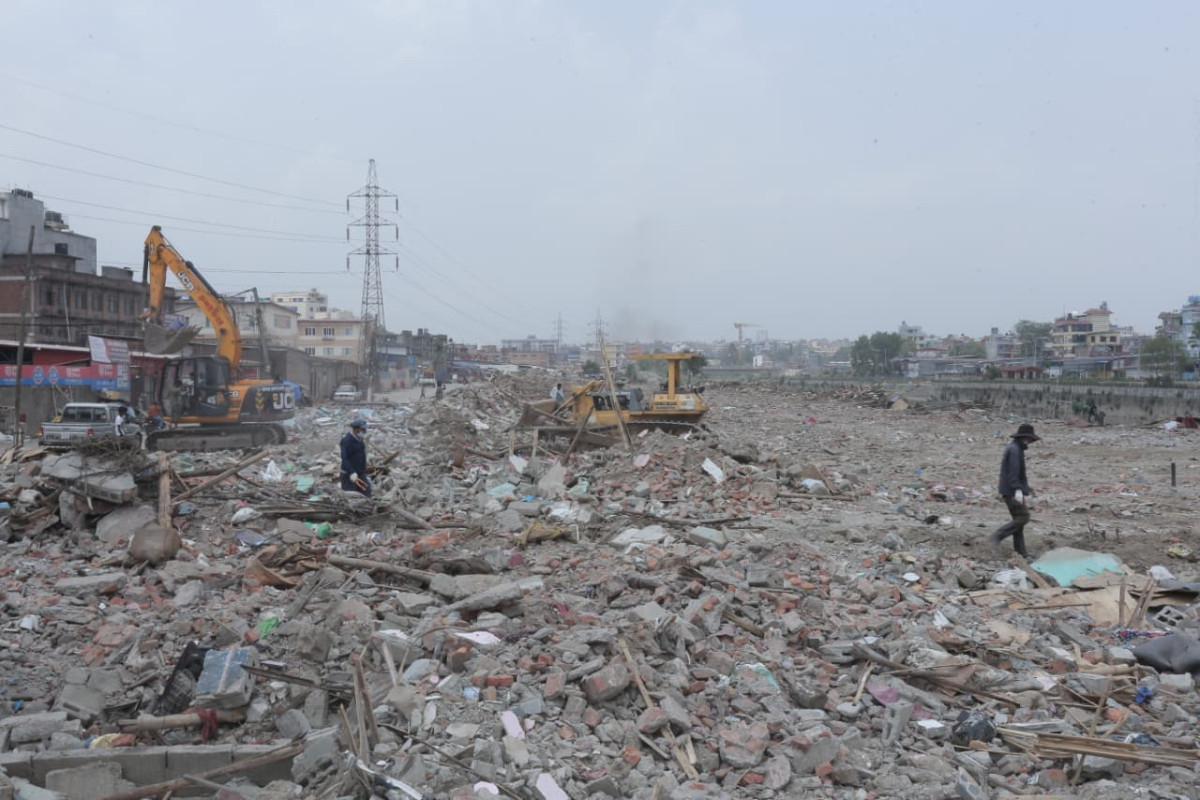
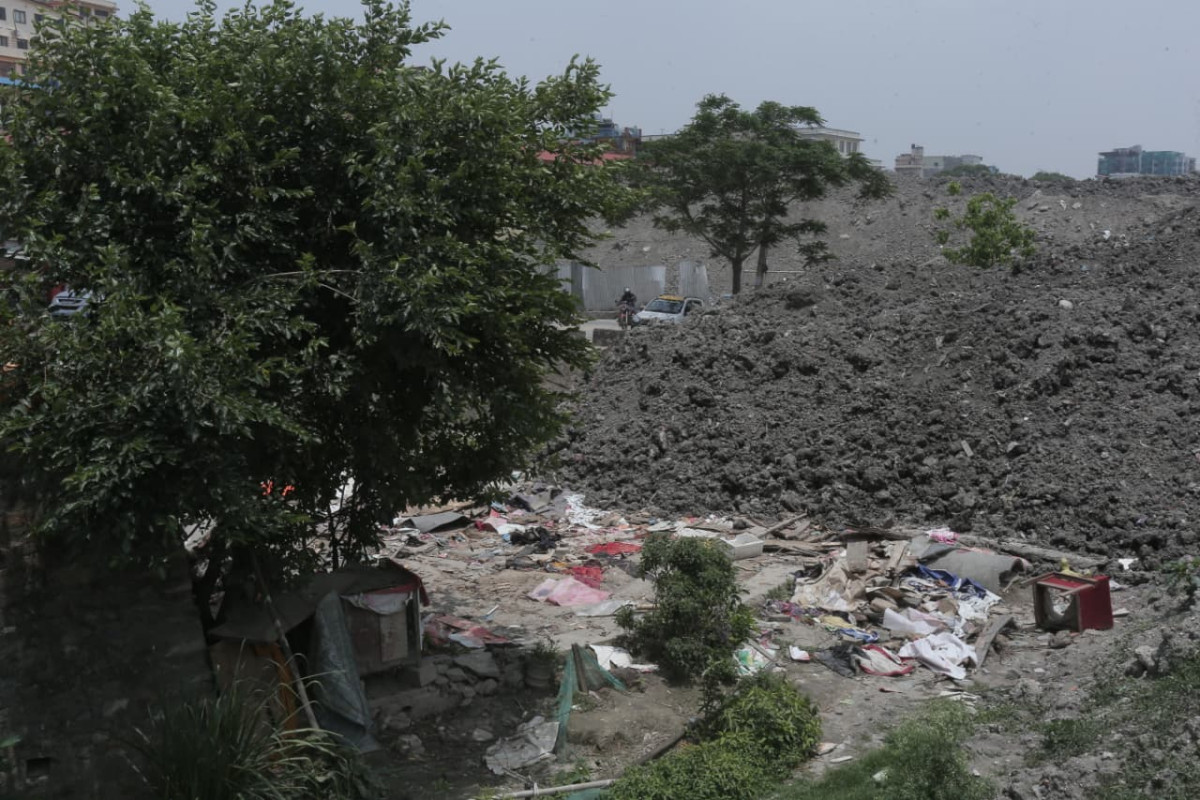
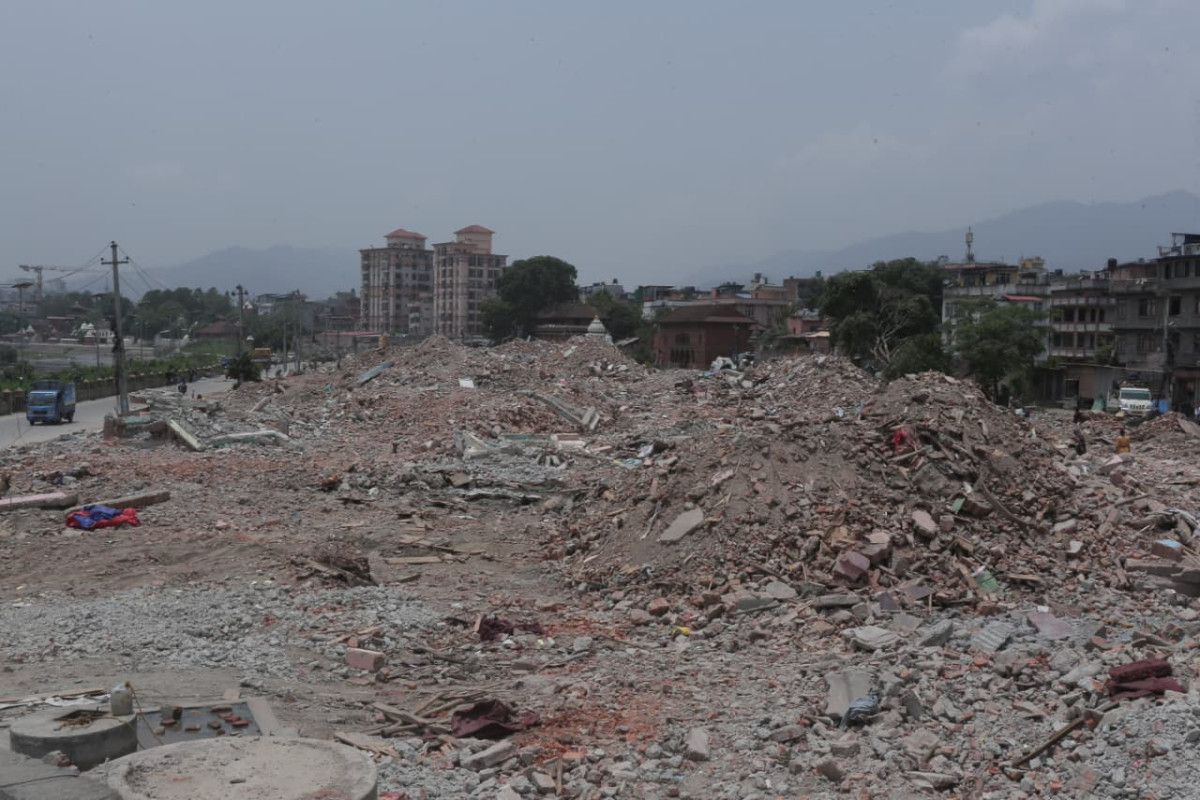
Following the eviction drive, the once-dense riverside has become a barren expanse strewn with rubble, broken bricks, and remnants of demolished homes.
Landscape of Ruins and Uncertainty
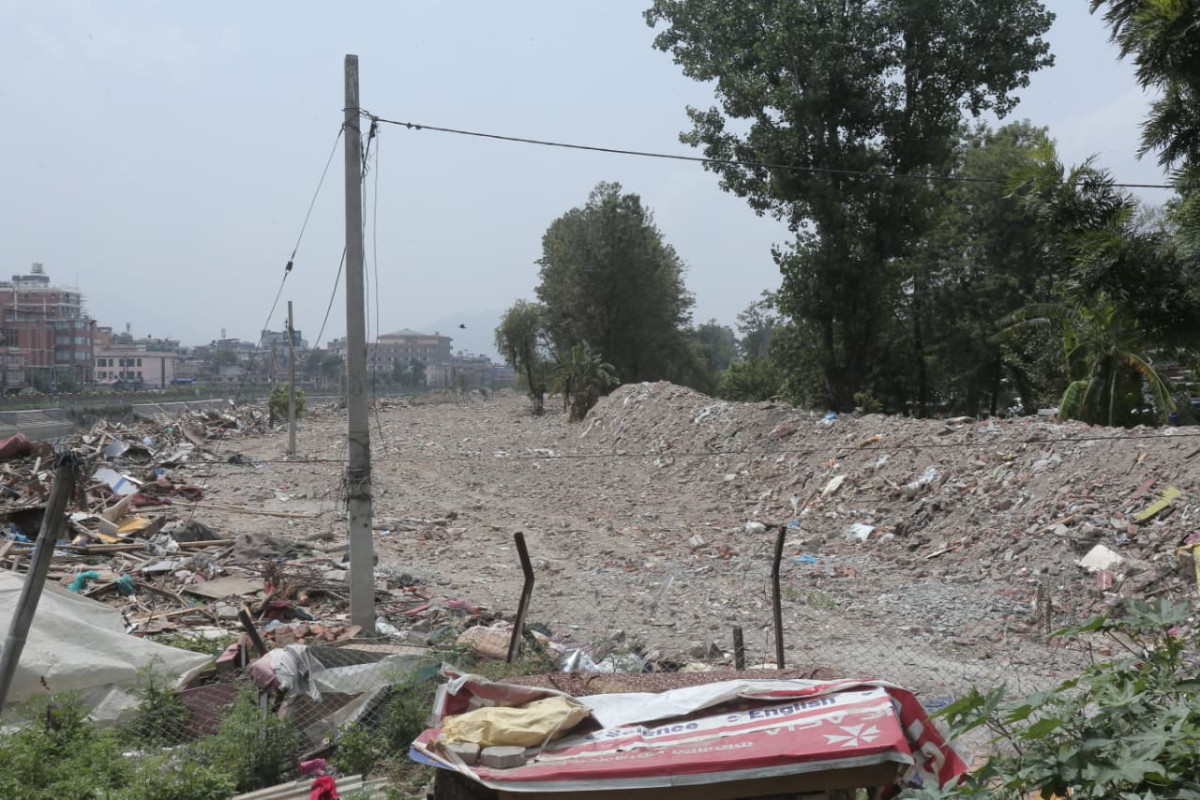
Where thousands once lived, only debris remains. The riverbank is now filled with collapsed walls, torn clothing, metal scraps, and exposed foundations. Despite the passage of weeks, no significant rehabilitation or redevelopment work has begun, leaving the area in a state of neglect.
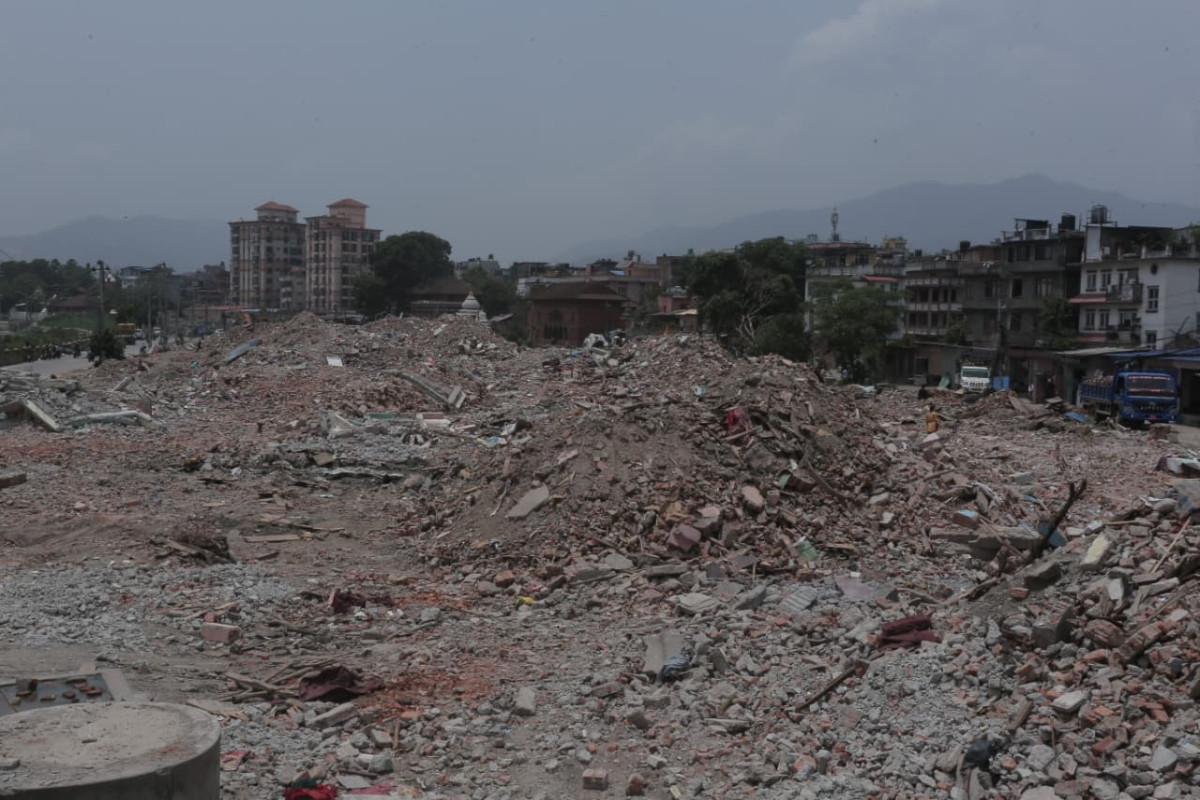
The government has announced plans to improve the Bagmati River flow and develop the corridor into a cleaner, more organized urban space.
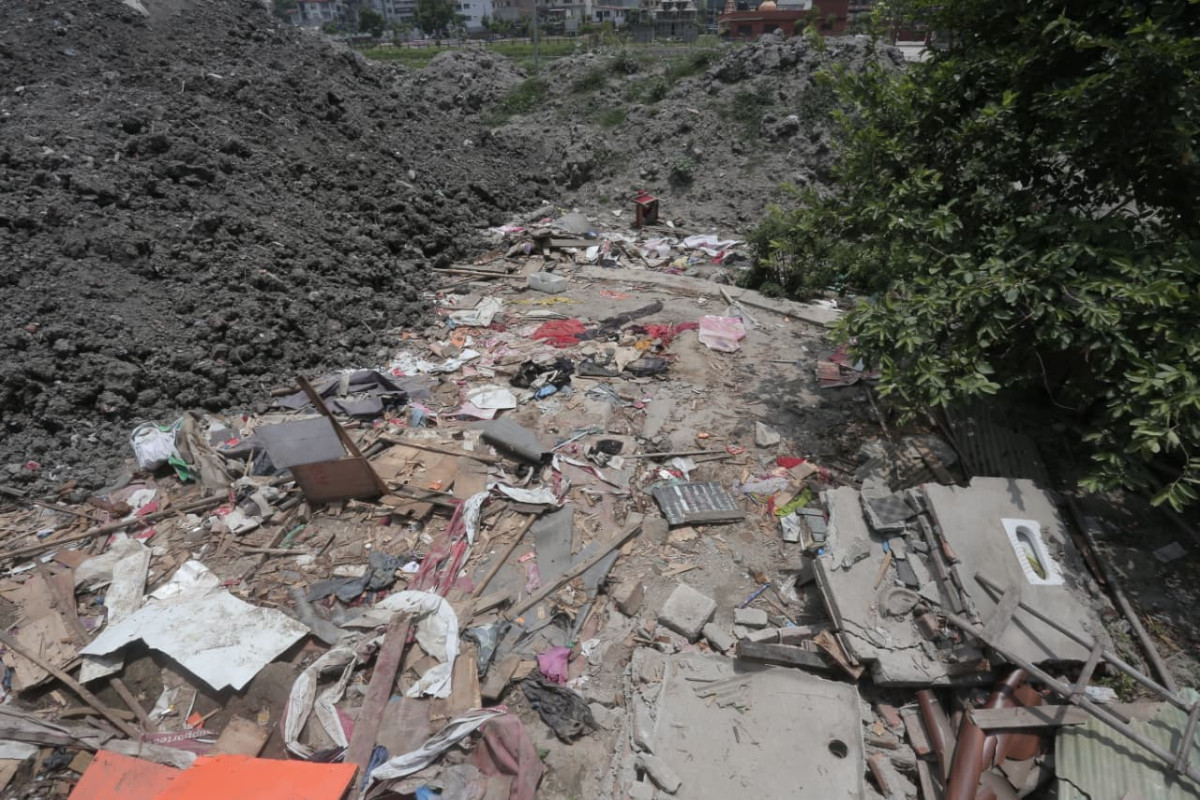
However, the lack of visible progress in beautification or reconstruction has turned the site into what appears to be an unmanaged wasteland.
Humanitarian Concerns and Missing Resettlement Plan
One of the most pressing concerns is the absence of clear data or arrangements regarding the displaced families. There is no official confirmation of where the evicted residents have relocated or how they are surviving after losing their homes.
The situation has intensified criticism that development efforts are being carried out without adequate resettlement or social protection measures, raising serious questions about urban policy and housing rights for the urban poor.
Contrasting Scenes Along the Riverbank
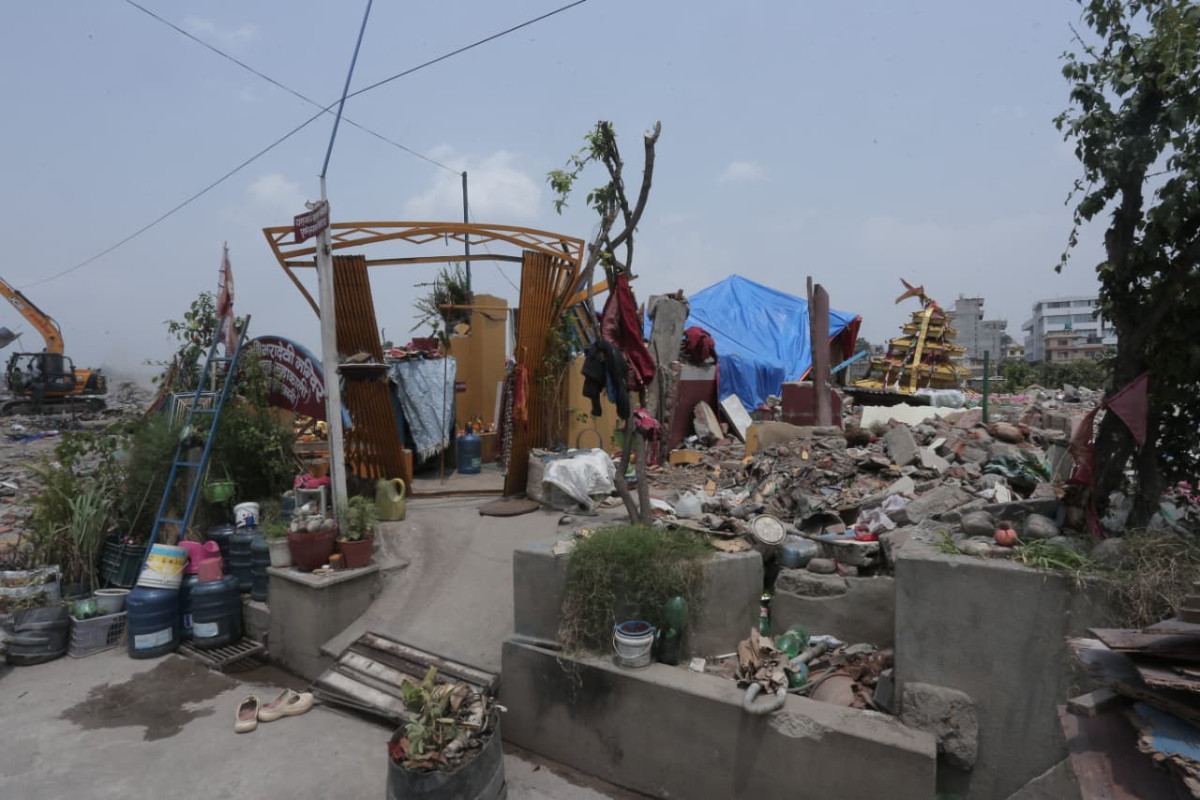
Amid the ruins stands an unexpected structure—Shree Shivashakti Kali Temple—a three-storey shrine with a golden roof that remains untouched while surrounding shelters were demolished. The temple’s survival amidst widespread clearance has created a striking contrast in the landscape.
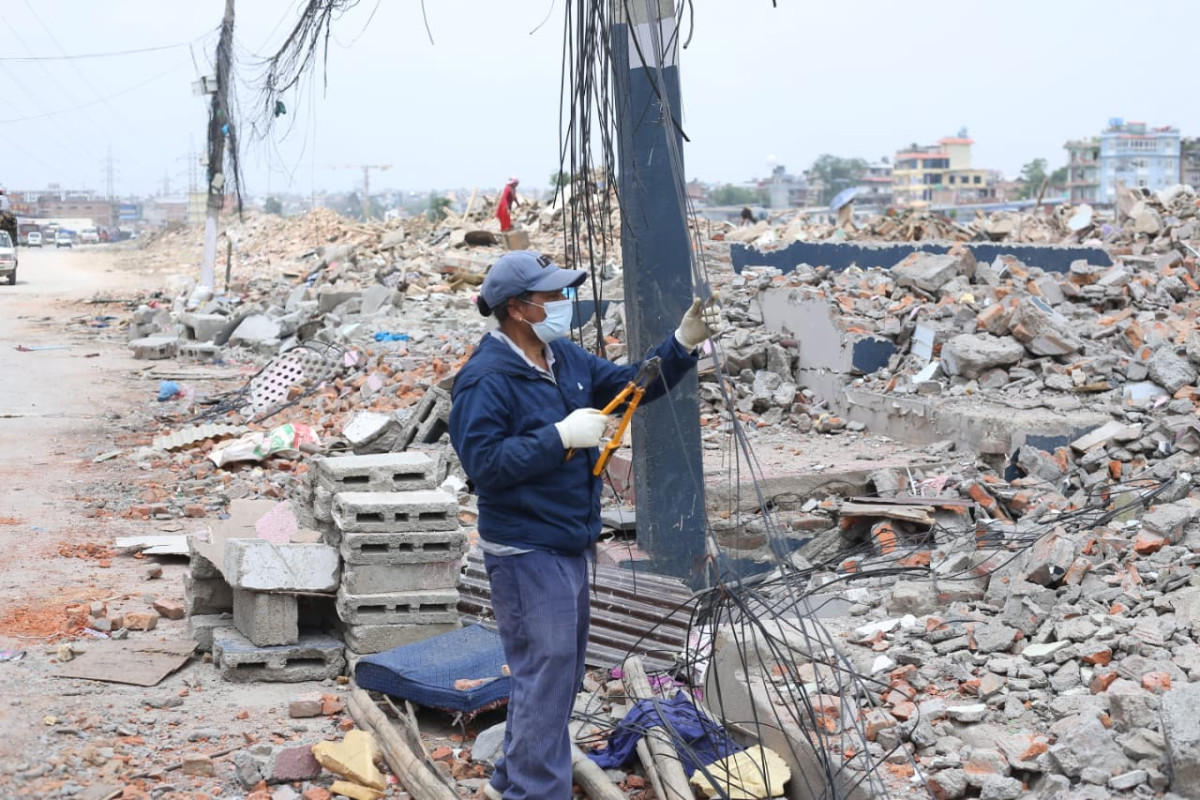
Nearby, stray dogs sit quietly among the debris, while occasional workers and officials can be seen surveying and measuring the cleared land as part of ongoing corridor expansion works.
Informal Economy Emerges from the Rubble
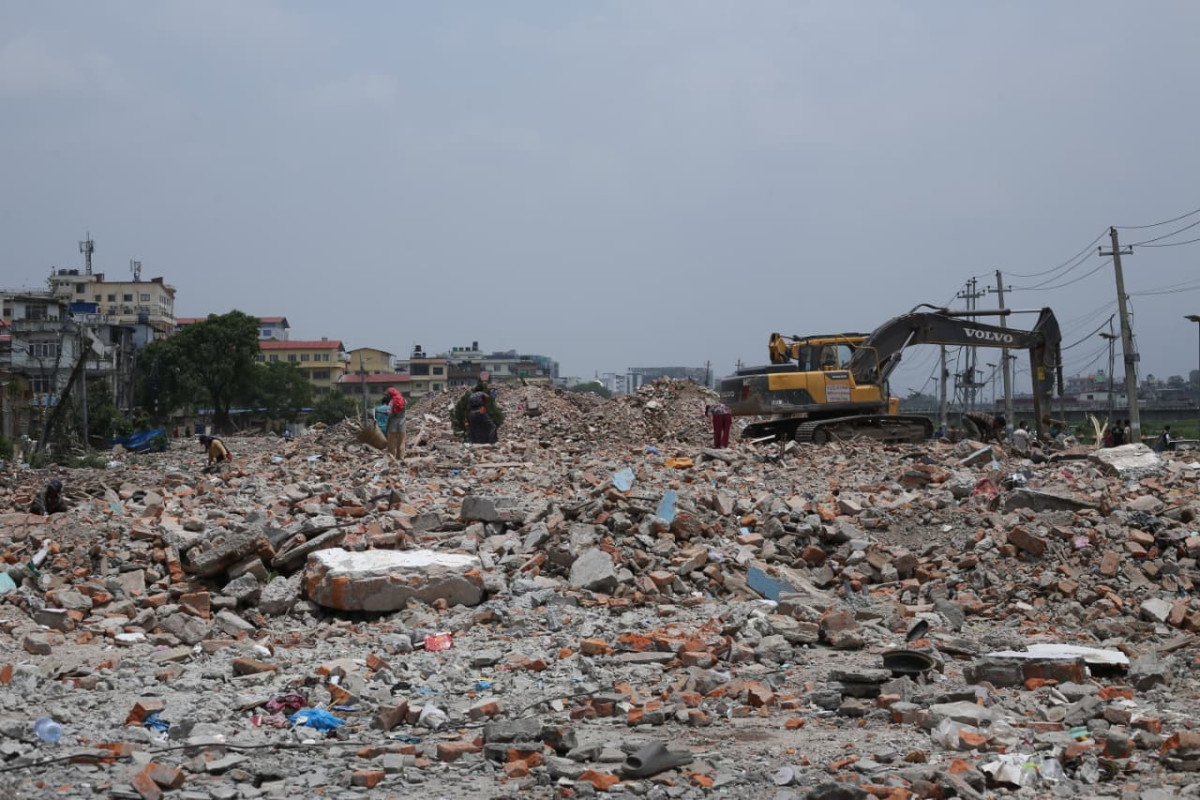
Despite the destruction, the site has become a source of survival for some vulnerable residents. Men and women are seen collecting iron rods from broken concrete structures and selling them as scrap to make a living.
Others carry heavy loads of salvaged materials, highlighting the emergence of an informal recycling economy in the aftermath of the demolitions.
Environmental and Urban Planning Challenges
The Bagmati River itself remains heavily polluted, with untreated sewage, plastic waste, and construction debris continuing to flow through it.
Although the corridor has been widened in some sections, environmental conditions remain poor, and experts warn of further degradation if waste management is not addressed.
On the opposite bank, modern structures including Norvic International Hospital stand in stark contrast to the dust-filled riverfront, symbolizing the growing inequality between urban development and informal settlements.
Development vs Displacement Debate
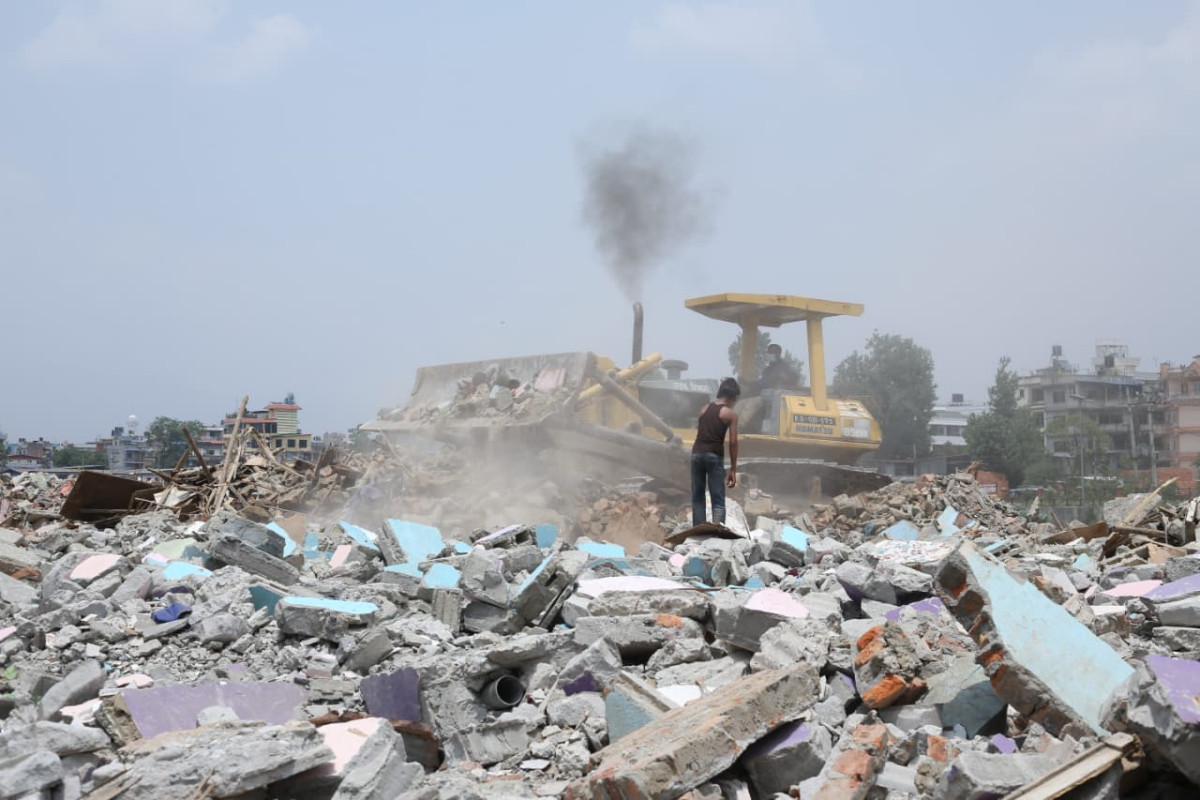
Authorities continue rapid excavation and clearing works under the Bagmati River Corridor project, operated by institutions including the Bagmati Civilization Integrated Development Committee.
While the initiative aims to ease urban congestion and improve aesthetics, it has triggered a broader debate: should development come at the cost of displacement, or should rehabilitation be integrated into urban planning?
The transformation of Thapathali reflects this unresolved tension. While the river corridor is being cleared in the name of modernization, the absence of structured resettlement and long-term planning has left behind not just a barren landscape, but also deep social and humanitarian concerns that remain unaddressed.