Devotees flock to Doleshwar Mahadev despite rain (photos)
Nestled in the foothills of the Dholasikhar mountain range, the sacred temple is believed to house the head portion of Lord Kedarnath, one of India's most revered pilgrimage sites.

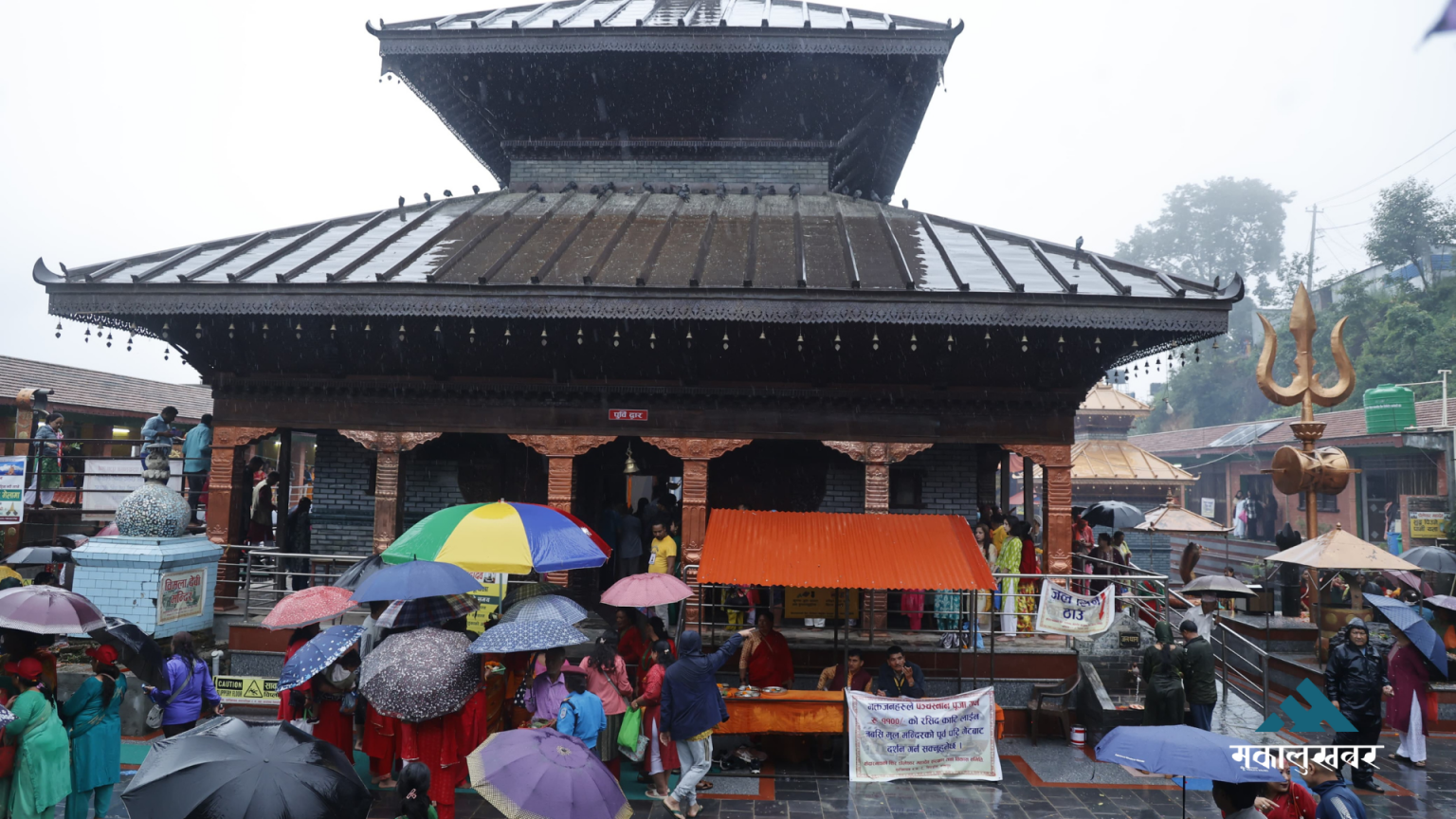
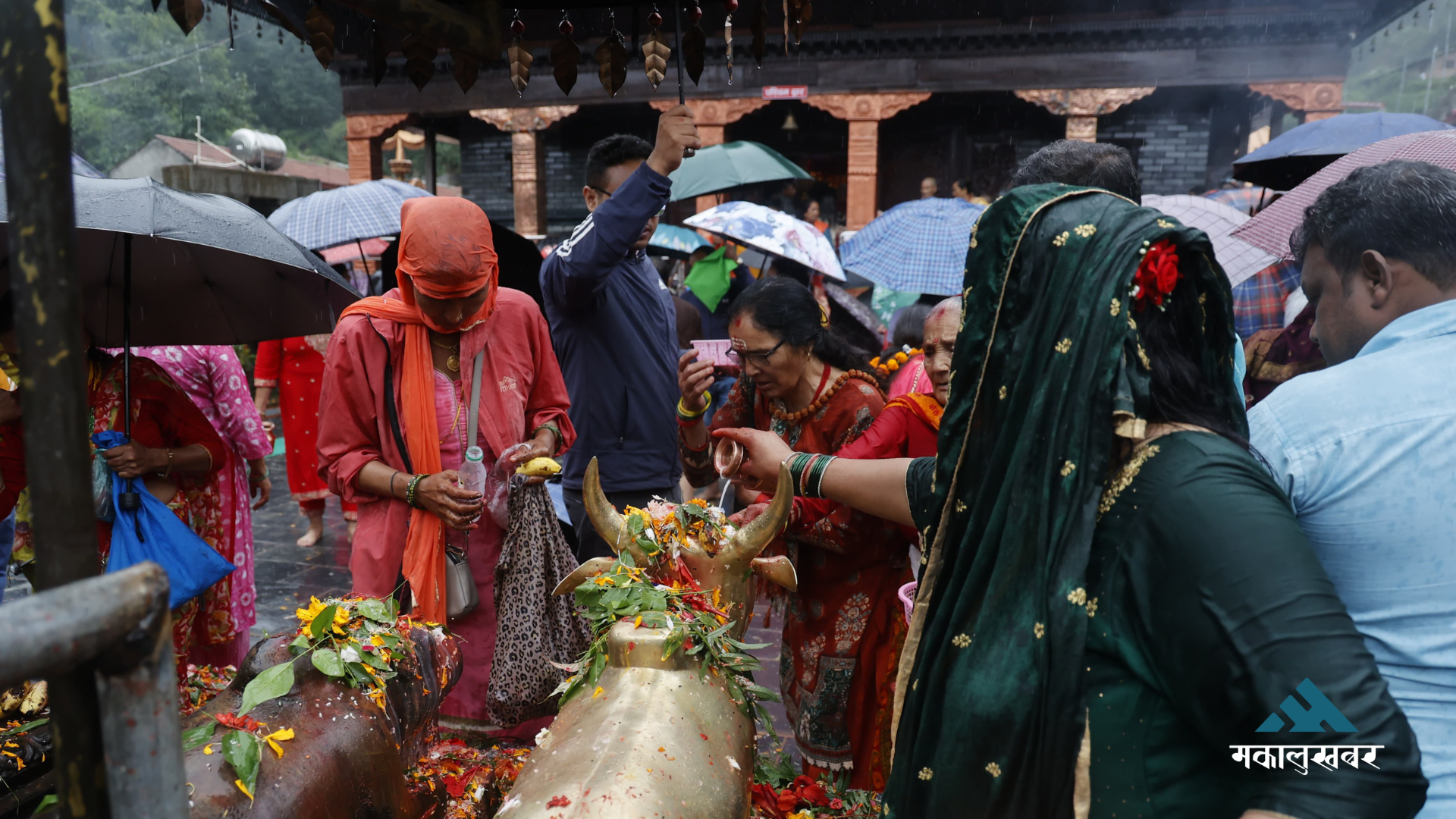
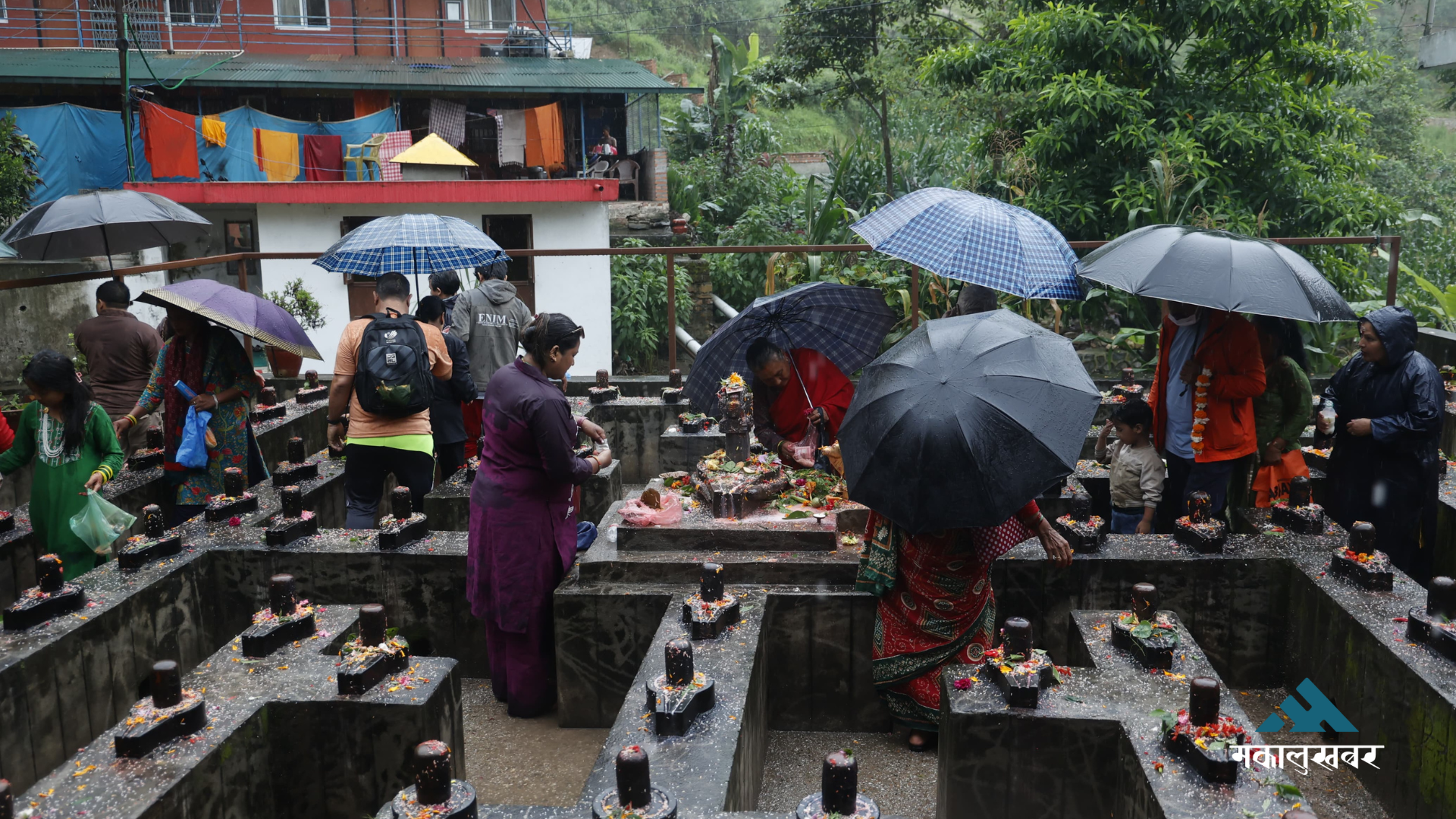
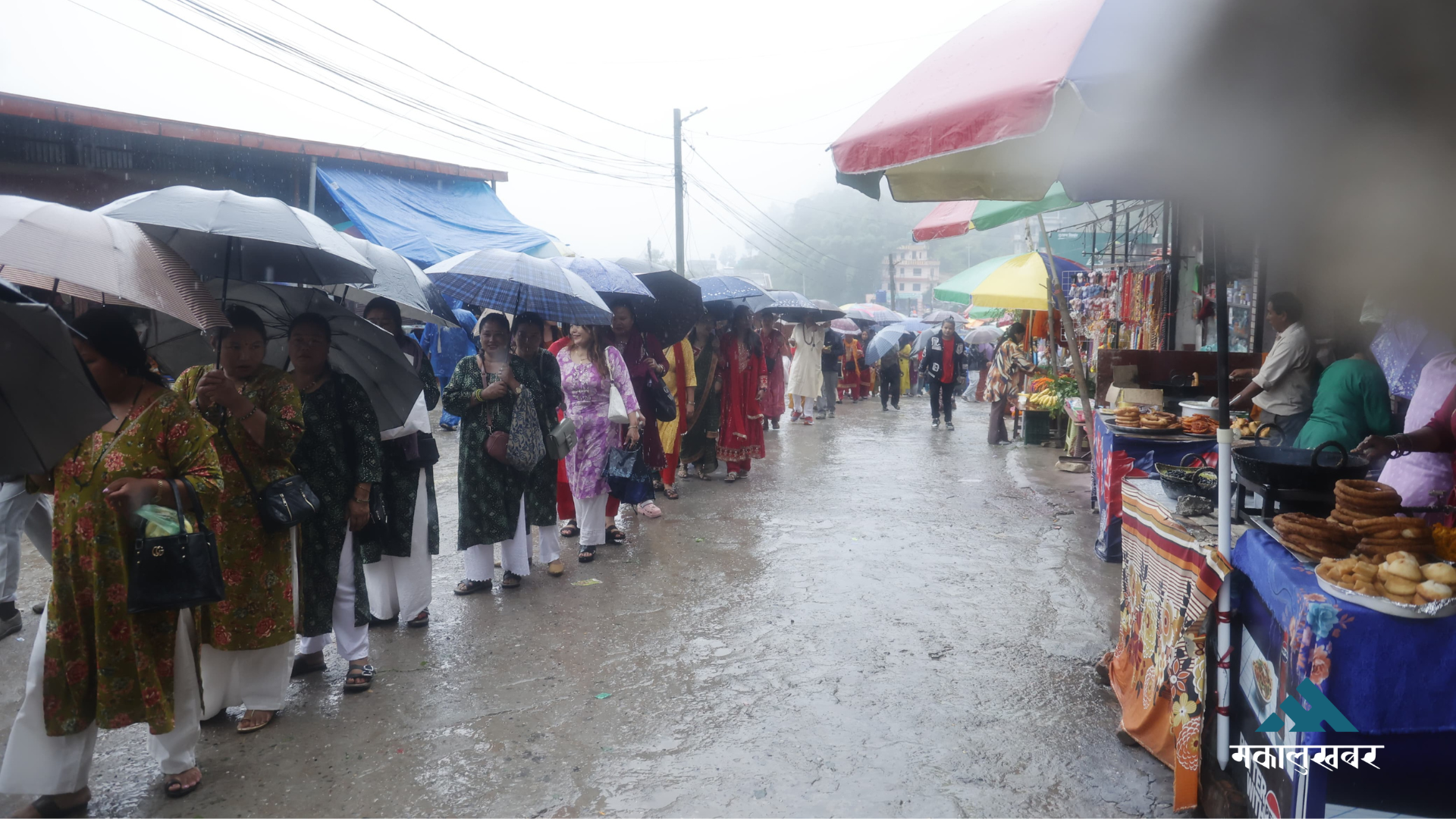
KATHMANDU: Despite continuous rainfall, thousands of devotees gathered today at the ancient Doleshwar Mahadev Temple in Sipadol, Bhaktapur, on the second Monday of the Nepali month of Shrawan—a day considered highly auspicious for Lord Shiva worship.
Nestled in the foothills of the Dholasikhar mountain range, the sacred temple is believed to house the head portion of Lord Kedarnath, one of India’s most revered pilgrimage sites.
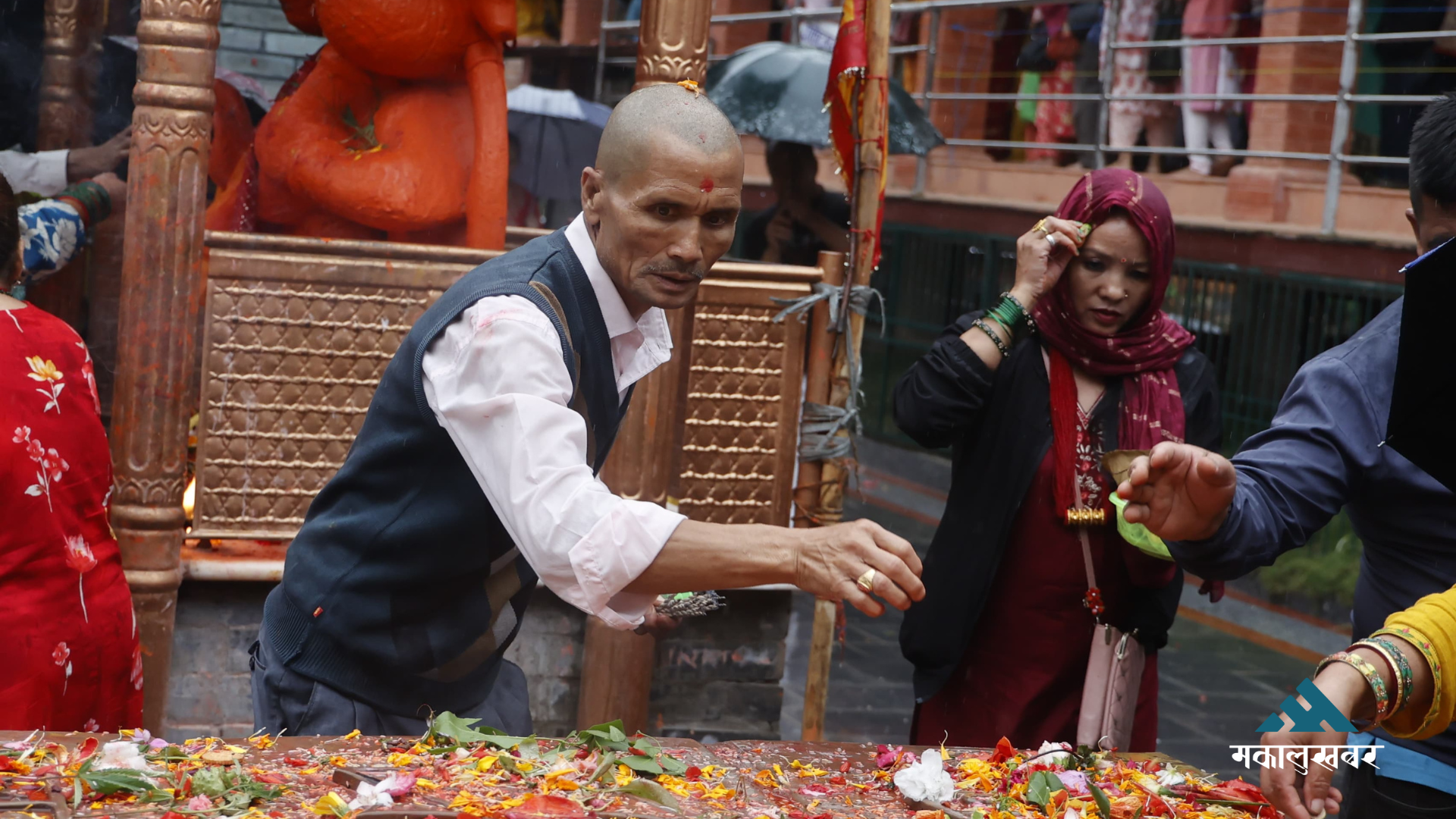
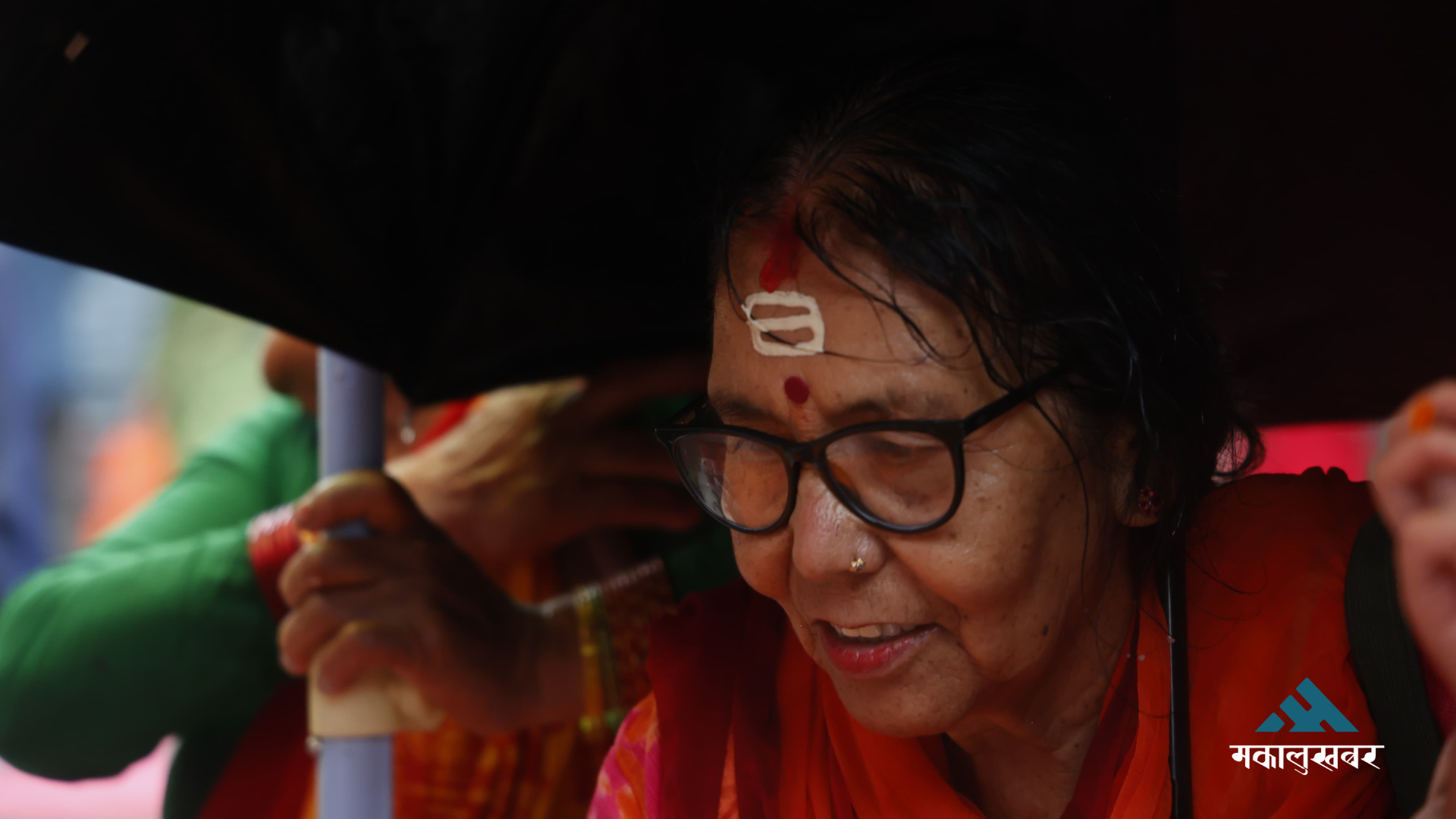
From early morning, devotees—both young and old—stood in long queues to offer prayers and perform rituals.
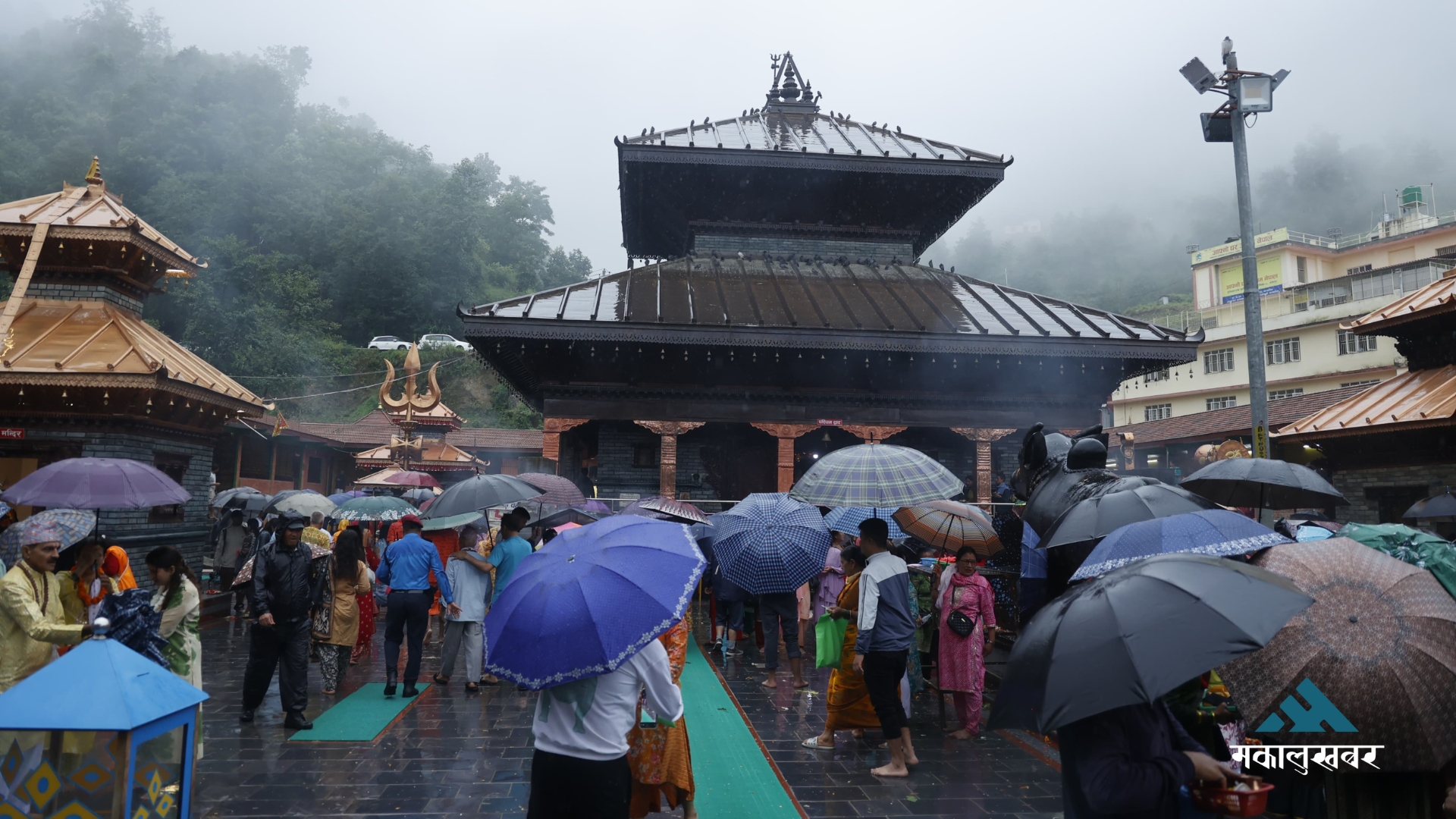
Mondays during the month of Shrawan are regarded as especially sacred for Lord Shiva, drawing large crowds to Shiva shrines across Nepal.
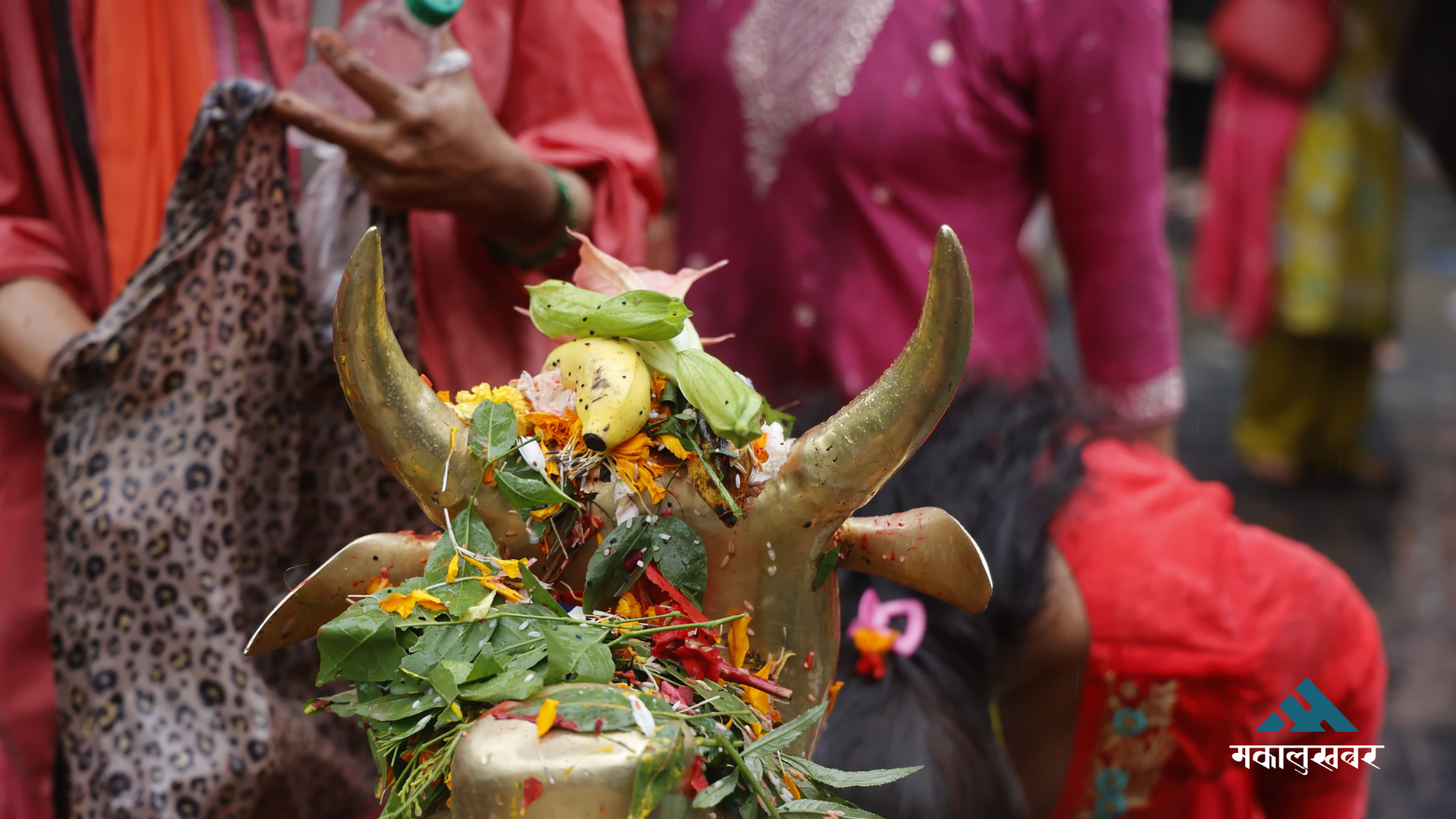
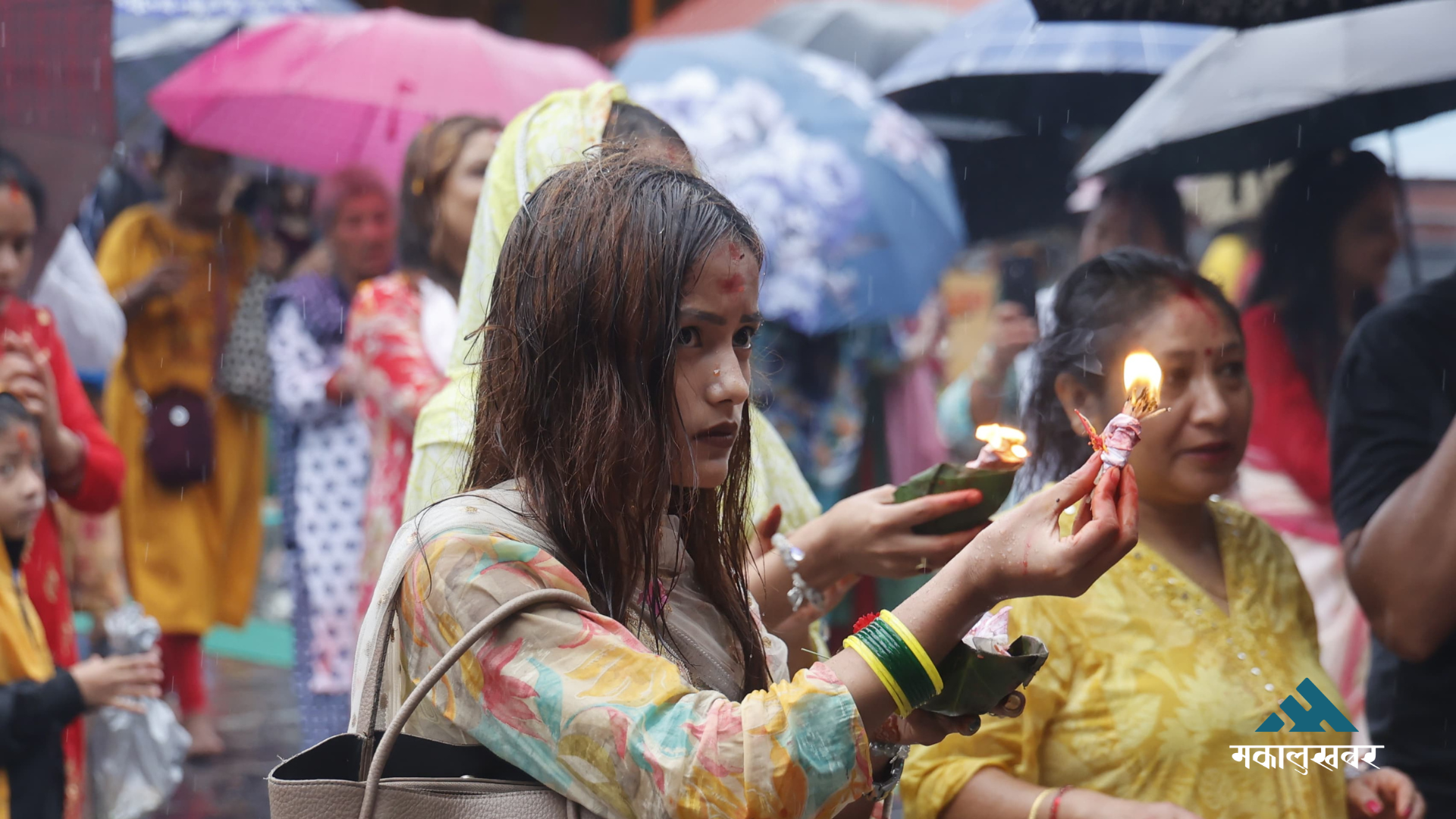
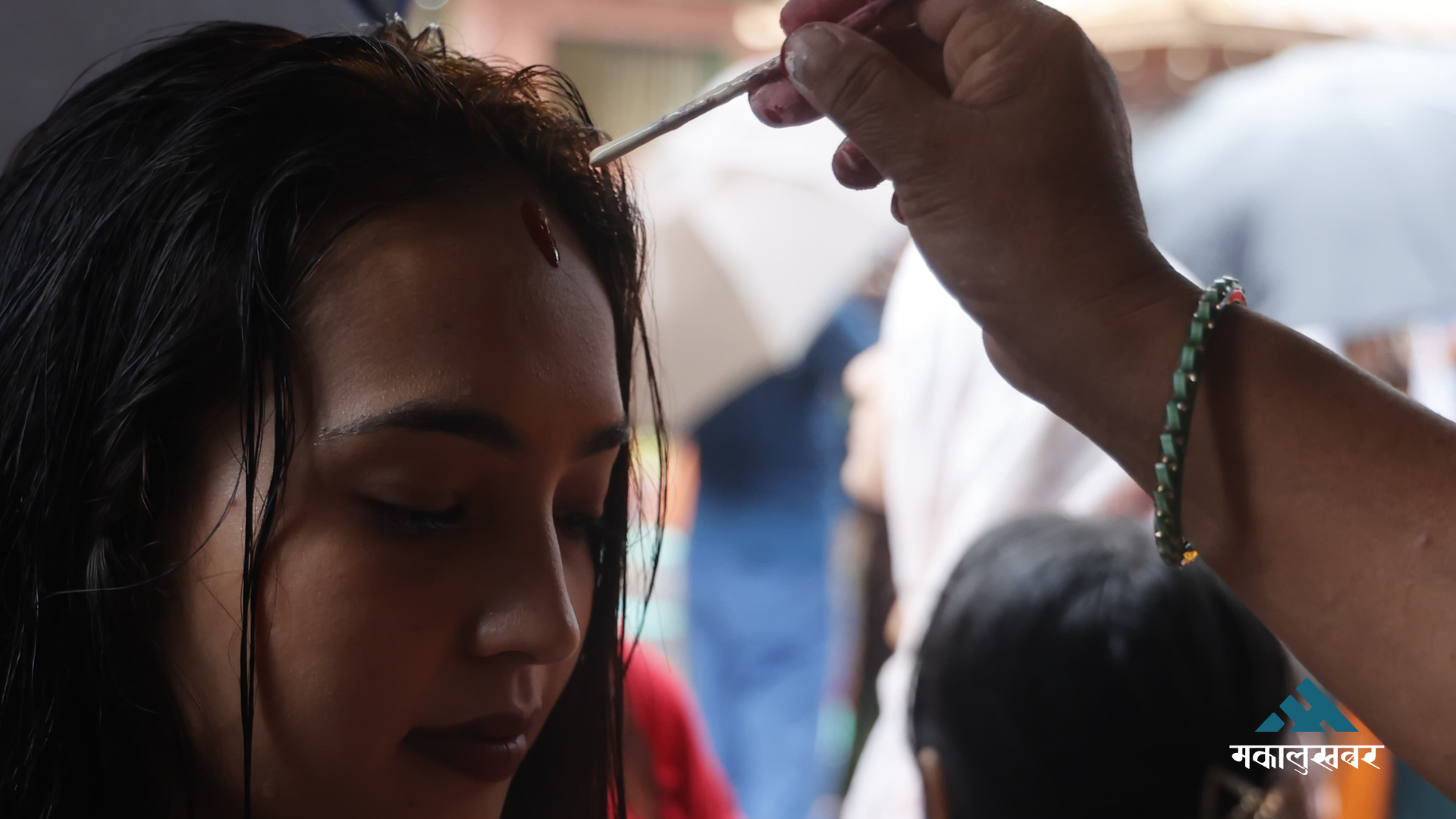
Married women, adorned in red and green attire, prayed for the long life of their husbands, while unmarried women sought blessings for a suitable life partner.
Locally known in the Nepal Bhasa language as “Sipare Madyo,” Doleshwar Mahadev has a deep-rooted connection with ancient Hindu mythology. It is mentioned in the “Himavatkhanda” of the Skanda Purana as “Vimaleshwar Mahadev,” and is believed to have been visited by the Pandavas during the Dwapara Yuga.
According to legend, after the Kurukshetra war, the Pandavas sought forgiveness for their sins by looking for Lord Shiva.
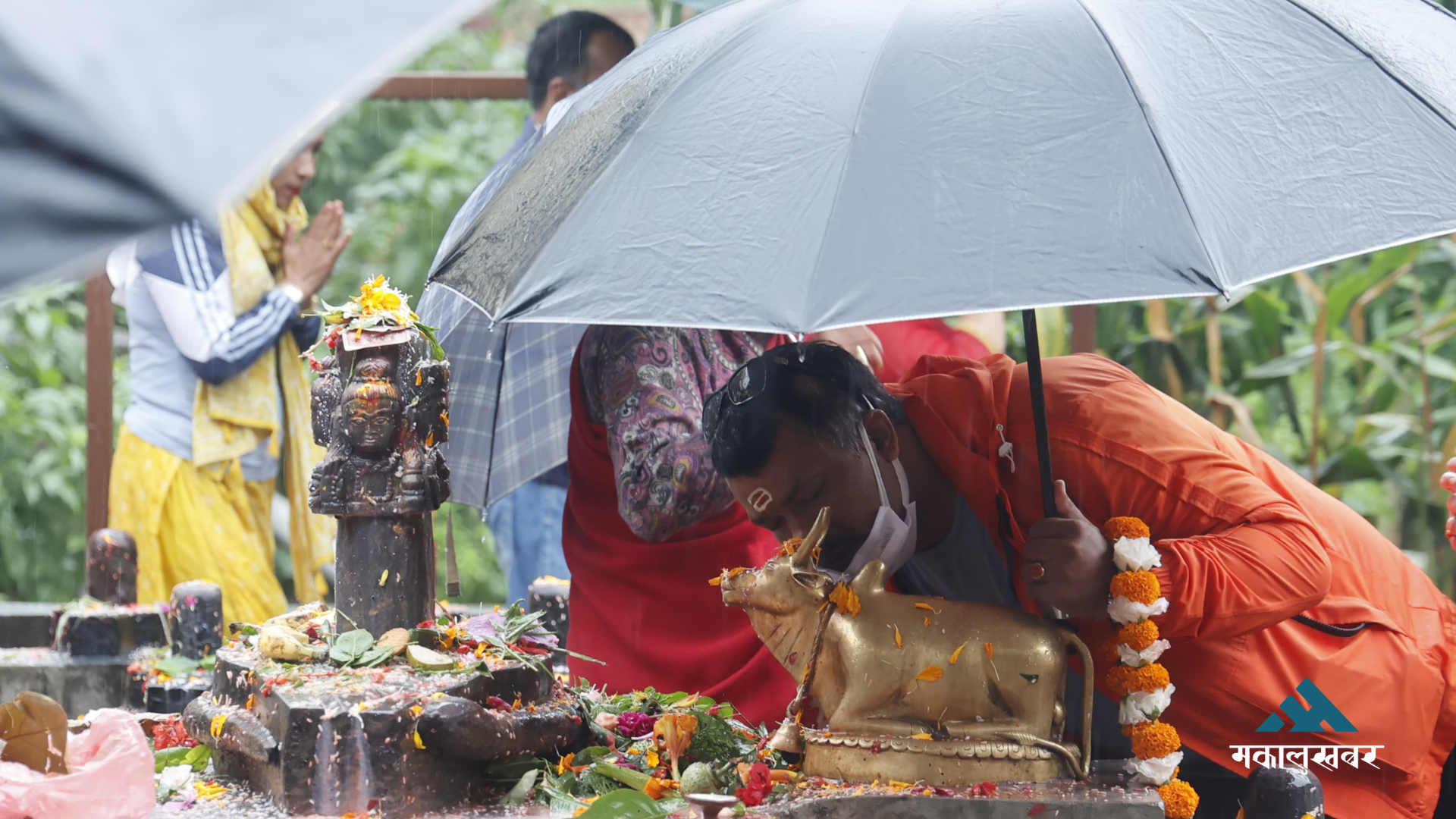
Disguised as a bull, Shiva attempted to avoid them but was recognized.
As he tried to disappear into the ground, Bhima grabbed his tail. It is believed that different parts of the bull’s body appeared in various locations—with the head manifesting in Doleshwar.
Because of this mythology, it is said that a pilgrimage to Kedarnath remains incomplete without visiting Doleshwar Mahadev.
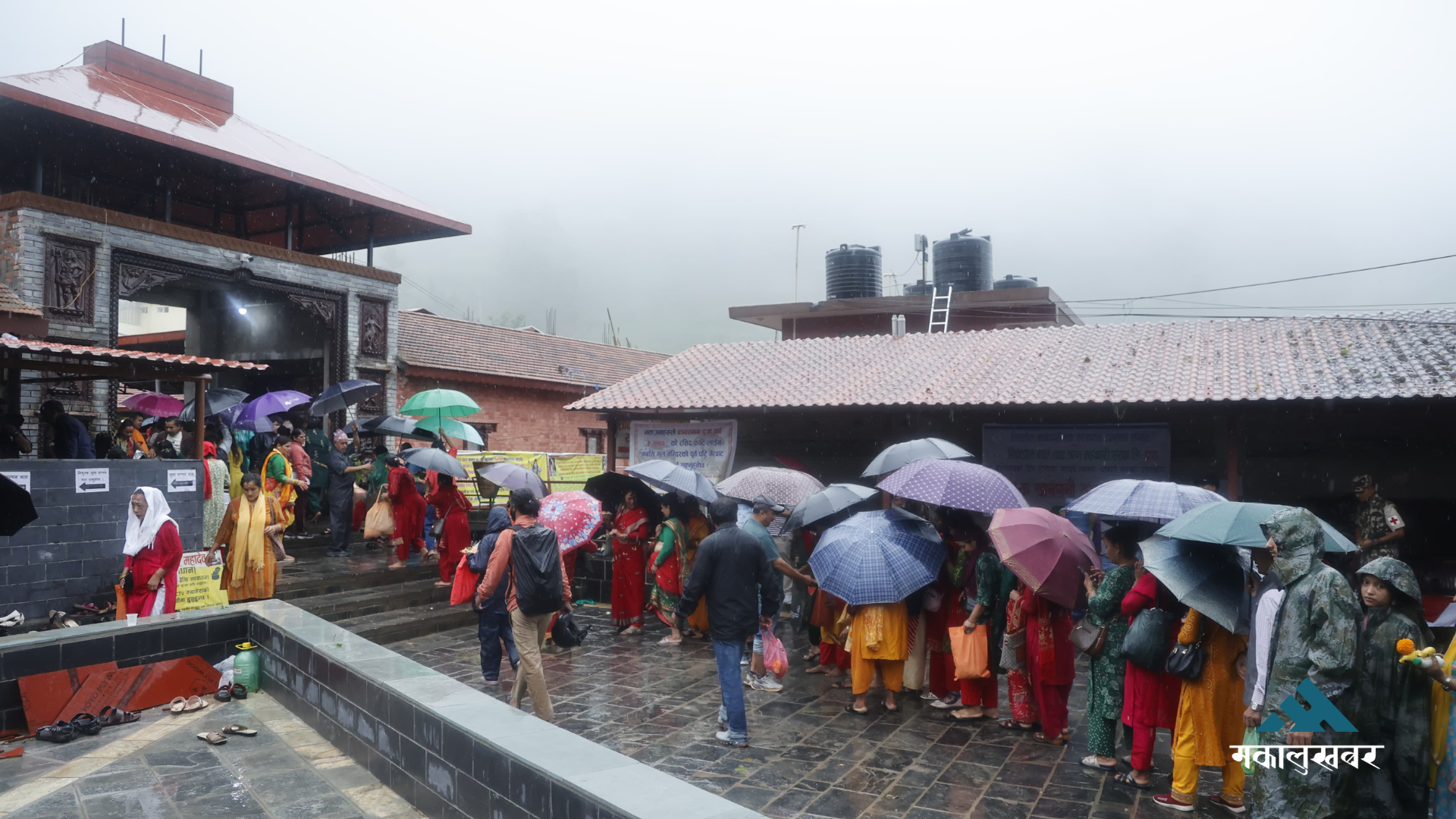
A special fair is held at the temple throughout Shrawan, with Saturdays and Mondays drawing the highest number of visitors.
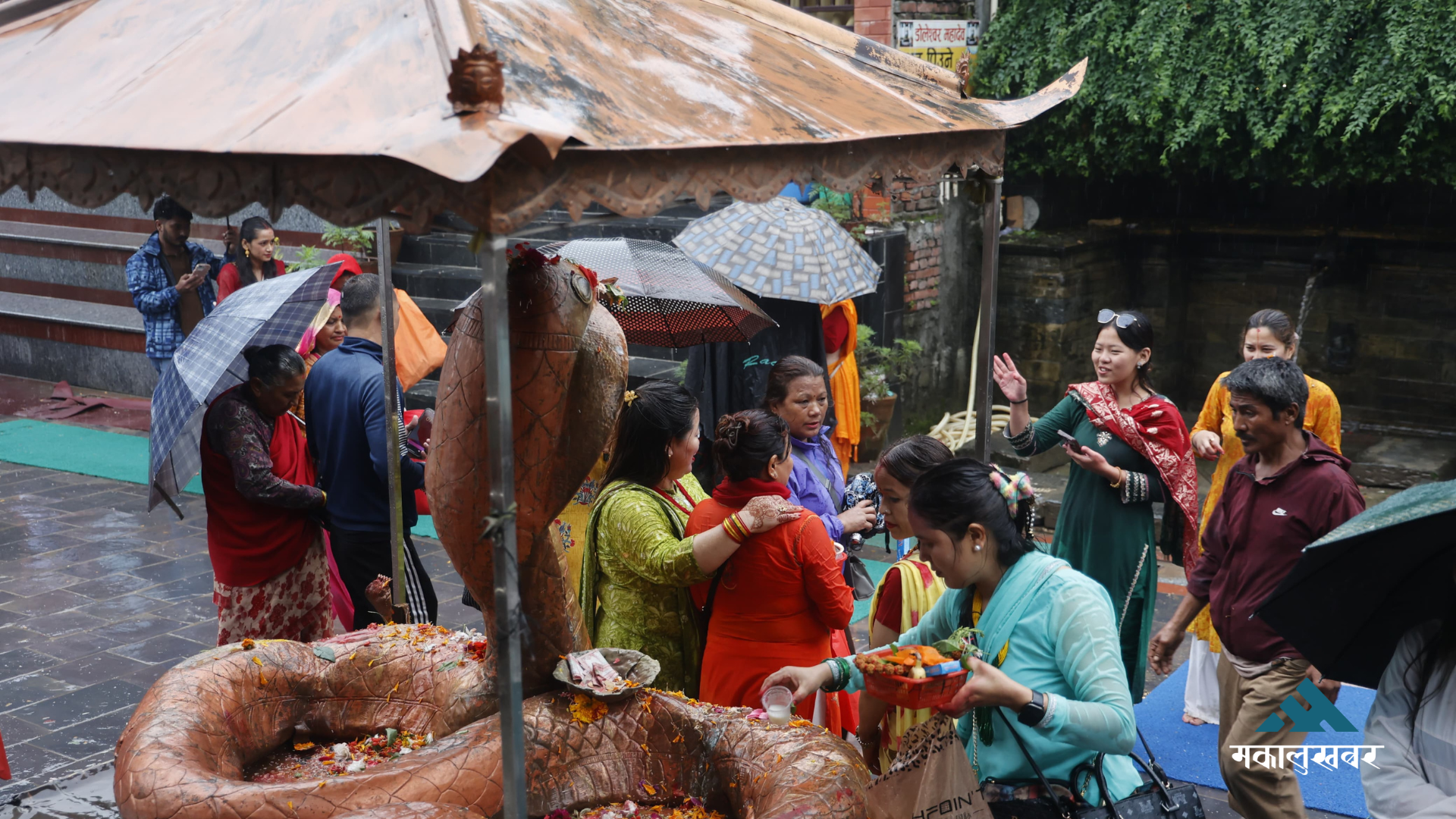
According to the Temple Management and Development Committee, volunteers have been deployed to manage the crowds and facilitate smooth worship.
On three specific occasions every year—Akshaya Tritiya, Bhadra 6 (the anniversary of the recognition of Doleshwar as Kedarnath’s head), and Shivaratri—devotees are allowed to directly touch and worship the sacred Shivling.
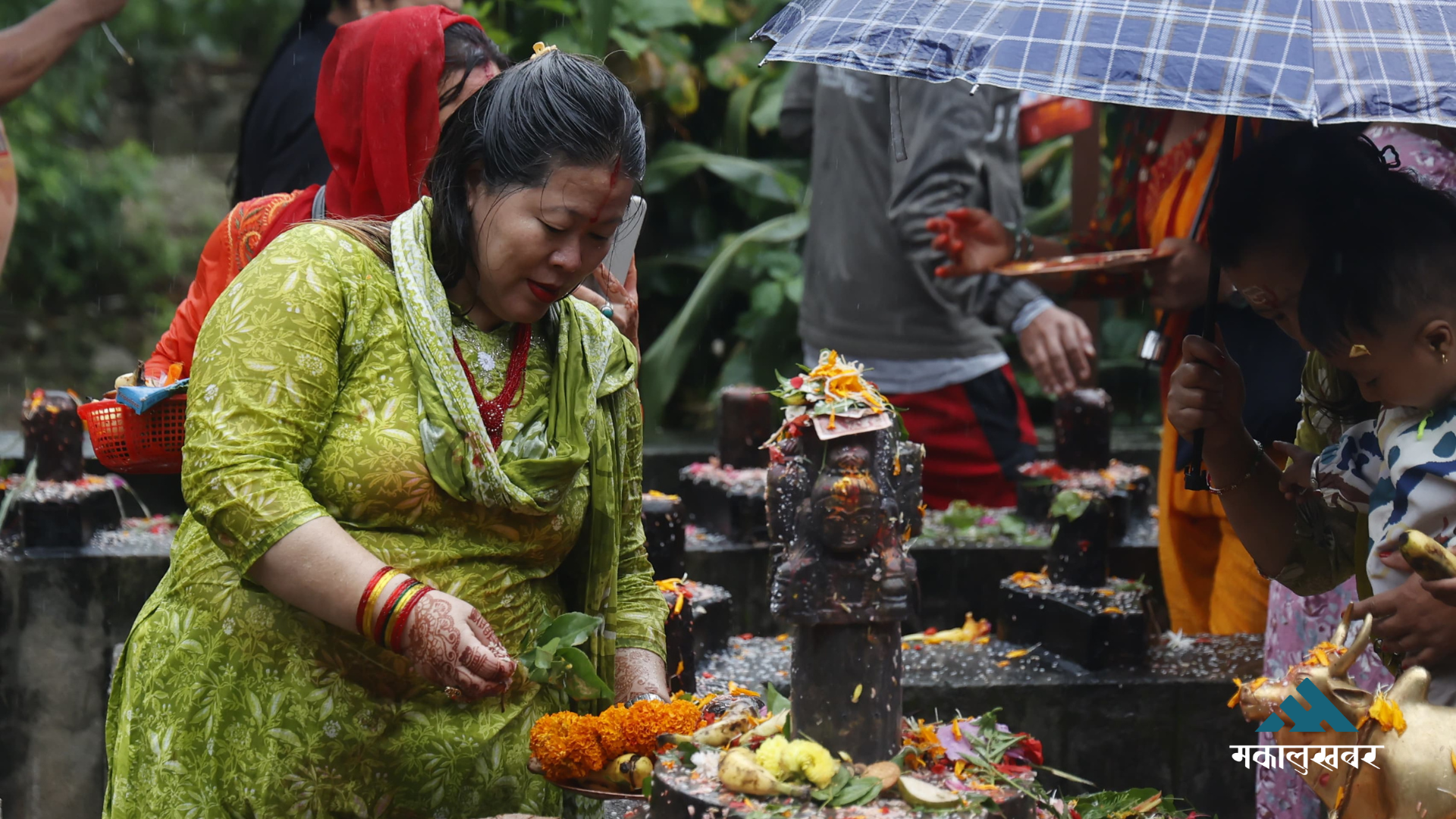
On other days, worship is performed through the temple priests.