APF sets up 54 monsoon response bases nationwide
Province-wise, the temporary bases include six in Koshi, 11 in Madhesh, 16 in Bagmati, four in Gandaki, seven in Lumbini, two in Karnali, and eight in Sudurpaschim.

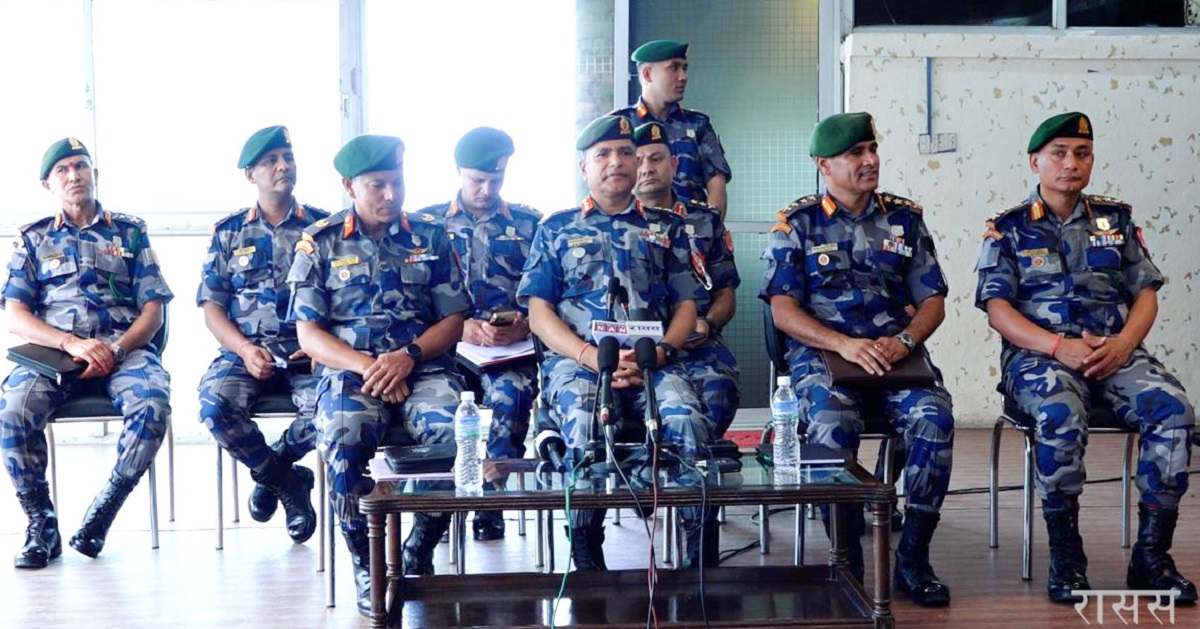
KATHMANDU: The Armed Police Force Nepal has established 54 temporary monsoon disaster response bases across the country to strengthen emergency preparedness during the monsoon season.
According to the APF, the bases have been strategically set up in areas identified as highly vulnerable to floods, landslides, and other monsoon-related disasters where immediate deployment from central offices would take time.
Province-wise, the temporary bases include six in Koshi, 11 in Madhesh, 16 in Bagmati, four in Gandaki, seven in Lumbini, two in Karnali, and eight in Sudurpaschim.
In addition, the force has established 16 permanent disaster management bases across Himalayan, hill, and Terai regions, including locations such as Dhankuta, Sunsari, Bara, Saptari, Dhading, Sindhuli, Makwanpur, Kavrepalanchowk, Myagdi, Gorkha, Dang, Surkhet, Jumla, Dadeldhura, Doti, and Kailali.
These permanent installations operate year-round with dedicated resources and personnel.
APF spokesperson and Deputy Inspector General Neer Bahadur Karki said the deployments are designed to ensure rapid response using available manpower and equipment.
He added that 8,180 APF personnel have been kept on 24-hour standby for this year’s monsoon emergency response, and all personnel will receive disaster management refresher training by the end of Asar.
The National Disaster Risk Reduction and Management Authority has projected that, even with below-average rainfall forecasts this monsoon, around 51,886 households—impacting approximately 226,661 people nationwide—could still be affected by monsoon-related disasters.
Province-wise estimates suggest the highest potential impact in Lumbini Province, followed by Koshi, Madhes, Bagmati, Sudurpaschim, Gandaki, and Karnali.
To support flood and inundation rescue operations, APF has positioned 82 rafting boats and 53 motorboats, along with 4,710 trained rescue personnel and 134 divers in 11 high-risk areas across the country.
The force has also expanded its early warning and communication network, mobilizing 168,956 disaster informants nationwide.
These informants will report incidents in real time to nearby APF units for immediate response.
Additionally, APF is operating the “APF Community Alert System (APF-CAS),” a digital platform that enables faster information flow to operational command centers at the provincial level, allowing rapid deployment decisions during emergencies.