Wild elephants enter Jhapa as electric fence falls into disrepair
Residents say elephants have increasingly entered settlements.

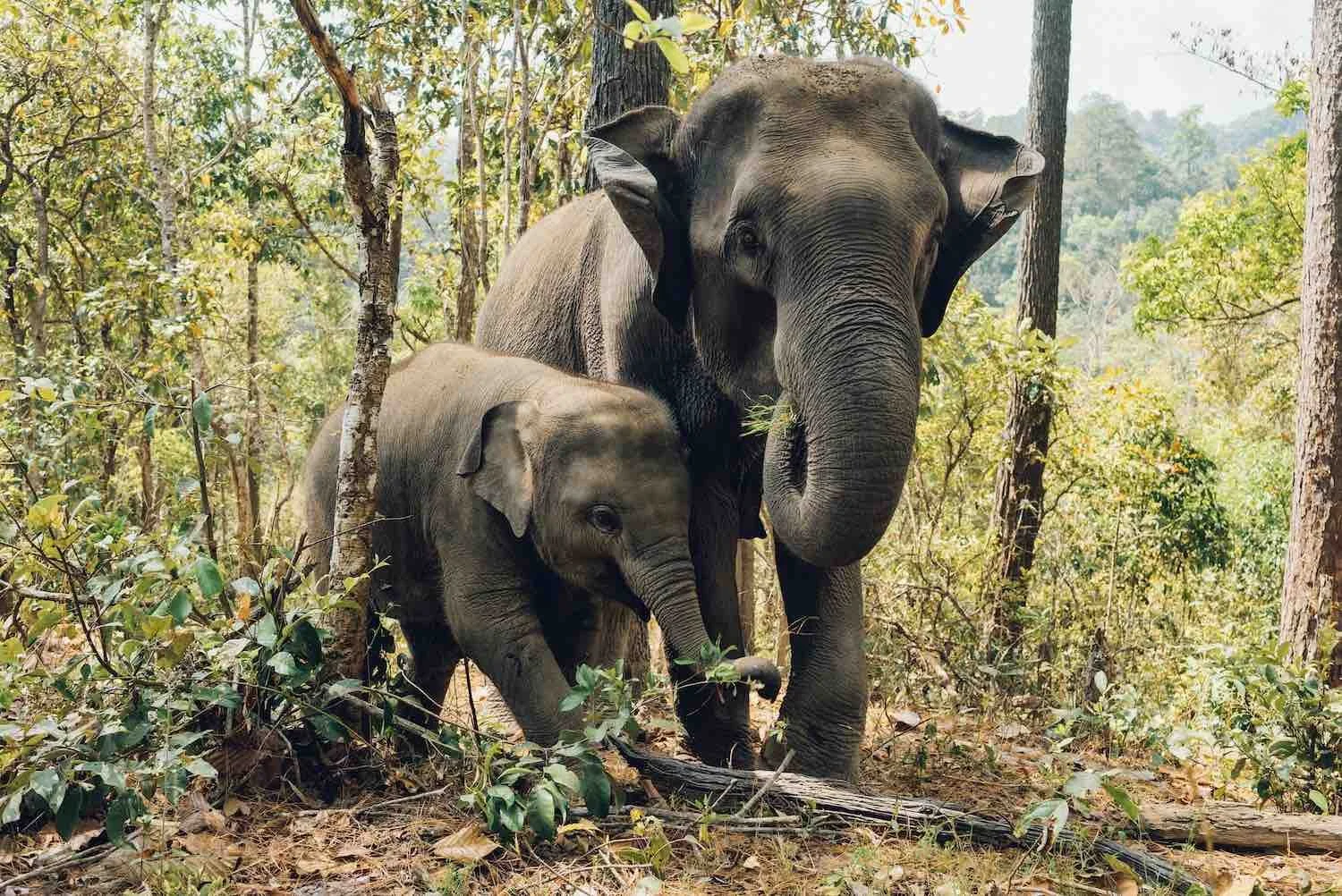
KATHMANDU: A solar-powered electric fence built to prevent wild elephants from entering Nepal has become ineffective due to poor maintenance, allowing herds to cross the border and cause damage in eastern districts.
The barrier, installed about a decade ago in Bahundangi along the northeastern border of Mechinagar Municipality, has deteriorated after key components—including batteries, wires and support poles—fell into disrepair.
Residents say elephants have increasingly entered settlements as a result.
Authorities have now allocated 3 million rupees in the current fiscal year to repair the system.
The funding is being jointly provided by the Ministry of Forests, the National Trust for Nature Conservation, and Mechinagar Municipality, each contributing 1 million rupees.
The 18-kilometre fence, stretching from Nakalbanda to Bahundangi along the Nepal–India border, was originally installed in 2072 BS with an investment of 12 million rupees from the World Bank, along with technical support from the National Trust for Nature Conservation.
It used an offset solar electrification system and was initially effective in stopping elephants at the border.
However, the lack of regular maintenance over the past five years has rendered the system largely useless.
Elephants, mainly migrating from wildlife reserves in India’s Assam and West Bengal, now cross freely into Nepal, causing significant losses to crops and property in northern Jhapa.
Hari Prasad Upreti, chairman of the Human-Elephant Conflict Management and Environmental Protection Forum, said locals were encouraged after funds were allocated for repairs.
He noted that all 18 battery units installed along the fence need replacement, while several electrified wires and poles have also collapsed.
According to Upreti, the repair work will be carried out through the forum, and the process to import batteries and equipment from India has already begun.
Bahundangi remains the primary entry point for elephants entering Nepal, with herds of up to 100 animals reported crossing daily in search of food.
Ward Chair of Mechinagar-4, Arjun Kumar Karki, said the crisis has worsened due to the absence of a sustainable maintenance budget.
He stressed the need for long-term funding to ensure the fence remains functional.
Karki added that several initiatives are underway in Bahundangi to reduce human-elephant conflict, including rapid response youth teams and crop insurance schemes.
He expressed hope that once the fence is repaired, elephant herds will once again be contained across the Mechi River, bringing much-needed relief to local communities.