UML drops Bhattarai & Baskota from election race
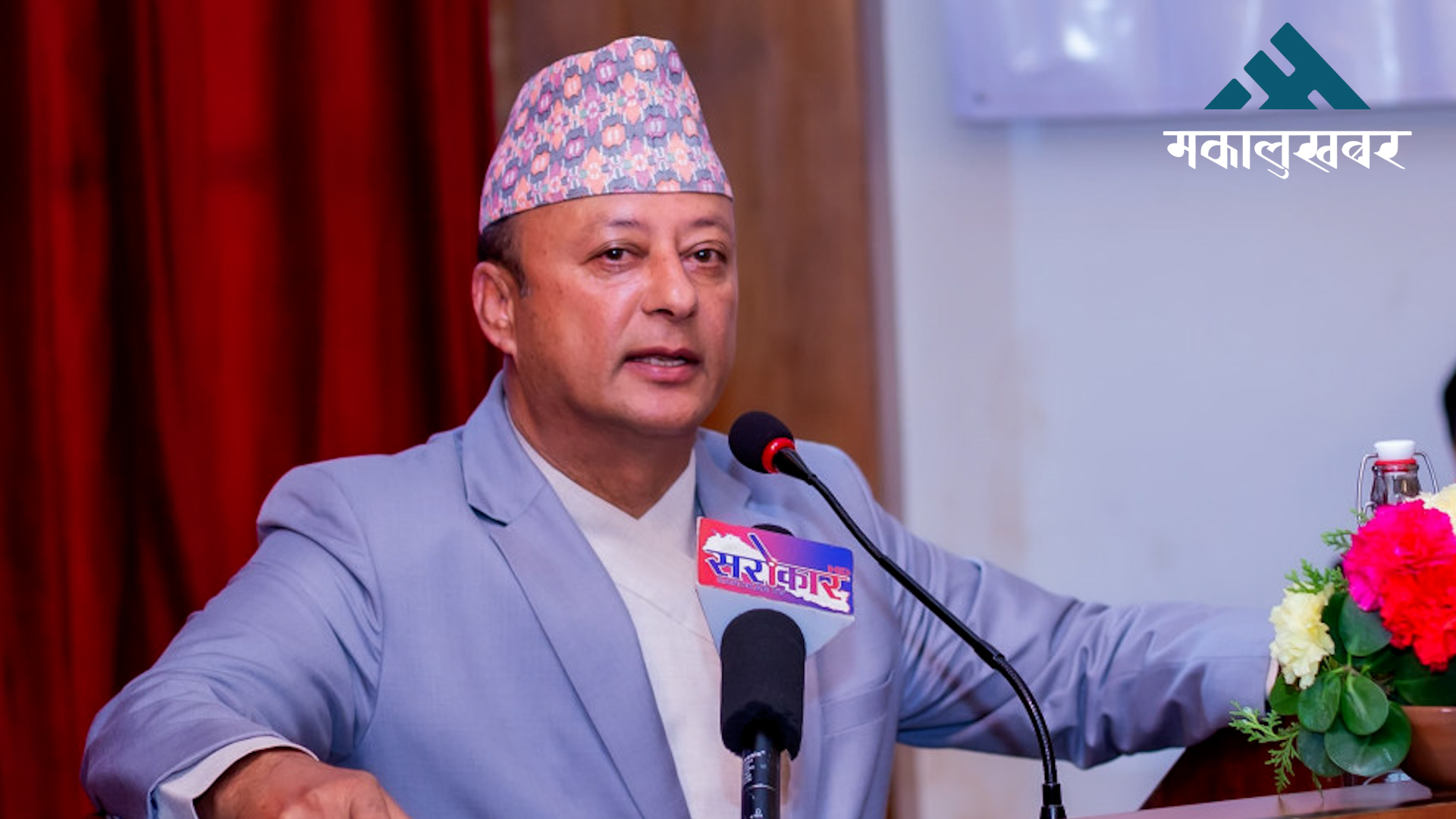
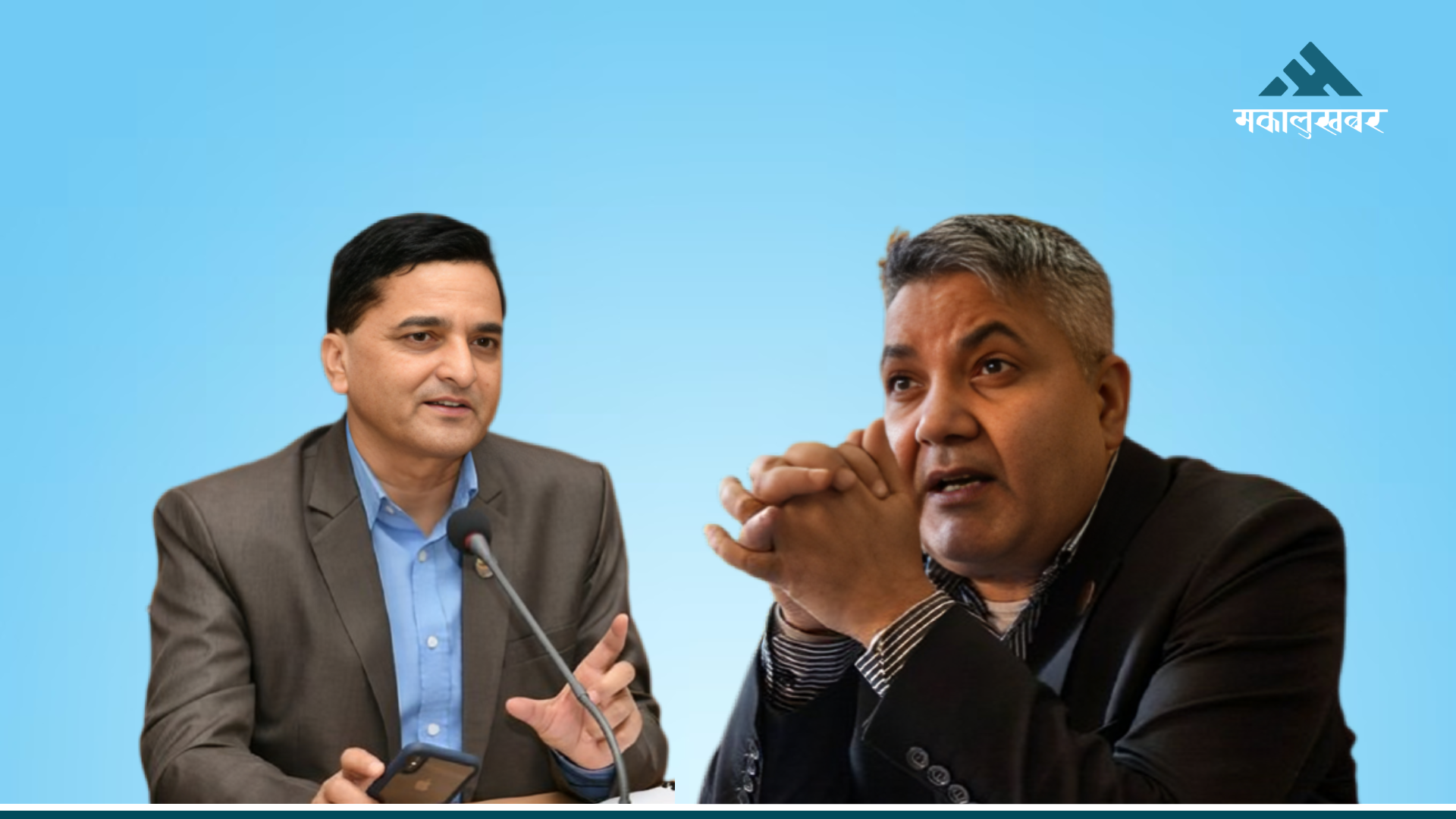
Party Vice General Secretary Yogesh Bhattarai has been denied a ticket from Taplejung, while former minister Gokul Baskota will not contest from Kavre-2.

KATHMANDU: The CPN-UML has sidelined two of its most influential leaders while finalizing candidates for the upcoming House of Representatives election, signaling a major strategic shift toward fresh and locally rooted faces.
Party Vice General Secretary Yogesh Bhattarai has been denied a ticket from Taplejung, while former minister Gokul Baskota will not contest from Kavre-2.
The decision was taken by party chair KP Sharma Oli, who was authorized by Saturday’s Secretariat meeting to make the final call on these constituencies.
In Taplejung, UML has nominated Kshitiz Thebe, the president of the National Youth Association Nepal. Bhattarai, who had won the seat consecutively in 2074 and 2079, was dropped mainly due to prolonged internal disputes within the district.
According to a senior UML leader, tensions over the Pathibhara cable car project had escalated to the point where Bhattarai faced difficulties even entering the district or participating in public programs.
With growing public opposition and an unfavorable security situation, Chair Oli chose to avoid political risk by fielding youth leader Thebe, who was elected president of the Youth Association in the party’s last general convention.
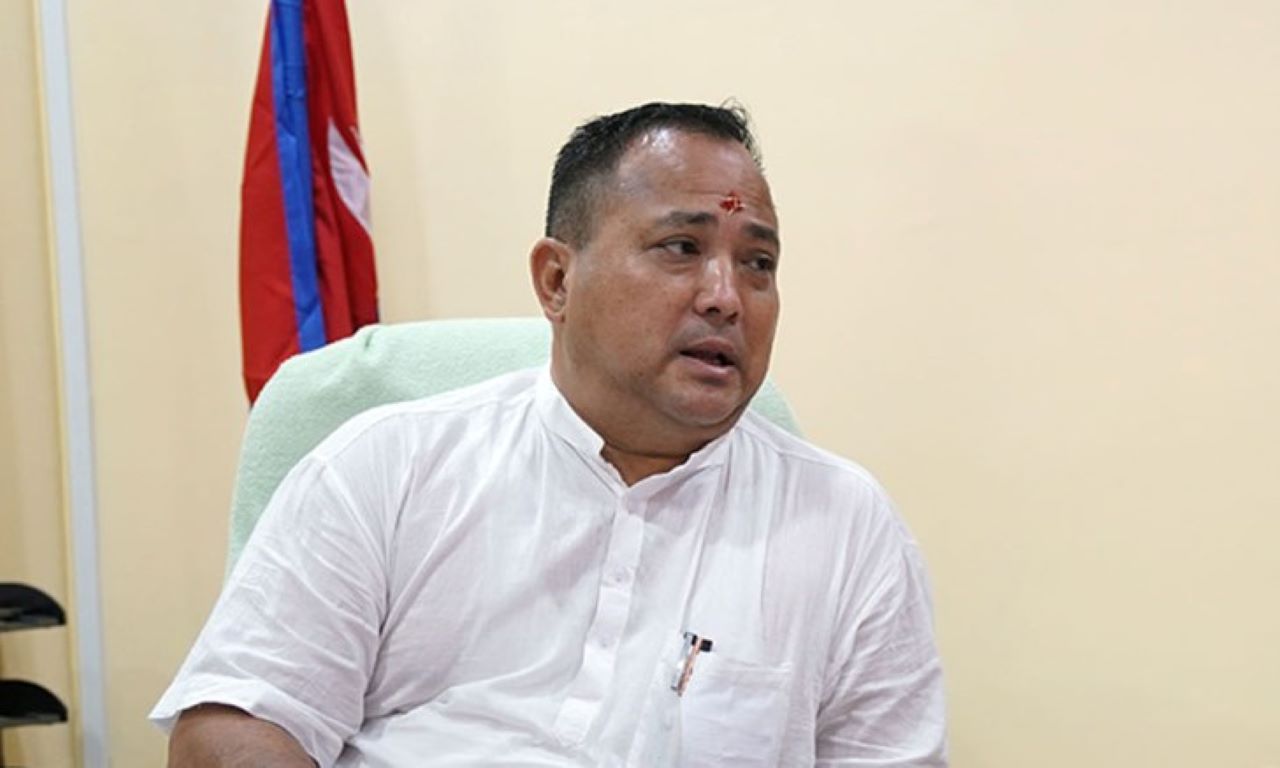
Meanwhile, in Kavre-2, former minister Baskota—who had previously survived tough electoral battles—has this time been overtaken by discontent from within his own party ranks.
Although his name was unanimously recommended by the district and constituency committees, Oli instead handed the ticket to Dhulikhel Mayor Ashok Byanju.
Sources say local UML cadres, especially the youth wing, had expressed strong dissatisfaction with Baskota’s leadership style.
With mounting internal resistance and concerns over electoral viability, the party opted for Byanju, a two-time mayor with strong grassroots support.
The exclusion of two heavyweight leaders highlights UML’s evolving electoral strategy, prioritizing local influence, organizational stability, and winnability over seniority.