Snow leopard kills 21 livestock in Upper Mustang
Preliminary assessments estimate losses at around Rs 455,000.

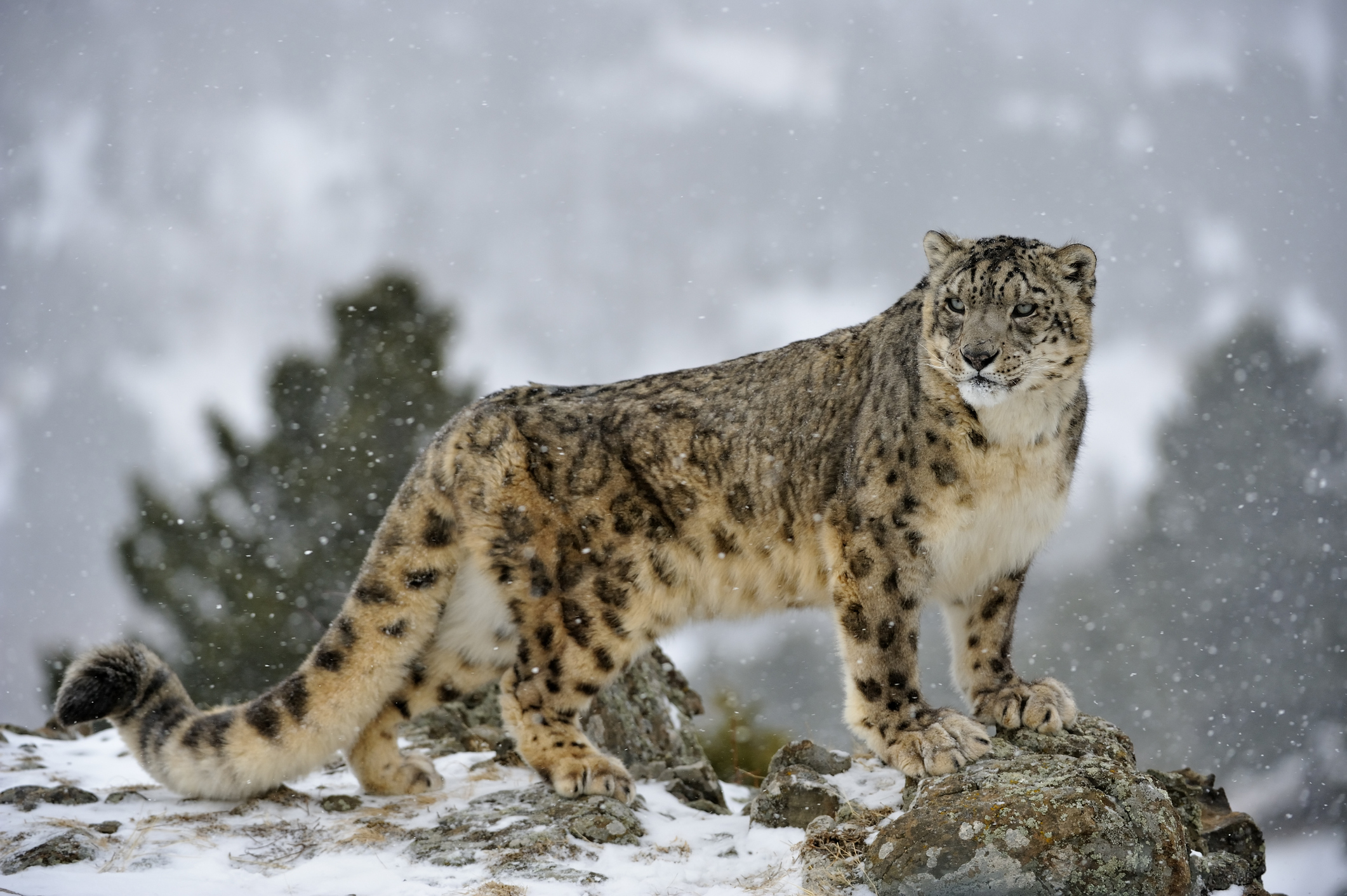
KATHMANDU: At least 21 sheep and goats have been killed and seven others injured in a snow leopard attack in Upper Mustang, intensifying concerns over rising human-wildlife conflict in Himalayan region.
The incident occurred on Saturday night in Chumjung, ward no. 4 of Lomanthang Rural Municipality, where a snow leopard broke into a livestock shed owned by local herder Ghyacho Gurung. According to the National Trust for Nature Conservation under its Annapurna Conservation Area Project (ACAP) unit in Lomanthang, the predator killed 10 goats and 11 sheep.
The shed, which housed a total of 315 animals, was reportedly secured with gabion wire fencing, yet the snow leopard managed to breach it and attack the livestock. Preliminary assessments estimate losses at around Rs 455,000.
A joint team comprising ACAP officials, police personnel, and veterinary technicians from Lomanthang Rural Municipality reached the site on Sunday morning following reports of the attack.
This is not an isolated case. On February 23, a similar incident in Kimling, also in Lomanthang–4, saw nine goats killed and another nine injured after a snow leopard entered a livestock shed owned by Mingmar Gurung. In another case in Marpha, ward no. 2 of Gharpajhong Rural Municipality, more than three dozen goats were killed in two separate attacks on a shed belonging to local farmer Santosh Pariyar.
In response to the growing threat, ACAP has installed three CCTV cameras in affected areas to monitor snow leopard activity. Additionally, surveillance cameras have been deployed across all five local units in Mustang district this fiscal year to support population tracking of snow leopards and other wildlife.
Authorities say compensation is being provided to affected farmers under wildlife damage relief guidelines issued by the Department of National Parks and Wildlife Conservation. However, delays in government disbursements have prompted ACAP to provide interim relief from its internal funds.
Experts and local residents warn that such incidents are becoming more frequent, threatening traditional livestock farming in the region. According to herders, snow leopards are increasingly entering settlements and livestock enclosures, as well as attacking animals grazing in high-altitude pastures.
Climate change is believed to be a key factor. Reduced availability of grass in alpine regions is forcing prey species to descend to lower altitudes, with snow leopards following them closer to human settlements. In recent years, the elusive predator has been spotted near roads and villages more frequently.