Severe heatwave grips Madhesh, authorities warn of heatstroke risk
Authorities say the prolonged high temperatures are already negatively affecting public health and daily activities across the region.

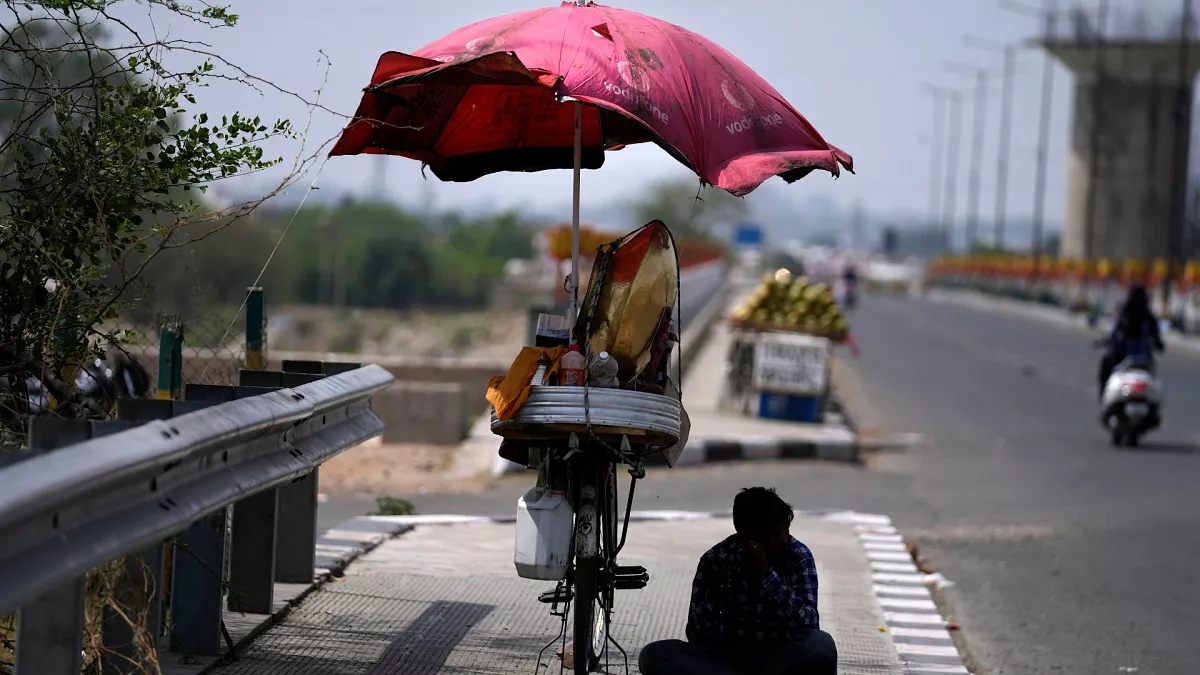
KATHMANDU: Daily life across Nepal’s Madhesh Province has been severely disrupted as temperatures have consistently crossed 40°C for over a week, raising serious concerns over a possible surge in heat-related illnesses.
The Hydrology and Meteorology Office in Janakpur has issued a warning that the ongoing extreme heat could trigger a widespread rise in heatstroke cases if conditions persist.
Authorities say the prolonged high temperatures are already negatively affecting public health and daily activities across the region.
Doctors caution that heatstroke can lead to excessive fatigue, weakness, intense thirst, vomiting, and even loss of consciousness.
Physicians at Provincial Hospital Janakpur have advised people to remain indoors or in cool environments during peak afternoon hours, avoid unnecessary exposure to sunlight, wear light and breathable clothing, and cover the head when going outside. They also emphasize drinking adequate water and fluids regularly.
The scorching conditions have made life particularly difficult for daily wage laborers, whose work in the open has become increasingly unbearable. Urban areas have also seen a noticeable decline in daytime movement, as residents avoid stepping outside during the hottest hours.
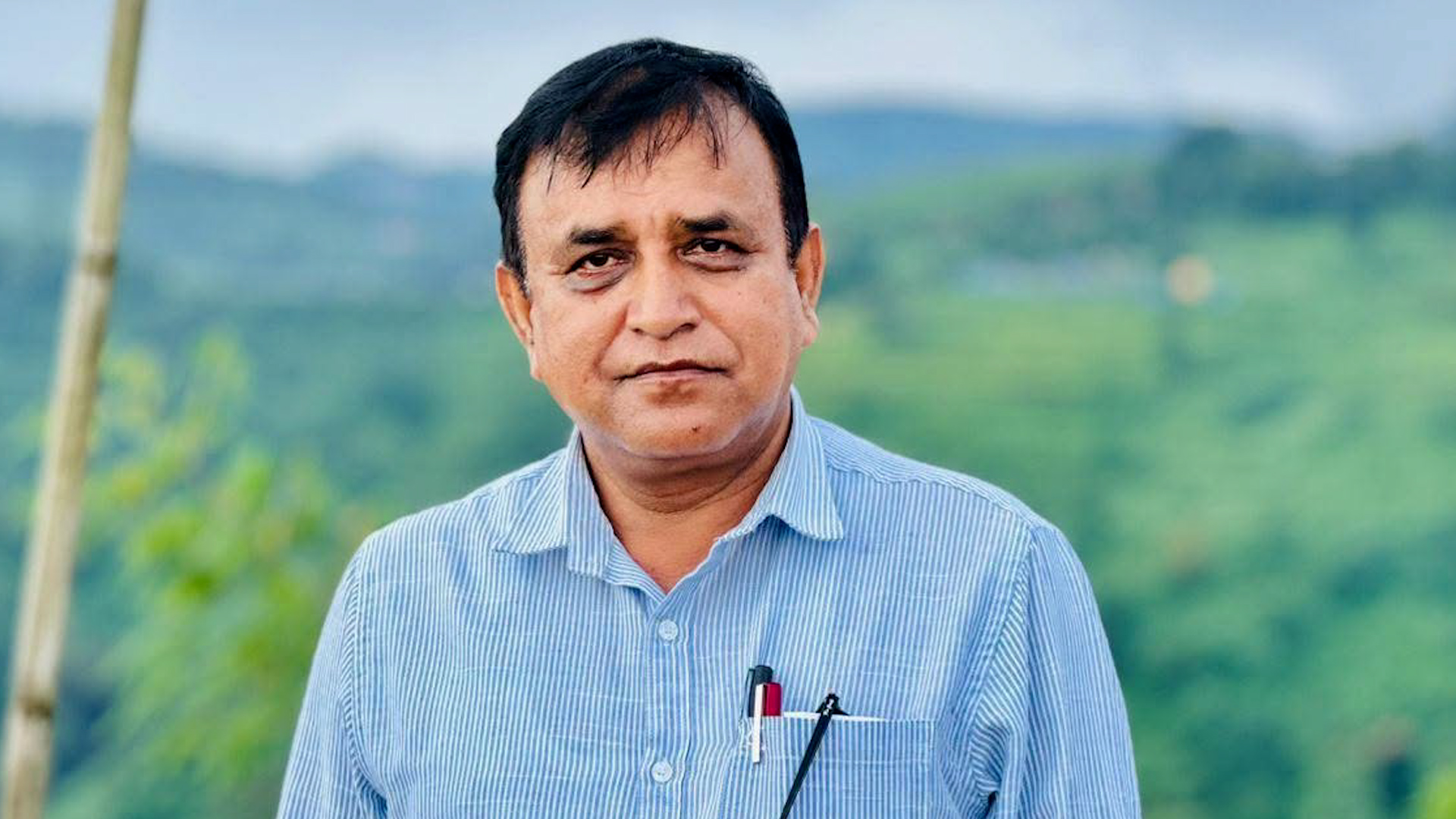
Meanwhile, officials at the Janakpur meteorological office, including chief Rajeev Jha, noted that the likelihood of timely monsoon rainfall this year appears low.
Although the monsoon season is officially expected from mid-May to mid-October, the region continues to suffer from intense heat even as May ends.
Health experts further warn that dehydration during extreme heat can cause various complications, including skin issues and toxin buildup in the body.
Dr. Digvijay Thakur stressed that even if one does not feel thirsty, at least eight glasses of water should be consumed daily. He also cautioned that beverages such as beer, coffee, and soda are not substitutes for water and may worsen dehydration.