Severe cold hits Terai, daily life disrupted
The unusual chill has affected outdoor work, closed schools, slowed travel, and made daily life difficult for residents across the region.

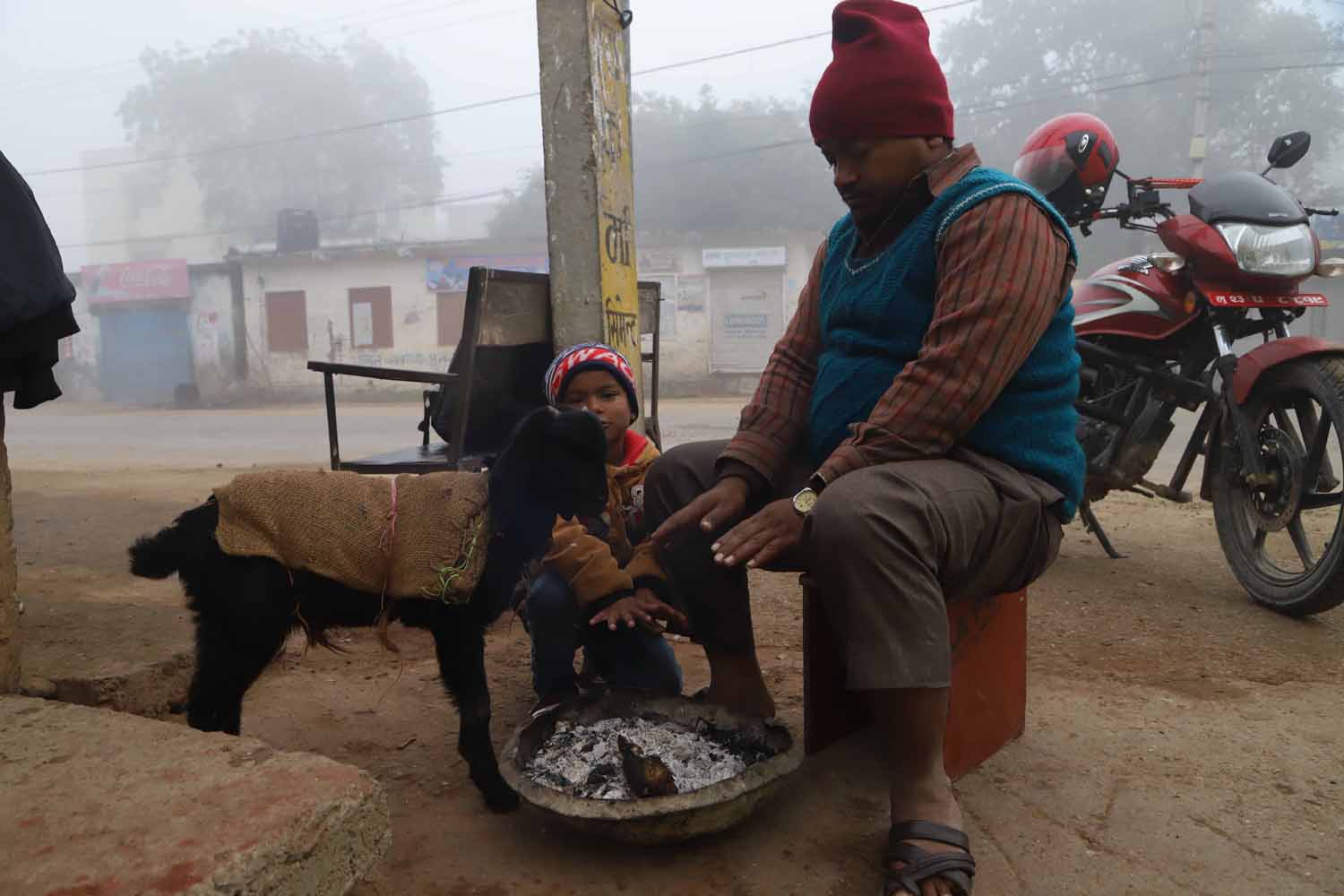
KATHMANDU: A severe cold wave sweeping across Nepal’s Terai/Madhesh plains has sharply lowered temperatures, accompanied by dense morning fog, disrupting daily life and putting the most vulnerable communities at risk.
The unusual chill has affected outdoor work, closed schools, slowed travel, and made daily life difficult for residents across the region.
Districts such as Mahottari, Saptari, Rautahat, and Bardiya reported that the cold wave has persisted for more than a week, with biting winds and limited sunlight worsening conditions.
Dense fog has reduced visibility for commuters, delayed flights, and forced temporary school closures to protect children from health risks.
The cold has hit low-income households the hardest. Many families lack adequate warm clothing, blankets, or insulated bedding, relying on open fires or thin coverings to stay warm.
Elderly residents, children, pregnant women, and people with chronic illnesses are particularly vulnerable to hypothermia and respiratory problems.
Travel has also been affected, with major airports experiencing delays or temporary suspension of flights due to poor visibility caused by thick fog. Daily wage workers and farmers are struggling as outdoor work becomes nearly impossible, affecting incomes and livelihoods.
Local authorities and community groups have started distributing firewood, blankets, and other warm materials to help those in need, but demand still exceeds supply in many areas.
Health workers report a rise in cold-related illnesses, emphasizing the urgent need for preventive measures.
Winter Safety Tips for Terai Residents
-
Dress in layers: Wear multiple clothing layers, including thermal wear, gloves, and caps.
-
Keep homes warm safely: Use blankets or stoves with proper ventilation.
-
Stay dry: Change wet clothes immediately; moisture increases the risk of hypothermia.
-
Eat warm, nutritious food: Soups, porridge, and tea help maintain body heat.
-
Protect vulnerable groups: Check on the elderly, children, and those with health issues.
-
Limit outdoor activity: Avoid early mornings and late nights when cold and fog are worst.
-
Travel carefully: Use low-beam lights, reduce speed, and leave extra space when driving in fog.
-
Community support: Share resources and information about local shelters or aid distribution points.