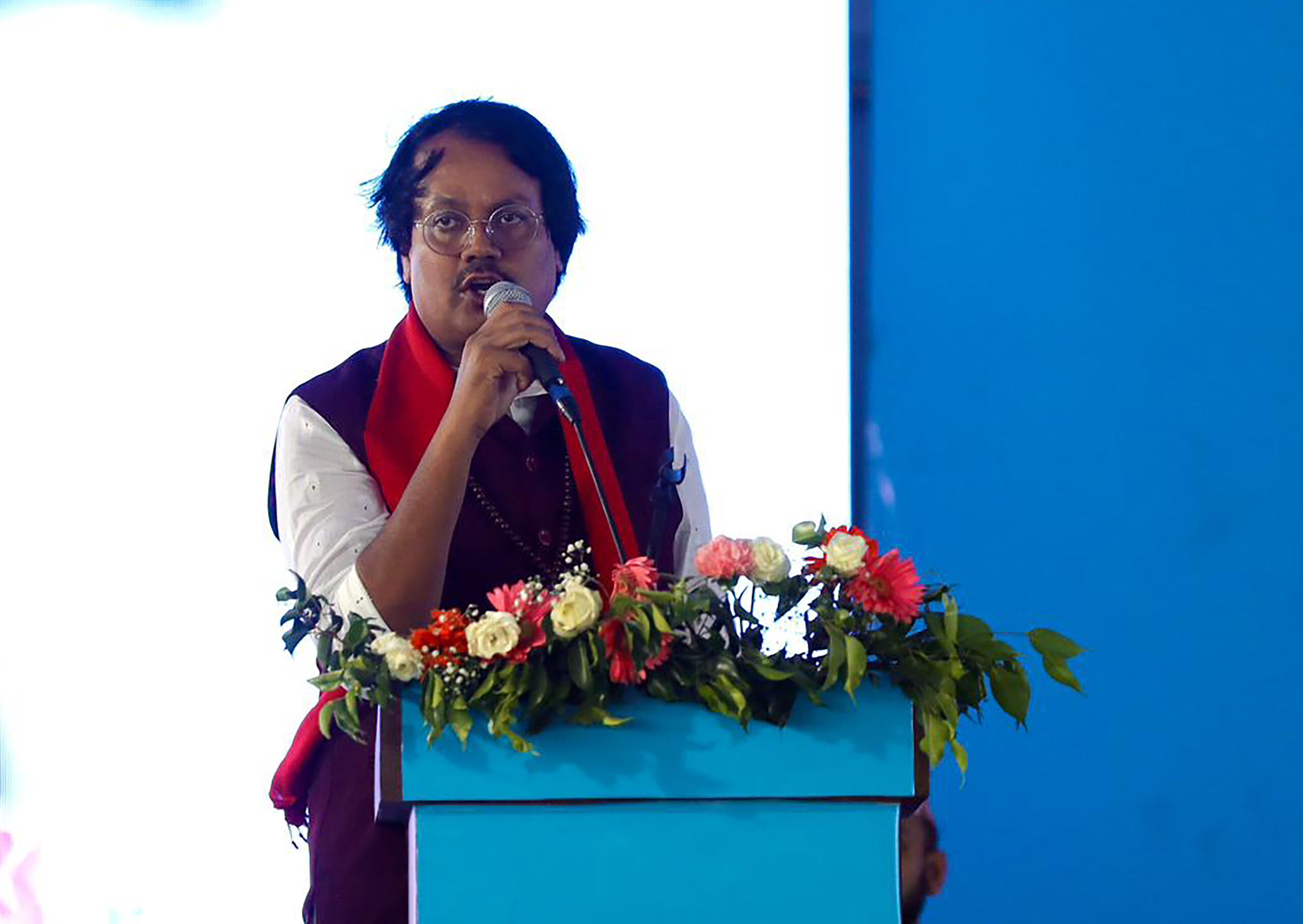
RSP seeks to transform Nepal’s political culture, says Vice Prez Swarnim Wagle
Wagle said the RSP was not born out of political splits or artificial alliances, but from public frustration with the status quo and a strong desire for change.

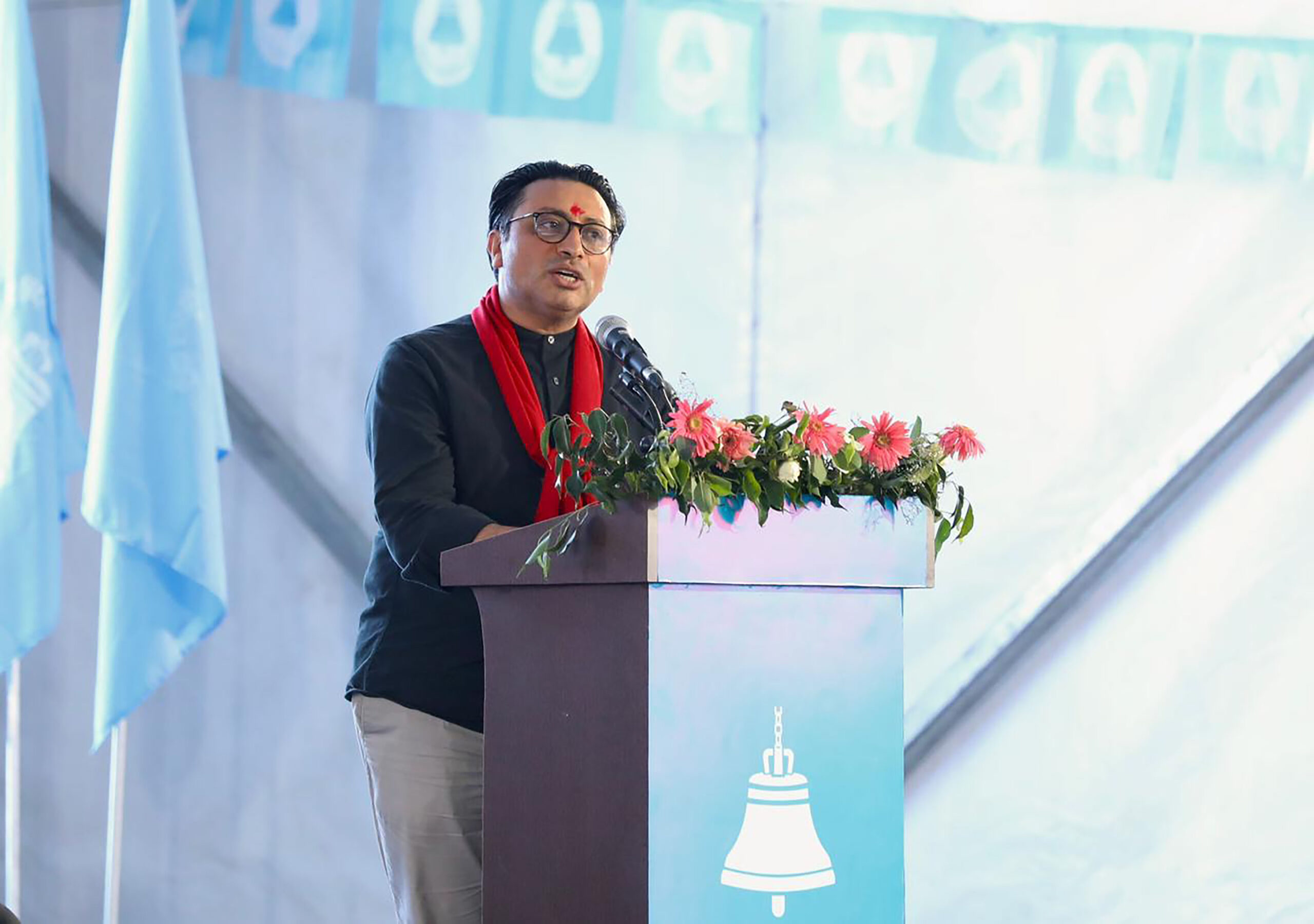
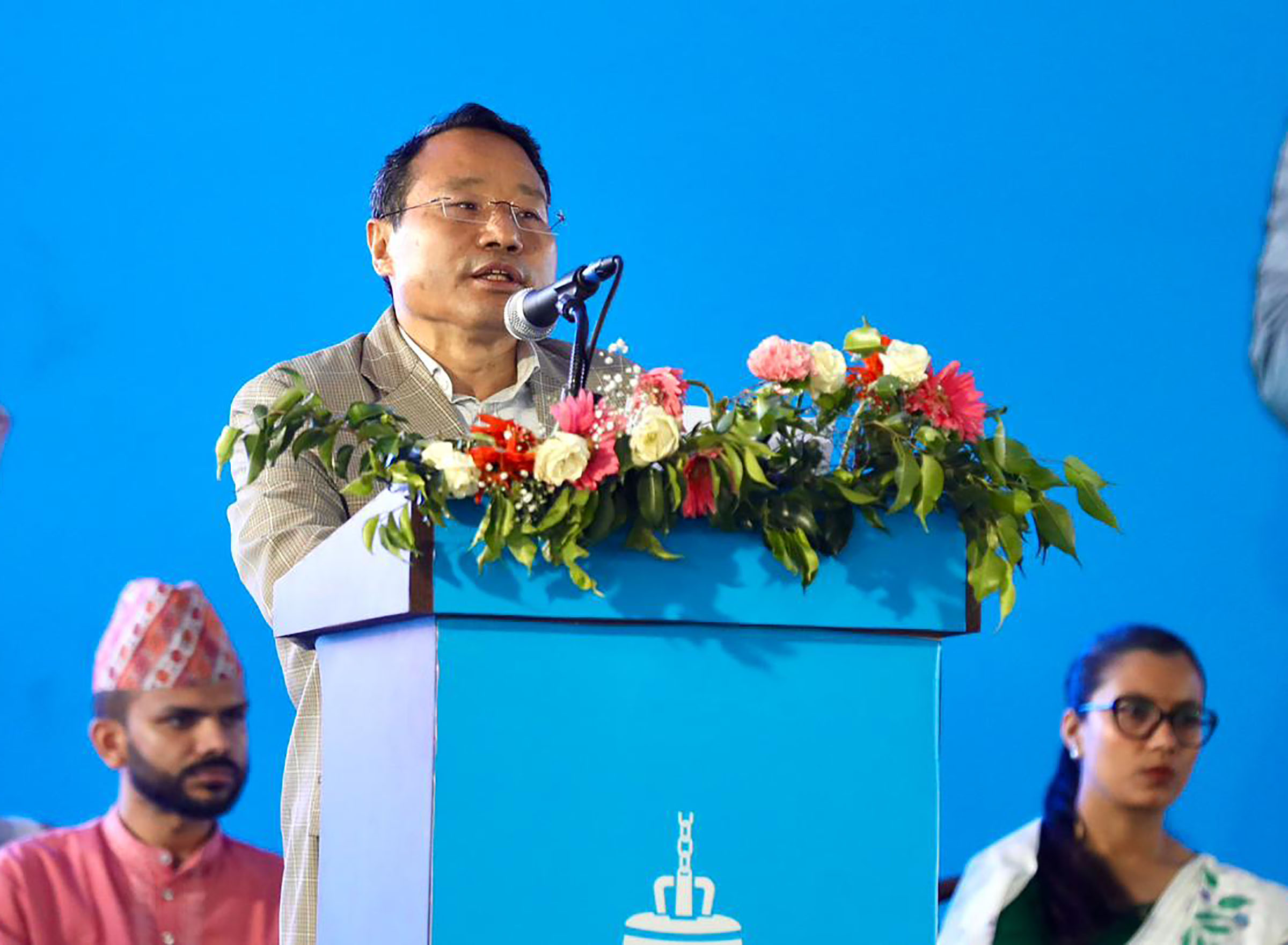
KATHMANDU: Rastriya Swatantra Party (RSP) Vice President Dr. Swarnim Wagle has said the party is on a mission to transform Nepal’s political culture, describing its first national convention as a historic milestone in the country’s democratic journey.
Addressing the party’s inaugural national convention, Wagle said the RSP was not born out of political splits or artificial alliances, but from public frustration with the status quo and a strong desire for change.
“Today, we have not gathered merely for a party convention. We have come together to write a new chapter in Nepal’s political history,” he said.
Wagle argued that while past political movements had succeeded in establishing democracy, the quality of democratic institutions had not developed as expected. He pointed to weak accountability, fragile institutions, and limited state capacity despite regular elections.
According to him, Nepal’s biggest challenge is not a lack of resources or opportunities, but a flawed system of incentives.
“Politics has become a system where it is difficult for honest people to enter, while those with influence find it easier to succeed. Our goal is not just to change governments, but to change the political culture itself,” he said.
Wagle said the RSP is evolving from a movement-driven party into an institutionalized political force capable of governing the country.
“We want to prove that we can do more than ask questions. We want to provide answers, move beyond opposition politics, and demonstrate our ability to govern effectively,” he stated.
He said the party envisions a future based on liberal democracy, a competitive economy, social justice, and a capable state.
Highlighting the need to create opportunities within the country, Wagle stressed that Nepal must end the compulsion forcing young people to seek better prospects abroad. He said the party remains committed to building a confident and prosperous nation.
Describing the convention as more than an organizational gathering, Wagle said it could serve as the beginning of a political renaissance in Nepal.
Concluding his address, he called on party members and supporters to transform despair into hope, anger into constructive action, and rebellion into meaningful change.