Rare skin disease successfully treated at NMC
According to the college, Bhawana Lama had been battling psoriasis for the past seven to eight years.

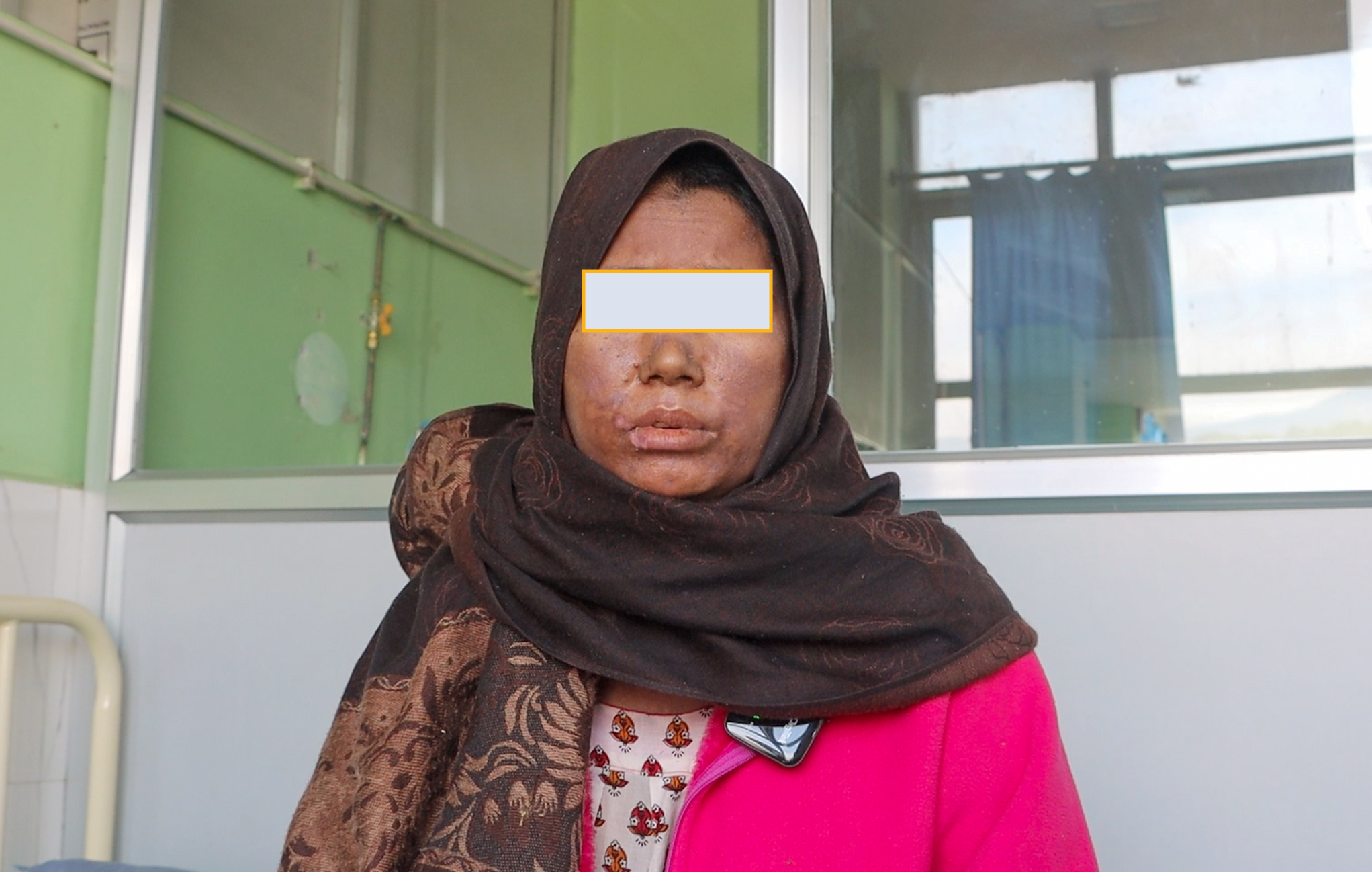
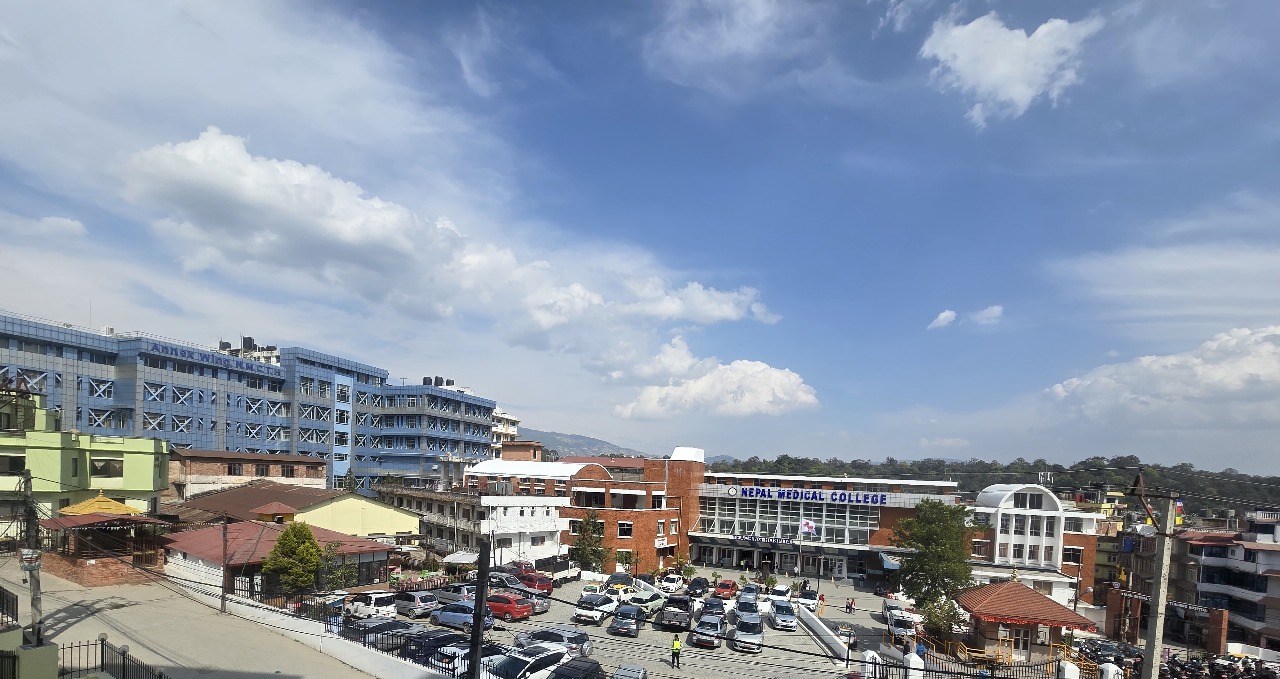
KATHMANDU: A 40-year-old woman from Nuwakot, suffering from generalized pustular psoriasis, a rare and life-threatening skin condition, has been successfully treated at Nepal Medical College (NMC).
According to the college, Bhawana Lama had been battling psoriasis for the past seven to eight years.
She was admitted to the college on Kartik 21 with generalized pustular psoriasis, a condition considered among the rarest forms of psoriasis.
Prof. Dr. Diptara Pathak, Head of the Dermatology Department at Nepal Medical College, said the patient arrived at the emergency department in an extremely critical condition. “She had generalized pustular psoriasis with small pus-filled pustules across her entire body, accompanied by erythroderma—generalized redness and scaling of the skin. Additionally, she was suffering from septic shock, acute kidney failure, pneumonia, hypothyroidism, cardiac irregularities, blood abnormalities, electrolyte imbalance, and low albumin levels,” Dr. Pathak explained.
Due to multiple complications, treating Bhavana was extremely challenging, as the medications used to control the disease carry significant side effects. “Despite the high risk of mortality and severe complications, our team successfully treated the patient and saved her life,” she added.
Bhawana was initially admitted to the ICU, later transferred to the ward, and finally discharged after three weeks. During her hospital stay, she was also diagnosed with underlying gynecological issues, ENT (ear, nose, throat) conditions, and latent tuberculosis, for which she received specialist care and treatment.
What is generalized pustular psoriasis
Generalized pustular psoriasis is a rare, severe form of psoriasis characterized by pus-filled pustules that can appear across the entire body and recur in flares. It may be associated with erythroderma and can lead to multiple serious complications, including infections, skin failure, lung, kidney, heart, gastrointestinal, and metabolic disorders. The condition carries a high risk of mortality if left untreated.
Bhavana’s family described her condition before hospitalization: “It started in her neck, then spread to her back and limbs within 1–2 days. Pustules appeared rapidly, sometimes over 100 in a single day, accompanied by continuous vomiting. We immediately took her to Tribhuvan University Teaching Hospital, but there were no ICU beds available, so we contacted Nepal Medical College and brought her here.”
After 19 days of intensive treatment, Bhavana has fully recovered. She expressed her gratitude to the doctors and nurses who treated her: “You gave me a new life. When I had lost all hope of surviving, you saved me and gave me courage. Thank you for not letting me give up.”
Symptoms of generalized pustular psoriasis
-
Multiple white or yellow pus-filled pustules on the skin.
-
Surrounding skin appears red, hot, and painful.
-
Rapid formation of new pustules after rupture, causing severe discomfort.
-
May cover large areas of the body, including mouth, fingers, and nails.
-
Severe cases can cause dehydration, electrolyte imbalance, and sepsis, significantly increasing the risk of death.
Nepal Medical College’s successful treatment of Bhavana Lama demonstrates the hospital’s expertise in managing rare and critical dermatological conditions, offering hope to patients with complex skin disorders in Nepal.