Heatwave risk rises, Ministry urges vigilance
The health official also urged the public to avoid smoking and alcohol consumption during extreme heat, maintain proper hydration, and seek immediate medical consultation if any unusual health symptoms appear.


KATHMANDU: The Ministry of Health and Food Hygiene has urged citizens to take necessary precautions against heatwaves as rising global temperatures increase the risk of extreme heat across various parts of Nepal.
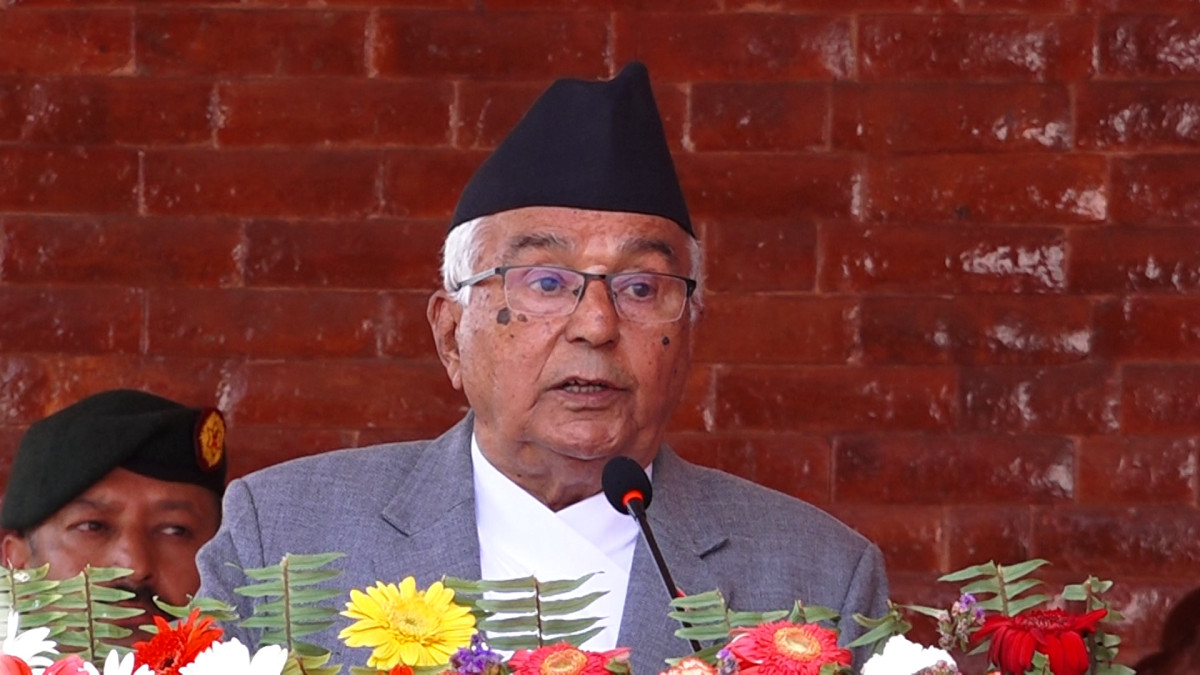
Speaking on the issue, the ministry’s Assistant Spokesperson, Dr. Samir Kumar Adhikari, said forecasts indicate that hot wind conditions could occur alongside the monsoon season, posing potential health risks. He stressed the importance of preparedness and preventive measures to protect people from heat-related illnesses.
Dr. Adhikari said the government has been coordinating with relevant agencies to strengthen preparedness and reduce heatwave-related risks, particularly in the Tarai districts, where temperatures are generally higher.
He advised people to avoid outdoor activities during the hottest hours of the day and instead carry out necessary work in the morning or evening. He also recommended drinking plenty of water, consuming liquid-rich foods, and ensuring adequate rest.
According to Dr. Adhikari, prolonged exposure to extreme heat can have long-term effects on the eyes and skin. He urged people to take extra precautions when going outdoors during periods of high temperatures.
Children, senior citizens, and people living with chronic illnesses are particularly vulnerable to heatwaves and should remain especially cautious, he said.
The health official also urged the public to avoid smoking and alcohol consumption during extreme heat, maintain proper hydration, and seek immediate medical consultation if any unusual health symptoms appear.
“Forecasts suggest that with the onset of the monsoon, there is a possibility of increased exposure to hot winds. To protect ourselves from heatwave risks, everyone must take preventive measures. The ministry is working closely with concerned stakeholders to address the issue. People living in hotter regions should adjust their daily routines accordingly, avoid working during peak heat hours, stay hydrated, consume liquid-rich foods, and get sufficient rest. Heatwaves can also cause long-term problems affecting the eyes and skin. Children and elderly people are at greater risk and require additional care. Avoiding smoking and alcohol and seeking medical advice when necessary are also important,” Dr. Adhikari said.
What is a Heatwave?
A heatwave is a prolonged period of excessively hot weather, often accompanied by high humidity. It is generally declared when temperatures rise significantly above the normal average for a specific region.
Experts warn that climate change is contributing to increasing global temperatures, making heatwaves more frequent and intense.
Heatwaves can lead to dehydration, heat exhaustion, heatstroke, and increased cardiovascular risks.
Causes of Heatwaves
Several factors contribute to the occurrence of heatwaves, including:
- Rising global temperatures caused by climate change
- Unplanned urbanization and expansion of concrete infrastructure
- Heat absorption by buildings and roads in urban areas
- Deforestation, which reduces natural cooling and increases surface temperatures
Symptoms of Heat-Related Illnesses
Dehydration
- Excessive thirst
- Dry mouth
- Fatigue
Heat Exhaustion
- Dizziness
- Excessive sweating
- Weakness
Heatstroke
- Extremely high body temperature
- Confusion
- Loss of consciousness
Cardiovascular Stress
- Increased heart rate
- Chest discomfort
How to Stay Safe During a Heatwave
- Avoid going outdoors during peak daytime heat.
- Wear light-colored, loose-fitting clothing.
- Stay in cool or shaded areas.
- Use fans or air conditioners whenever possible.
- Eat light and nutritious meals.
- Take prescribed medications regularly as advised by healthcare professionals.
- Drink sufficient water and maintain hydration.
- Monitor blood pressure and blood sugar levels regularly.
- Avoid strenuous physical activities.
- Remain indoors or in cooler environments during periods of extreme heat.
Health authorities have emphasized that public awareness and timely precautions are essential to minimizing the health impacts of heatwaves, particularly as climate change continues to intensify extreme weather events worldwide.