High alert at entry points amid Ebola risk
Surveillance at entry points includes passenger health screening, awareness activities, testing of suspected cases, and coordination with the National Public Health Laboratory and infectious disease hospitals for proper management.


KATHMANDU: The World Health Organization (WHO) has declared the new Ebola virus outbreak spreading across African countries including the Democratic Republic of Congo and Uganda as a Public Health Emergency of International Concern (PHEIC).
Following the announcement, the Government of Nepal has intensified monitoring and preparedness measures, considering the potential risk of Ebola virus transmission. Officials said preparedness activities have been accelerated to minimize possible threats.
According to Dr. Samir Kumar Adhikari, Assistant Spokesperson at the Ministry of Health and Population, Nepal has stepped up Ebola risk reduction efforts after WHO classified the outbreak as a global public health concern.
He said the ministry is reviewing testing capacity, healthcare workforce readiness, treatment management, and infection control measures while coordinating with hospitals, laboratories, and disease control agencies.
He added that health workers have been mobilized at possible points of entry to monitor any infected individuals entering Nepal.
Surveillance at entry points includes passenger health screening, awareness activities, testing of suspected cases, and coordination with the National Public Health Laboratory and infectious disease hospitals for proper management.
Dr. Adhikari further said that the National Emergency Medical Team, led by the Director General of the Department of Health Services, has been activated to strengthen Ebola control and risk mitigation efforts.
He also noted that Nepal is coordinating with other countries for information sharing under the International Health Regulations (IHR) to prevent possible importation of the disease. He clarified that there is currently no immediate threat of Ebola infection in Nepal.
How Ebola Spreads
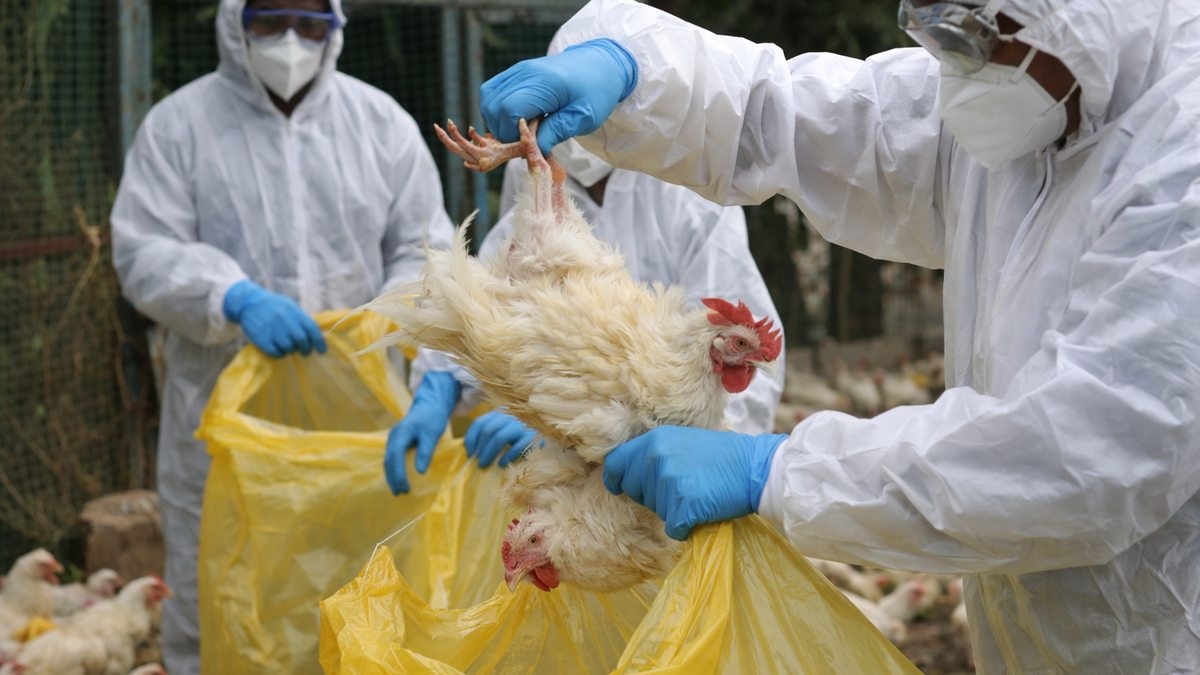
Ebola virus is believed to have first transmitted from wild animals to humans. Human infection typically occurs through contact with infected wild animals or their biological fluids, blood, or meat, particularly among people handling or consuming bushmeat.
Animals such as chimpanzees, gorillas, monkeys, pigs, antelopes, porcupines, and especially bats are considered major sources of transmission.
Human-to-human transmission occurs through direct contact with blood, bodily fluids, or organs of infected individuals. The virus can also spread through sexual contact via semen or vaginal fluids.
Symptoms of Ebola
Early symptoms include:
- High fever
- Headache
- Joint and muscle pain
- Sore throat and abdominal pain
- Weakness and fatigue
- Loss of appetite
- Difficulty breathing
As the disease progresses, patients may develop vomiting, diarrhea, skin rashes, and organ complications affecting the liver and kidneys.
In severe cases, bleeding may occur from the nose, eyes, ears, gums, and other body openings, including internal bleeding in the digestive system, which can lead to death due to excessive blood loss.
Treatment, Prevention, and Control
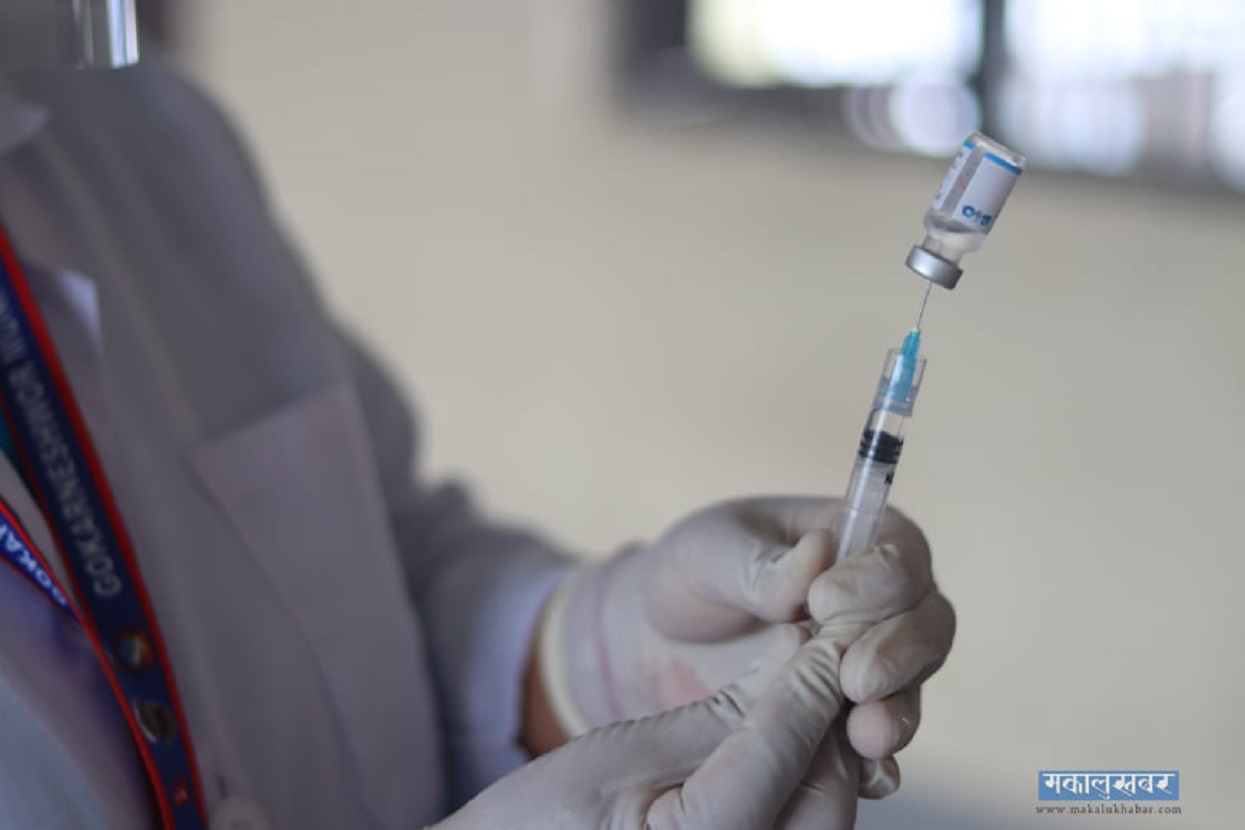
Ebola can be diagnosed through blood testing, but there is currently no widely effective specific antiviral treatment. Although vaccines have been developed and tested, none are yet universally approved for general use in all settings.
Therefore, patient care mainly focuses on supportive treatment. This includes maintaining hydration, providing oral rehydration solutions containing water, salt, and sugar, and offering general supportive care to stabilize patients.
Health authorities emphasize early detection, isolation, strict infection control measures, and continuous monitoring as the most effective ways to prevent and control the spread of Ebola.