Rabi calls for stronger Nepal–India development partnership in Hindustan Times article
In the article released today, Lamichhane described Nepal–India relations as an “historic opportunity” to elevate bilateral ties to a new level.

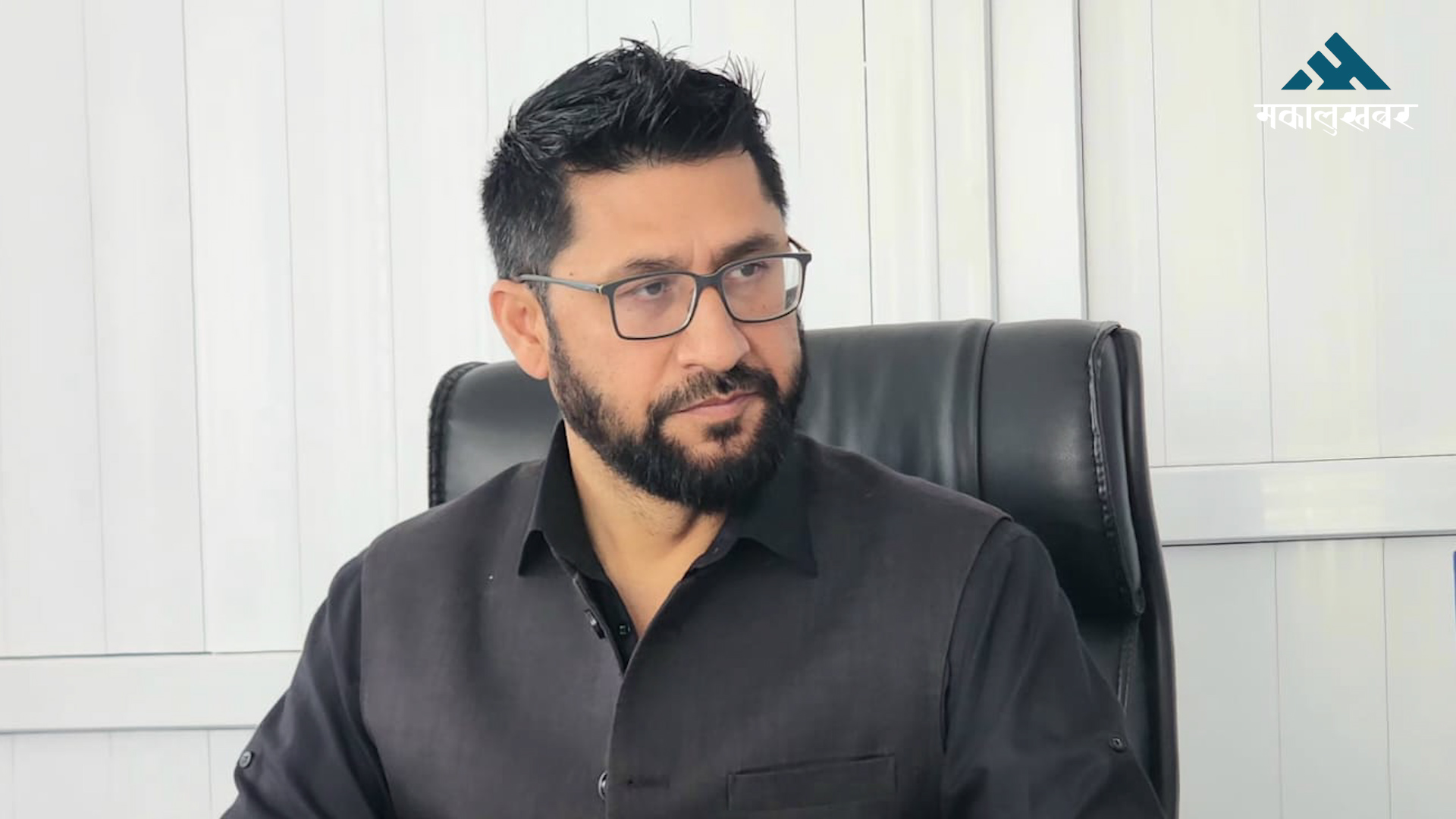
KATHMANDU: Rastriya Swatantra Party (RSP) President Rabi Lamichhane has published an article in the renowned Indian media outlet Hindustan Times during his ongoing visit to India, presenting his views on Nepal’s evolving political landscape and the future of Nepal–India relations.
In the article released today, Lamichhane described Nepal–India relations as an “historic opportunity” to elevate bilateral ties to a new level.
He emphasized that the relationship between the two neighbors should be freed from geopolitical rivalry and confrontation and instead be centered on development-oriented diplomacy.
Highlighting Nepal’s recent political developments, he noted that the country’s political transformation has taken place through peaceful and democratic electoral processes, calling it one of the most significant events in Nepal’s modern political history.
Lamichhane further claimed that emerging political forces in Nepal have rapidly gained substantial public support, reflecting both public frustration and aspirations. According to him, Nepal is now moving toward a path of good governance, development, and direct accountability to citizens.
He stated that the core strength of his political party lies in being free from past political burdens and traditional agreements, allowing it to represent a new political direction in the country.
On Nepal–India relations, he stressed that the two countries are not only neighboring states but also civilizational partners connected through shared culture, religion, and heritage. He specifically highlighted cultural and spiritual links such as Ayodhya–Janakpur, Pashupatinath–Kedarnath, and Lumbini–Bodhgaya.
Praising India’s rapid economic growth, Lamichhane expressed Nepal’s willingness to become a partner in India’s development journey. He said that the proposed Raxaul–Kathmandu railway project, if completed, would significantly transform trade, tourism, and regional connectivity.
He also proposed expanding direct air connectivity from Pokhara and Lumbini to major Indian cities including Delhi, Mumbai, and Bengaluru. Additionally, he put forward the concept of a “Kathmandu–Bengaluru Digital Corridor,” along with proposals for establishing a fertilizer factory in the border region, building innovation and technology centers, and adopting educational models from leading Indian institutions in Nepal.
Discussing sports cooperation, he suggested linking Nepali players and stadium infrastructure with platforms like the Indian Premier League (IPL), indicating potential future collaboration in sports development.
Lamichhane further stressed the need to reshape Nepal–India relations into a framework based on development, investment, trade, and energy cooperation. He called for making diplomatic missions more effective in promoting investment and trade and emphasized the importance of developing an integrated energy market between the two countries.
Recalling Indian Prime Minister Narendra Modi’s address to the Nepali Parliament during his 2014 Nepal visit, he said the moment symbolized trust and closeness between the two nations and stressed the need to further strengthen that relationship.
He concluded that there is no alternative to reviving the historical trust, cooperation, and warmth that have long defined Nepal–India relations.