Rabi–Balen ‘surprise alliance’ shakes Nepal’s political establishment
The agreement was formally endorsed by the RSP Central Committee, further intensifying pressure on long-dominant parties that have controlled state power for decades.

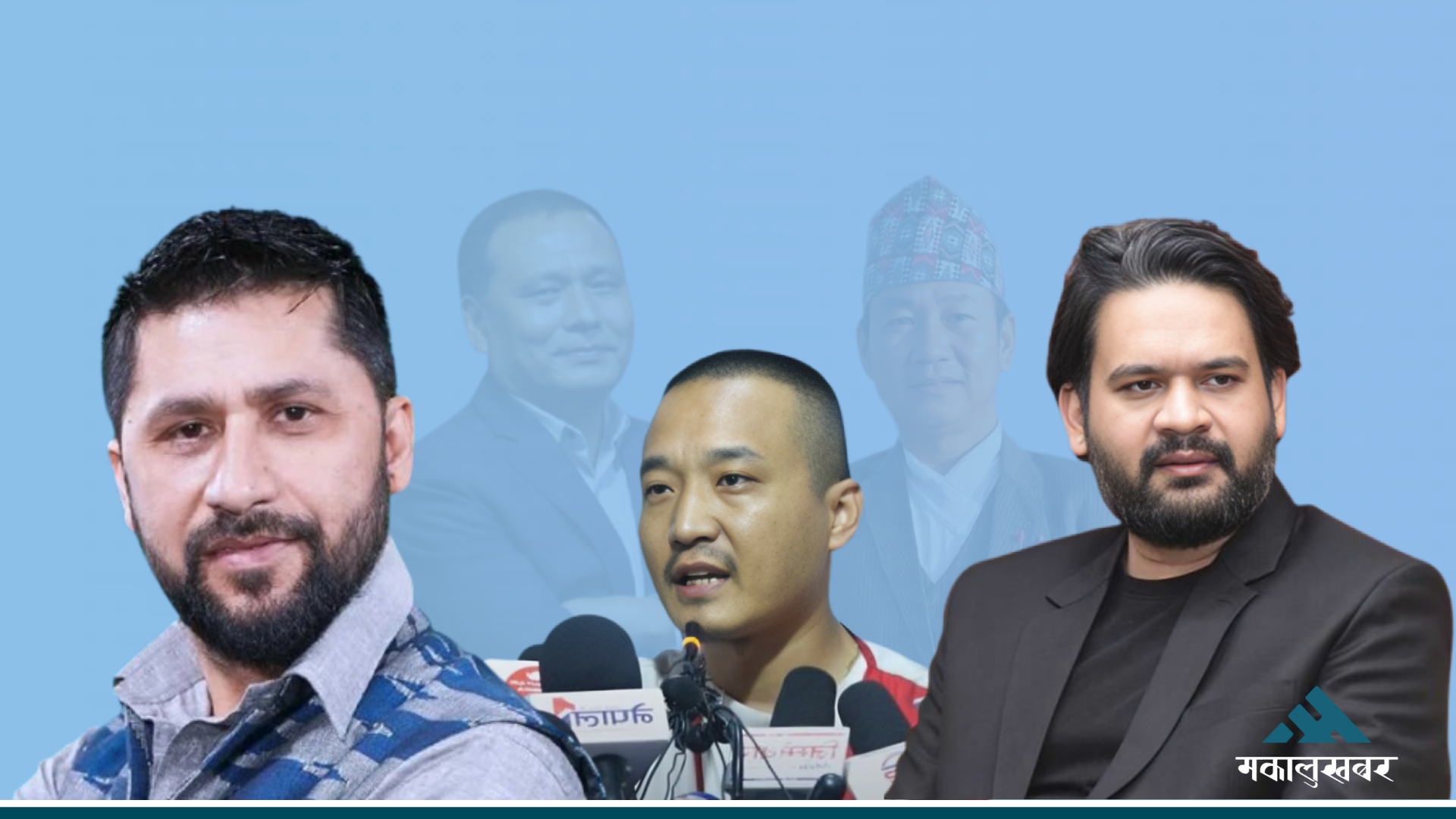
KATHMANDU: Nepal’s traditional political landscape has been thrown into turmoil following a surprise alliance between Rastriya Swatantra Party (RSP) President Rabi Lamichhane and Kathmandu Metropolitan City Mayor Balen Shah.
The seven-point agreement reached on Sunday morning, which endorses Balen as the prime ministerial candidate under the ‘Bell’ election symbol for the upcoming parliamentary elections, has sent shockwaves across the country’s political spectrum.
The agreement was formally endorsed by the RSP Central Committee, further intensifying pressure on long-dominant parties that have controlled state power for decades.
For the Nepali Congress, CPN-UML, and CPN (Maoist Centre)—already struggling to contain growing public dissatisfaction since the 2079 BS elections—the Rabi-Balen equation has emerged as their biggest political headache yet.
With public frustration mounting against traditional parties and governance failures, analysts believe the alliance between two of the most influential new-age political figures could fundamentally alter the electoral arithmetic of the House of Representatives election scheduled for Falgun 21.
The combination of RSP’s nationwide organizational structure and Balen’s strong popular appeal is widely expected to cut directly into the vote banks of established parties, positioning the alliance as a powerful “third force” in national politics.
Old Parties Calm Outside, Anxious Within
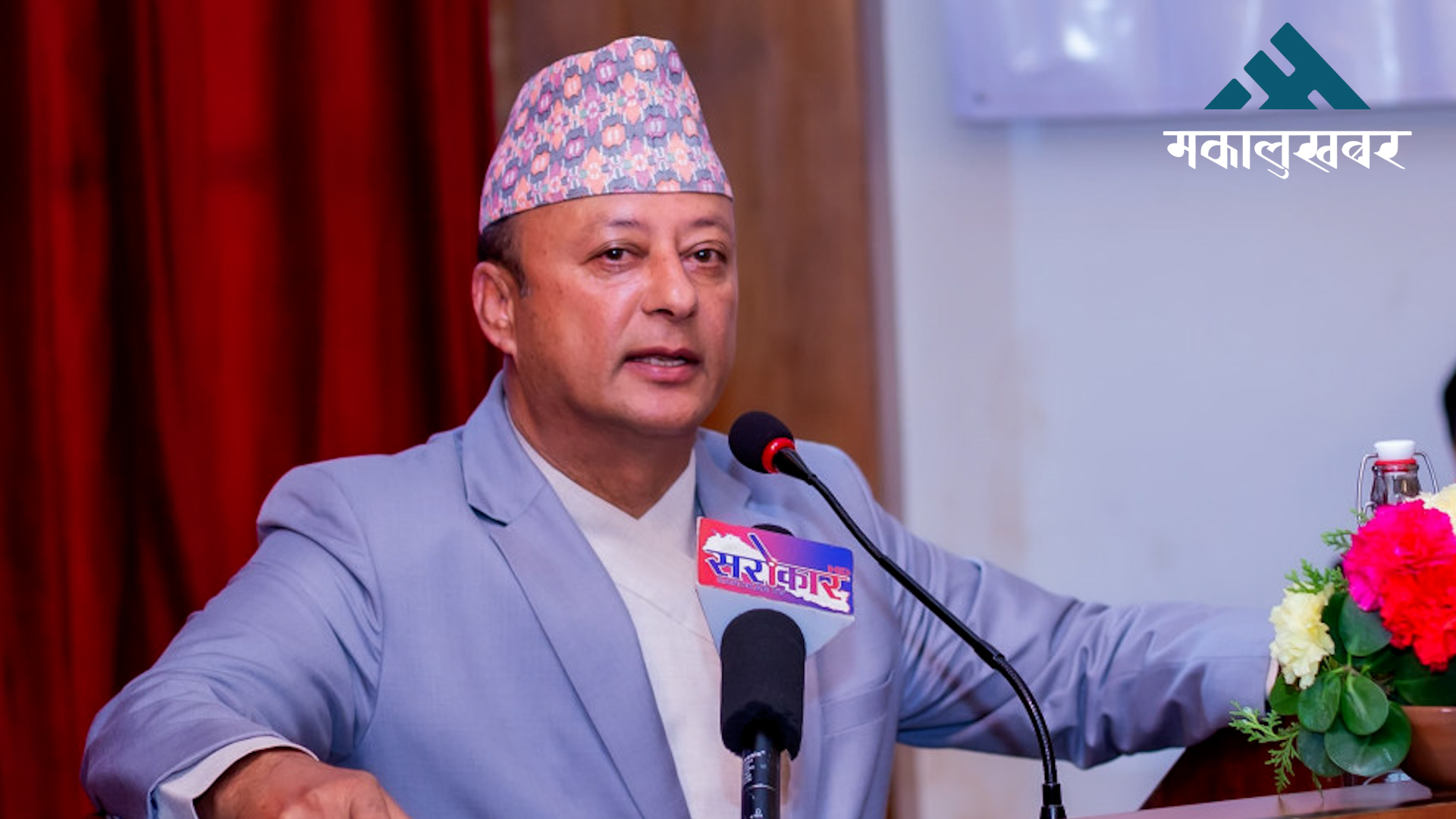
Reactions from traditional parties suggest visible unease beneath a façade of composure. CPN-UML General Secretary Shankar Pokhrel’s response has been particularly telling. Labeling the Ravi-Balen alliance a “geopolitical conspiracy,” Pokhrel claimed it was part of a broader plan to destabilize Nepal and turn it into another Ukraine.
In a social media post, Pokhrel wrote, “The incidents of Bhadra 23 and 24 were the first phase of a geopolitical plot to make Nepal unstable by turning it into a pawn of global power struggles. The current agreement is a continuation of that plan.” His framing of the alliance as foreign-driven has been widely interpreted as a sign of UML’s fear of losing its traditional voter base. While UML leaders publicly downplay the alliance’s significance, internal party circles appear deeply unsettled.
The Nepali Congress has also tried to project normalcy while privately acknowledging the challenge. Congress Vice-President Dhanraj Gurung said he did not find the Rabi-Balen partnership “unusual,” stating, “Political alignments and realignments are part of democratic journeys. The Congress has faced challenges from the Rana regime and the Panchayat system; therefore, we are not taking this too seriously.”
However, Congress Joint General Secretary Kishor Singh Rathore’s remark urging new parties to “run a party for ten years before making big claims” reveals both skepticism and irritation within the party establishment toward the rise of new political forces. Despite adopting a ‘wait-and-watch’ approach, traditional parties are increasingly concerned that the election outcome may slip beyond their control.
Maoist Response and Ideological Criticism
Leaders from the Maoist camp have also weighed in. CPN (Maoist Centre)-aligned Nepal Communist Party spokesperson Agni Sapkota described political polarization as a positive development but accused the new alliance of lacking ideological clarity. “Politics cannot be done merely by criticizing old parties,” he said, underscoring concerns about the alliance’s long-term political vision.
Ripples Across Madhesh and Smaller Parties
The alliance has also caused tremors among Madhesh-based and smaller parties. Janata Samajwadi Party (JSP) Nepal and Rastriya Prajatantra Party (RPP) have questioned the agreement for failing to explicitly address core issues such as federalism and secularism.
JSP leader Manish Suman acknowledged that the agreement appears to cater to Gen Z aspirations but warned that federalism risks being sidelined.
Meanwhile, Dharan Mayor Harka Sampang launched a sharp attack on Balen Shah, accusing him of carrying a foreign agenda—an allegation that has further fueled political controversy.
‘Old vs New’ Battle Set for Upcoming Elections
RSP’s decision to project Balen Shah as a future prime minister while positioning Rabi Lamichhane as the party’s central commander has transformed the upcoming elections into a clear contest between “old versus new.”
The agreement, finalized after marathon talks from Saturday evening through Sunday morning at Asim Shah’s office, has created conditions that could force long-standing power contenders such as Sher Bahadur Deuba, KP Sharma Oli, and Pushpa Kamal Dahal to step aside from the race for Singha Durbar.