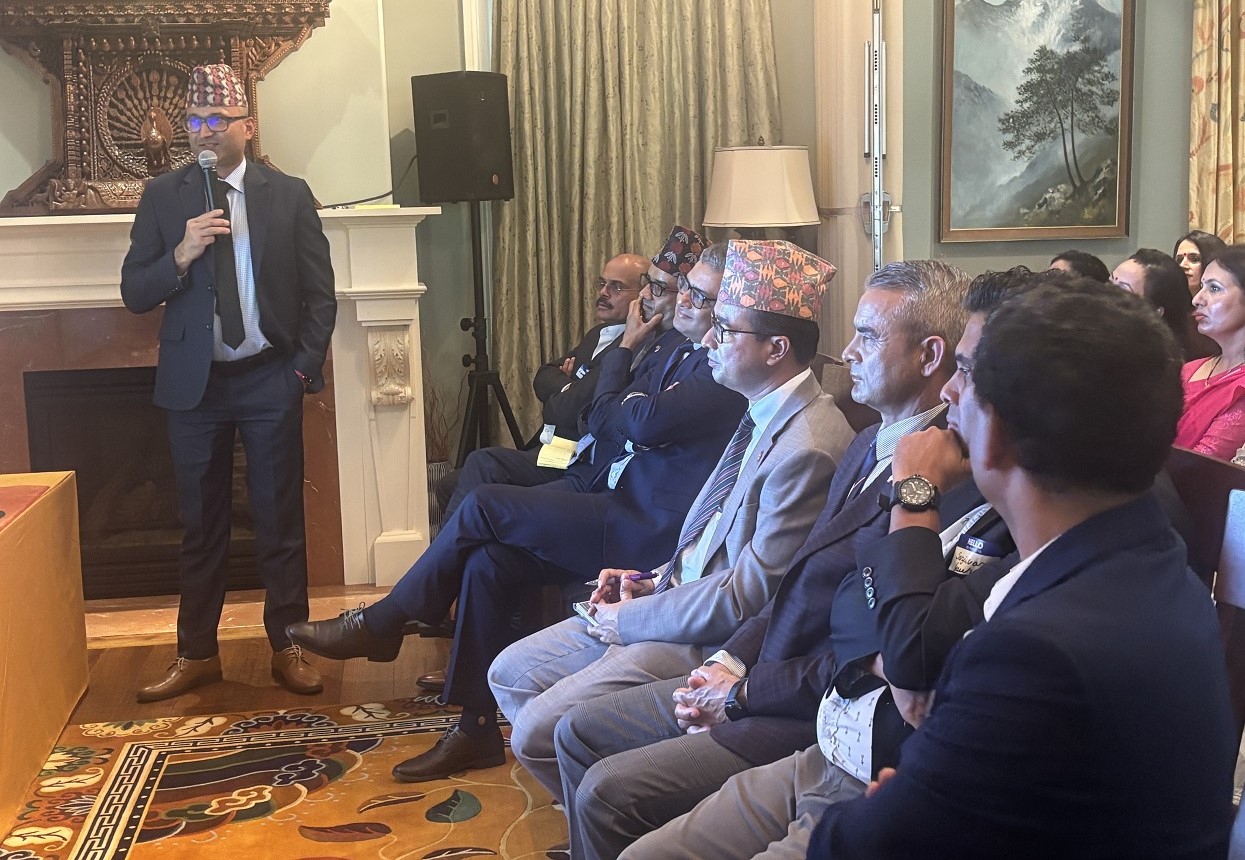
Prachanda: Once a revolutionary, now a development champion
Over a seven-day voter outreach program, Prachanda’s four-day (84-hour) journey appeared informal yet profoundly emotional.

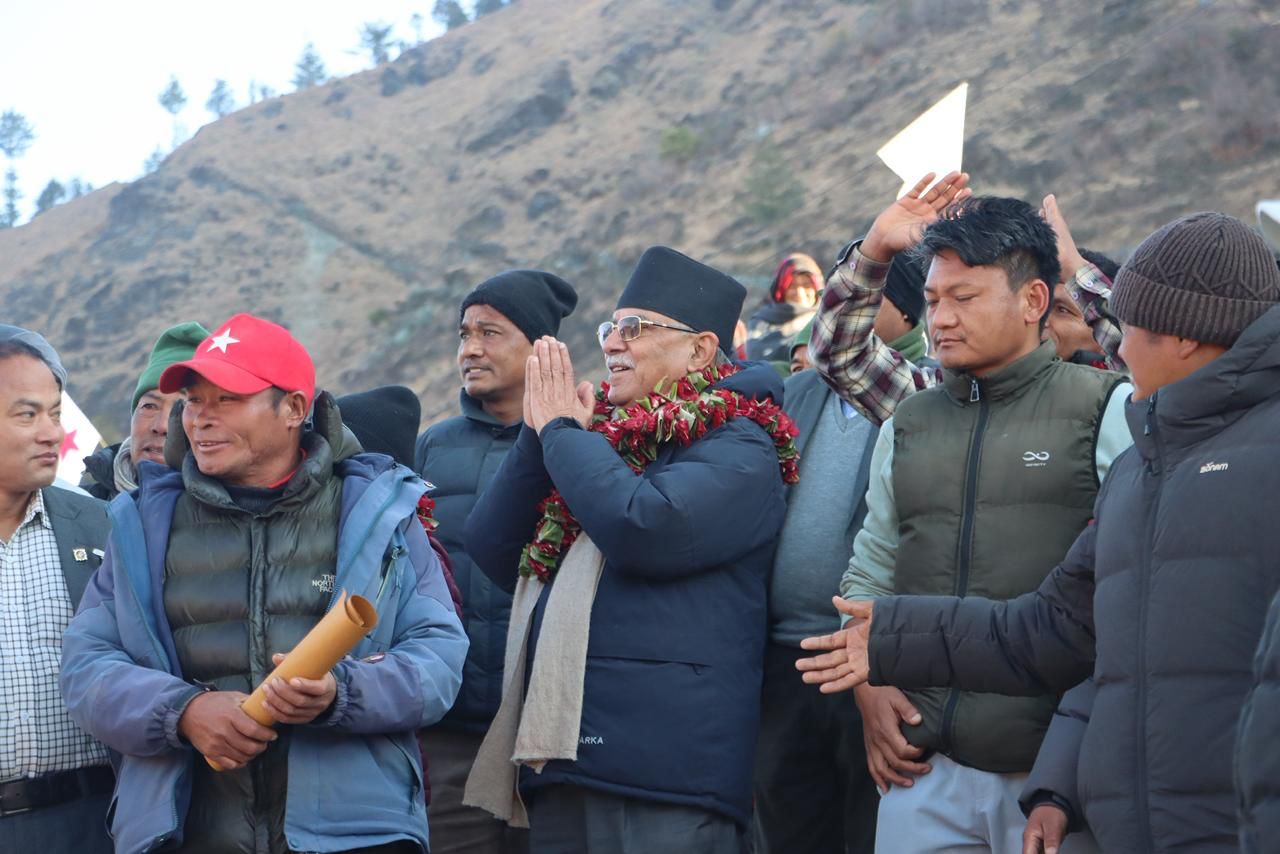
RUKUM (East): Amid icy winds at the Patihalna border, former Prime Minister and Nepali Communist Party (NCP) coordinator Pushpa Kamal Dahal ‘Prachanda’ was greeted by layers of pristine snow.
Arriving in Rukum East on Feb 12, Prachanda’s playful moments in the snow, captured in photos and videos, went viral on social media.
Yet, this visit was more than a leisure trip—it was a deeply symbolic journey. For the first time as Prime Minister, he retraced the Mid-Hill Highway route to the cradle of revolution and peace, carrying a vision for a new beginning.
Over a seven-day voter outreach program, Prachanda’s four-day (84-hour) journey appeared informal yet profoundly emotional.
His itinerary combined commemorating historical sites of the people’s war, meeting martyrs’ families, honoring injured combatants, listening to local grievances, and reaffirming development commitments.
Prachanda’s candidacy has ignited renewed enthusiasm among voters and party workers in Rukum East, with villages resonating with the sights of fireside chats, snow-covered hills, natural hot springs, and revolutionary songs sung at the martyrs’ gates.
Day 1: Snowy Welcome from Patihalna to Bhume
At the Baglung–Rukum border in Patihalna, party workers welcomed Prachanda with immense excitement.
His first steps on the snow-covered hills were followed by moments of playful enjoyment, which quickly captured social media attention.
From there, he proceeded to Bhume-1, Lukum, a densely populated village along the Mid-Hill Highway.
Locals greeted him according to Kham Magar cultural traditions, weaving ceremonial scarves. Prachanda inducted UML district member Tara Prasad Pun into the party and pledged to make Lukum a model village.
He instructed his personal secretary to immediately resolve telephone connectivity issues and later visited Khabang Bagar, enjoying casual conversations with locals and party workers around evening fires.
Day 2: Revisiting History at Labang and Mahat Villages
Feb 13 marked the 30th People’s War Day. Prachanda visited Labang, the village where a 2061 BS Politburo meeting had sanctioned disciplinary action against Dr. Baburam Bhattarai. Locals offered roasted maize, local delicacies, and milk.
Prachanda expressed satisfaction at the visible transformations over time, while acknowledging unfinished work and pledging further progress.
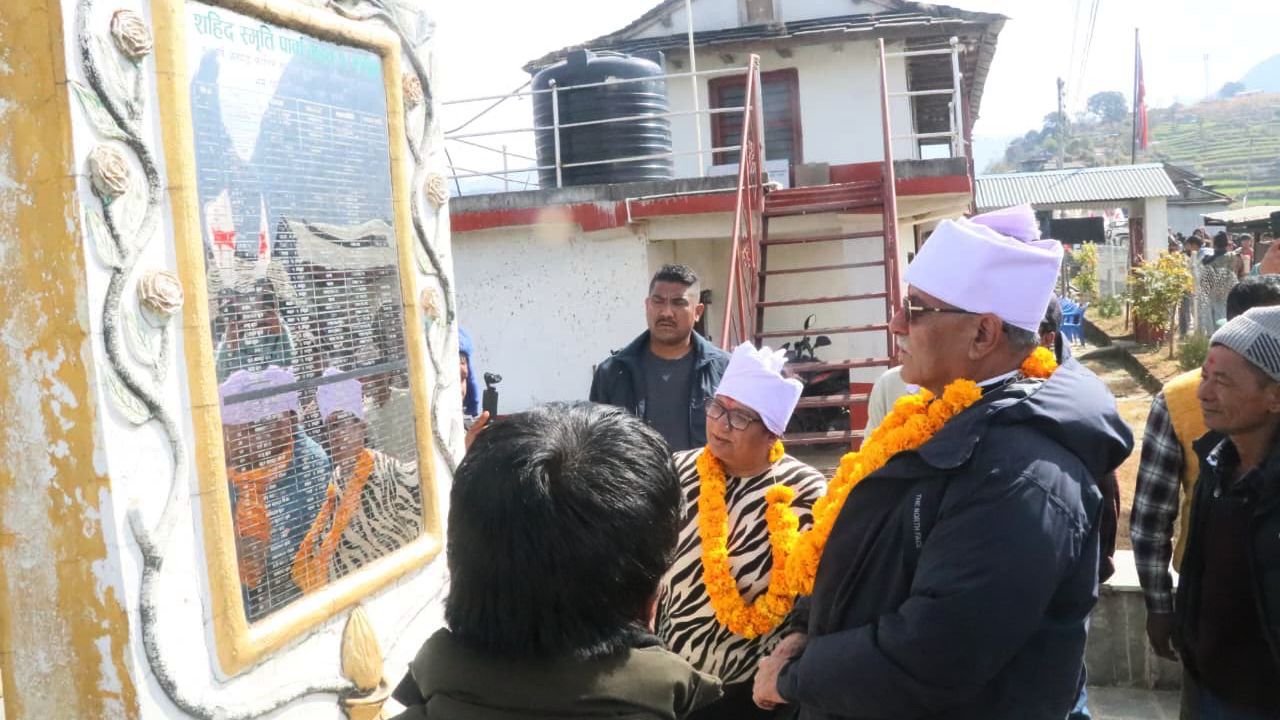
Later, in Mahat Village, he observed structures commemorating the first exchange of prisoners of war, part of the People’s War legacy.
Visiting the war memorial park, Prachanda revisited key episodes of the struggle, including DSP Thule Rai’s arrest and the prisoner exchange with Dev Gurung, which vividly recounted revolutionary history.
Residents welcomed him with traditional fanfare, sharing grievances and receiving assurances of development support.
Evening celebrations in Chunbang’s Gairigaun included Paiseru dance, colorful displays, and songs honoring martyrs, making the observance both emotional and politically significant.
Day 3: Chunbang Peace Gate and Taksera
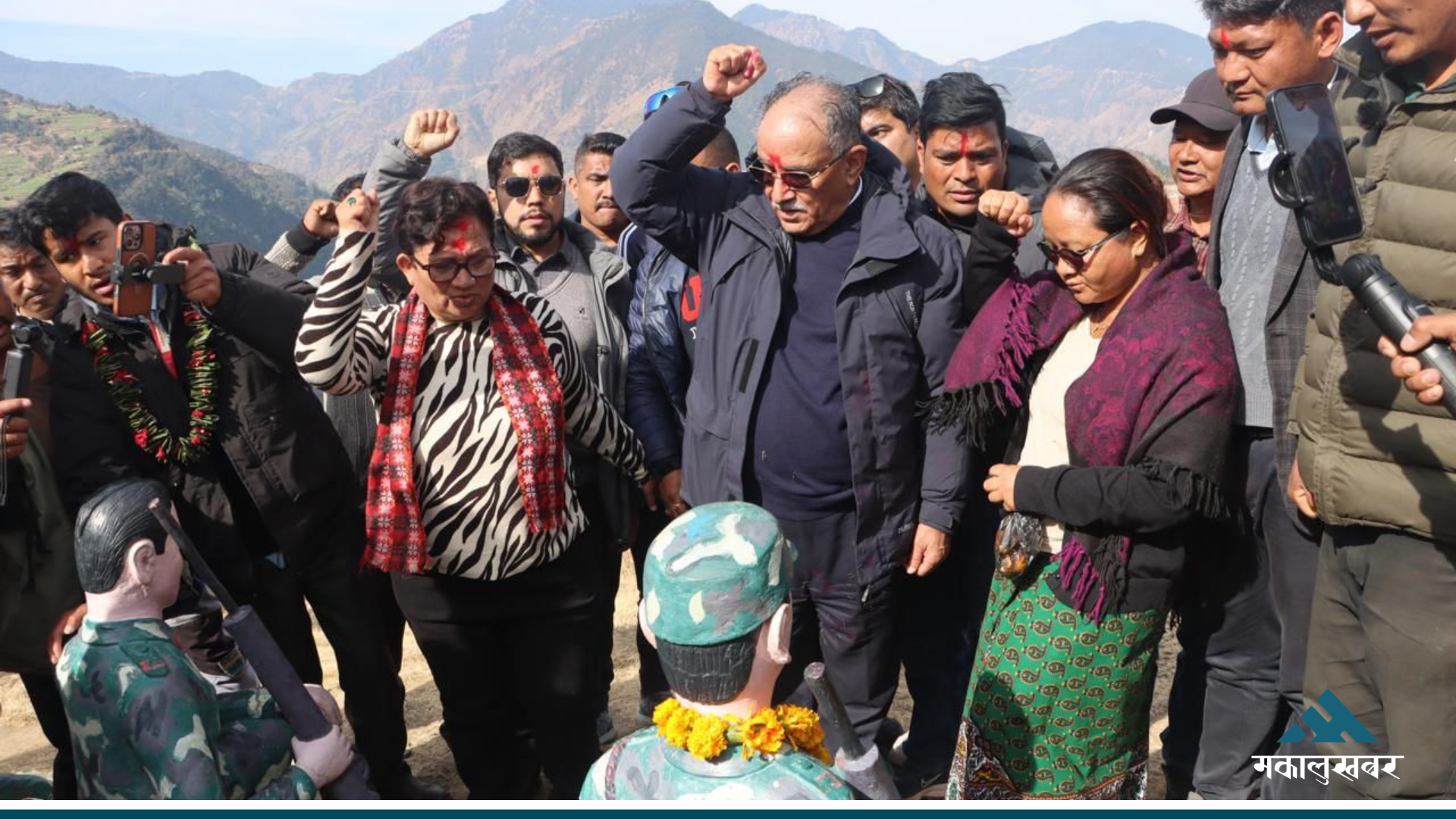
On Feb 14 at 7:45 am, Prachanda toured Chunbang’s Bheri Danda, the site of the historic meeting that passed the proposal for a democratic republic, effectively opening the “door to peace.” This landmark decision, later formalized in a 12-point agreement, paved the way for the peace process and the establishment of a federal democratic republic.
He visited the meeting venue, preparation rooms, and residential quarters of himself, his wife Sita, son Prakash, and other leaders, witnessing history firsthand. He also inspected the ongoing construction of a war museum.
At Gairigaun’s martyrs’ gate, Prachanda joined local revolutionary artists in a rendition of the song “Martyrs are smiling”, sharing with locals that Rukum East had given him renewed energy. He welcomed newcomers to the party. In the evening, at the tourist site Taksera in Putha Uttarganga Rural Municipality, he pledged to preserve infrastructure, language, and cultural heritage while staying overnight.
Day 4: Morning Walk, Fireside Chats, and Community Socialism
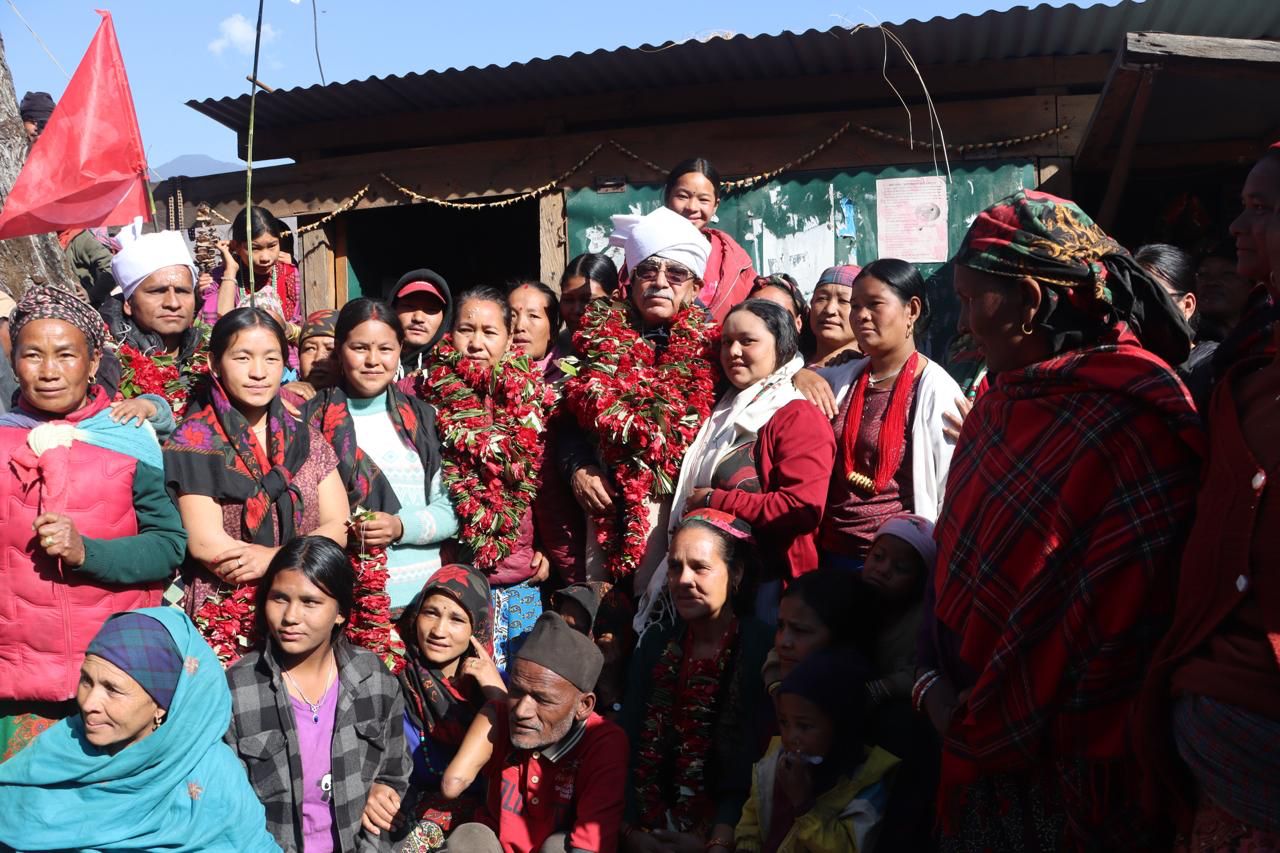
On Feb 15 morning, Prachanda took a morning walk in Taksera, warming by the fire at a Dalit household. A young resident remarked, “Caste discrimination has ended, thanks to Prachanda.”
Visiting villages such as Bachhigau, Birgun, Padmi, Omkha, Dimbur Gaira Taatopani, Mayang, and Hukam, he was welcomed with floral garlands, maize, tea, and collective photos.
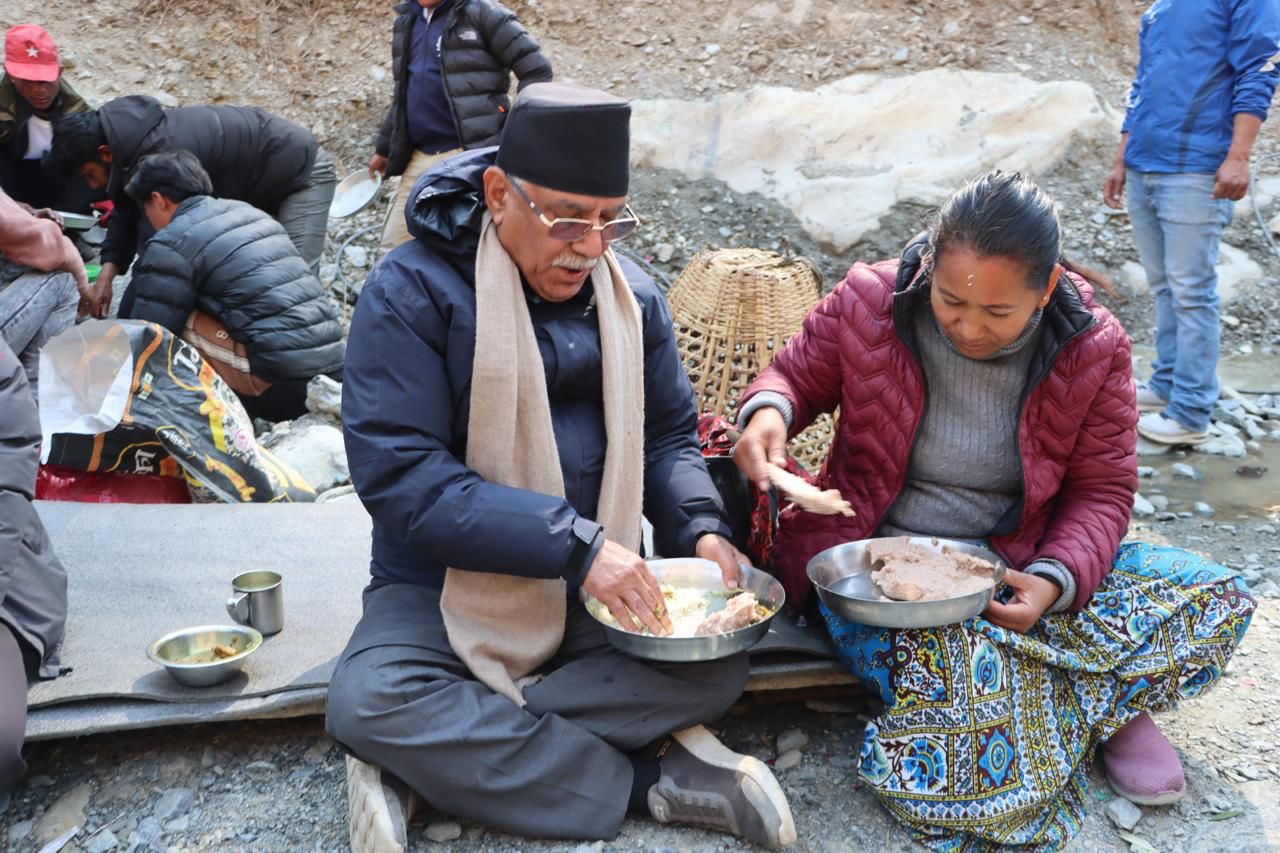
He listened to local concerns, sought votes, and welcomed party-switchers. Prachanda discussed the potential of copper and iron resources while enjoying traditional meals, including Himalayan rice and dhindo, emphasizing the unique culture and inviting all Nepalis to experience it.
Arriving in Maikot, he received a grand welcome. Prachanda reminded residents: “I once came with a gun; now I return with a ticket for development and prosperity.” He declared Maikot as the starting point for community-based socialism, highlighting the cohabitation of Magar, Dalit, and Thakuri communities as a social model.
A Journey Beyond Campaigning
During these 84 hours, Prachanda honored martyrs’ families, inspected historical and tourist sites while pledging development, shared meals with locals, danced in Bhume, warmed by Dalit households’ fires, and engaged in conversations about culture, resources, and local issues.
He was accompanied by proportional candidates Upendralal Kami, Sunita Budha, and leaders Purnabahadur Gharti and Ganeshman Pun. Far from a routine campaign, this journey became a reunion with the revolutionary past.
Villagers of all ages celebrated, danced, and shared meals with him as if he were family.
The remaining three days of Prachanda’s Rukum East visit are still to come, but these four days have already transformed the trip into a historical reflection, emotional reunion, and promise of development.
Whether Rukum East becomes a laboratory for development and community socialism, as Prachanda envisions, remains to be seen.