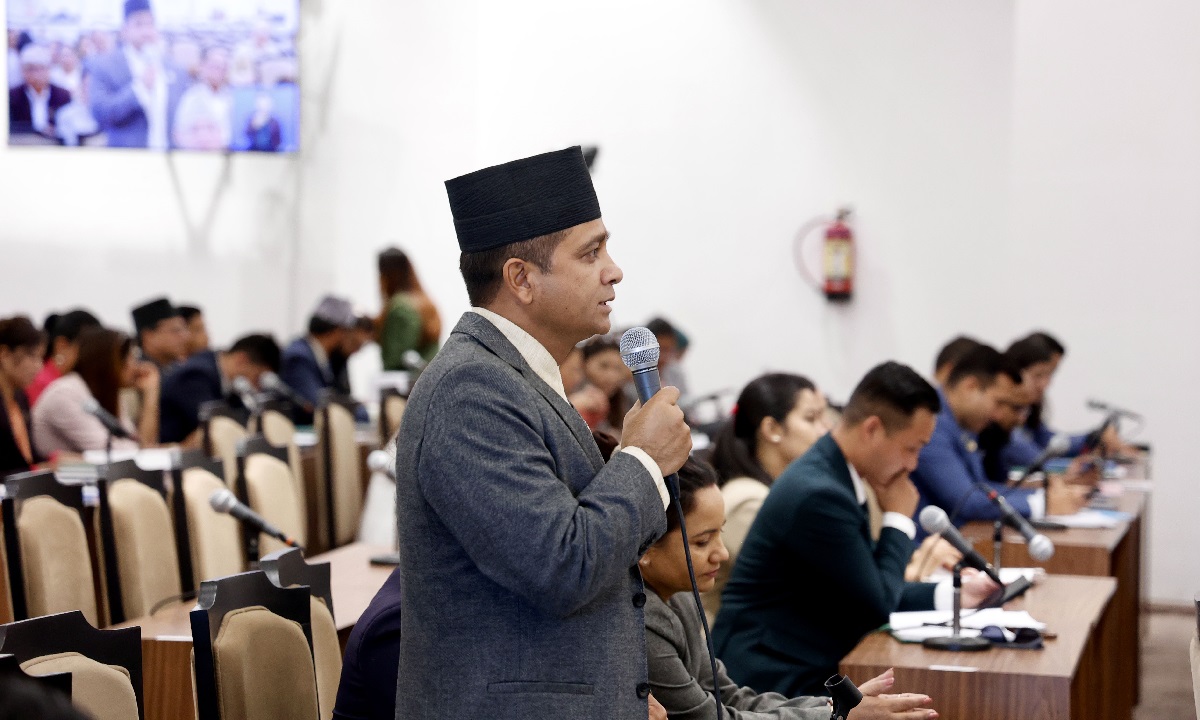
Paudel urges end to private sector criticism, calls for economic digitization
Paudel stressed that party manifestos should include concrete plans to generate employment in potential sectors and identify emerging industries that can contribute to the economy.

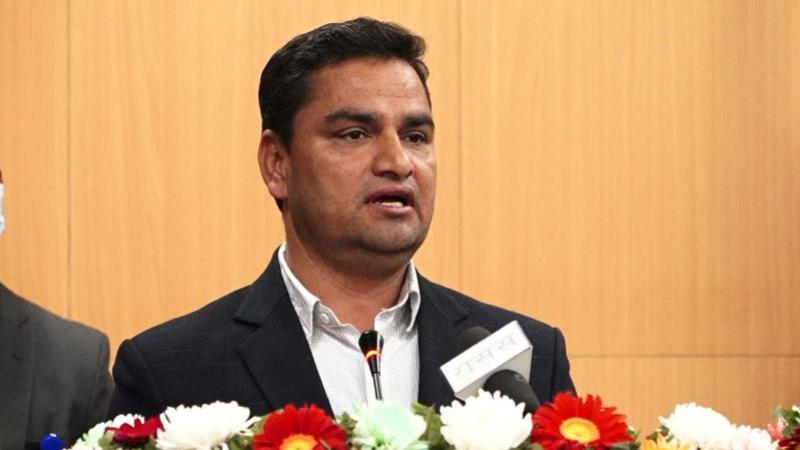
KATHMANDU: Nepali Congress (NC) General Secretary Pradeep Paudel has urged political parties to refrain from criticizing the private sector, emphasizing that businesses operating within the legal framework should not be viewed negatively.
Speaking on behalf of his party at a program on “Economic Agendas in Party Manifestos” organized by the Nepal Economic Journalists’ Association in Kathmandu on Sunday, Paudel outlined the Congress’s plans to streamline its election manifesto.
He said the party will present a concise “10-Point Manifesto” to ensure promises are achievable, unlike lengthy manifestos of other parties that often remain unfulfilled.
Paudel stressed that party manifestos should include concrete plans to generate employment in potential sectors and identify emerging industries that can contribute to the economy.
Highlighting the need for transparency and efficiency, Paudel called for the full digitization of Nepal’s economy and administrative systems. “Only through economic digitization can we end corruption. Both the state and citizens must conduct transactions digitally, creating a system where off-the-record dealings are impossible. This will ensure transparency,” he said. He added that digitizing federal, provincial, and local administrations is essential to reduce bureaucratic burdens and deliver more with fewer resources.
Addressing concerns over increasing administrative costs under federalism, Paudel said, “Simply expanding administrative layers without digital systems has not improved governance or service delivery. We must focus on efficiency and smart investment rather than sheer numbers of staff.”
Paudel also emphasized that private investment and production should not be stifled.
He called for new laws to be business-friendly and for the private sector to clearly express its needs, which political parties must then incorporate into policy planning.