Ancient Syriac inscriptions unearthed in Turkey’s Mardin during roadwork
The discovery was made on Tuesday in the Midyat district, where municipal teams were leveling the ground for infrastructure development.

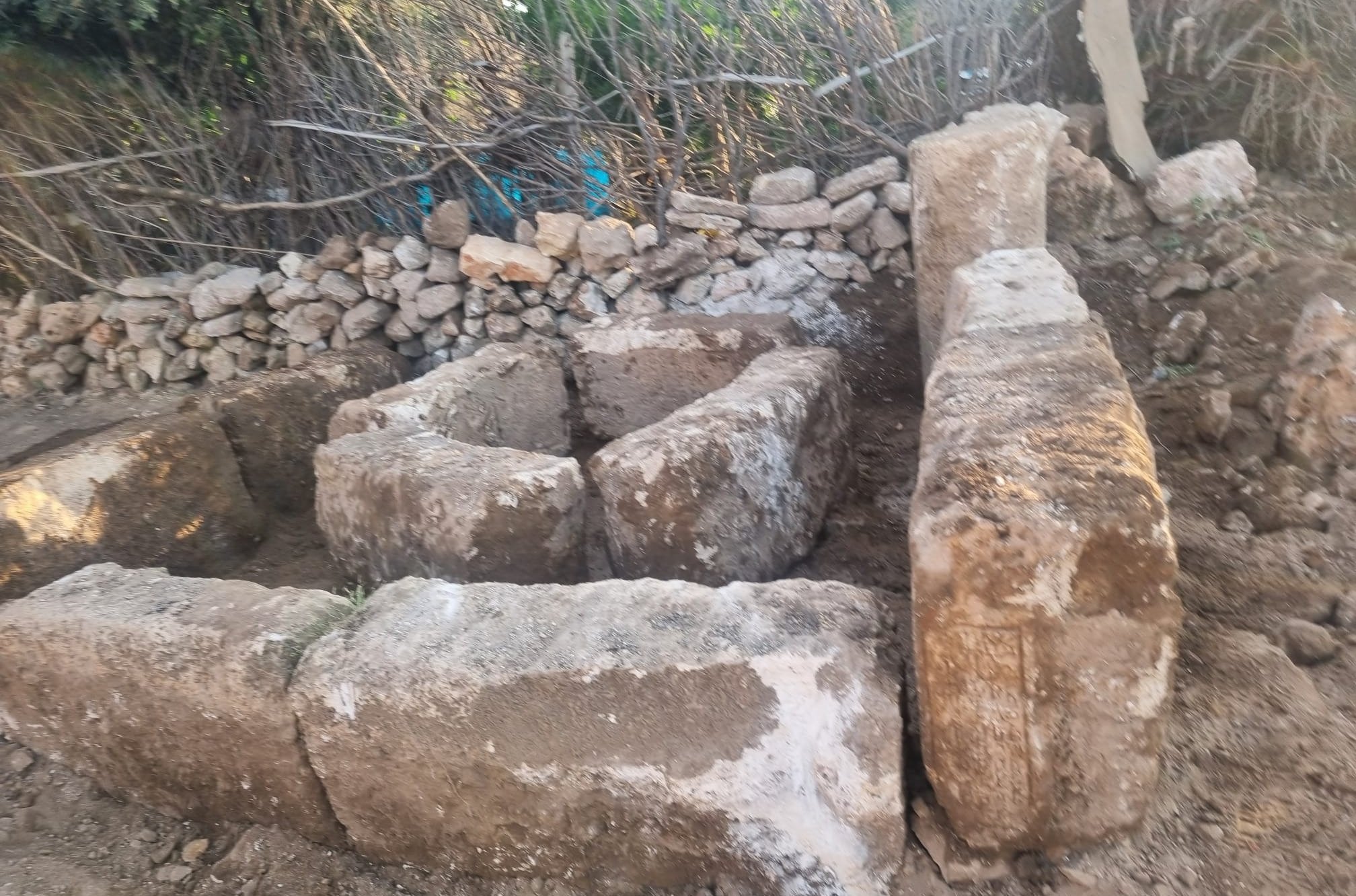
KATHMANDU: Archaeologists and local authorities in southeastern Türkiye have uncovered 13 stone fragments bearing ancient Syriac inscriptions during road construction works in the Mardin province, an area historically known for its rich Mesopotamian heritage.
The discovery was made on Tuesday in the Midyat district, where municipal teams were leveling the ground for infrastructure development.
Following the find, the Mardin Museum Directorate, along with security forces, immediately secured the site and began preservation and documentation efforts.
Experts say the inscriptions could provide significant new insights into the multicultural heritage of Upper Mesopotamia.
Nezih Başgelen, head of the Cultural and Natural Heritage Monitoring Platform and a Turkish archaeologist, described the findings as highly important from a philological and historical perspective.
Preliminary assessments by museum specialists suggest the artifacts may date back to the 12th to 14th centuries.
However, Başgelen noted that based on the characteristics of the Syriac script, the inscriptions could potentially be even older.
Researchers also believe the stone fragments may have belonged to a historical Syriac church structure.
Local oral traditions suggest a possible connection to the Mor Addai Church, a site frequently referenced in regional folklore and historical accounts.
The Syriac language, part of the Aramaic language family, once played a vital role in the literary and scholarly traditions of the region.
Today, it is listed by UNESCO as an endangered language, reflecting its declining number of speakers worldwide.
The Midyat region, located in the heart of Upper Mesopotamia in Turkey, is globally recognized for its distinctive stone architecture and deep Syriac cultural heritage.
The latest discovery further highlights the area’s long and layered historical significance.