Oli consolidates power in UML, marginalizes internal dissenters
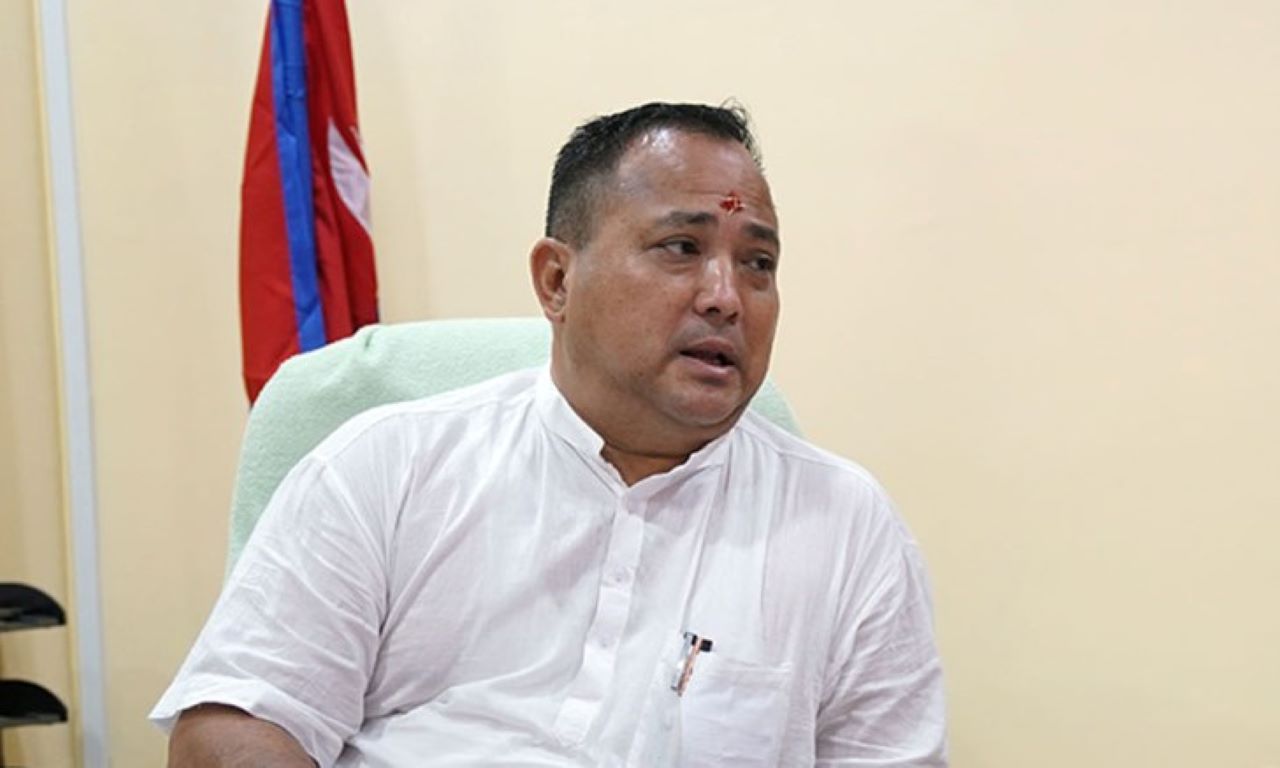
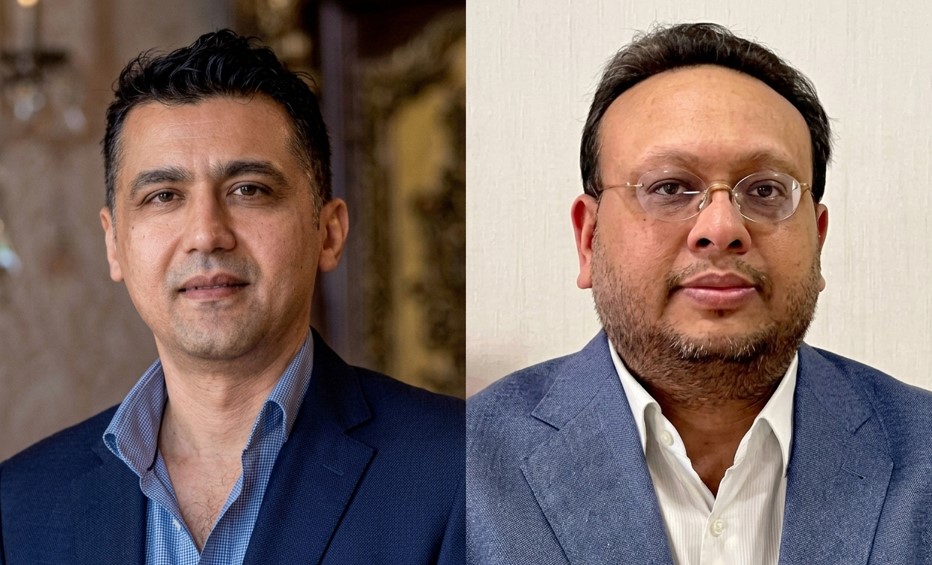
Oli has completely disregarded suggestions from Vice-Chair Gokarna Bista and Deputy General Secretary Yogesh Bhattarai regarding the proportional representation candidate list.

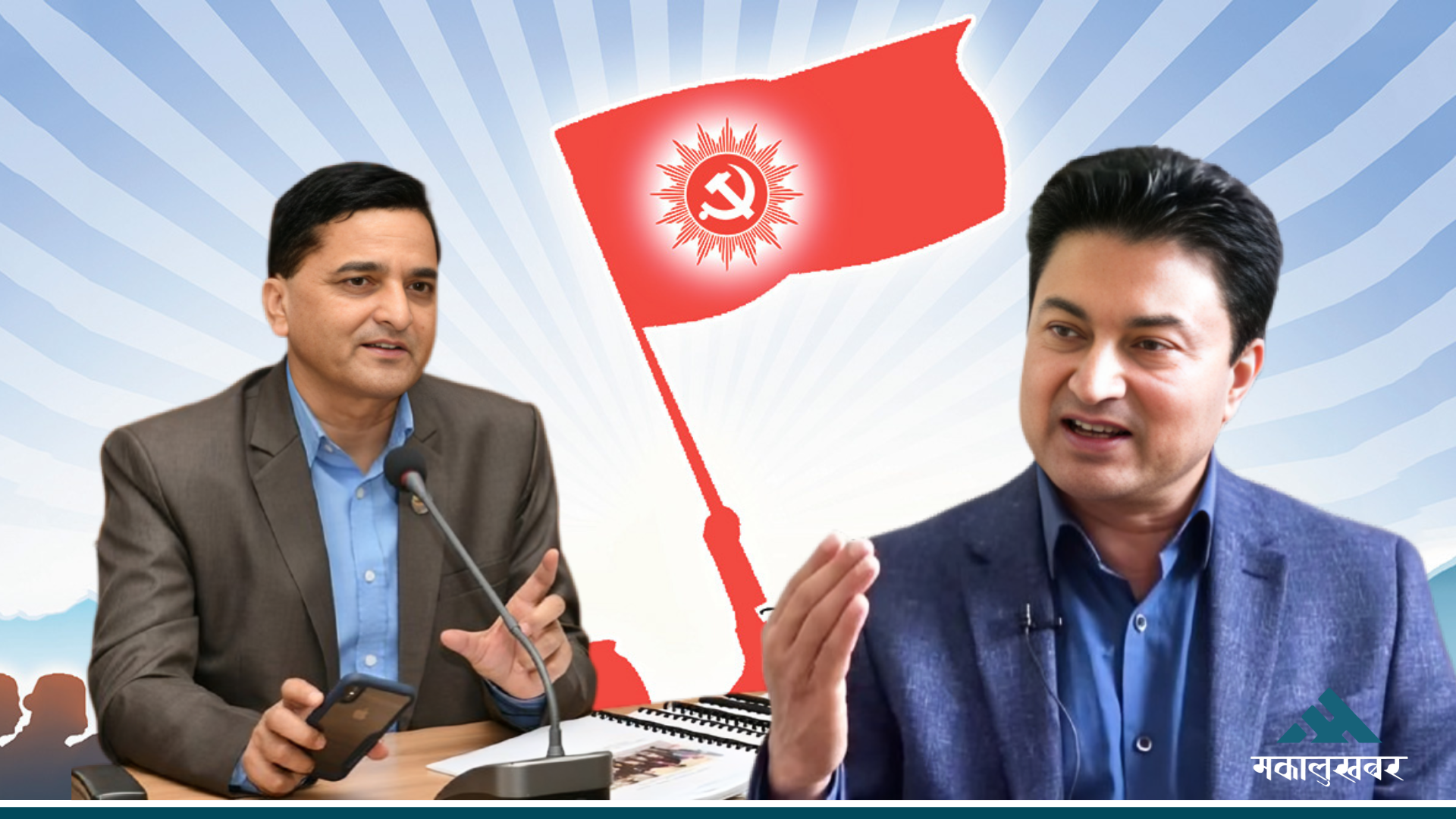
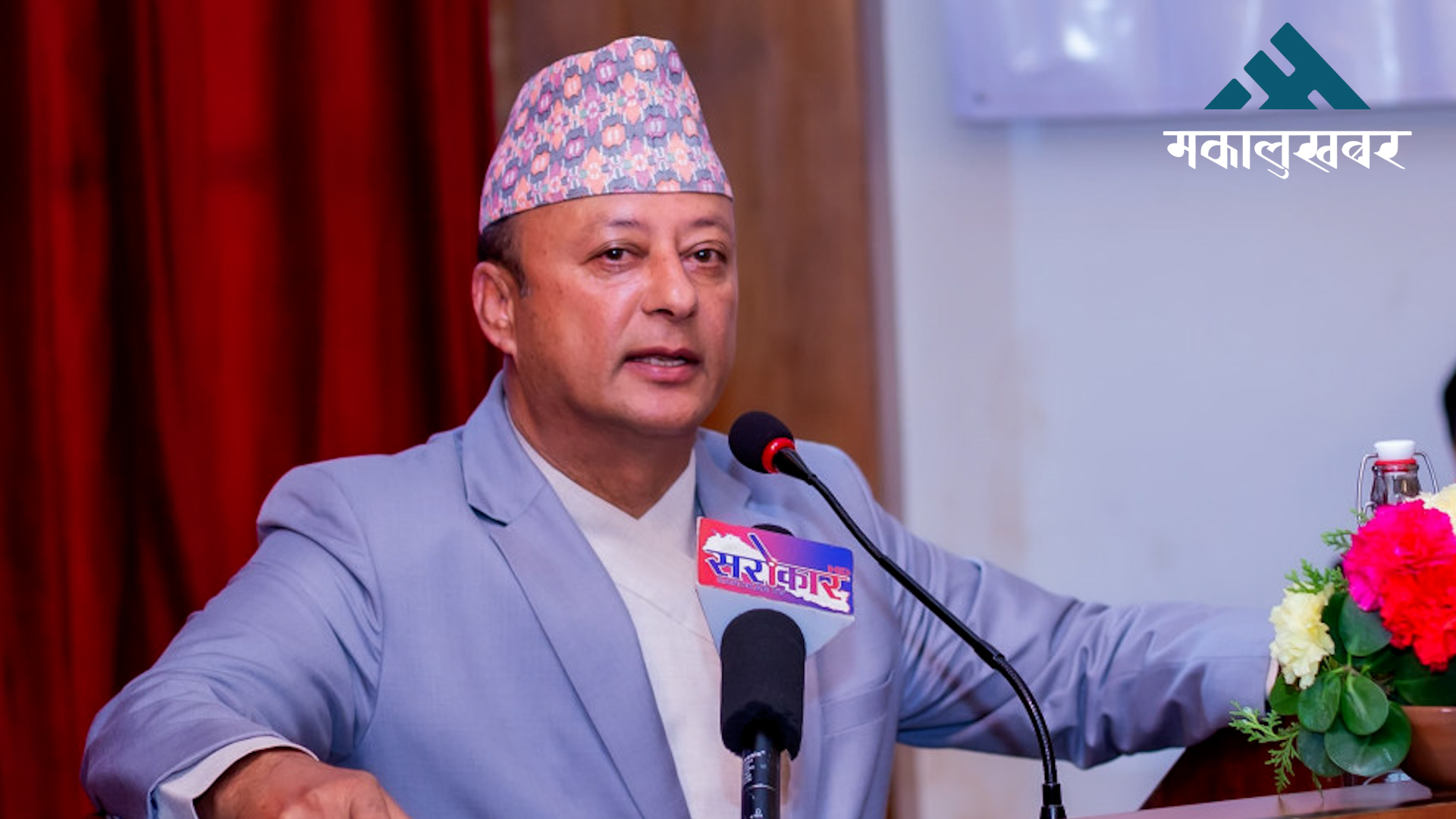
KATHMANDU: Within Nepal’s CPN-UML, party chair KP Sharma Oli has emerged even stronger and more assertive, signaling a tighter grip over internal power dynamics.
Rising as the uncontested leader in the 11th National General Convention, Oli has completely disregarded suggestions from Vice-Chair Gokarna Bista and Deputy General Secretary Yogesh Bhattarai regarding the proportional representation candidate list.
Bista and Bhattarai had proposed a “balanced approach” to include long-serving leaders who lost in the convention, such as Ishwar Pokharel, to promote party unity and ease post-convention tensions. They suggested placing Pokharel first on the Khas Arya male list and including other established faces like Dr. Binda Pandey, Rachana Khadka, Khagendra Rai, Tikaram Bhattarai, Shambhu Thapa, Bhimjwala Rai, and Sharmila Karki. However, the final list, publicly announced, excluded all of these names.
Oli instead prioritized loyalists from his faction, including Guru Baral, who had been defeated in both the vice-chairman and central member elections but was later appointed vice-chairman by Oli himself. Most names on the list are repeat faces, centered around the existing power hub, raising questions about representation for the party’s younger generation.
Veteran leaders such as Padma Aryal, Niru Pal, Shanta Chaudhary, Manju Chaudhary, and Tuka Hamal—many of whom have already served as ministers or parliamentarians—dominate the list.
Weakening Counterbalance
After the 11th General Convention, only Bista and Bhattarai remain in the 19-member secretariat from the Ishwar Pokharel panel.
With Oli loyalists holding a commanding majority of 226 seats out of 301 in the Central Committee, the voices of dissent within the secretariat have become increasingly marginalized.
Having collaborated since 1987 and played a key role in preserving UML during party splits via the “10-Point Agreement,” Bista and Bhattarai are now confined to acting as a limited constructive opposition. Their advocacy for strict adherence to party statutes, including age and term limits, faces Oli’s unilateral approach, which critics say is like “chewing iron flakes” in its rigidity.
Oli’s decisive actions—especially sidelining critics through the proportional representation list—reinforce the “Oli Era” within UML.
By successfully managing internal dissent and public perception, including the speculated return of former President Bidya Devi Bhandari, Oli has cemented his control over the party, continuing a style critics call “politics of command.” Despite calls for party unity and accountability from Bista and Bhattarai, Oli’s overwhelming majority ensures their voices remain faint.