Ocean temperatures near record high, raising climate alarm worldwide
The report shows that the average sea surface temperature in March reached approximately 20.97°C, making it the second-highest level ever recorded for that month.

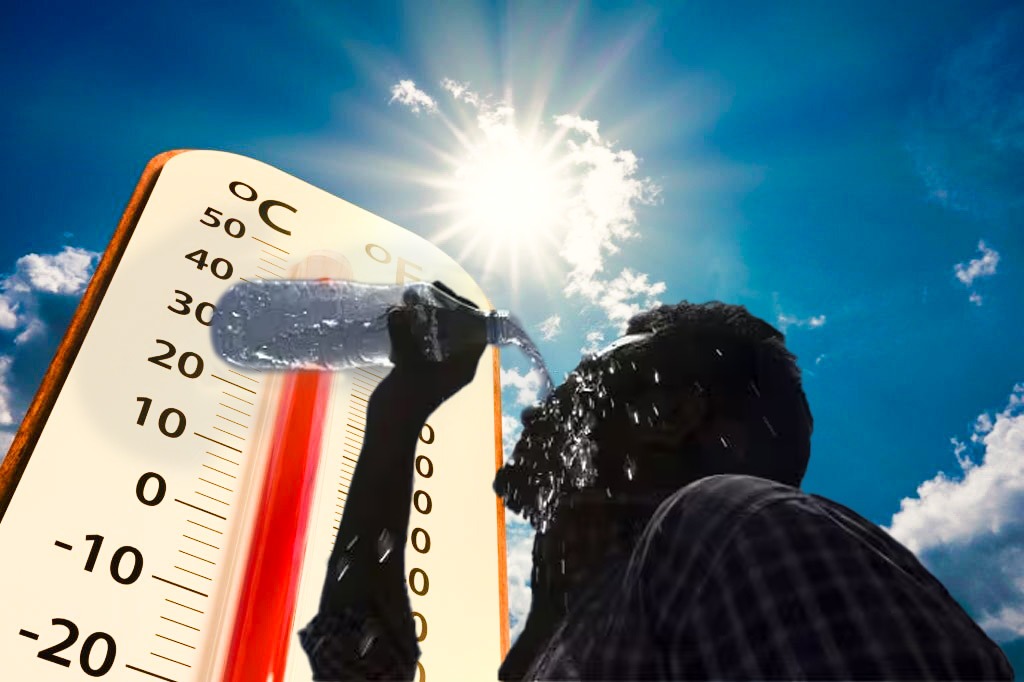
KATHMANDU: According to the European Union’s climate monitoring service, Copernicus Climate Change Service, ocean temperatures in March rose close to record levels, signaling a continued intensification of global warming and a higher risk of extreme weather events.
The report shows that the average sea surface temperature in March reached approximately 20.97°C, making it the second-highest level ever recorded for that month.
Scientists warn that such unusually warm ocean conditions are a major driver of global climate instability.
Experts explain that warming oceans influence major climate systems, particularly in the Pacific Ocean, where shifts in temperature can amplify global heat patterns.
These oceanic “warm phases” can intensify long-term global warming trends and trigger more frequent and severe extreme weather events, including heatwaves, heavy rainfall, and powerful storms.
Although these natural climate cycles are part of the Earth’s system, researchers emphasize that human-driven greenhouse gas emissions are increasing the baseline temperature, making these cycles more intense and their impacts more dangerous.
Oceans absorb a large portion of the excess heat generated by human activities, playing a critical role in regulating the planet’s climate balance.
Warmer seas also contribute to stronger tropical cyclones, increased rainfall intensity, and rising sea levels over time due to thermal expansion of water.
In addition, the report highlights that March was the fourth warmest month globally on record, with temperatures about 1.48°C above pre-industrial levels.
Much of Europe experienced above-average temperatures, while unusually warm conditions were also observed across the United States, the Arctic, and other typically cold regions.
Meanwhile, Arctic sea ice extent fell to its lowest level ever recorded for March, reinforcing growing scientific concern over accelerating climate change and its widespread impacts on global ecosystems and weather systems.