NRNA urges to revoke doctors’ license cancellation decision
It warned that such actions could seriously undermine the spirit of cooperation between Nepal and its global diaspora, which has been actively contributing to the country’s progress.

KATHMANDU: The Non-Resident Nepali Association (NRNA) has strongly objected to the decision of the Nepal Medical Council to revoke the licenses of Nepali doctors working in various countries, urging the Government of Nepal to immediately withdraw the move.
The association said the decision contradicts Nepal’s broader policy of utilizing the skills, expertise, and investments of Nepali professionals abroad for national development. It warned that such actions could seriously undermine the spirit of cooperation between Nepal and its global diaspora, which has been actively contributing to the country’s progress.
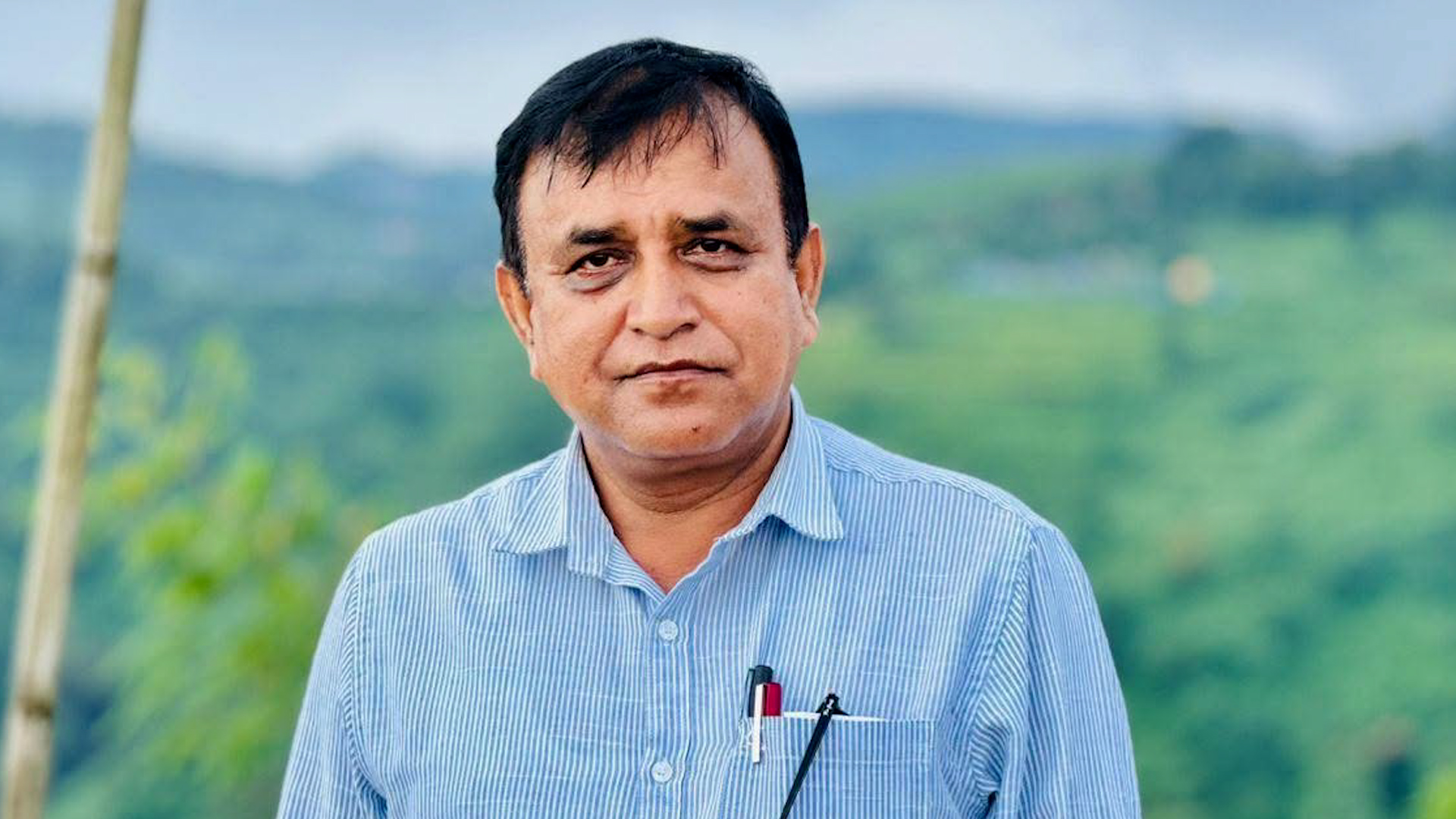
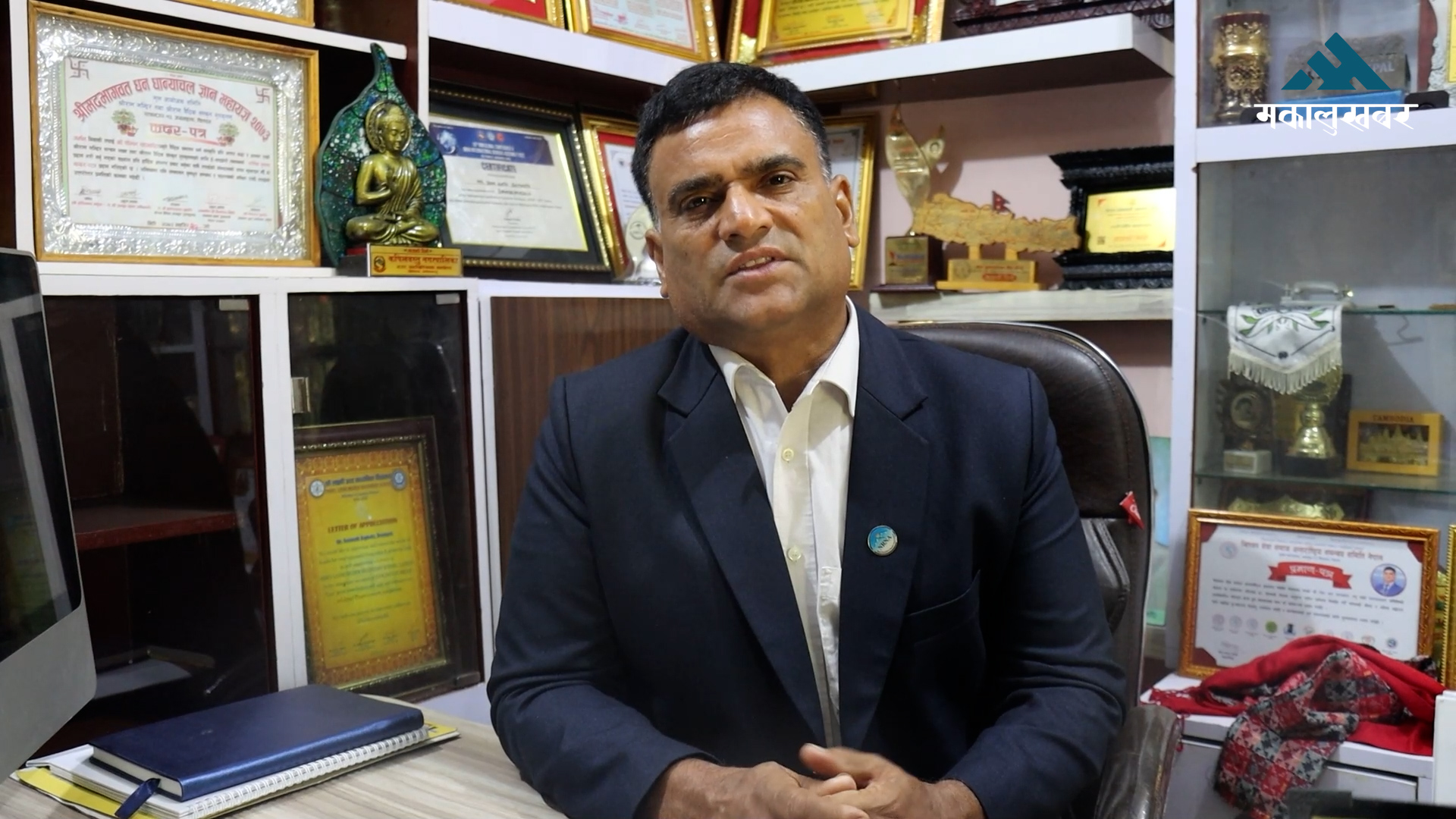
NRNA spokesperson Somnath Sapkota stated that the decision to cancel the licenses of 33 Nepali doctors has negatively affected not only the professional future of those directly involved but also the morale of Nepali medical professionals working overseas.
He emphasized that under the Constitution, the rights of Non-Resident Nepalis are already recognized, and revoking professional identity solely based on residence is unjustifiable. Sapkota further noted that in sensitive sectors like medicine, such decisions should only be taken after proper consultation, clear justification, and procedural transparency.
He added that the lack of prior communication or coordination with the concerned doctors before taking such action has raised serious concerns within the diaspora community.
The NRNA has urged the government to ensure that any policy or decision related to Nepali experts abroad is made through dialogue with stakeholders, and not in a manner that discourages or demotivates them.
The association also reminded the state that decisions involving Nepali professionals across the world should be encouraging and supportive, rather than discouraging their continued engagement with Nepal’s development efforts.