Processed fuels cost higher than crude oil: NOC
Issuing a statement, the corporation said comparisons with crude oil prices are misleading, as Nepal does not import crude oil due to the absence of a domestic refinery.

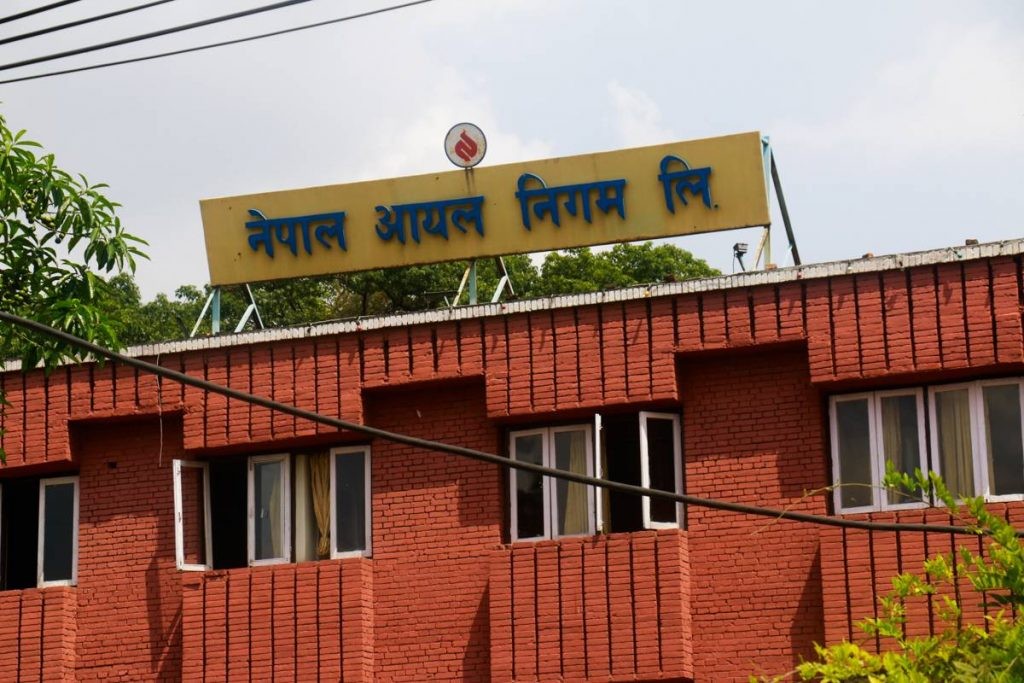
KATHMANDU: Nepal Oil Corporation (NOC) has stated that domestic petroleum prices are directly linked to international market rates.
The corporation explained that Nepal imports refined petroleum products, not crude oil, due to the absence of a domestic refinery.
As a result, processed fuel prices—which are consistently higher than crude oil—should be the basis for comparison when assessing local fuel costs.
NOC spokesperson Manoj Thakur said price evaluations must consider refined fuel rates rather than crude oil benchmarks.
Nepal procures fuel from the Indian Oil Corporation (IOC), with prices automatically adjusted every 15 days to purchase rates.
According to NOC data, on April 16, 2026, crude oil was priced at USD 99.6 per barrel, while petrol stood at USD 139.3 and diesel at USD 228.1.
Typically, petrol is about USD 10 higher than crude oil and diesel about USD 20 higher.
However, ongoing Gulf tensions have significantly widened this gap, pushing differences to USD 144 for petrol and USD 216 for diesel.
The surge in global prices has placed additional financial strain on countries like Nepal that rely on imported refined fuel.
NOC noted that final retail prices also include customs duties, taxes, transportation, insurance, storage, and service charges.
On April 16, the corporation raised diesel and kerosene prices by Rs 30 per litre and aviation fuel by Rs 5 per litre.
Current diesel and petrol prices stand at Rs 234.50 per litre in the first pricing zone, Rs 236 in the second, and Rs 237 in the third.
Despite the hike, NOC reports a loss of Rs 99.96 per litre on diesel. With international prices continuing to climb, the corporation estimates losses could reach Rs 5.75 billion over the next 15 days.