Karnali corridor set for tourism transformation as Rs 6 billion cable car project takes shape
Chisapani to Rajkanda cable car seen as game-changer for Sudurpaschim’s economy and tourism.

KATHMANDU: The upper reaches of the Karnali River at Chisapani present a rare fusion of natural beauty and engineering marvel.
As the river flows through Kailali District, the iconic suspension bridge at Chisapani sways gently in the wind, symbolising a striking dialogue between nature and modern infrastructure.
Surrounded by green hills, flowing waters, and tranquil landscapes, Chisapani has long captivated visitors. Yet despite its natural wealth, the region’s tourism potential has remained largely underutilised for decades.
That situation is now beginning to change.
Jalpadevi Cable Car: A Landmark Investment
A major private-sector initiative — the IME Group–backed Jalpadevi Cable Car project — is currently under construction, aiming to reshape the tourism and economic landscape of Sudurpaschim Province.
The project connects Chisapani in Lamkichuha Municipality–3 to Rajkanda in Mohanyal Rural Municipality–7 in Lamkichuha Municipality and Mohanyal Rural Municipality.
Key features include:
- A 3.1 km cable car line
- Hotels and restaurants
- Skywalk and viewing platforms
- Parks and walking trails
- Religious infrastructure including Jalapadevi Temple
- Supporting tourism facilities
The total investment is estimated at around Rs 6 billion.
Construction Progress and Timeline
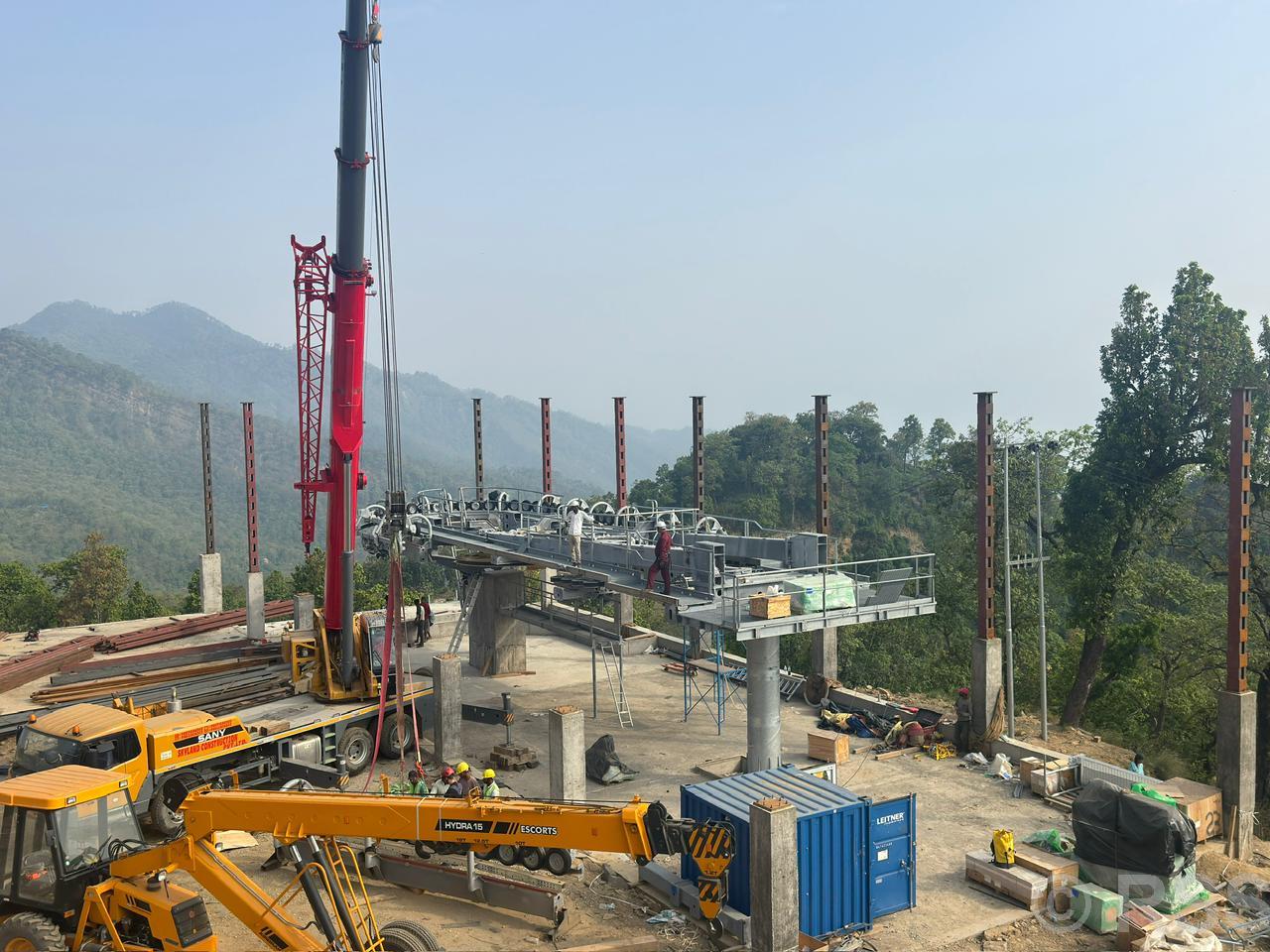
According to project engineers, construction is progressing rapidly. Tower erection, base station, and top station works are in their final stages. The next phase will include cable stringing and gondola installation.
Engineers expect the project to become operational by around October, with full-scale operations following completion of technical installations.
The top station will host premium facilities such as hotels, restaurants, a skywalk, and recreational spaces, while the base station will include a five-star hotel, banquet hall, and supporting infrastructure.
Vision to Transform Rajkanda into a Hill Destination
Once operational, the cable car is expected to connect Chisapani with Rajkanda in minutes, opening a new tourism corridor.
Local business leaders believe Rajkanda could emerge as a hill station alternative for residents escaping the intense heat of the Terai plains, while also attracting domestic and international tourists.
Tourism and Economic Impact
Currently, around 500–700 visitors daily come to Chisapani primarily to view the suspension bridge, but most leave within hours due to limited facilities.
With the new infrastructure, experts expect longer tourist stays, higher spending, and expanded local economic activity.
Tourism entrepreneurs argue that the project could:
- Boost hotels, transport, agriculture, and retail sectors
- Create integrated adventure tourism packages
- Develop rafting, jungle safari, and cultural tourism routes
- Link Bardia National Park with river-based tourism along the Karnali corridor
Employment and Local Opportunity
Local stakeholders believe the project could generate thousands of direct and indirect jobs across hospitality, transport, entertainment, and services.
With migration to India and Gulf countries still a major trend among youth in Sudurpaschim, the project is seen as a potential alternative source of employment.
Entrepreneurs say the region’s proximity to the Indian market — including Uttar Pradesh and Uttarakhand — offers a major advantage for cross-border tourism growth.
Cross-Border Tourism Potential
Chisapani is strategically located near multiple border points:
- Gaddachauki (~125 km)
- Gauriphanta (~88 km)
- Rupaidaha (~93 km)
Its accessibility from major Indian cities such as Lucknow, Delhi, and Dehradun positions it as a potential international tourism hub.
Experts believe even a small share of visitors from India’s densely populated northern states could significantly boost Nepal’s western tourism economy.
Stakeholder Perspectives
Industry leaders and local business figures describe the project as a historic milestone.
- Business leaders highlight its potential to transform hospitality, transport, and trade.
- Hotel entrepreneurs expect increased demand for local agricultural products and handicrafts.
- Homestay operators anticipate stronger cultural tourism and income generation through local hospitality services.
IME Group’s Long-Term Vision
The chair of IME Group, Chandra Prasad Dhakal, views the cable car not merely as a tourism project but as a catalyst for economic transformation.
He emphasises that Nepal must expand tourism infrastructure to increase visitor numbers and extend their stays.
The group also envisions similar large-scale tourism infrastructure projects across all seven provinces as part of a long-term national development strategy.
A Corridor of Possibility
For decades, the Karnali river corridor and Chisapani region have been discussed as untapped treasures of Sudurpaschim. With the Jalapadevi Cable Car project now taking physical shape, that narrative is shifting from possibility to reality.
By linking the natural beauty of the Karnali River, Chisapani Bridge, and Rajkanda into a single tourism circuit, the project is widely expected to redefine Sudurpaschim’s economic future — turning scenic landscapes into a sustainable engine of growth.