Nepal tightens election security ahead of March 5 polls
According to the directive, alcohol-related trade and consumption are prohibited from one week before the voting day until the announcement of the final results.

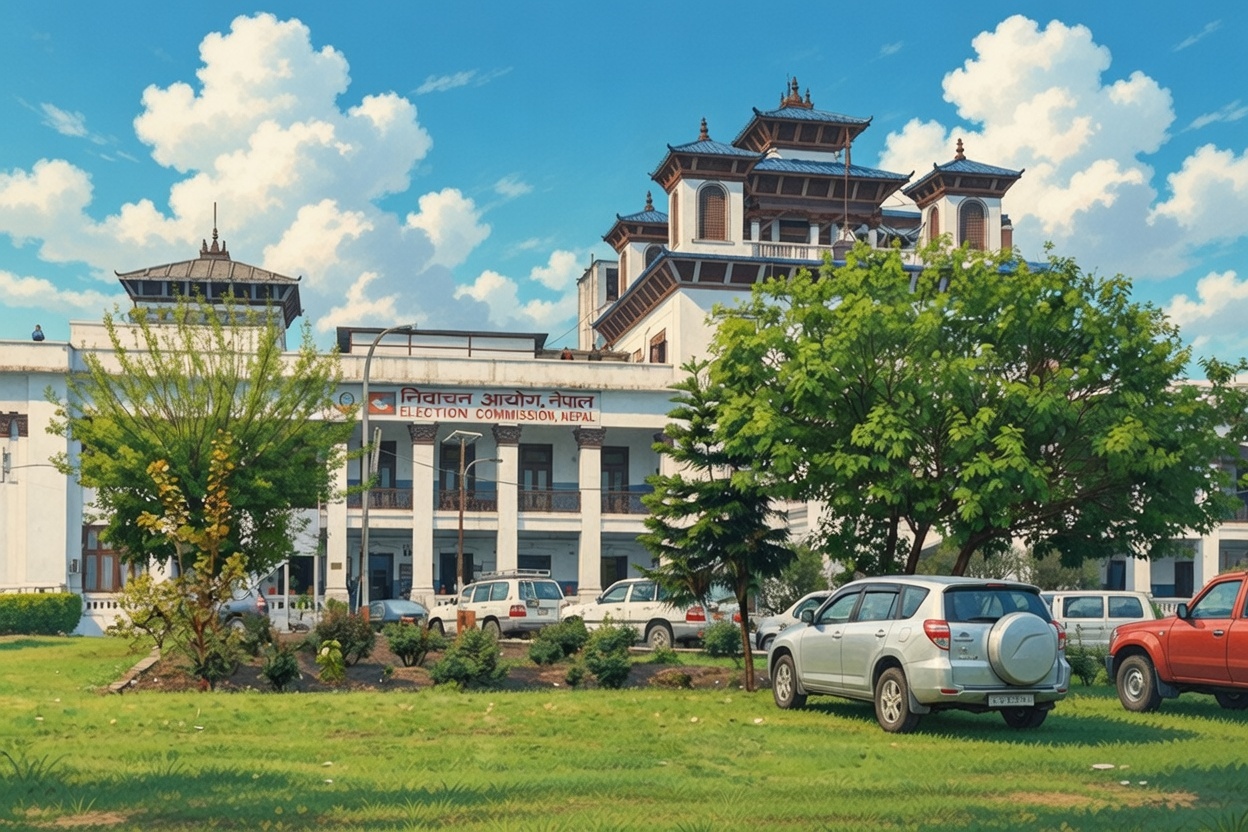
KATHMANDU: Nepal has intensified security measures nationwide ahead of the upcoming elections scheduled for March 5.
To ensure a free, fair, and fear-free voting environment, the sale, distribution, and consumption of alcohol have been completely banned starting one week prior to the election.
The decision was made during a meeting of the High-Level Election Security Committee, formed under Section 3 of the Election Security (Management) Directive, 2078 BS, which imposed restrictions on intoxicating substances.
According to the directive, alcohol-related trade and consumption are prohibited from one week before the voting day until the announcement of the final results.
Voting will commence at 7:00 AM on March 5. Meanwhile, the election silence period will begin at midnight on March 2, prohibiting any election campaigning.
During this period, the Ministry of Home Affairs has issued special instructions to all Chief District Officers and security agencies to strictly enforce the election code of conduct.
To prevent violations of the code, District Election Code Monitoring Committees will deploy special mechanisms.
Security agencies have been instructed to remain vigilant to prevent any activity violating Section 24 of the Election (Offences and Penalties) Act, 2073 BS and Sections 17 and 18 of the Election Code of Conduct, 2082 BS.
Any breaches will result in immediate legal action and reporting to the Election Commission.
On election day, movement will also be strictly regulated. From midnight of March 4 until the completion of voting on March 5 evening, public and private vehicles are restricted unless specifically permitted.
However, essential service vehicles are exempted. Ambulances, fire trucks, hearses, blood transport vehicles, security vehicles, and vehicles used for electricity, water, sewerage, and telecom maintenance will operate uninterrupted.
Diplomatic missions’ vehicles and those with special Election Commission passes are also allowed to operate.
Election Code Violations and Monitoring
So far, the Central Code of Conduct Monitoring Committee has received 87 complaints, seeking clarifications from political parties and candidates. Responses have been received for 57 cases.
Election Commission legal officer Mohanraj Joshi stated that 81 individuals were asked for written clarifications and six were requested to provide additional clarifications.
Complaints have been filed against political parties, candidates, government and non-government organizations, media outlets, and journalists.
These parties have been asked to provide explanations regarding alleged violations.
Media outlets and affiliated journalists involved in complaints have been referred to the Press Council Nepal for appropriate action.
For instance, the online portal Setopati was asked for clarification through the Press Council for publishing content suggesting certain parties or candidates were guaranteed election victories under the guise of election analysis and opinion polls.
At the district level, complaints against code violations are being acted upon.
The Election Commission has confirmed that investigations and necessary legal procedures are being carried out for all complaints received.
Currently, 54 responses are under review.
To ensure effective implementation of the code, the Central Code Monitoring Committee, District Monitoring Committees, Code Monitoring Officers, and relevant election offices remain active.
Under Section 32 of the Election Code of Conduct, 2082 BS, all 77 districts have appointed Assistant Chief District Officers to monitor non-financial matters and Chief Treasury Controllers for financial aspects related to the code.
The Commission has reported that efforts to inform stakeholders about the code and secure their commitment to comply are progressing effectively.
District-level complaints are being processed, and those found guilty are subject to legal action as per established procedures.