NA MPs slam govt over evictions & public crises


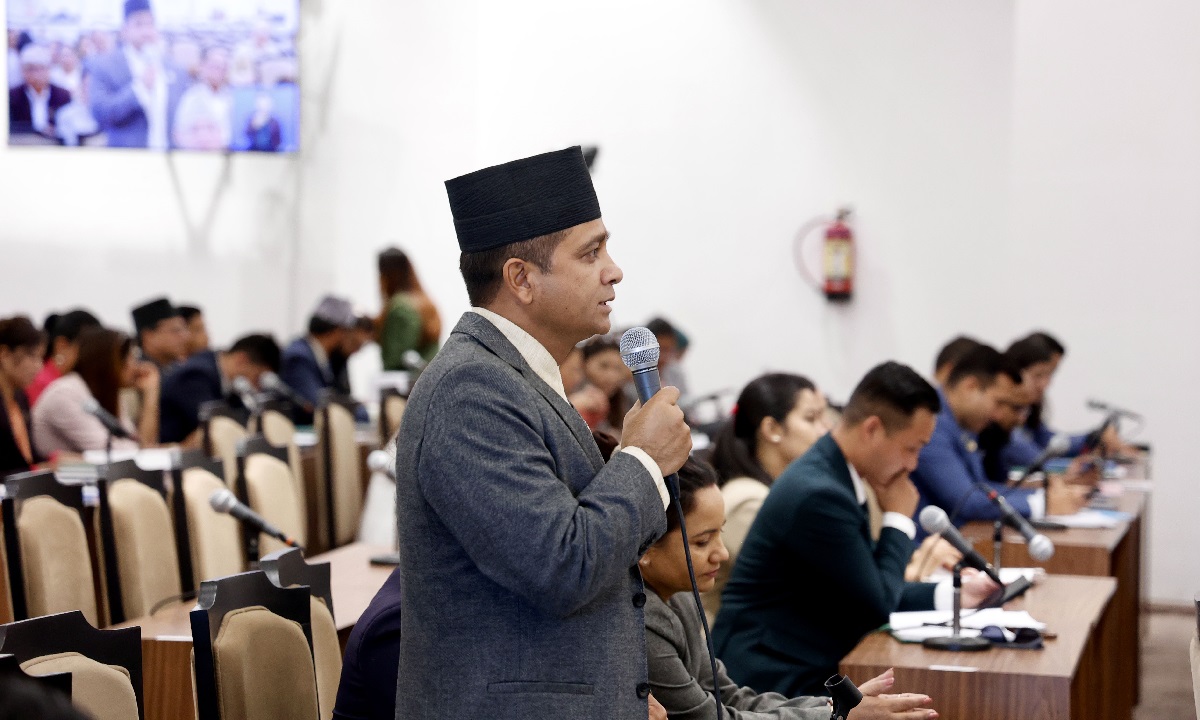
KATHMANDU: Members of Nepal’s National Assembly have strongly criticized the government over the eviction of informal settlers, alleged human rights concerns, and delays in addressing pressing social and infrastructure issues, during a session held on Friday.
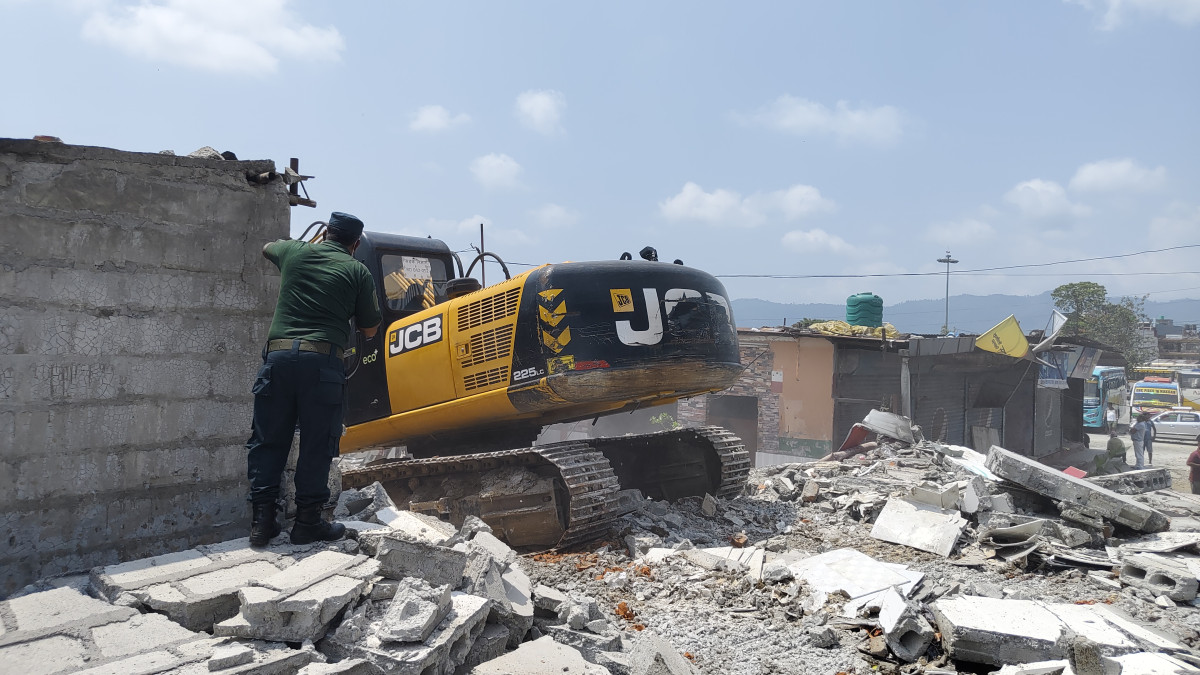
Lawmakers expressed concern over the government’s recent eviction drive targeting squatter settlements, arguing that it has caused significant hardship for vulnerable groups, including children, elderly citizens, pregnant women, and persons with disabilities.
MP Manrupa Sharma called for the immediate provision of safe housing for displaced families, along with psychosocial support for those affected.
“Families taken to holding centers are experiencing severe mental distress. Children, elderly people, and pregnant women urgently need counseling,” she said, urging the government to arrange proper care and psychological support.
Similarly, MP Rukmini Koirala raised concerns over long-standing flooding and riverbank erosion in areas around the Koshi Tappu Wildlife Reserve in Sunsari district. She criticized the government for failing to address the recurring disaster risks affecting farmers and local residents.
MP Renuka Chand also condemned what she described as federal government instructions for local authorities to demolish squatter settlements using bulldozers, calling the move inconsistent with the spirit of federalism. She further alleged poor living conditions in relocation sites, including contaminated water and substandard food.
MP Vishnu Kumari Sapkota welcomed the government’s decision to return savings to victims of troubled cooperatives but demanded clarity on the funding source. She stressed the need for a concrete action plan to resolve issues in problematic cooperative institutions.
Nepali Congress National Assembly Chief Whip Krishna Bahadur Rokaya criticized the government for what he described as a lack of accountability from top leadership, including the Prime Minister’s absence from parliamentary engagement. He also highlighted shortages of essential cancer medications across the country and urged immediate government intervention to ensure supply.
Lawmakers collectively urged the government to prioritize human rights protection, ensure proper rehabilitation of displaced families, and address urgent public health and disaster-related challenges with greater seriousness and coordination.