Melamchi flood victims still await relief after 4 years (photos)
Both local representatives and research studies point to the same conclusion—the problem lies not just in the natural source, but also in policy and systemic shortcomings.

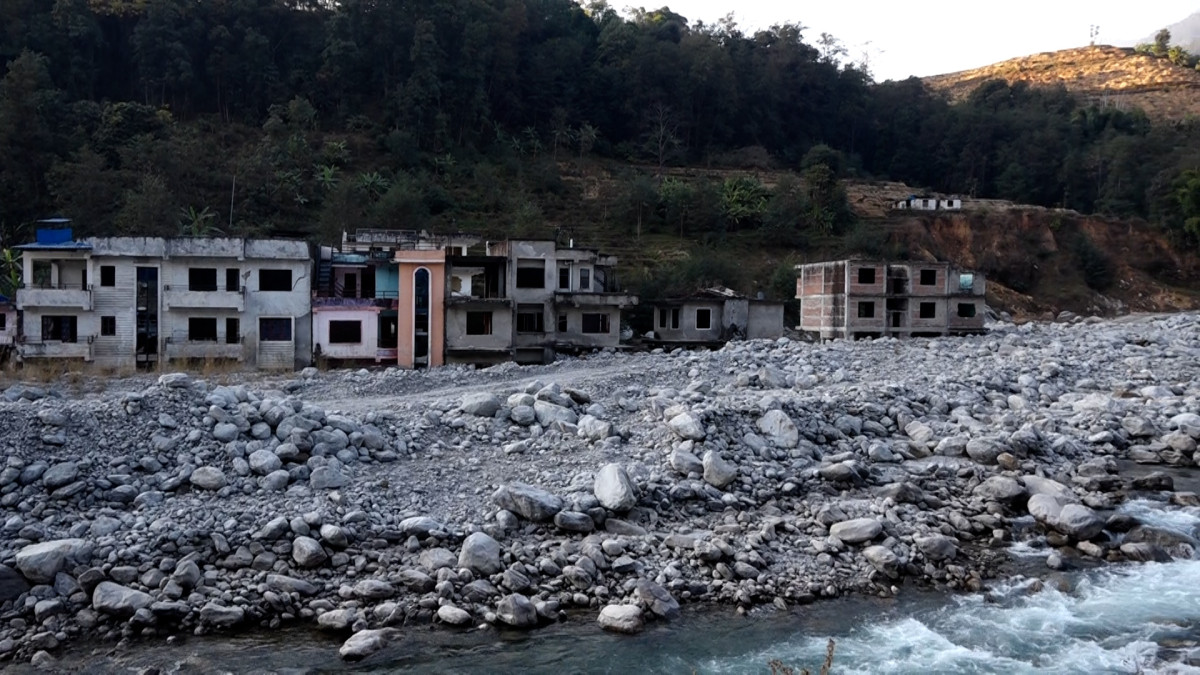
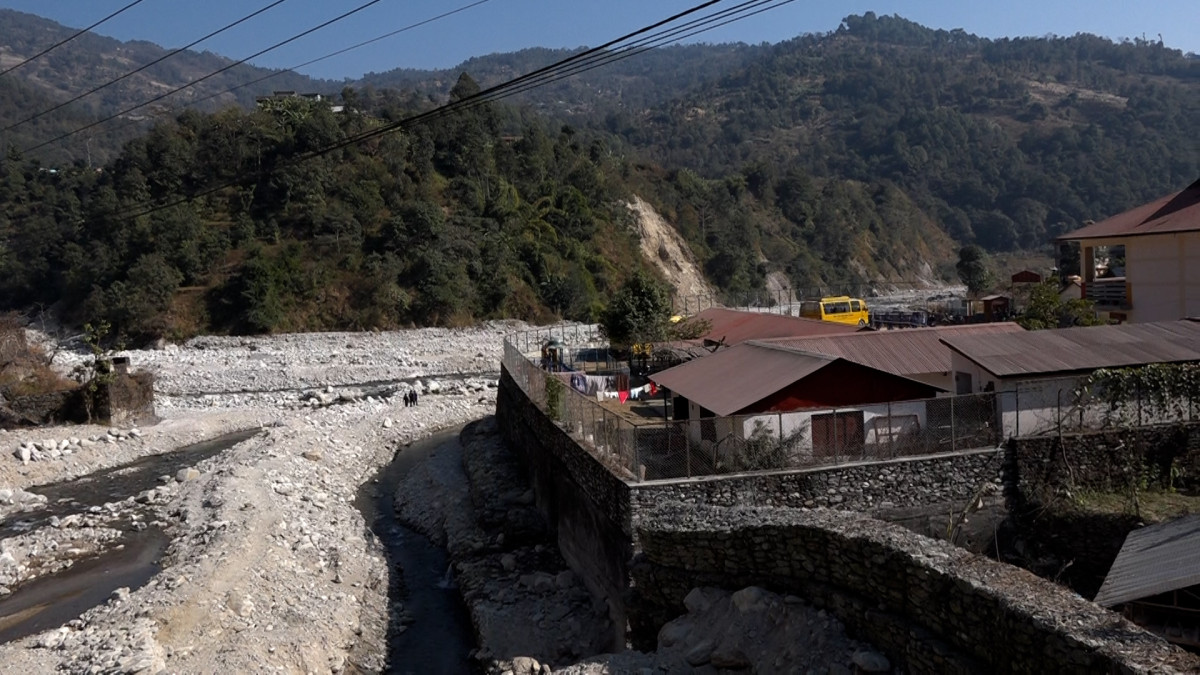
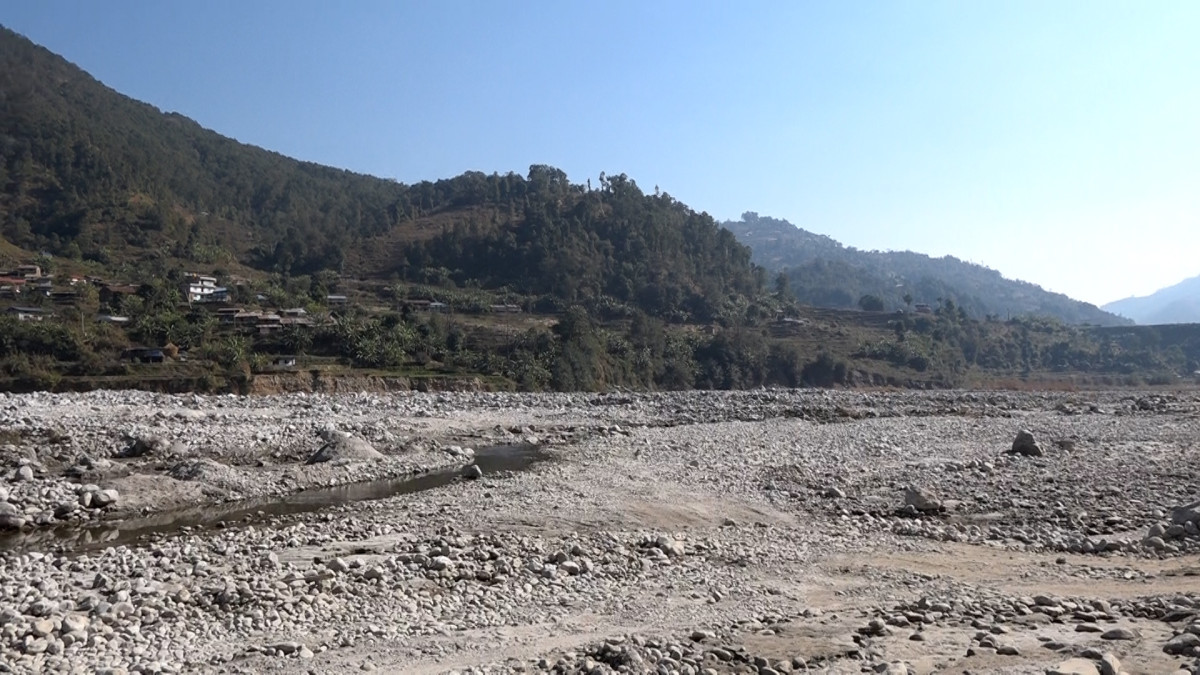
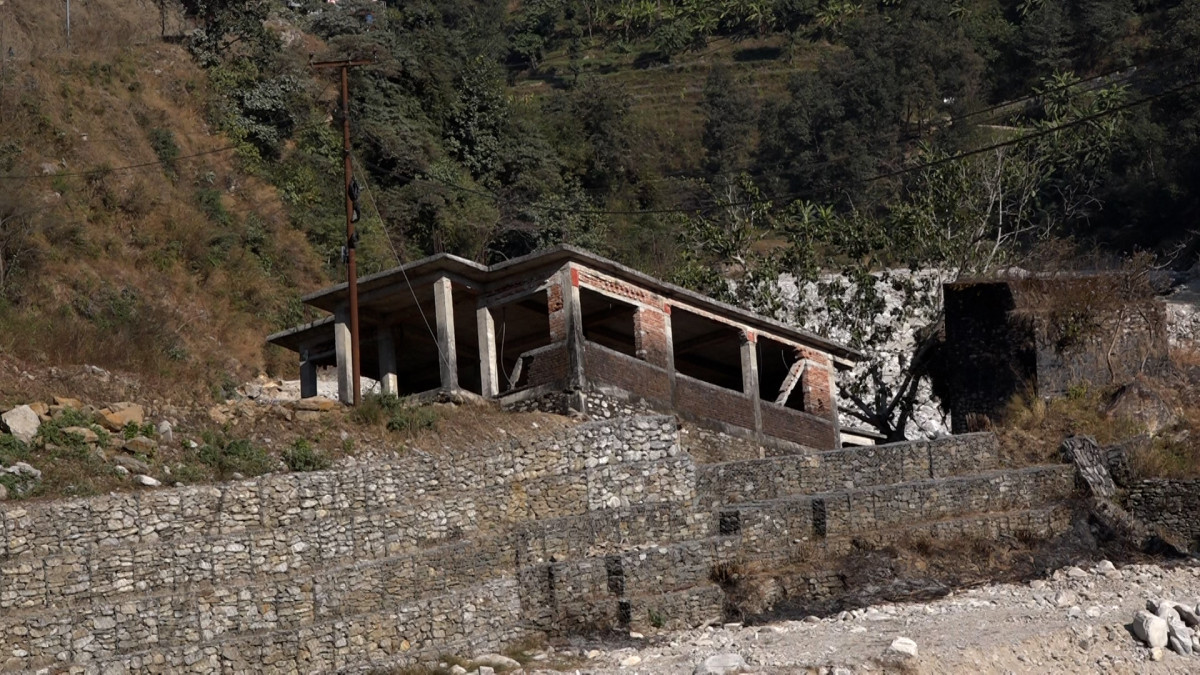
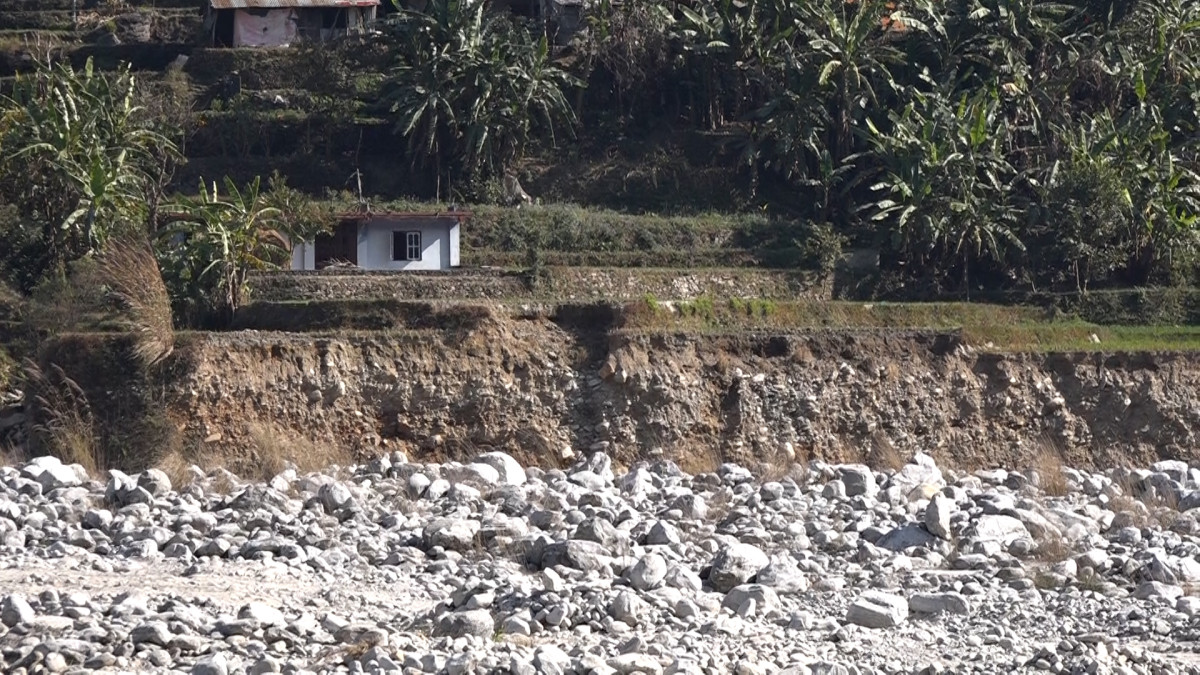
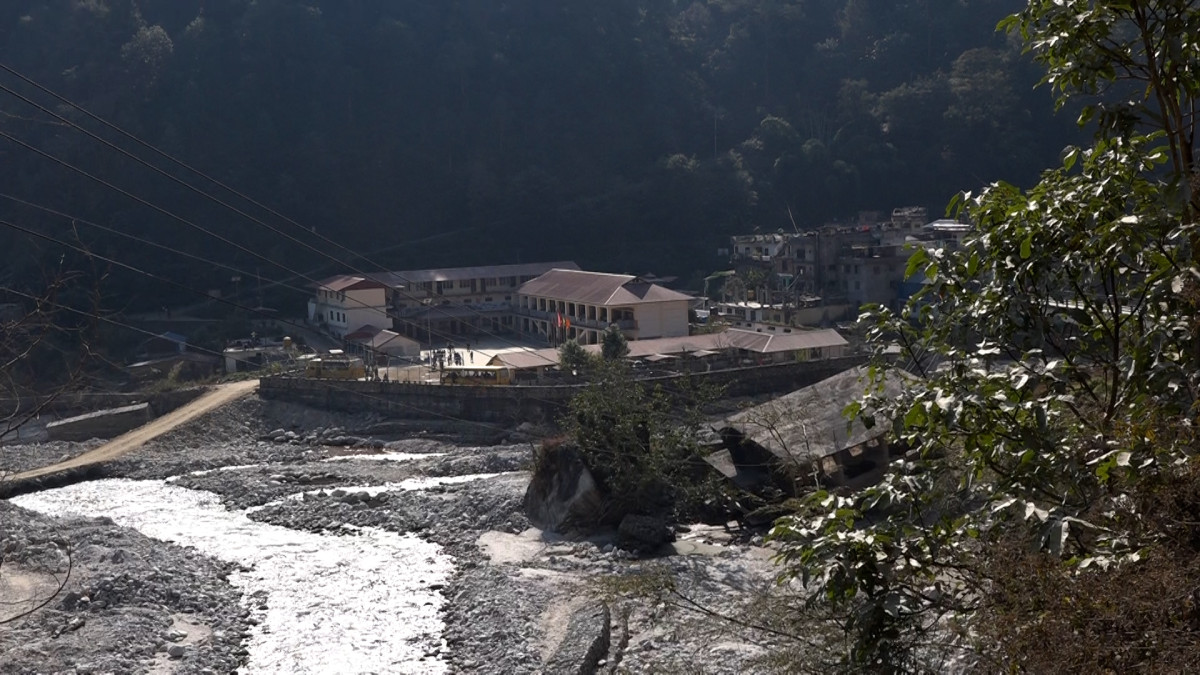
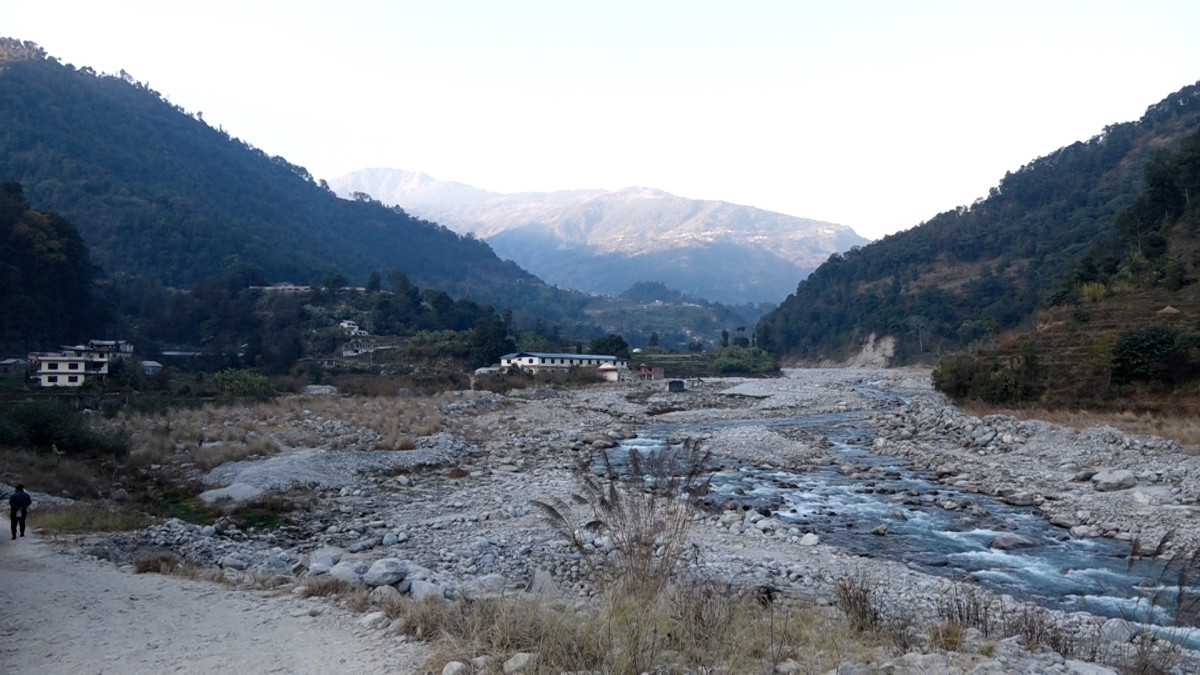
KATHMANDU: The Melamchi River now appears calm, but seeing fields turned into gravel beds, houses standing in precarious positions, and people living in temporary shelters instantly unsettles any visitor.
More than four and a half years have passed since the devastating floods of Ashad 2078 BS, yet flood-affected communities in Melamchi, Helambu, and Panchpokhari Thangpal have neither received full relief nor been safely resettled.
Both local representatives and research studies point to the same conclusion—the problem lies not just in the natural source, but also in policy and systemic shortcomings.
Massive Loss, Minimal Relief
A study conducted by the Center for Natural Resources two years ago estimated that the Melamchi floods caused economic losses worth $50 million.
In Melamchi Municipality, damages totaled $436 million, while Helambu Rural Municipality reported losses of $245.6 million.
According to the study, the average household suffered damages worth $52,113. However, the relief provided to affected communities remains extremely limited.
NPR 5.7 Billion in Damage, Only Rs 1 Billion Budgeted
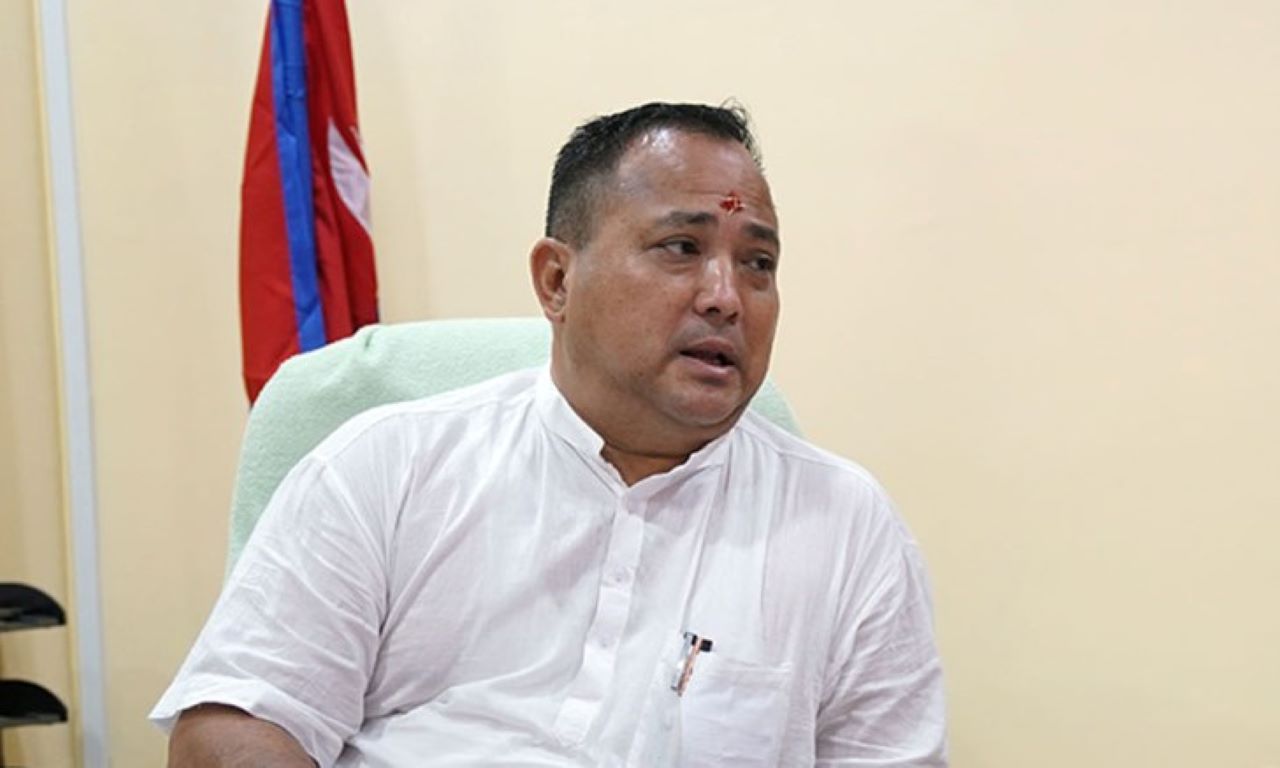
Uma Pradhan, deputy mayor of Melamchi Municipality, cites budget constraints at the local government level. “It is estimated that the floods caused damage worth around Rs 5.7 billion. Yet, our municipality’s annual budget is only Rs 120–130 million. In such circumstances, local government cannot relocate people to safe areas.”
She notes that while the municipality has provided basic relief, livelihood programs, and limited rehabilitation, long-term solutions such as resettling risk-prone communities and building safe housing are not possible without federal budget support or special programs. “Local levels lack the resources. The federal government must take special measures,” she emphasizes.
Legal Gaps Overlook the True Loss
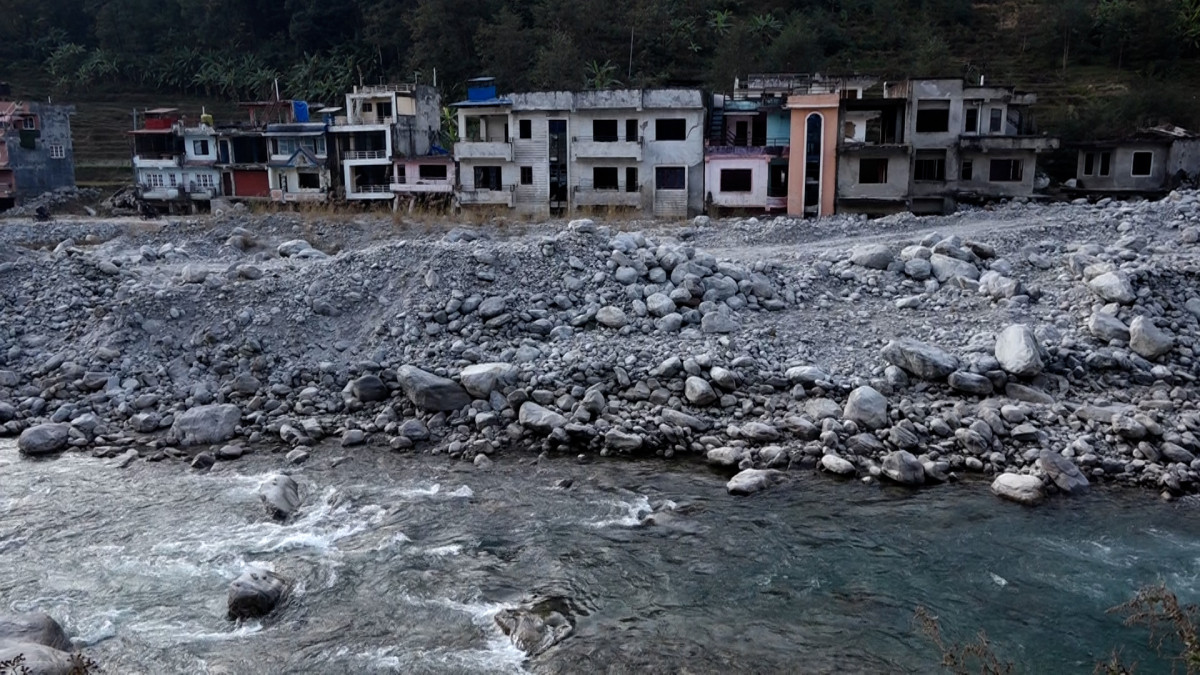
Tasi Lama, chairperson of Panchpokhari Thangpal Rural Municipality, argues that narrow legal definitions prevent flood victims from receiving proper justice. “Yesterday, the river was 10 meters below a house; today, it is 10 meters above. If the house hasn’t collapsed, the law does not recognize the owner as eligible for compensation,” he explains.
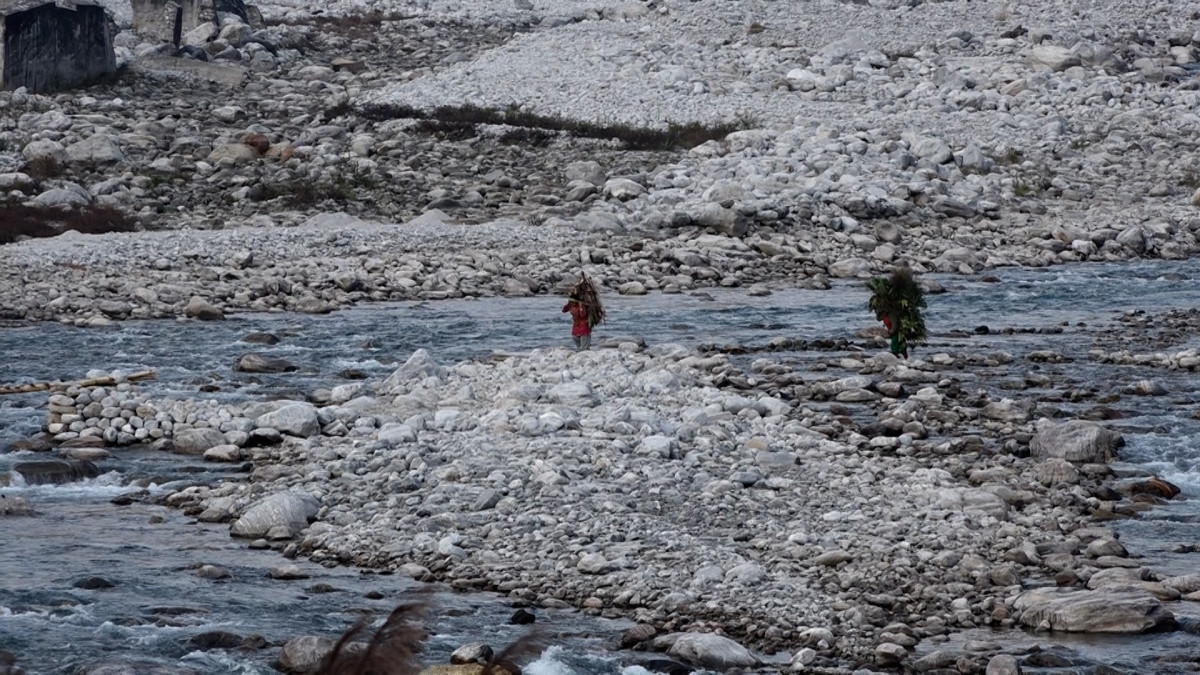
Chairman Lama adds that large areas of farmland have turned into gravel, motorable and suspension bridges, irrigation canals, and water sources have been destroyed.
Yet, permanent agricultural loss, destroyed livelihoods, and future risks are not included in legal provisions and do not qualify for compensation. “Until local governments are given the authority to fast-track disaster compensation, victims will continue to struggle for relief,” he says.
He further highlights the centralized mindset of leadership, which hinders the devolution of powers to local levels. “Collective action is required across all local disaster management bodies, including claims related to Melamchi flood damages,” he adds.
One-Size-Fits-All Relief Is Unfair
Nima Gyaljen Sherpa, chairperson of Helambu Rural Municipality, stresses that comparing the Melamchi floods to regular disasters is unfair. “Some areas lose one or two houses, others 500–600, but the procedure remains the same: all get Rs 500,000,” he says.
He argues that relief and rehabilitation must be based on the nature of the disaster and actual damage. While local governments can address smaller damages, large-scale losses require national prioritization and international funding support. “In Helambu, Panchpokhari, and Melamchi, 500–600 houses were destroyed. One standard cannot be applied to all. Laws should provide different provisions according to the scale of the disaster,” he emphasizes.
In Helambu, hundreds of families remain displaced long-term. “Temporary shelters designed for one or two years are insufficient. We need structures that last at least three to four years,” he says, noting that local governments lack sufficient resources, and specific laws and budgets are necessary for large disasters.
Non-Economic Losses Neglected
The most ignored aspect of the Melamchi floods is non-economic loss. A study by the Center for Natural Resources covering 120 households in Melamchi Municipality and Helambu Rural Municipality found that 85% of affected people face psychosocial problems, 58% reported damage to cultural and religious sites, 70% showed depression, and 57% exhibited anxiety symptoms.
Damage to monasteries, temples, religious practices, and community identity has disrupted the social fabric.
Yet, no clear policy, budget, or institutional responsibility exists to address these psychosocial and cultural losses.
The floods caused severe damage to homes, arable land, crops, livestock, and agricultural infrastructure. Yet, existing relief mechanisms do not account for long-term losses.
The 2019 Climate Change Policy does not clearly define types of damage, and the Disaster Management Act prioritizes houses, deaths, and injuries, excluding farmland, cultural heritage, and mental health.
Coordination between federal, provincial, and local governments is weak. These policy gaps have left Melamchi flood victims without resolution even after four and a half years.
Collective Intervention Is Crucial
The Melamchi flood is not an ordinary disaster. It is a long-term crisis linked to climate change. Local representatives agree that current laws must be amended, separate legislation for large-scale disasters created, multi-year budgets allocated, and both economic and psychosocial-cultural impacts addressed.
Following the floods, Melamchi Municipality has organized a climate convention every January 1 at Gufadanda to raise awareness. However, such efforts require collective alignment of all affected local governments. Without collective action, the flood may remain a permanent threat rather than a historical event for Melamchi residents.