Maintain strict hygiene to stay clean & safe this winter
Winter brings cold winds, dry air, and a higher risk of infections, making proper body care more important than ever.

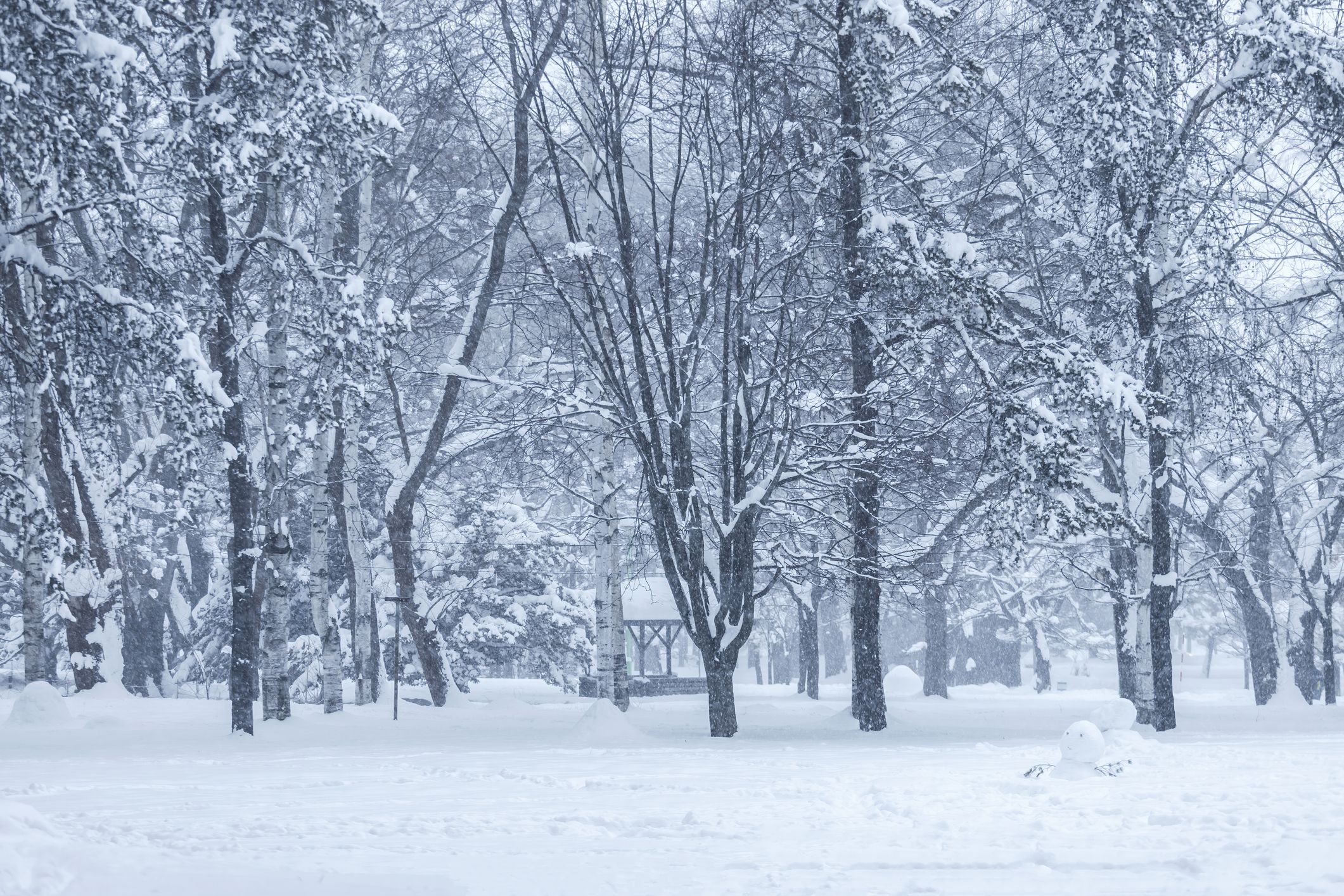
KATHMANDU: As temperatures drop across the country, health experts are urging the public to pay extra attention to personal hygiene.
Winter brings cold winds, dry air, and a higher risk of infections, making proper body care more important than ever.
While people often focus on staying warm, doctors say maintaining cleanliness during winter is just as crucial for preventing illness.
Why Winter Hygiene Matters
During winter, the body produces less sweat, which often leads people to believe they do not need frequent cleaning. However, dermatologists warn that bacteria and viruses survive longer in cold weather, and dry skin can crack easily, providing an entry point for infections. Additionally, staying indoors for longer periods increases exposure to germs.
Daily Cleaning Habits
Health specialists recommend that people follow a consistent hygiene routine even in cold weather:
-
Regular Bathing
Winter does not mean skipping baths. Experts advise bathing at least 3–4 times a week using lukewarm water. Hot water may feel comforting, but it strips the skin of moisture, leading to dryness and itching. -
Use Mild, Moisturizing Soap
Harsh soaps can irritate winter-dry skin. Doctors advise using gentle cleansers that maintain the skin’s natural oils. Moisturizing body wash can help protect the skin barrier. -
Wash Hair Wisely
Hair tends to get less oily in winter, so washing it 2–3 times a week is usually enough. Using a mild shampoo and conditioner helps prevent dandruff, which becomes more common in the dry season. -
Daily Face Cleaning
Clean your face twice a day with warm water and a gentle cleanser. Winter air can clog pores with dust, leading to acne or irritation.
Hydration and Skin Care
Dermatologists emphasize the importance of moisturizing:
-
Apply moisturizer immediately after bathing to lock in moisture.
-
Use thick creams instead of lotions for better hydration.
-
People with very dry skin should consider applying body oil or petroleum jelly to rough areas.
Drinking enough water is also essential. In winter, people often forget to hydrate because they feel less thirsty, but the body still needs fluids to maintain skin elasticity and cleansing functions.
Clothing and Cleanliness
Experts say winter clothing can collect bacteria and sweat even if people don’t feel hot.
-
Wash sweaters and jackets regularly, especially those worn close to the skin.
-
Undergarments and socks should be changed daily to avoid odor and fungal infections.
-
Choose breathable fabrics to prevent sweat buildup.
Respiratory Hygiene
Colds, flu, and respiratory infections rise sharply in winter. Medical officials advise:
-
Washing hands frequently with soap for at least 20 seconds.
-
Carrying sanitizer when outdoors.
-
Avoiding touching the face, nose, and mouth with unwashed hands.
-
Covering your mouth with your elbow or tissue when coughing or sneezing.
Foot Care
Feet often stay wrapped in socks and shoes, creating moisture and warmth—ideal conditions for fungal growth.
-
Keep feet clean and dry.
-
Change socks every day.
-
Let shoes air out in sunlight when possible.
-
Moisturize heels to prevent painful cracks.
Healthy Lifestyle Practices
Proper hygiene is not limited to bathing. Doctors also encourage:
-
Adequate sleep to support immunity
-
Eating fruits rich in vitamins A, C, and E
-
Using a humidifier indoors to reduce skin dryness
-
Regular exercise to improve blood circulation and overall health
Public Health Message
Health authorities remind people that staying clean in winter is not only about personal comfort—it helps protect families and communities from seasonal illnesses. Practicing good hygiene consistently can significantly reduce the spread of infections during the cold months.
As winter continues, experts advise the public to prioritize personal cleanliness, moisturization, and regular health habits to stay safe and healthy throughout the season.