Leaders urge clear majority, economic reforms in party manifestos

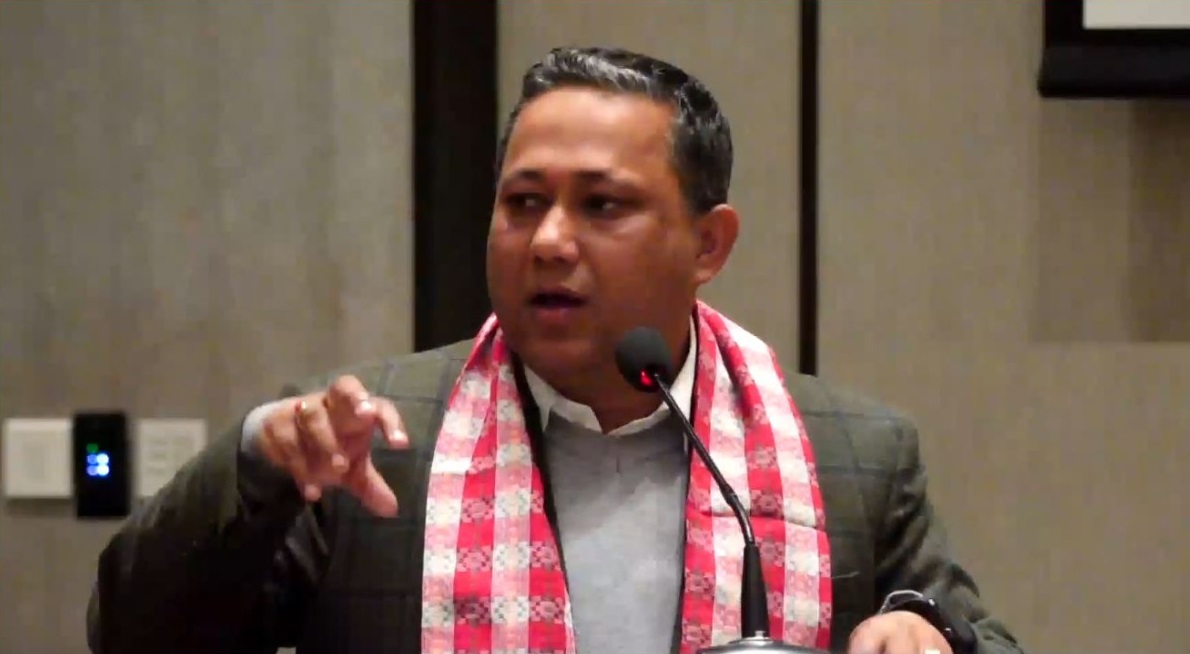
KATHMANDU: Leaders and experts have called on Nepali political parties to secure clear parliamentary majorities and implement strong economic agendas in their manifestos.
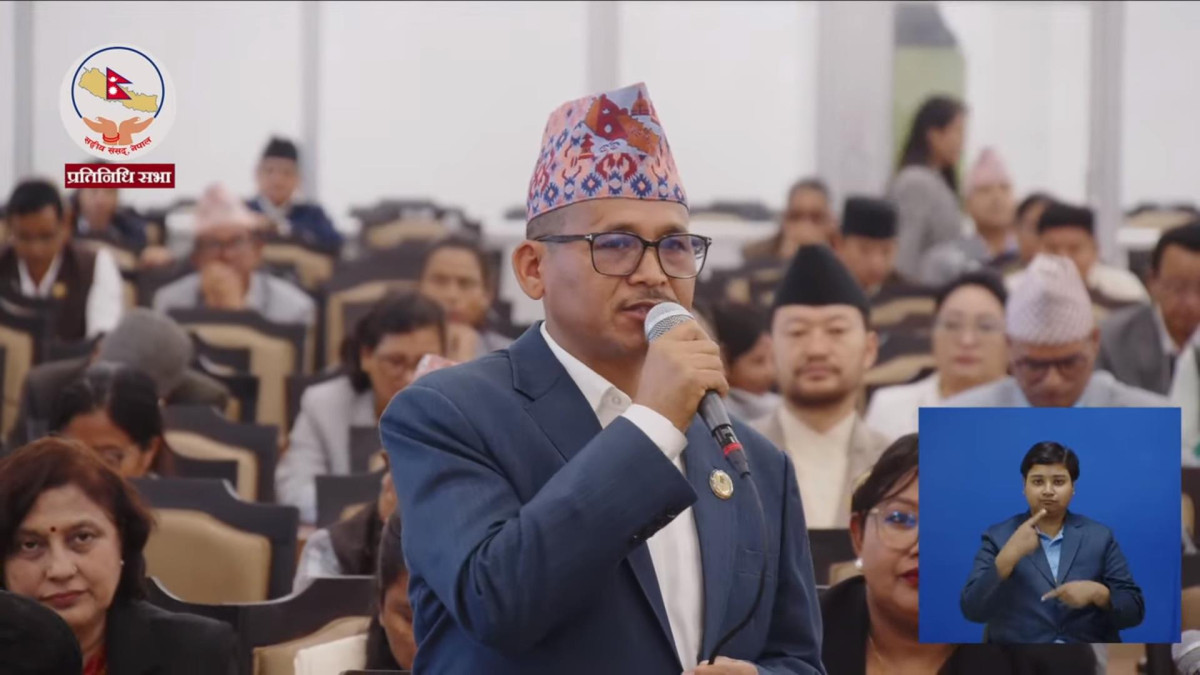
Sishir Khanal, leader of the Rastriya Swatantra Party and former Education Minister, emphasized that in Nepal’s parliamentary system, only a party or coalition with a clear majority can effectively deliver on its manifesto promises.
Speaking at a program organized by the Nepal Economic Journalists’ Forum (NEJF), Khanal warned that mixed-mandate results and coalition governments often prevent manifesto commitments from being realized.
He noted that Nepal’s parliamentary practice is heavily executive-centric, making it difficult for fragmented governments to implement policy.
“Without a clear majority, no government can effectively fulfill manifesto commitments,” Khanal said, stressing the need for voters to grant decisive mandates.
Meanwhile, Ganesh Karki, Chair of the Independent Power Producers’ Association Nepal (IPPAN), highlighted the country’s growing electricity production but lack of a consumption plan. Speaking at the same NEJF event, Karki urged parties to commit to policies that support electricity export, consumption planning, and private sector participation. He said, “It is not enough to just produce electricity. Private producers must be allowed to sell power to Nepal Electricity Authority or in the market, and policies must safeguard the private sector.”
Former Nepal Chamber of Commerce Chair Rajendra Malla emphasized youth retention, agriculture, and technology as priorities. He called for part-time jobs to keep young talent in the country, policies to prevent idle farmland, and IT education accessible even in rural areas. Malla also advocated for industrial use of cannabis, better utilization of forest resources to reduce timber imports, and a more efficient government service system.
The discussions underline growing calls for political clarity and robust economic planning in Nepal, with experts urging parties to translate their manifesto promises into actionable policies.