Kamal Thapa says party unification driven by principle, not personal interest
The unification was formalized through the signing of a six-point agreement at a unification declaration ceremony held in Kathmandu on Wednesday.

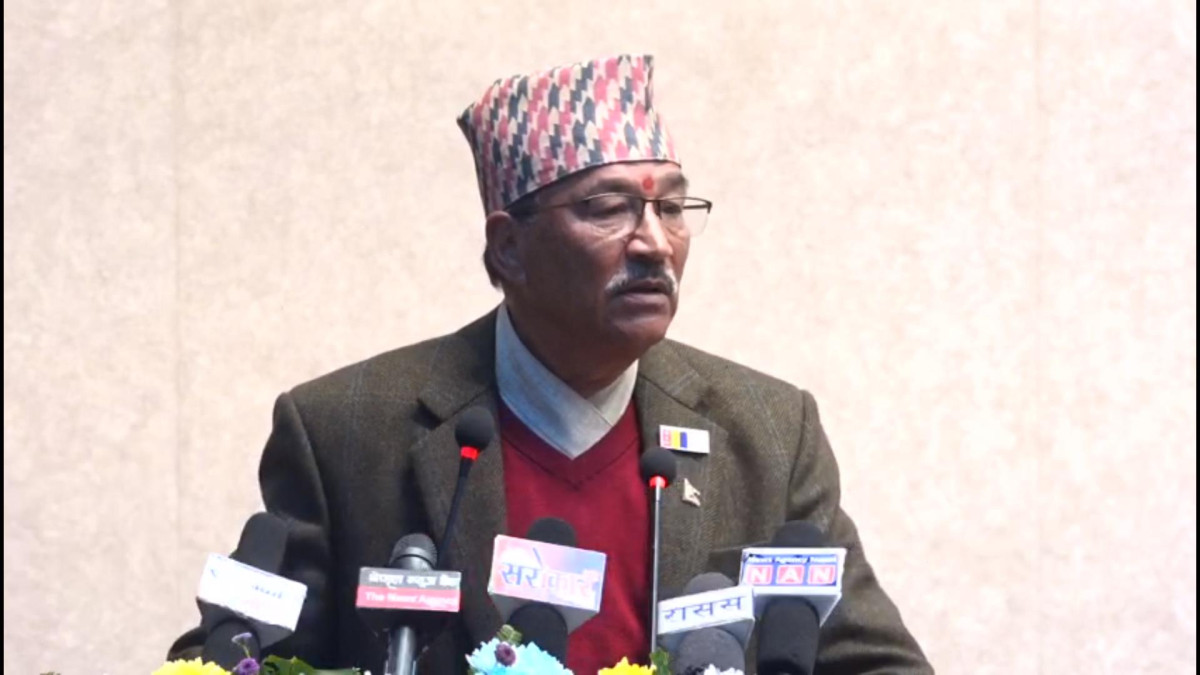
KATHMANDU: The Rastriya Prajatantra Party (RPP) and RPP Nepal have officially reunited, ending a years-long political split.
The unification was formalized through the signing of a six-point agreement at a unification declaration ceremony held in Kathmandu on Wednesday.
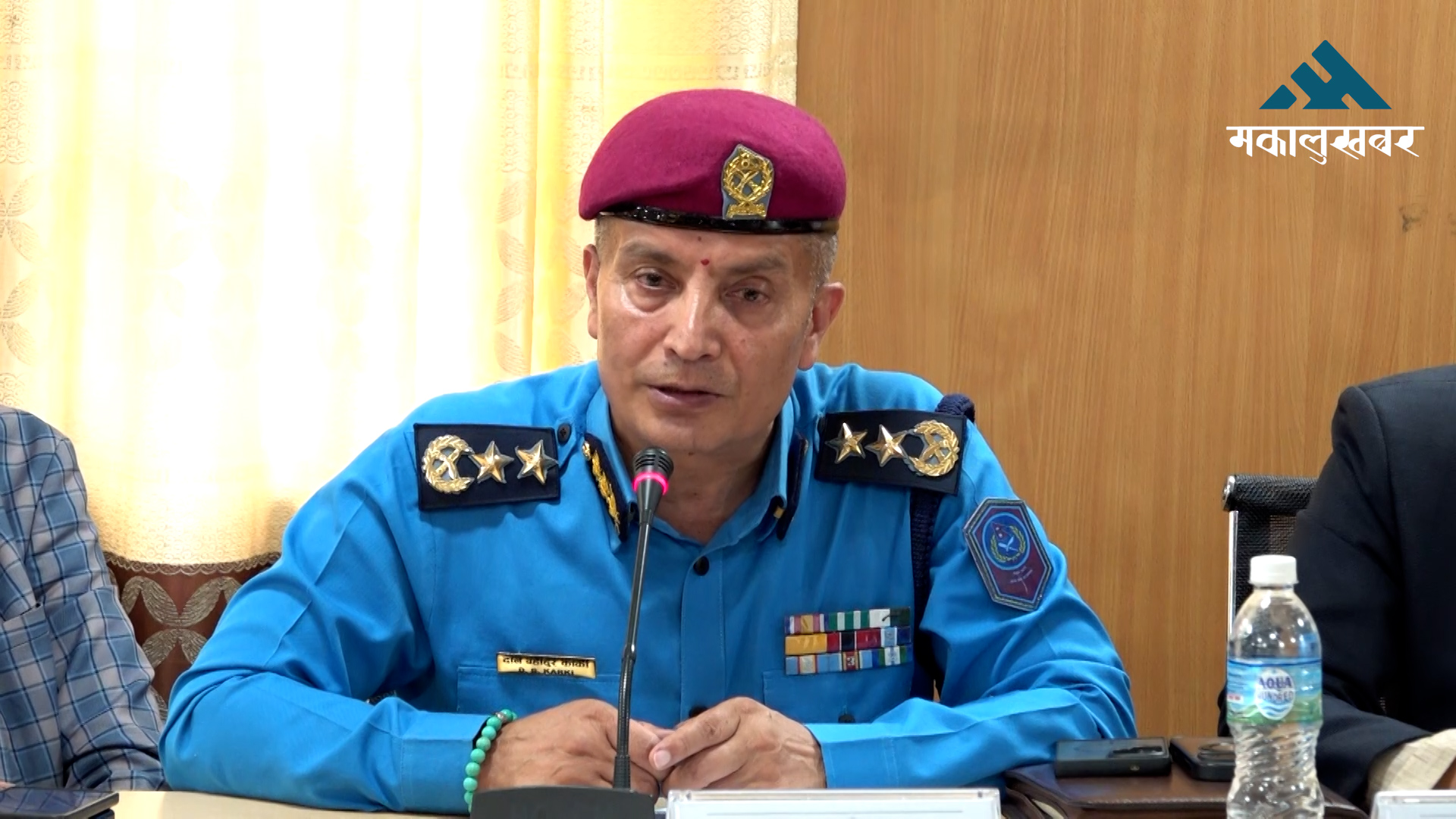
Addressing the event, RPP Nepal Chairperson Kamal Thapa said he felt as though he had “returned home after many years.” He stated that although he had separated from the party following the historic general convention of 2078 due to various circumstances, he had now returned along with the party’s nationwide organizational structure.
Thapa strongly refuted allegations that he had split the party after taking an oath on the Bhagavad Gita or that he had left the party after losing the general convention. He asserted that such claims were entirely false and politically motivated.
He emphasized that his decision to reunite carried no personal interest, expressing confidence that the false accusations leveled against him had now been laid to rest.
Thapa also urged party leaders and supporters not to ignore history, stressing that unity and collective leadership are essential in the present political context.
Kamal Thapa had left RPP in Mangsir 2078 BS after losing the party leadership contest to Rajendra Lingden. With the new agreement reached four years later, Thapa has returned to the parent RPP.
During his address, Thapa also criticized mainstream political parties, blaming their inefficiency and failure to deliver governance for pushing the country into deep and mounting crises.
The unification brings together royalist and nationalist forces under a single banner, a move party leaders believe will strengthen their political influence in the days ahead.