Hypertension rising among youth: Doctors urge early lifestyle changes
Increased consumption of processed food, lack of regular exercise, high stress levels, long screen time, and reduced sleeping hours are seen as key contributors.

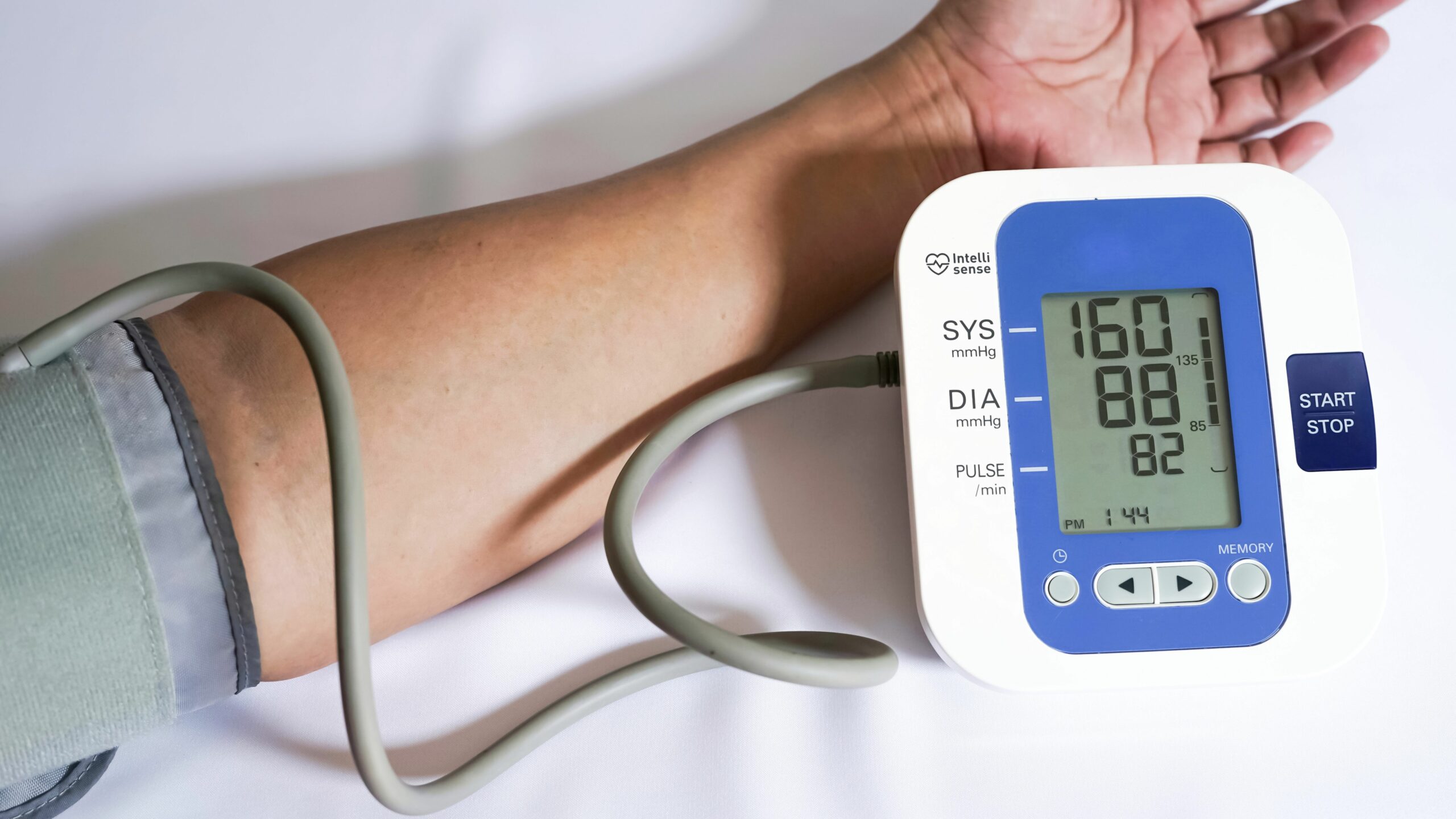
KATHMANDU: Doctors and public health experts have raised concerns over the increasing number of hypertension (high blood pressure) cases among young adults in Nepal.
Once considered a disease of middle-aged and elderly populations, hypertension is now being recorded more frequently in individuals aged 20 to 35, according to recent clinical observations from hospitals in Kathmandu, Pokhara, and Biratnagar.
Growing Trend Among Youth
Cardiologists state that lifestyle changes are the primary cause of this worrying trend. Increased consumption of processed food, lack of regular exercise, high stress levels, long screen time, and reduced sleeping hours are seen as key contributors.
“Earlier, we mainly saw hypertension in people above 40 years. But now, almost 1 in every 5 new cases we diagnose are young working professionals,” said Dr. Sunita Khatiwada, a senior cardiologist at Shahid Gangalal National Heart Centre. “This shift is alarming because early-onset hypertension significantly increases lifetime risk of heart disease and stroke.”
Symptoms Often Go Unnoticed
Hypertension is often called a “silent killer” because many people do not experience noticeable symptoms. However, some early warning signs may include:
-
Frequent headaches
-
Dizziness
-
Chest discomfort
-
Fatigue
-
Blurred vision
Health experts emphasize that the absence of symptoms does not mean the condition is harmless. If untreated, hypertension can lead to heart attack, kidney damage, and paralysis.
Treatment and Management
While hypertension cannot be permanently cured in all cases, it can be effectively managed with medication and lifestyle adjustments. Doctors advise patients to:
-
Monitor blood pressure regularly
-
Take prescribed medication consistently
-
Reduce salt intake and avoid processed snacks
-
Include more fruits, vegetables, and whole grains in daily meals
-
Exercise at least 30 minutes a day
In many young patients, early intervention and lifestyle correction have helped stabilize or even reverse the condition without long-term medication.
Preventive Measures to Reduce Risk
To prevent the onset of high blood pressure, experts recommend:
-
Balanced Diet: Avoid junk foods high in fat, sugar, and salt.
-
Regular Exercise: Walking, yoga, cycling, or sports activities help maintain heart health.
-
Stress Management: Meditation and proper work-life balance reduce mental strain.
-
Adequate Sleep: 7–8 hours of restful sleep daily is crucial.
-
Limiting Alcohol and Avoiding Smoking: These substances significantly damage blood vessels.
Government and Community Response
Public health organizations have begun campaigns encouraging early screening. Free blood pressure check booths are being set up in colleges, malls, and offices. Health professionals say early awareness can prevent deaths and long-term disabilities in the future.
“Hypertension is preventable,” Dr. Khatiwada added. “If young people make health a priority today, they can avoid serious heart-related complications tomorrow.”
As lifestyles continue to modernize, doctors warn that awareness, early detection, and proactive healthcare choices are essential to protect the younger generation from preventable heart diseases.