Gen Z protests trigger mental health concerns among youth
A 16-year-old girl, unable to sleep through the night, began experiencing recurring flashbacks of protest scenes, affecting her studies and daily routine.

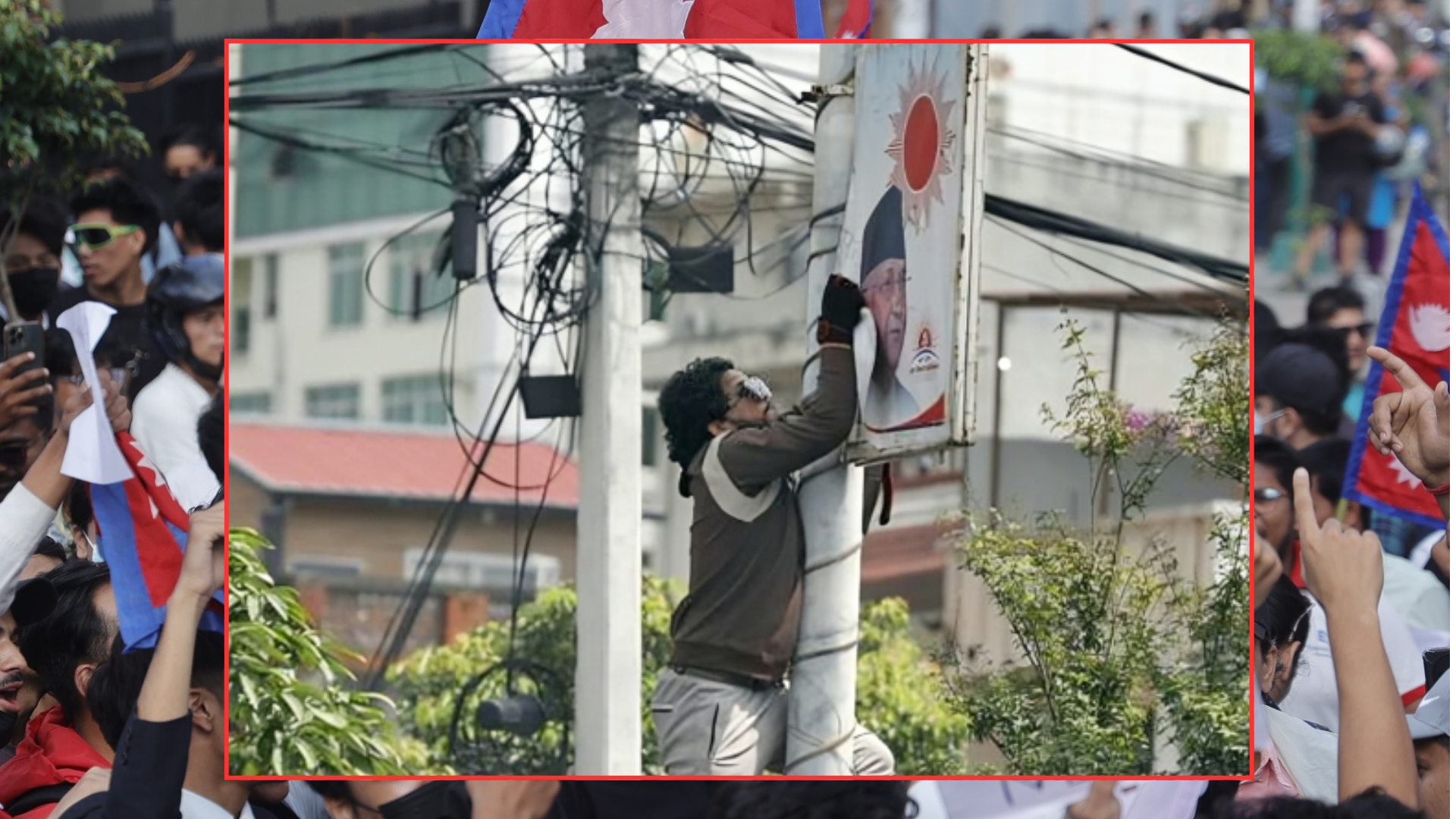
KATHMANDU: The recent Gen Z protests in Nepal are leaving a significant psychological impact on children and young adults, with mental health professionals reporting a surge in anxiety, stress, and trauma-related symptoms.
A 16-year-old girl, unable to sleep through the night, began experiencing recurring flashbacks of protest scenes, affecting her studies and daily routine.
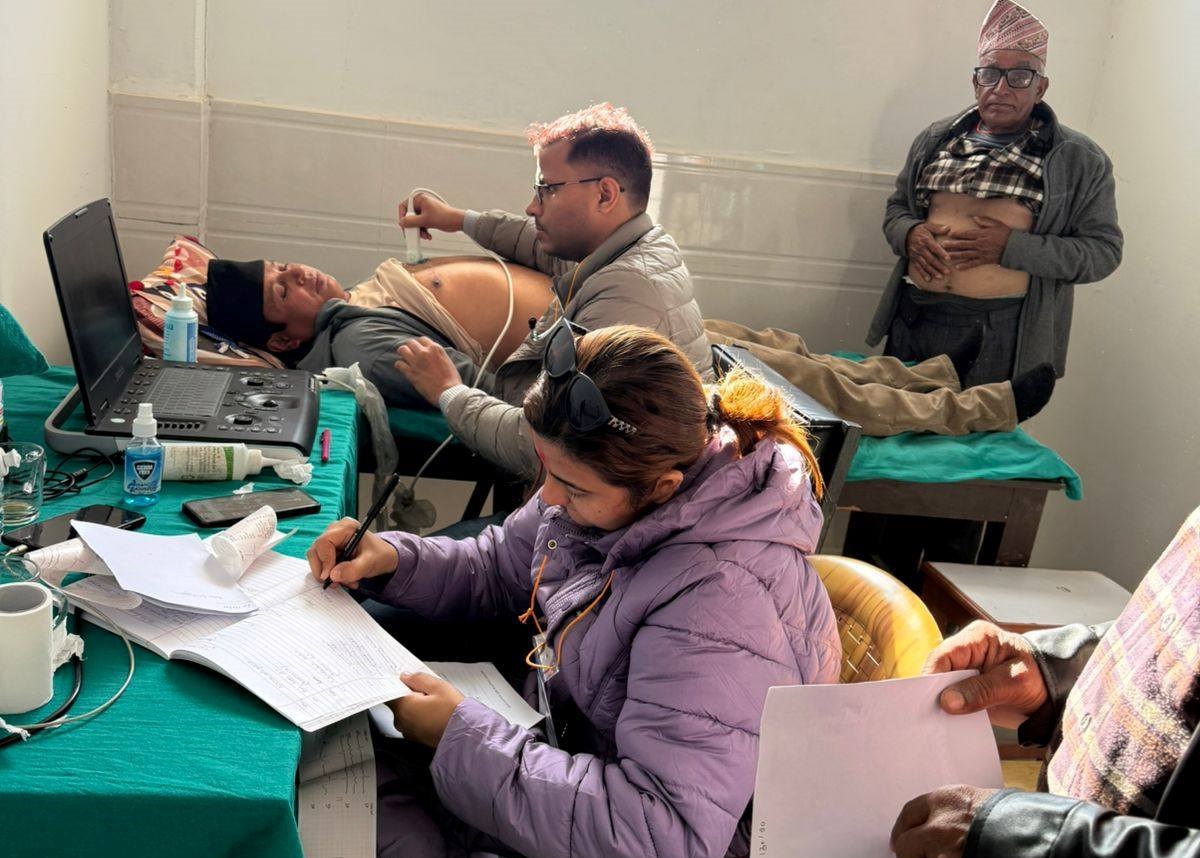
Concerned, her family brought her to Lagankhel Mental Hospital, where psychiatrists provided counseling and medication to help her cope.
Similarly, a 25-year-old man who had participated in the protests reported increased stress after returning home.
Continuous exposure to media and social media coverage of the events triggered severe anxiety, disrupted his daily routines, and affected his ability to socialize. He, too, sought professional help.
In another case, a teenager has been traumatized by the death of a classmate, experiencing heightened fear and distress even during sleep. These examples represent only a fraction of the growing mental health challenges among Nepalese youth linked to the protests.
Dr. Vasudev Karki, a psychiatrist at Lagankhel Mental Hospital, noted, “Sudden large-scale protests affect everyone. It is natural for those directly or indirectly involved to experience mental health issues. While some recover quickly, children and individuals with pre-existing conditions are at higher risk of long-term effects.”
He emphasized that the consequences go beyond physical and financial damage, extending deeply into mental well-being. Dr. Amita Jha, a child and adolescent psychiatrist at Kanti Children’s Hospital, added that the protests have led to increases in anxiety, depression, fear, and flashback symptoms, even among children with no prior mental health issues. Some required higher doses of medication alongside counseling sessions.
Experts suggest that adopting basic stress management techniques can provide relief. Effective methods include deep-breathing exercises, engaging in enjoyable activities such as arts, music, or sports, and open communication with family and friends.
“Not all news or social media content needs to be followed,” Dr. Karki advised. “Spending time on activities you enjoy, while avoiding alcohol and drugs, can reduce stress.” For persistent symptoms, 24-hour counseling is available via helpline 1166, and professional consultation is recommended for more severe cases.
Dr. Jha stressed the importance of communication at home and school to prevent mental health issues among children and adolescents. “Parents and teachers should provide age-appropriate support and reassurance. Regular schedules and engagement in arts and sports help mitigate the impact of traumatic experiences.”
The Gen Z protests have highlighted the critical importance of mental health in Nepalese society. According to Dr. Karki, while healing takes time, accepting trauma, seeking support, and receiving treatment can help individuals return to a balanced life. He stressed that prioritizing mental health during crises is a shared responsibility of both the state and society.