Climate change threatens traditional mud houses in Manang’s himalayan region
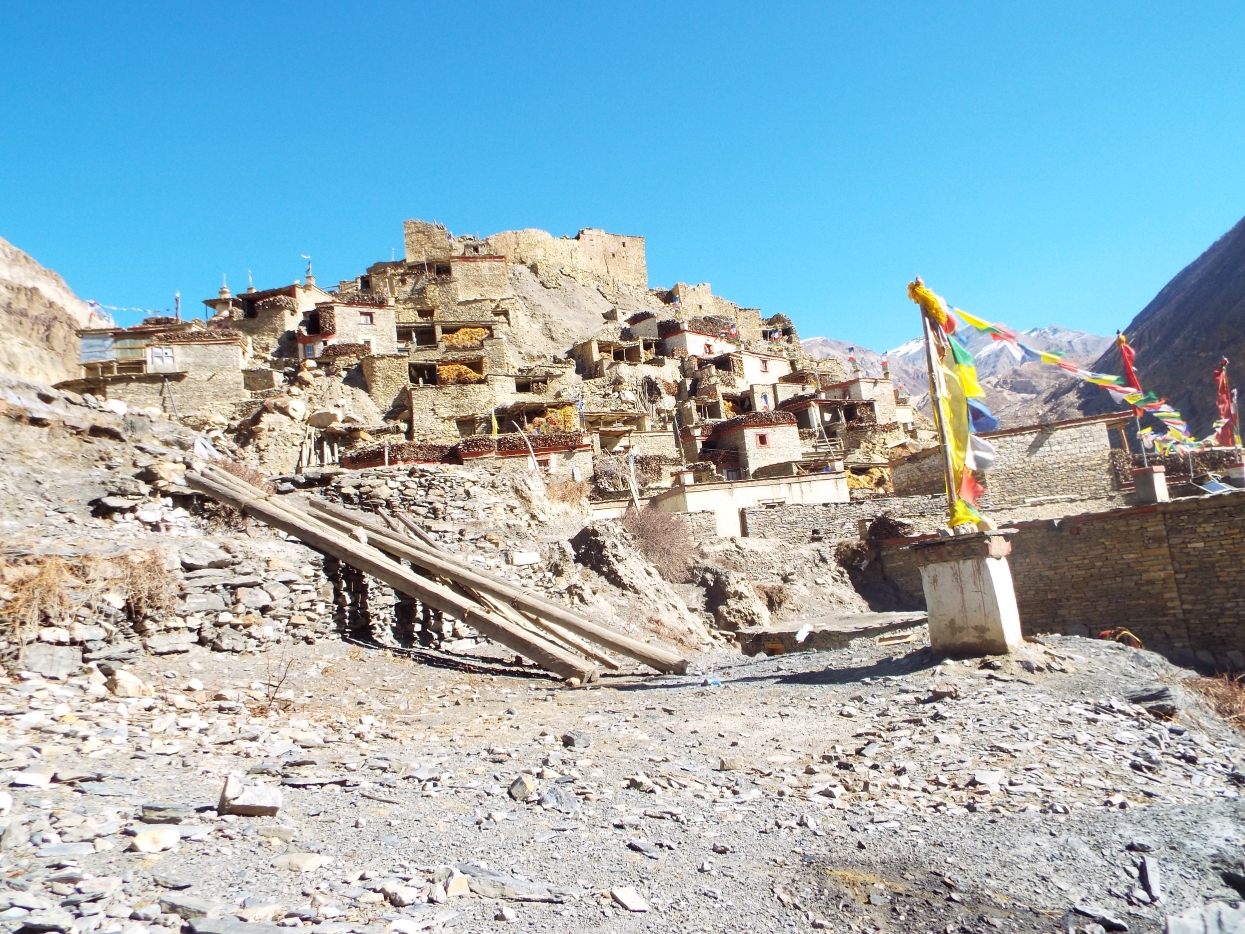
In the past, snowfall met the water needs of the area, but now increasing rainfall is causing significant damage to the traditional mud-roofed houses in Manang district.

KATHMANDU: The long-held belief that the Himalayan region receives little to no rainfall is rapidly changing.
In the past, snowfall met the water needs of the area, but now increasing rainfall is causing significant damage to the traditional mud-roofed houses in Manang district.
Historically, local homes were built using indigenous skills, knowledge, and materials, featuring earthen roofs that reflected the culture and heritage of the region.
However, climate change has led to heavier and more frequent rains, making mud roofs increasingly vulnerable to water damage. As a result, many traditional homes are deteriorating, with roofs leaking and walls crumbling.
Manang, once known for its dry upper regions where rain was almost nonexistent, now experiences above-average and continuous rainfall, especially in Narpa Bhumi Rural Municipality’s Nar and Phuma villages. Konjo Tenzing Lama, chairperson of Narpa Bhumi, expressed concern that these changes are eroding not only the traditional architecture but also the cultural identity tied to it.
“Nature cannot be fought or altered. Climate change is visibly impacting our environment, threatening to erase our traditions and cultural heritage,” Lama said. “These homes were once a symbol of our identity, but now they face destruction due to changing weather patterns.”
In the district headquarters, Chame, traditional homes are disappearing, replaced by modern reinforced concrete structures. However, the villages of Nisyang and Narpa Bhumi still retain some of their ancient architectural heritage, including historic monasteries, chortens, and sacred sites built by ancestors, which are also at risk.
The effects of climate change extend beyond housing. Reduced snowfall, rising temperatures, and increased rainfall are negatively impacting human and livestock health, social and cultural foundations, as well as indigenous skills and knowledge. Additionally, biodiversity and local ecosystems are being harmed.
Lama emphasized that the lifestyle and culture of the Himalayan communities are changing as the natural cycle of snowfall and rainfall shifts. “Tourists come not only to visit Tilicho Lake but also to study our way of life. We must protect Manang’s unique cultural identity, including our monasteries, chortens, and mud houses,” he urged.
Despite the pressures, traditional customs remain alive in Narpa Bhumi. People still consult auspicious times before leaving their homes and walk around chortens when entering the village, maintaining their cultural practices.
Chame Rural Municipality Chairperson Lokendra Bahadur Ghale noted that increasing rainfall has forced residents to build concrete houses to withstand the weather. “The snow no longer meets our water needs, and heavy rain compels us to abandon mud houses for concrete,” he said. Ghale lamented that even the few remaining traditional homes in Chame are disappearing rapidly due to these climatic changes.
Experts highlight that mud houses have natural insulating properties, keeping interiors warm in winter and cool in summer, and reducing respiratory illnesses during cold seasons. In contrast, concrete buildings tend to become hotter in summer and colder in winter.
To preserve these valuable cultural heritages, experts call for urgent attention and cooperation among all government levels and related agencies.
They stress the need for strong government focus on climate change mitigation and green development, which could greatly benefit the preservation of Manang’s lifestyle and culture.