China’s population falls for fourth straight year
Nearly a decade after the policy was scrapped, birth rates remain stubbornly low, and official data shows that the country’s total population has declined again.

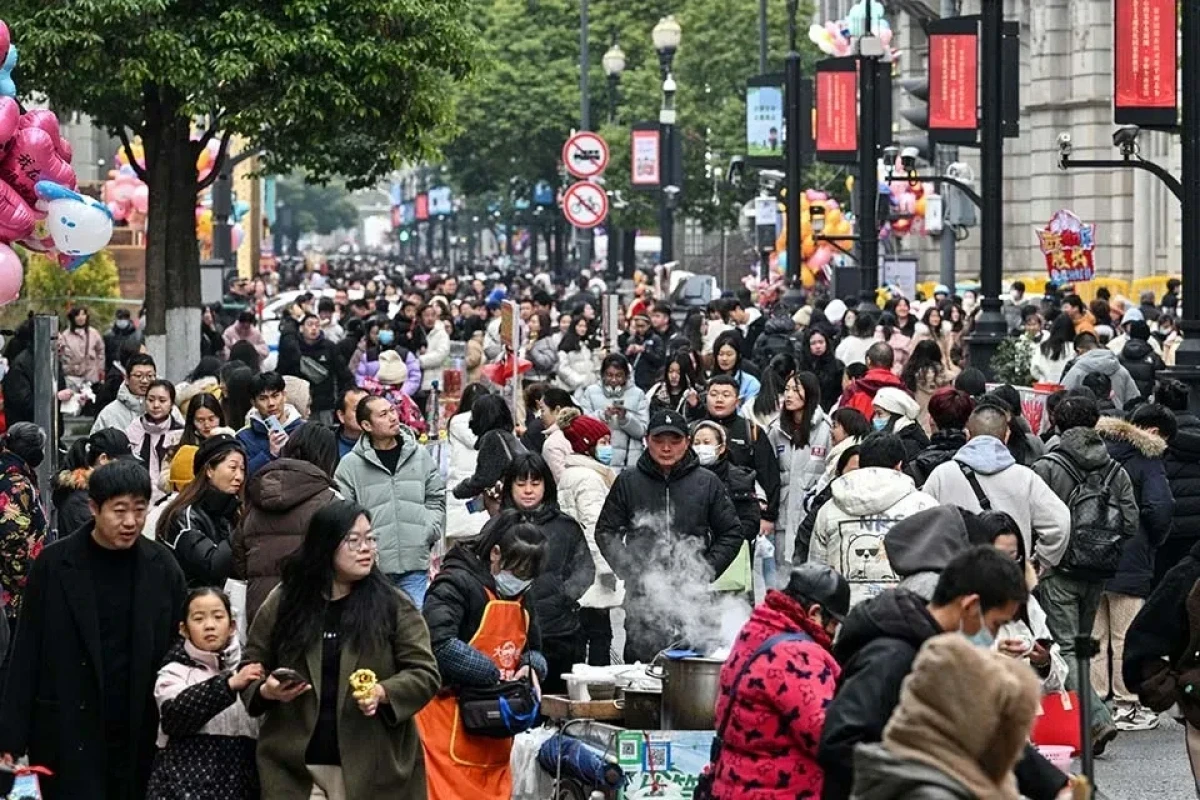
KATHMANDU: After decades of enforcing a strict one-child policy, China is now facing a difficult challenge: convincing its citizens to have more children.
Nearly a decade after the policy was scrapped, birth rates remain stubbornly low, and official data shows that the country’s total population has declined again.
According to figures released on Monday, China’s population has fallen for the fourth consecutive year.
In 2025, the world’s second-most populous nation recorded a total population of 1.404 billion — nearly three million fewer than the previous year.
The data highlights the deepening demographic pressure China is facing. Only 7.92 million babies were born in 2025, a drop of 1.62 million, or about 17 percent, compared to the previous year.
Although birth numbers appeared to rise slightly in 2024, the latest figures suggest that this was not a long-term reversal. In fact, birth rates had been declining continuously for seven years until 2023.
Many families cite the high cost of raising children in an intensely competitive society, along with mental stress and economic uncertainty, as major deterrents.
The recent economic slowdown has further added to these pressures, making daily life increasingly difficult for many households.
Like several other Asian nations, China is grappling with a rapidly falling fertility rate. While the government no longer publishes the figure regularly, it stood at 1.3 in 2020.
Experts estimate it has now dropped to around 1 — far below the 2.1 level needed to maintain a stable population.
China relaxed its one-child policy in 2015, allowing couples to have two children. In 2021, the limit was further expanded to three.
However, these policy changes have failed to deliver the expected results.
To encourage childbirth, the government has introduced a range of incentives. Last July, it announced a cash subsidy of 3,600 yuan (about $500) per child.
At the same time, authorities have adopted both encouraging and discouraging measures to influence behavior.
From 2025, contraceptives — including condoms — were removed from the value-added tax exemption list, making them subject to a 13 percent tax from Jan 1.
To ease the burden of child-rearing, kindergartens and daycare centers have been granted tax benefits.
The government has also promoted matchmaking services to encourage young people to form families.
China was the world’s most populous country until 2023, when India overtook it.
Now, China’s shrinking population is emerging as a long-term challenge with serious implications for its economy, society, and labor market.