Bahundangi ‘Nature Park’ emerging as new eco-tourism hub
The park area is close to India’s Lohagadh forest, which lies about two kilometers west across the border.

KATHMANDU: Mechinagar Municipality–4, Bahundangi has begun attracting visitors as a new tourism destination following the development of a “Nature Park” in an area long affected by human–elephant conflict.
The park was established around three years ago at a cost of Rs 4.2 million through the initiative of Ward Chair and conservation advocate Arjun Karki, aiming to transform the area into a tourism-friendly zone while addressing decades of wild elephant damage in the region.
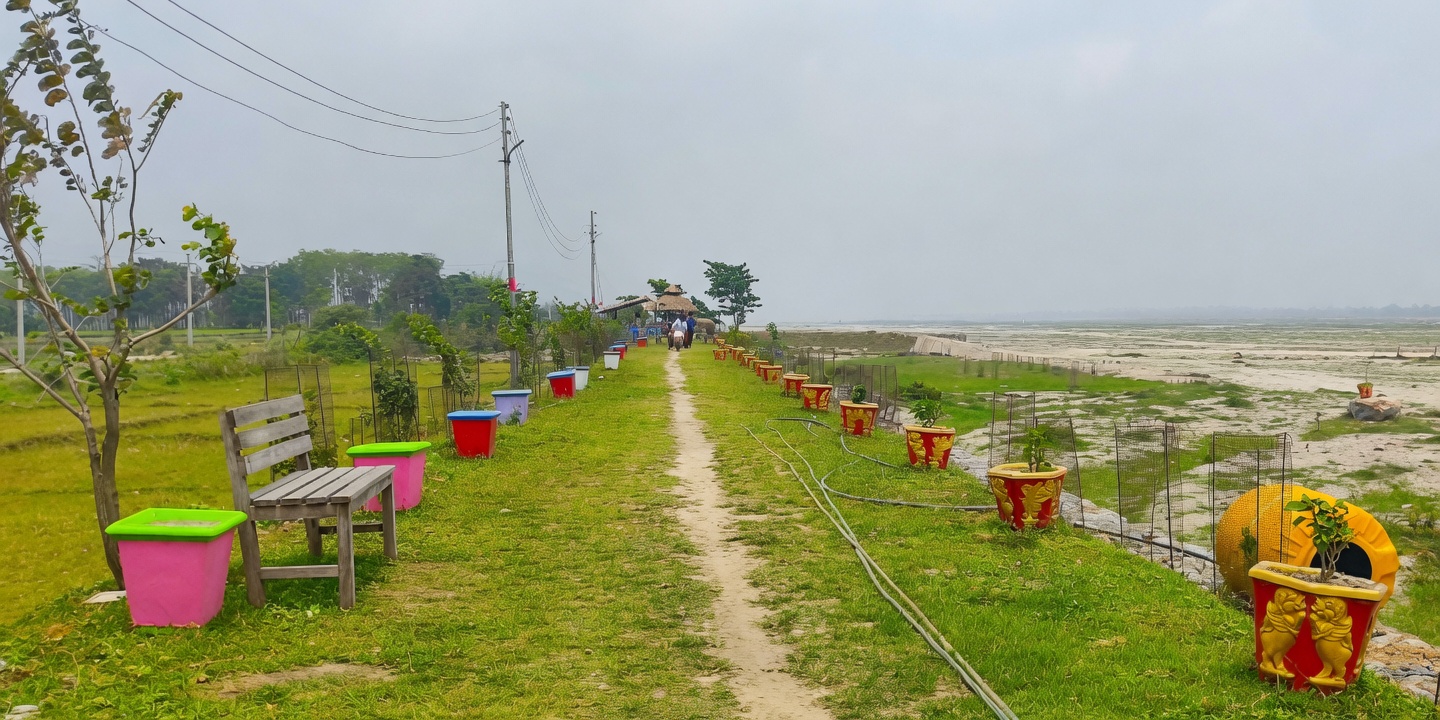
Located on a one-bigha area along the banks of the Mechi River, the park features statues of elephants and birds, a flower garden with over 100 plant species, 22 water fountains designed in the shape of an elephant trunk, resting platforms, and greenery supported by planted trees.
To the south of the main park, around four bighas of riverbank has been developed into a green belt through afforestation efforts. The “22 waterfalls” created from elephant trunk-inspired water flows have become a major attraction.
The location lies along a key corridor where wild elephants frequently enter Nepal from India. According to locals, herds of 60 to 100 elephants cross the Mechi River’s wide riverbed almost every evening through this route before entering Nepal.
The park area is close to India’s Lohagadh forest, which lies about two kilometers west across the border. The region is part of the broader elephant movement route extending from Assam through West Bengal to the Koshi Tappu Wildlife Reserve in Nepal.
The park has also introduced elephant-friendly plants, including “elephant fruit” and other fruit-bearing trees such as guava, to encourage elephants to stay within designated areas and reduce conflict with human settlements.
Bird-friendly vegetation has been planted to support local biodiversity.
According to Mechi Bird and Wildlife Conservation Society, the area is home to rare bird species such as bregadi quail, cuckoos, paradise flycatchers, and hornbills.
Conservation experts say the park allows visitors not only to enjoy nature but also to study human–wildlife conflict firsthand.
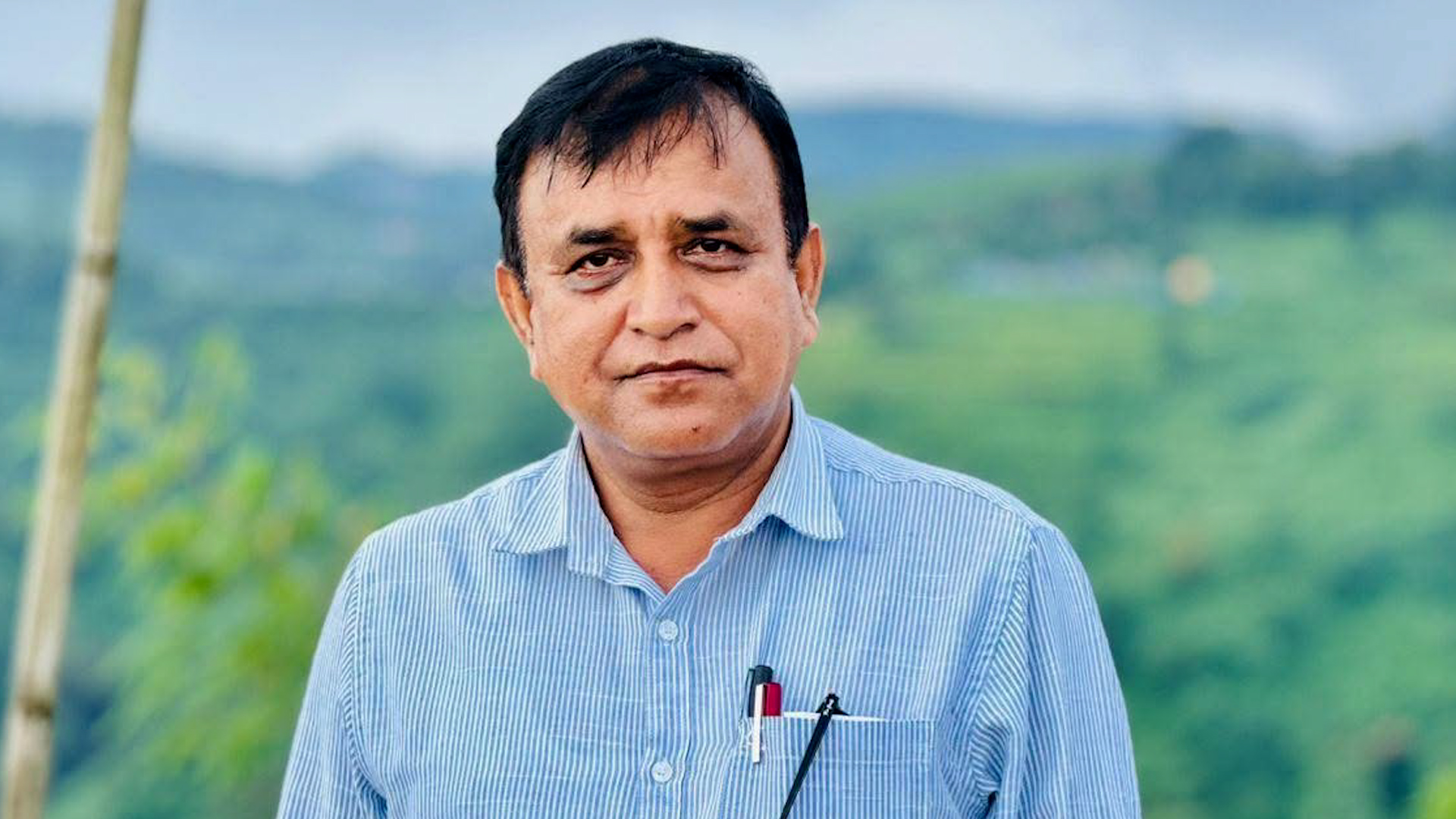
Ward Chair Arjun Karki said that the park is increasingly attracting domestic and international tourists. “People from different parts of Nepal and even India are visiting here. Bahundangi is widely known for elephant conflict, and we are trying to reshape that identity by linking it with tourism,” he said.
Local resident Samir Rai said the park has become a popular picnic and leisure destination. However, he noted that recent flooding of the Mechi River damaged several structures and caused losses worth over Rs 1.3 million.
Visitors also come for photography, recreation, and family outings, especially due to the availability of drinking water, small shelters, and natural waterfalls.
However, locals say safety concerns remain due to frequent elephant movement in the evening and early morning hours.
Tourists have expressed interest in elephant observation but often leave before evening due to fear of encountering wild herds.
Authorities and locals emphasize the need for better safety measures, including solar fencing and improved coordination with government conservation programs.
Despite challenges, the park has started boosting local tourism, benefiting nearby businesses and homestays in Bahundangi.
Efforts are underway to strengthen infrastructure and protect the park from future flood damage through embankment construction under the Chure conservation program.
Officials say the long-term goal is to develop Bahundangi into a safe and sustainable eco-tourism destination while managing the ongoing human–elephant conflict in the region.