Where faith meets serenity: Pindeshwor Temple draws thousands
Popularly known as ‘Amritpind Pindeshwor Mahadev’, the temple is a harmonious blend of religious belief, mythological significance, and natural beauty.

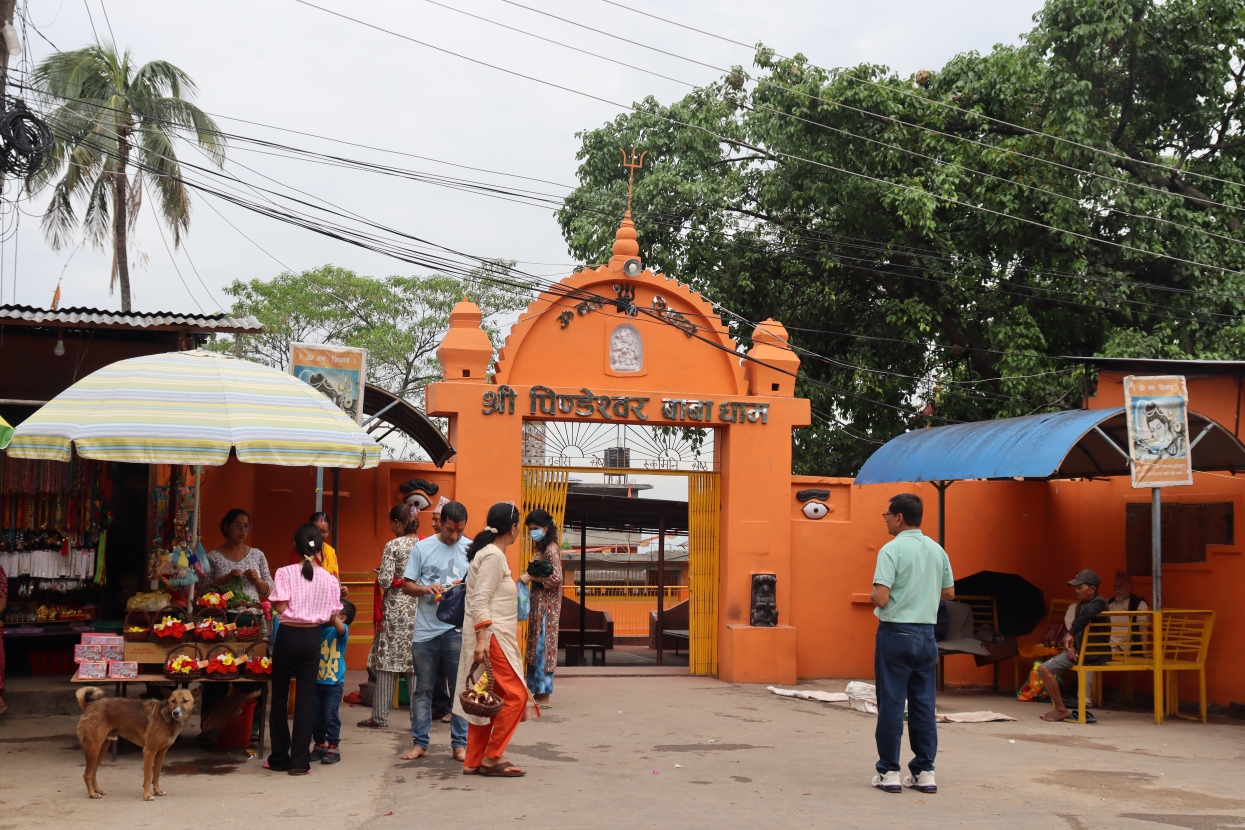
KATHMANDU: Nestled in the serene surroundings of Dharan Sub-Metropolitan City–14, Bijaypur Danda, the Pindeshwor Temple is rapidly gaining recognition as a major religious tourism hotspot.
Popularly known as ‘Amritpind Pindeshwor Mahadev’, the temple is a harmonious blend of religious belief, mythological significance, and natural beauty.
Every day, hundreds of devotees visit the temple, drawn by their faith and devotion.
Kumar Shrestha, who visits annually with family and friends from Kathmandu, shared, “Whenever I come to Pindeshwor Temple, I feel a deep sense of peace and fulfillment of my wishes. This spiritual connection brings me back year after year.”
The temple’s unique identity is further enriched by ancient legends.
According to popular belief, during the mythological churning of the ocean (Samudra Manthan), a drop of the divine nectar (amrit) is said to have fallen at this very location, granting it special religious significance.
As a result, the temple welcomes throngs of devotees from across Nepal and even from abroad.
Ramesh Kumar Sah from Kanepokhari, Morang, who visited for the first time, said, “The tranquil atmosphere here brings peace to the mind. After learning about its history and spiritual value, I realized how truly special this place is.”
During the holy month of Shrawan, the temple transforms into a vibrant hub of religious festivities.
Devotees, adorned in saffron and chanting Bol Bam, carry sacred water from the Saptakoshi River to offer to Lord Shiva.
Major festivals like Shrawan Mondays, Mahashivaratri, Teej, Maghe Sankranti, and Kartik Purnima see particularly large gatherings.
According to Vikas Banepali, Chairperson of the Pindeshwar Babadham Committee, the number of devotees visiting on Saturdays and Tuesdays has increased significantly in recent years.
Though modest in appearance from the outside, the temple complex houses over ten small and large shrines.
A stone bull (Nandi) in front of the main Shiva Lingam, a historic pond, and a central statue of Goddess Saraswati add to its religious and cultural richness.
Around 30 local vendors sell offerings such as garlands, prasad, and rudraksha beads near the temple. Indira Khadka, a local resident, has been selling flower garlands at the temple for over 22 years. “With more devotees arriving, our business has also improved—especially on Saturdays and Tuesdays,” she shared.
Ranjita Katwal, a member of the temple committee, reported that 1,000 to 1,500 devotees visit daily.
The temple also hosts Ardha Kumbh every six years and Maha Kumbh every twelve years, further enhancing its religious stature.
Devotees arrive not just from across Nepal but also from parts of India such as Sikkim and Darjeeling, according to Banepali.
“Pindeshwor Temple is revered by people of all castes and religions—it truly belongs to everyone,” he emphasized.
However, the lack of adequate lodging facilities for visitors remains a concern.
Katwal urged collaboration among local, provincial, and federal governments to improve infrastructure and promote the site as a key religious tourism destination.