Vianet Communication upgrades customer onboarding with AI-powered identity verification
Third factor AI leads a new wave of sovereign identity infrastructure, securing Nepal's digital economy.


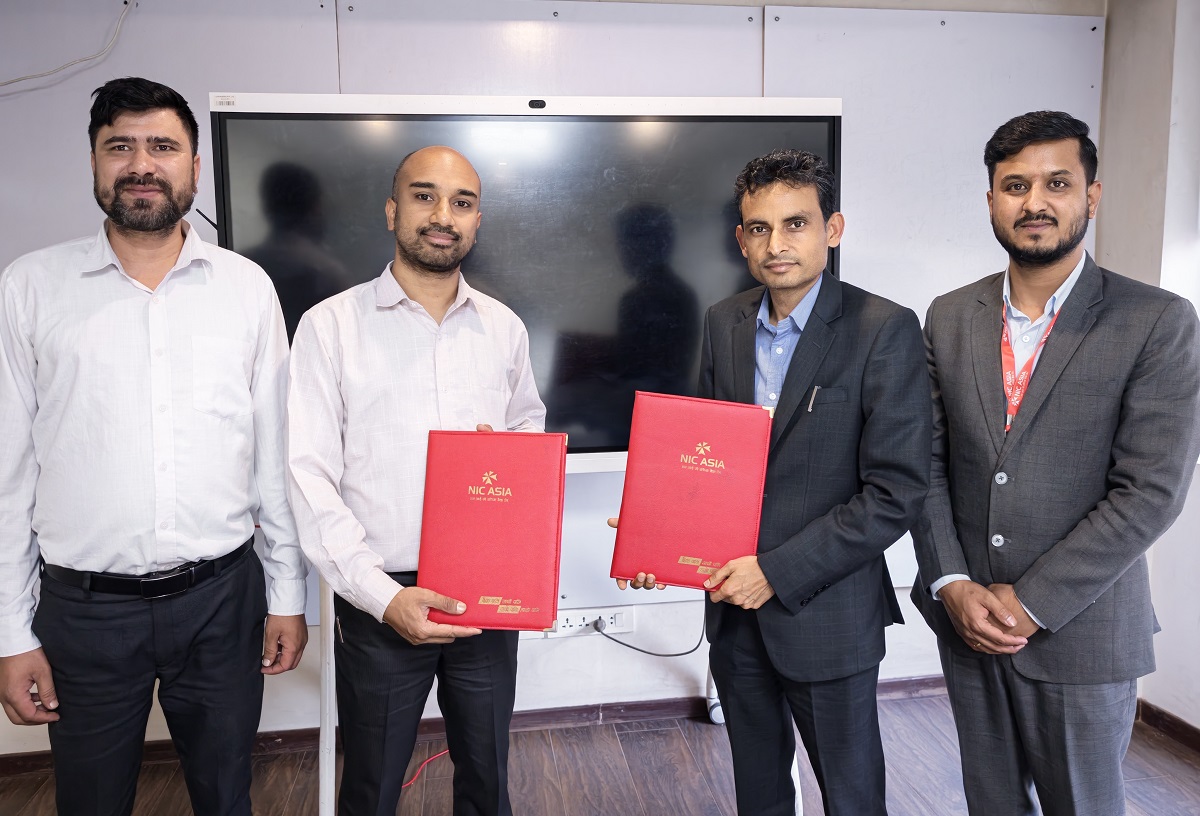
KATHMANDU: Vianet Communication, one of Nepal’s largest internet service providers, has integrated Third Factor AI into its onboarding workflow, bringing automated document OCR, face matching, and liveness detection to customer verification.
What previously required manual handling of physical documents now completes digitally and in seconds – marking another step in Nepal’s shift toward AI-native, sovereign identity infrastructure.
The deployment begins with agent-assisted onboarding, where Vianet’s field and retail agents verify customers at the point of service, before rolling out as a self-service consumer flow.
Why AI Identity Verification Now
Manual document verification was never built to handle modern fraud. In Nepal’s ISP sector specifically, forged identity documents are increasingly used to obtain internet connections under false identities – enabling access to platforms that would otherwise be blocked, including illegal betting and unlicensed crypto exchanges. A fraudulently activated SIM or broadband connection becomes the entry point, not just a telecom violation.
AI closes this gap. Models trained on identity documents detect tampering and inconsistencies no human reviewer reliably catches at scale. Face matching and liveness detection ensure that neither a forged document nor a spoofed image can pass verification. Fraud is flagged before a connection is activated, not after.
For regulated industries, this also meets a compliance reality: risk frameworks increasingly require verification to be automated, auditable, and fraud-resistant.
Nepal Telecommunications Authority regulations mandate identity verification before service activation.
Third Factor AI handles this automatically – removing compliance friction without slowing onboarding.
Sovereign AI: Why It Matters
When citizen biometric data is processed through foreign AI infrastructure, it leaves the country, subject to foreign jurisdictions and beyond the reach of domestic regulation. For Nepal, building its digital economy on foreign identity infrastructure is a dependency it cannot afford.
Third Factor AI is sovereign by design. Built as a Prixa Company for Nepal’s regulatory and operational context, all identity data, biometric comparisons, OCR extraction, and liveness checks are processed within locally governed infrastructure.
A Wave Already Underway
Vianet’s deployment is part of an accelerating pattern. Third Factor AI has previously deployed at the Pension Management Office under Nepal’s Ministry of Finance, covering identity verification for over 352,000 pensioners, one of the largest live biometric deployments in Nepal’s public sector.
The convergence of government institutions and private digital service providers on the same sovereign AI identity layer signals something larger than individual deployments. Nepal is building an identity verification ecosystem, AI-powered, fraud-resistant, and compliant. One that keeps citizens’ data where it belongs.