Sundarijal: Where farmers turn mud into life & tears into harvest (photos)

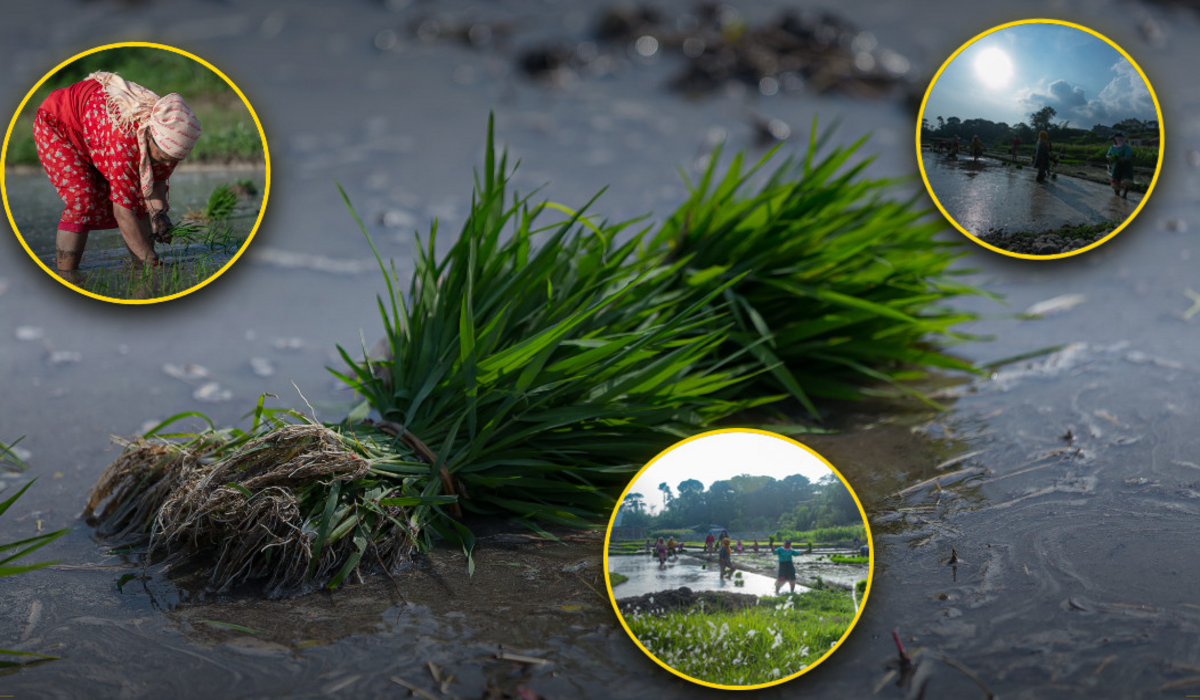
KATHMANDU: When the bustling noise of Kathmandu fades and the first waterfall of Sundarijal begins to echo at the foothills of Shivapuri–Nagarjun National Park, the landscape appears like a sacred temple of nature.
Here, the Bagmati River flows in its purest, most crystalline form. In the same way, the hearts of the farmers who live in this region also appear equally pure and untainted. Yet as the monsoon arrives in Asar, the story of this serene foothill changes dramatically.
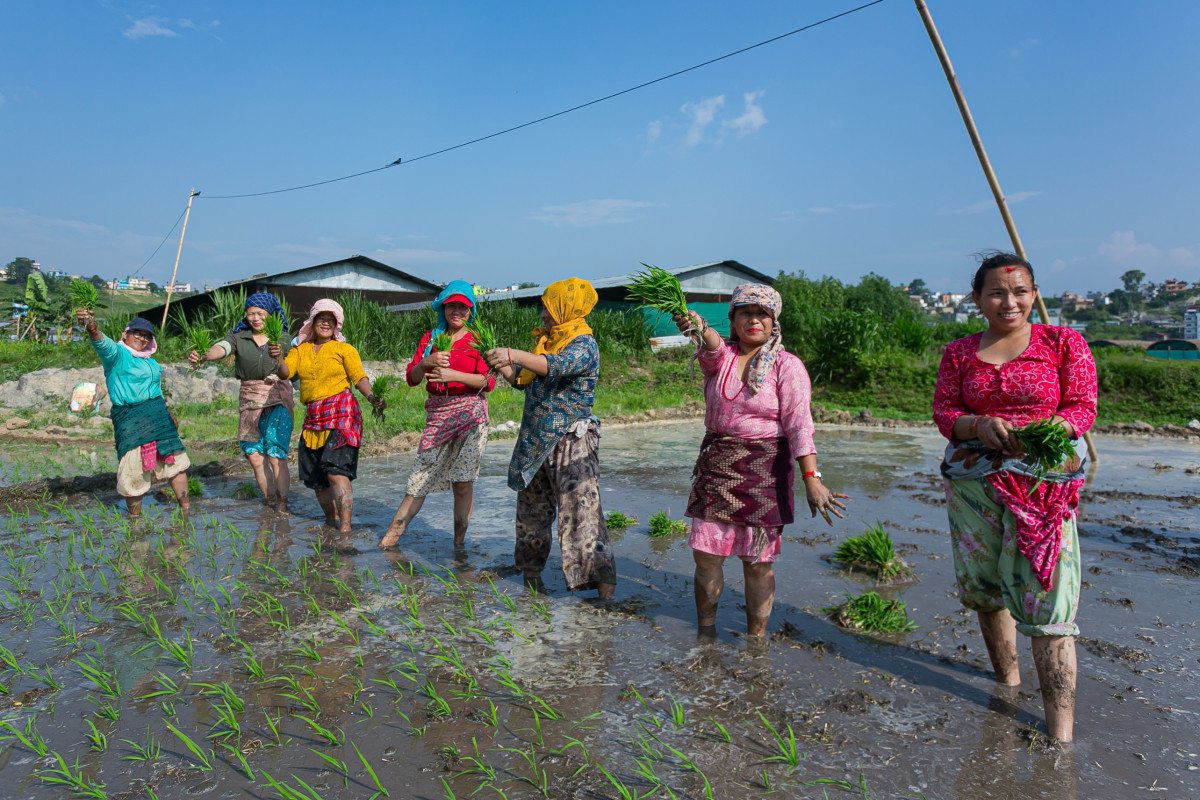
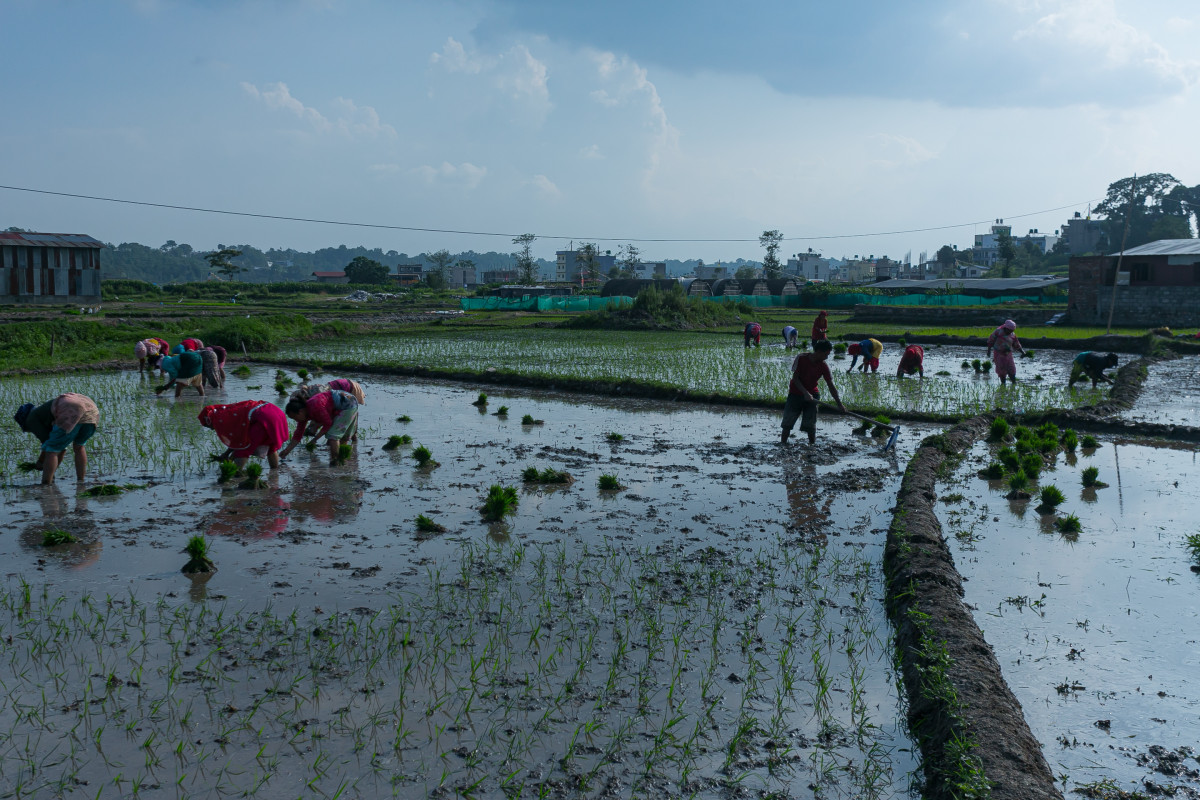
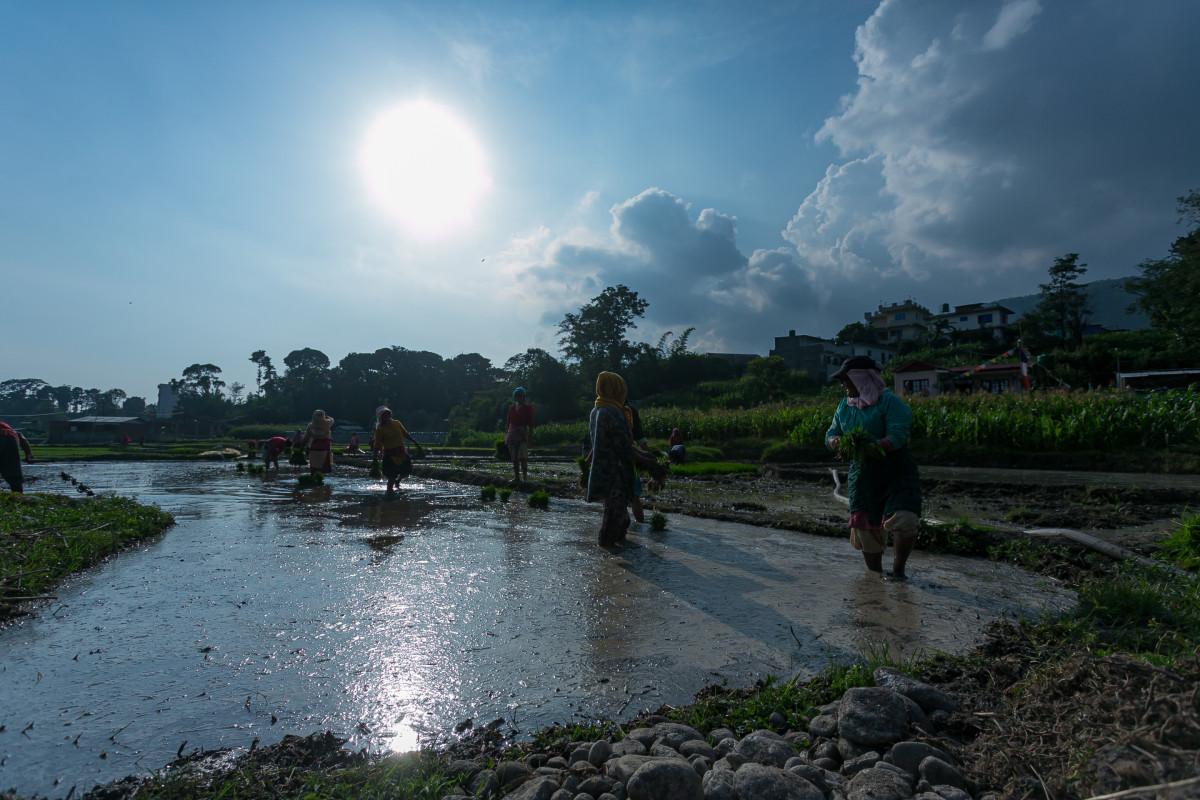
In the terraced fields and steep slopes of Sundarijal, the rainwater does not merely flow—it carries the sweat of farmers, soaked with hardship and devotion.
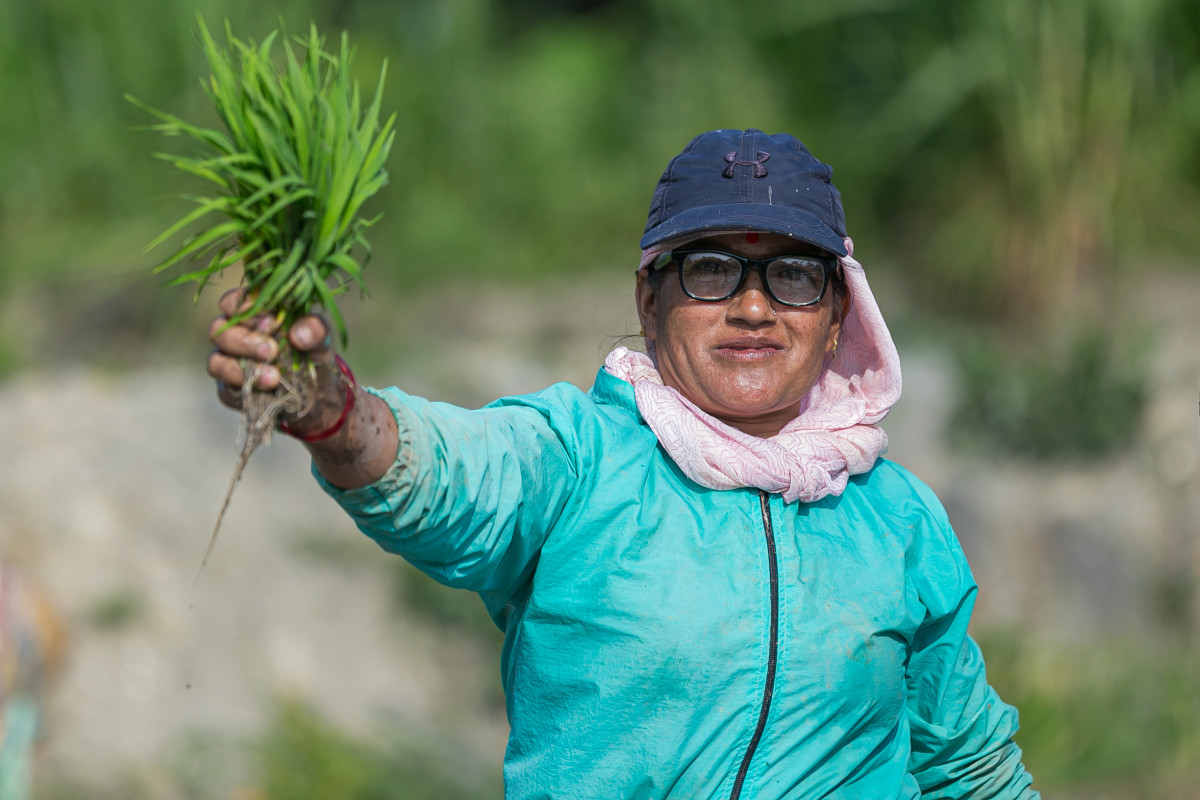
As Asar 15 approaches, these muddy fields transform into a stage where the most difficult and most beautiful drama of life unfolds.
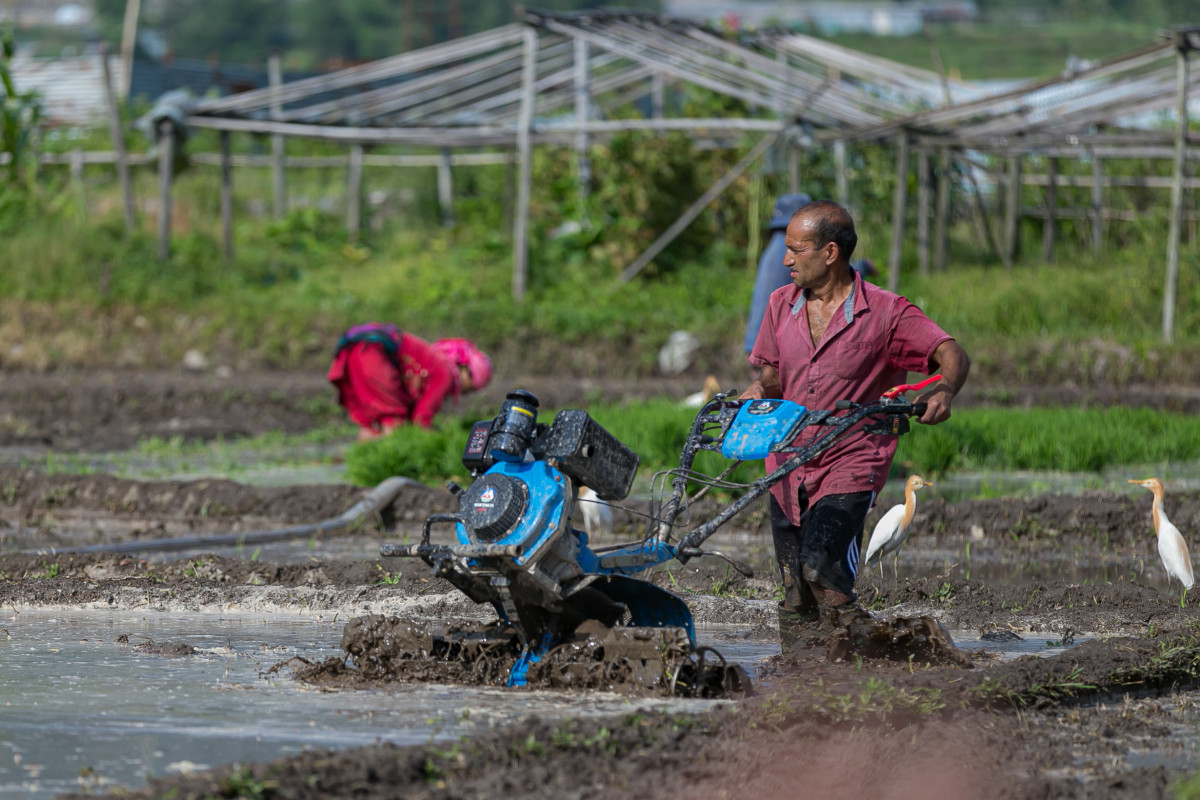
The relationship between soil and human beings here is so deep that the earth depends on human hands for its survival, while humans depend on that very mud to sustain their lives.
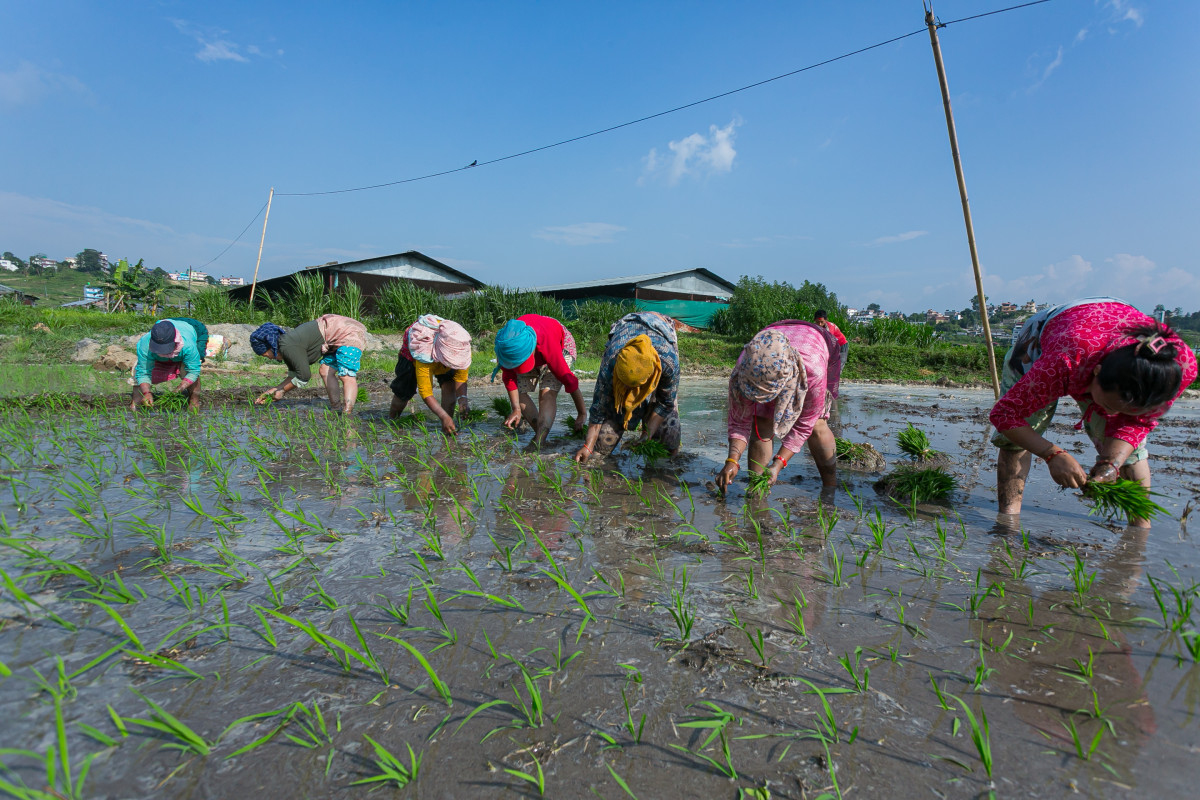
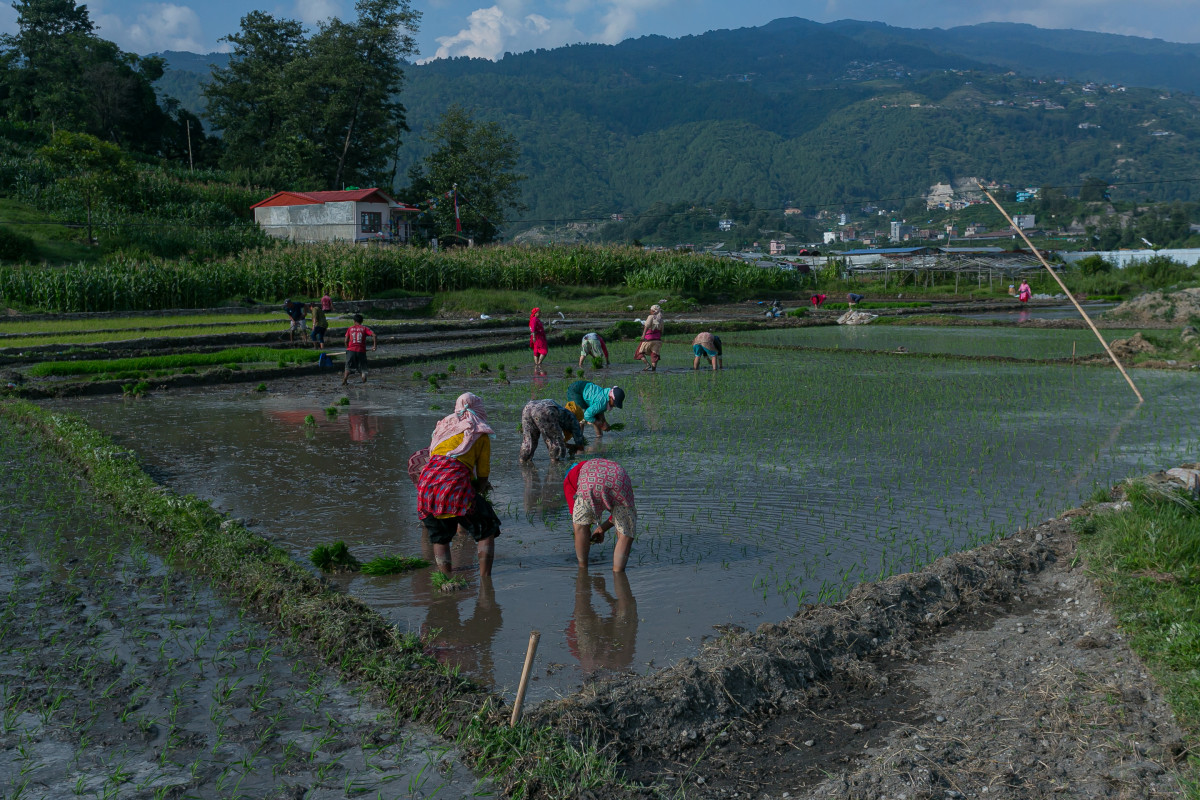
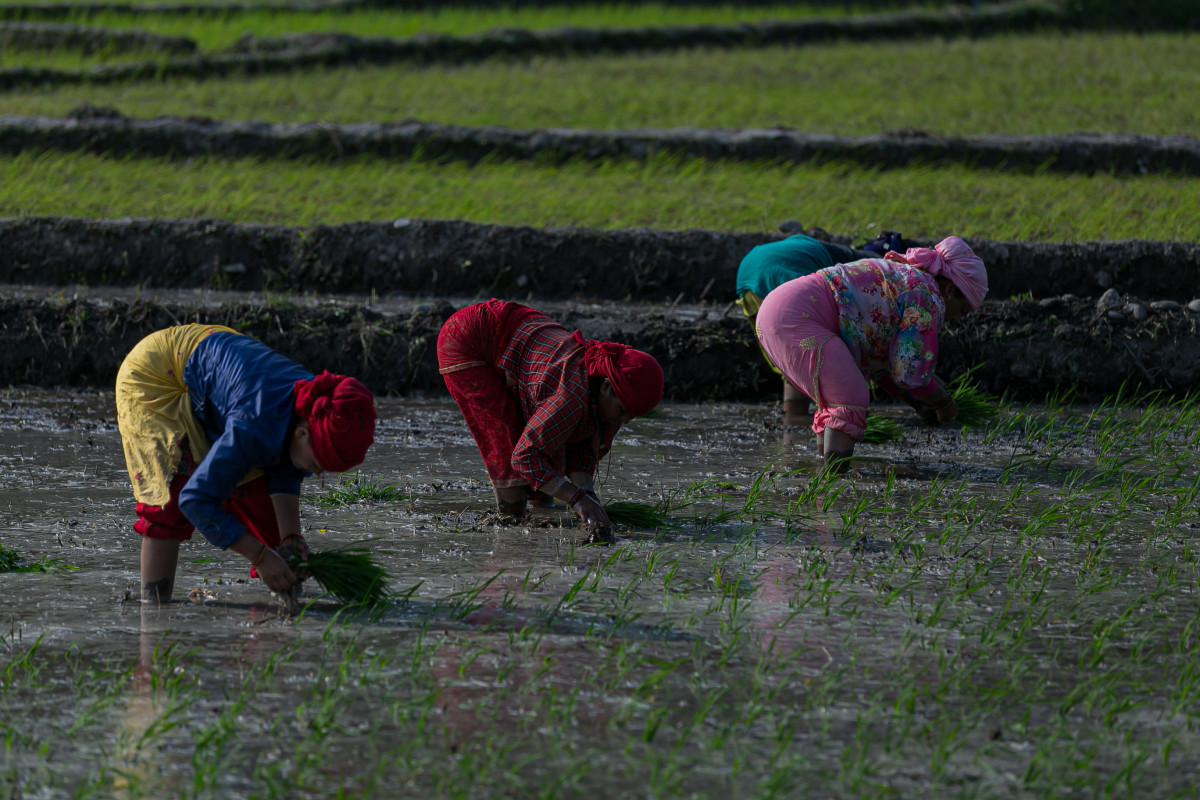
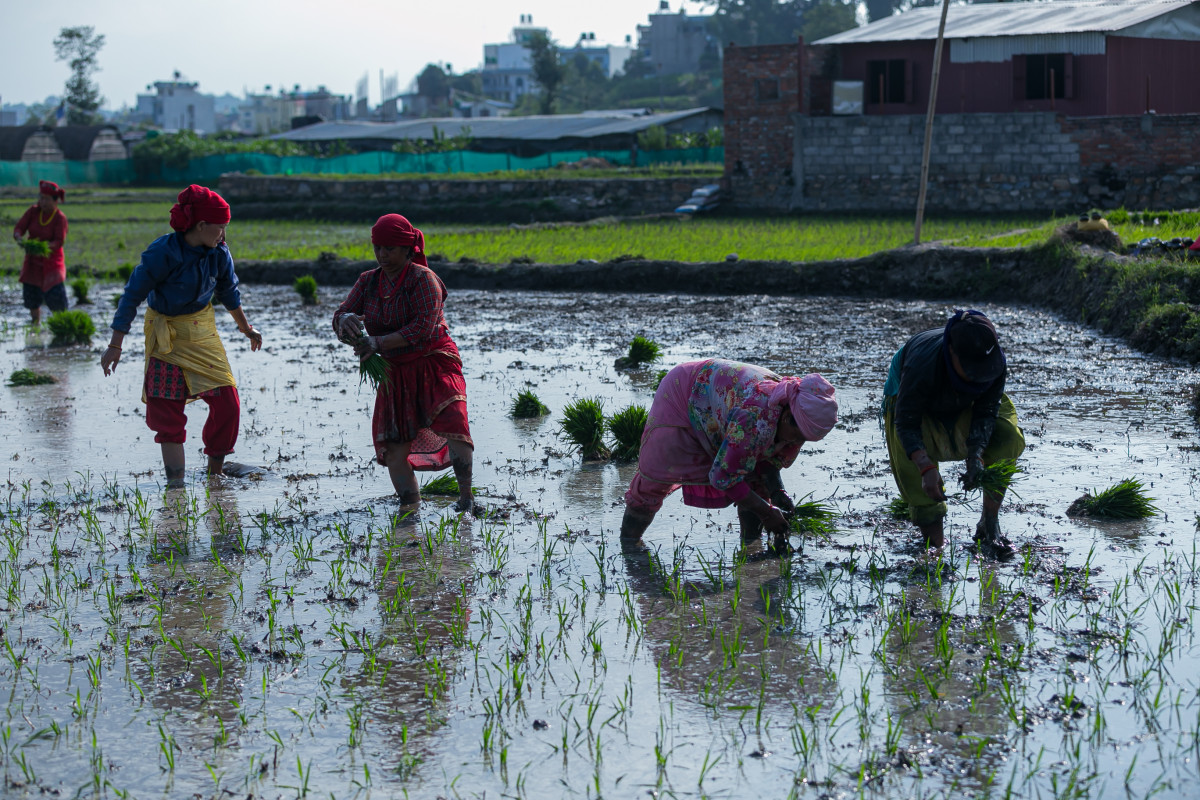
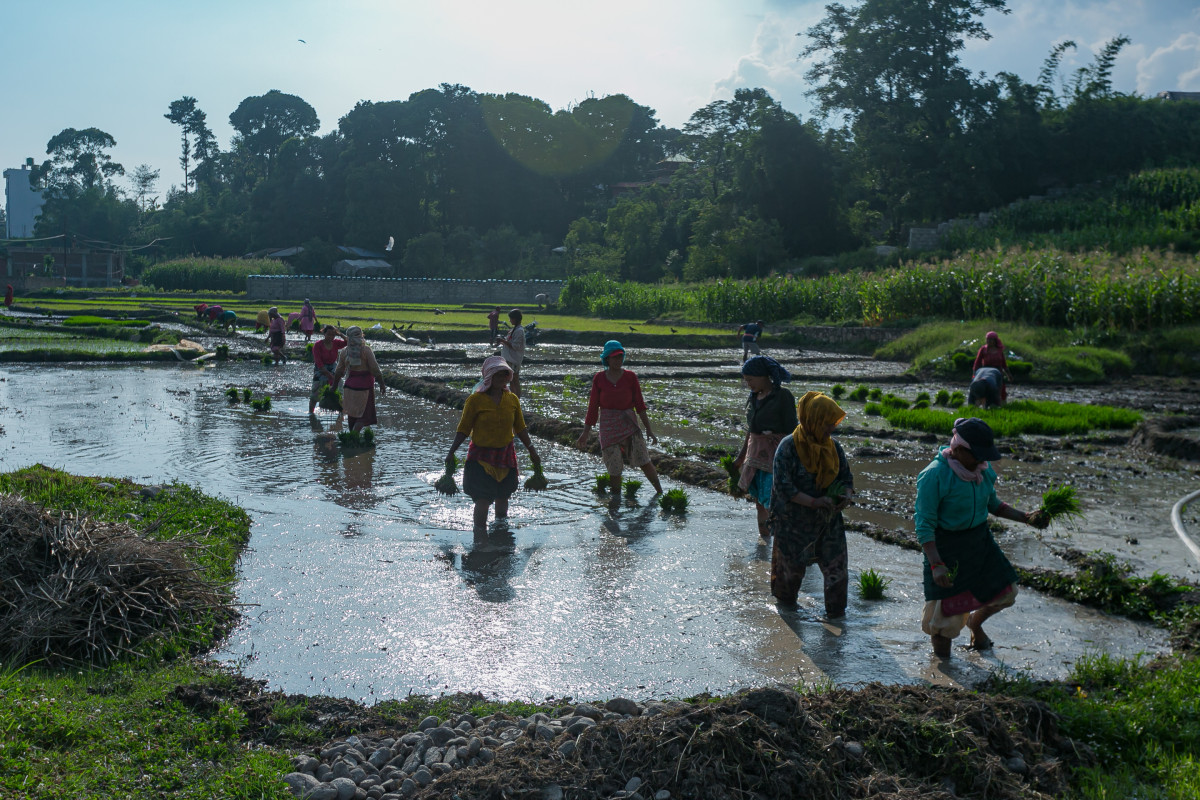
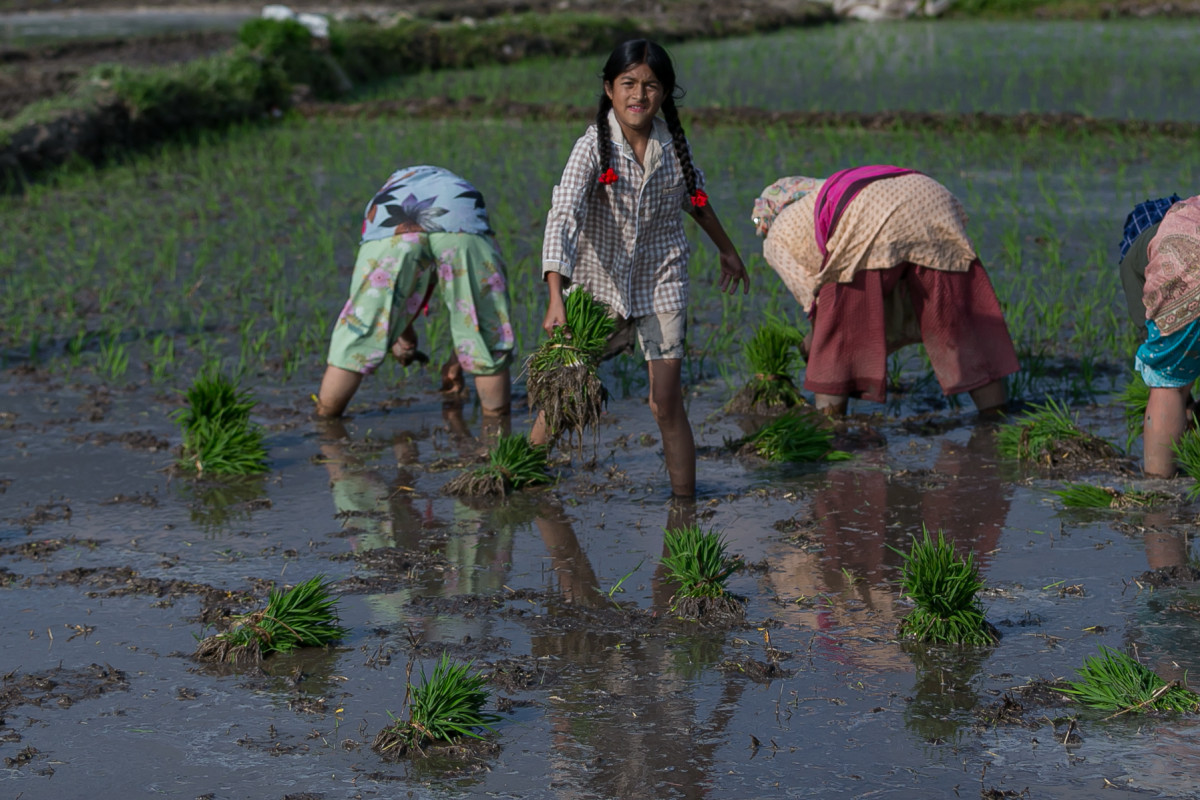
From the roadside, rice planting appears like a joyful celebration—women draped in yellow or blue raincoats working knee-deep in mud, men guiding oxen through ploughed fields, and green seedlings flying through the air.
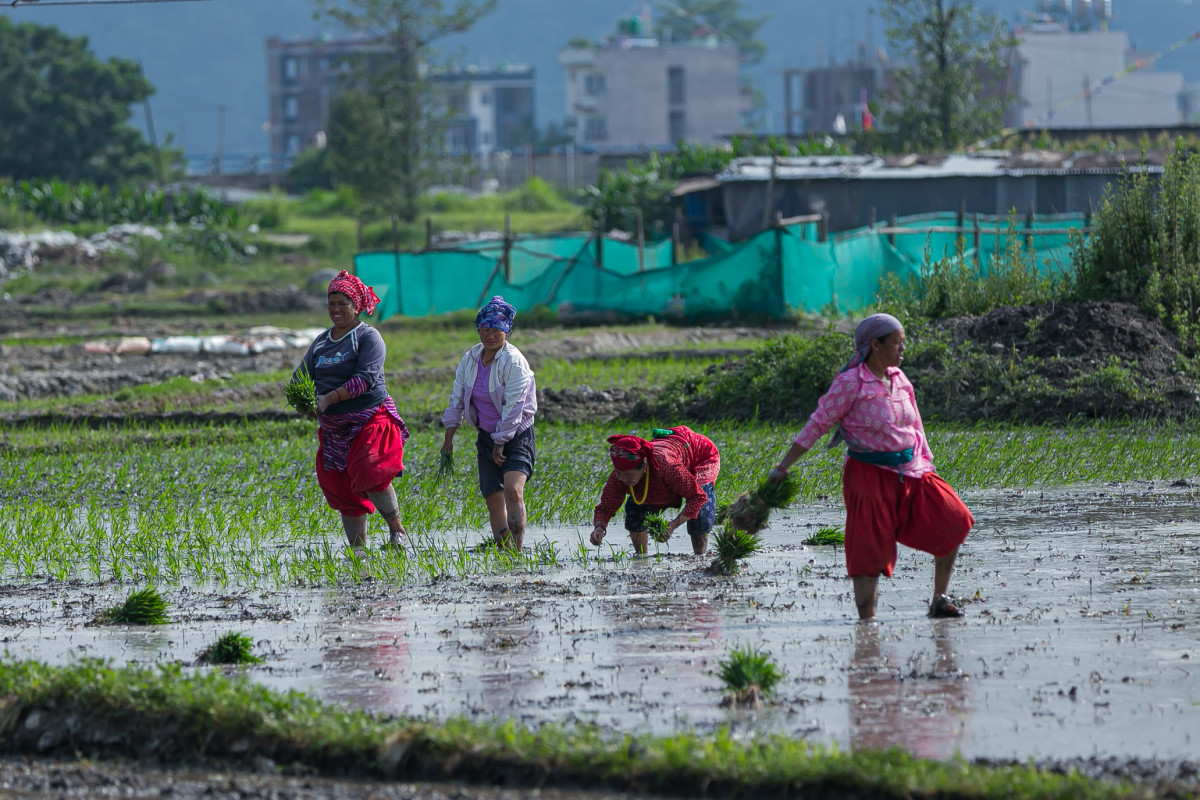
But this beauty is often limited to the camera’s lens.
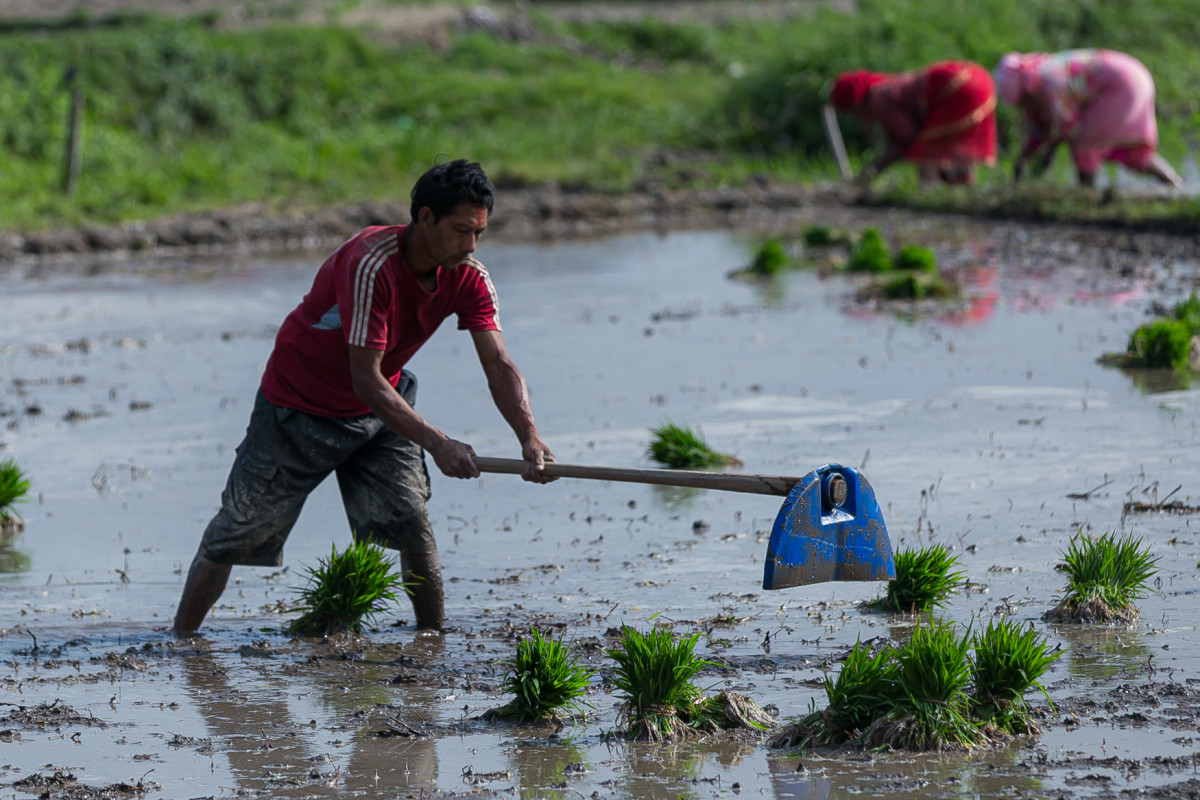
Behind the visual charm lies a harsh reality. Farmers standing in muddy water suffer from cold exposure and soil-borne infections.
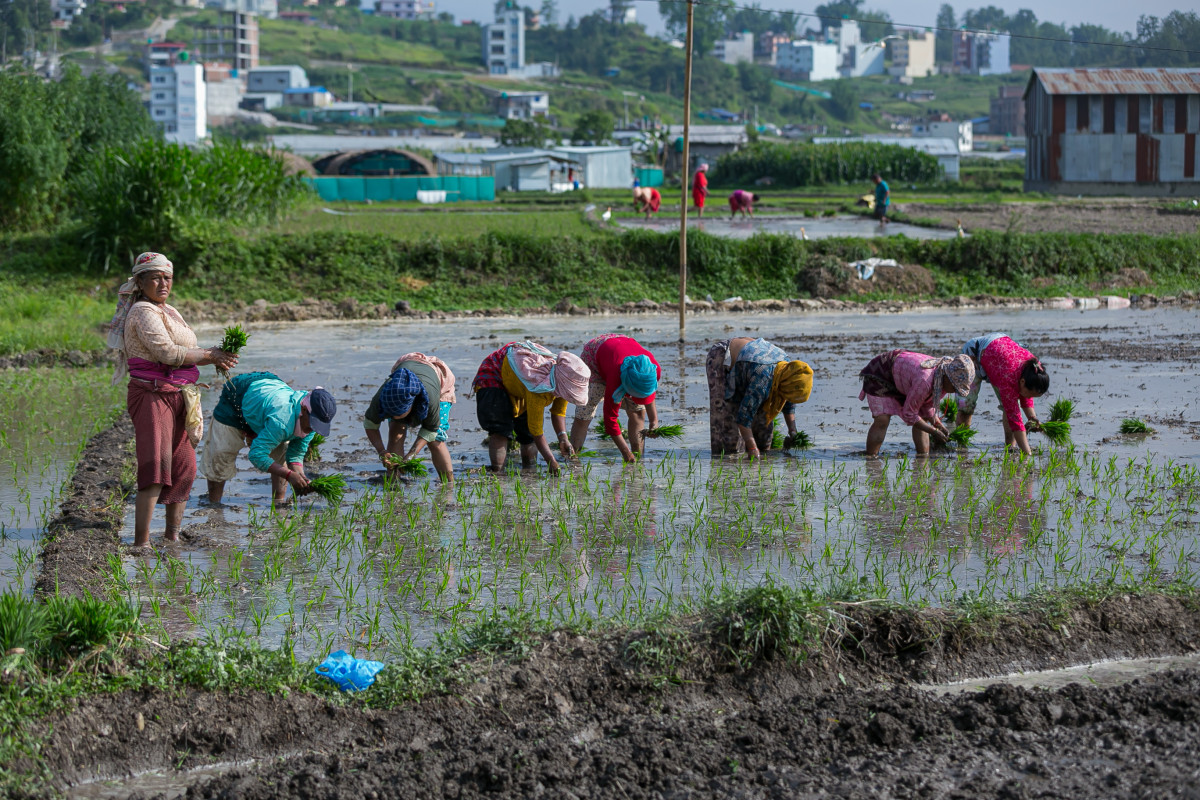
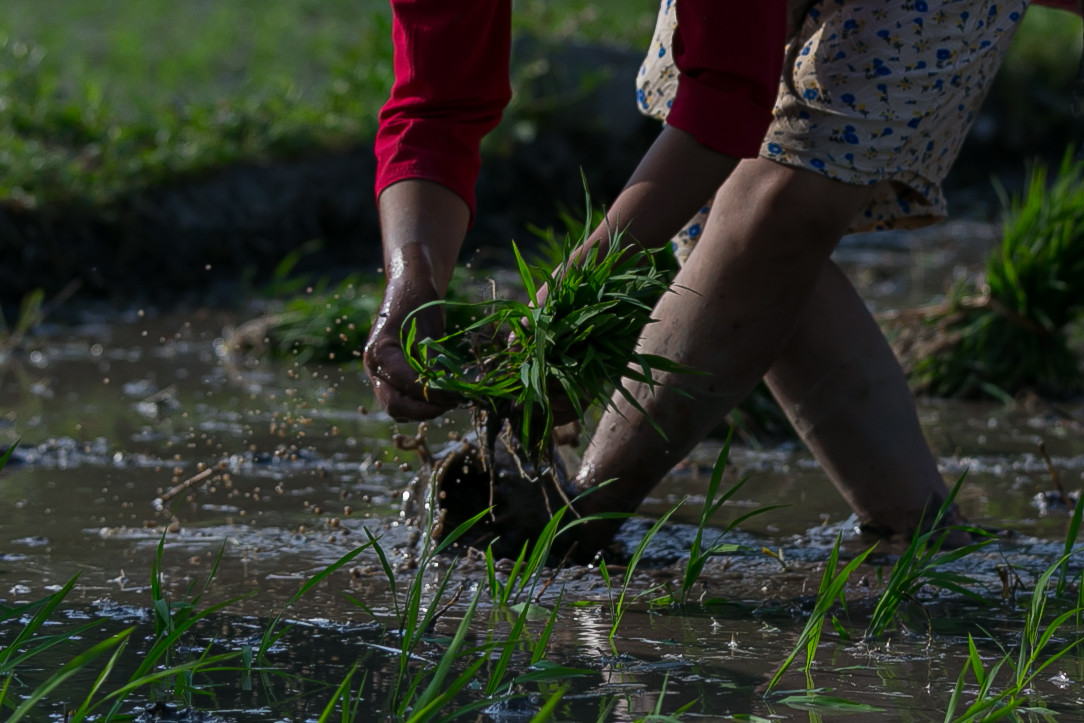
Long hours of bending over rice fields leave their backs stiff and aching like iron rods. Their fingers remain buried in mud, bearing the weight of survival.
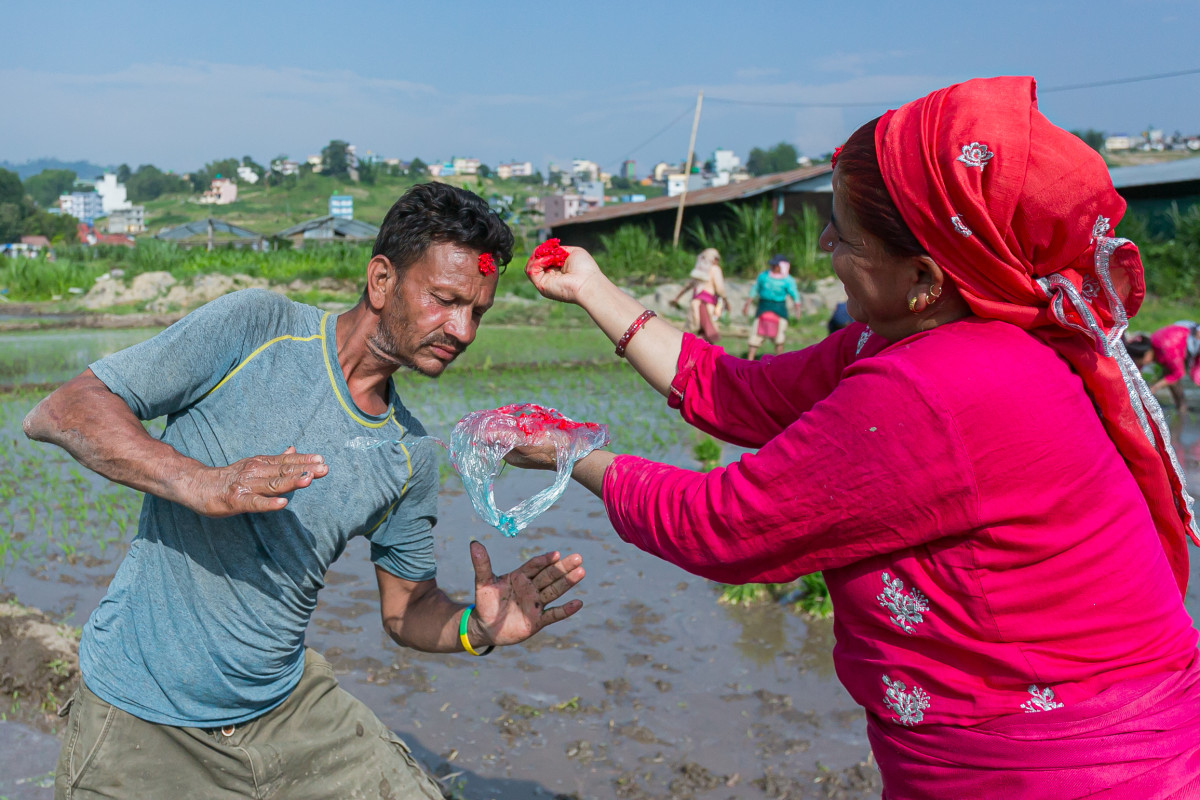
Yet farmers are worshippers of the soil. No matter how painful the labor, staying away from the muddy fields during Asar feels unbearable.
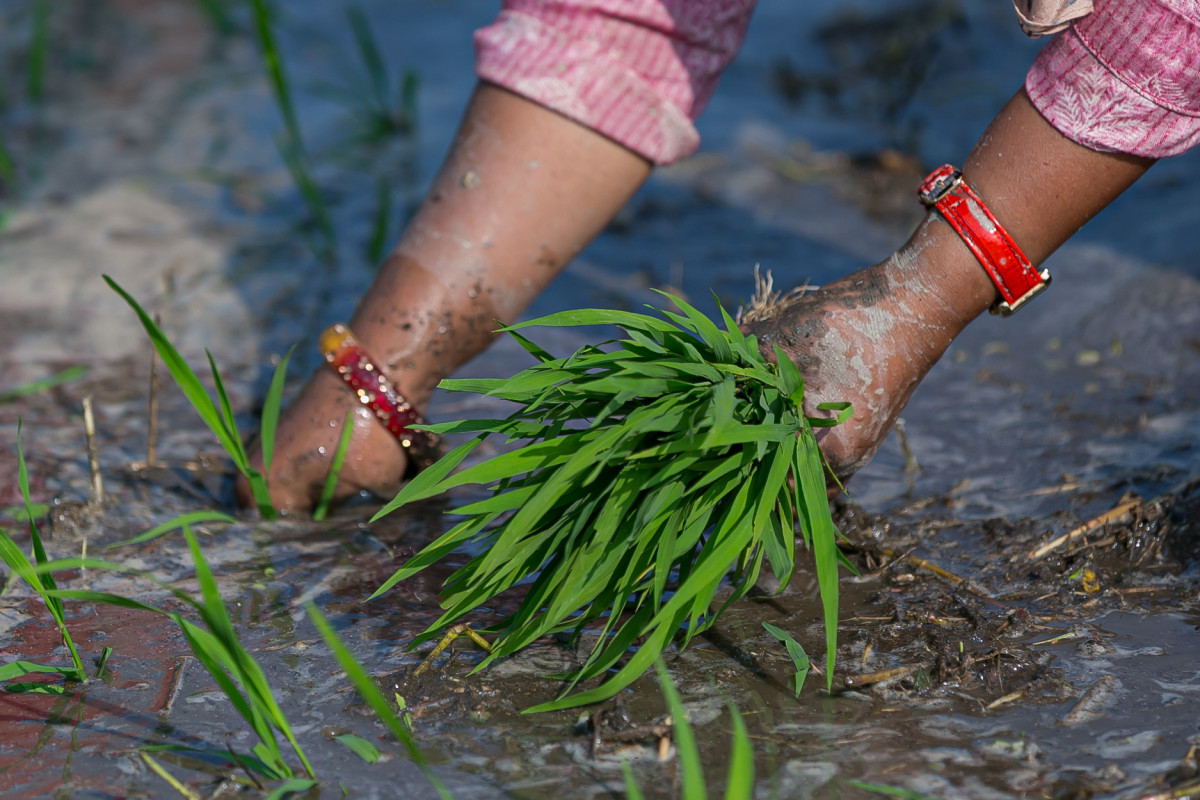
Within this hardship lies a sense of duty, where suffering is hidden beneath the rhythm of work and songs.
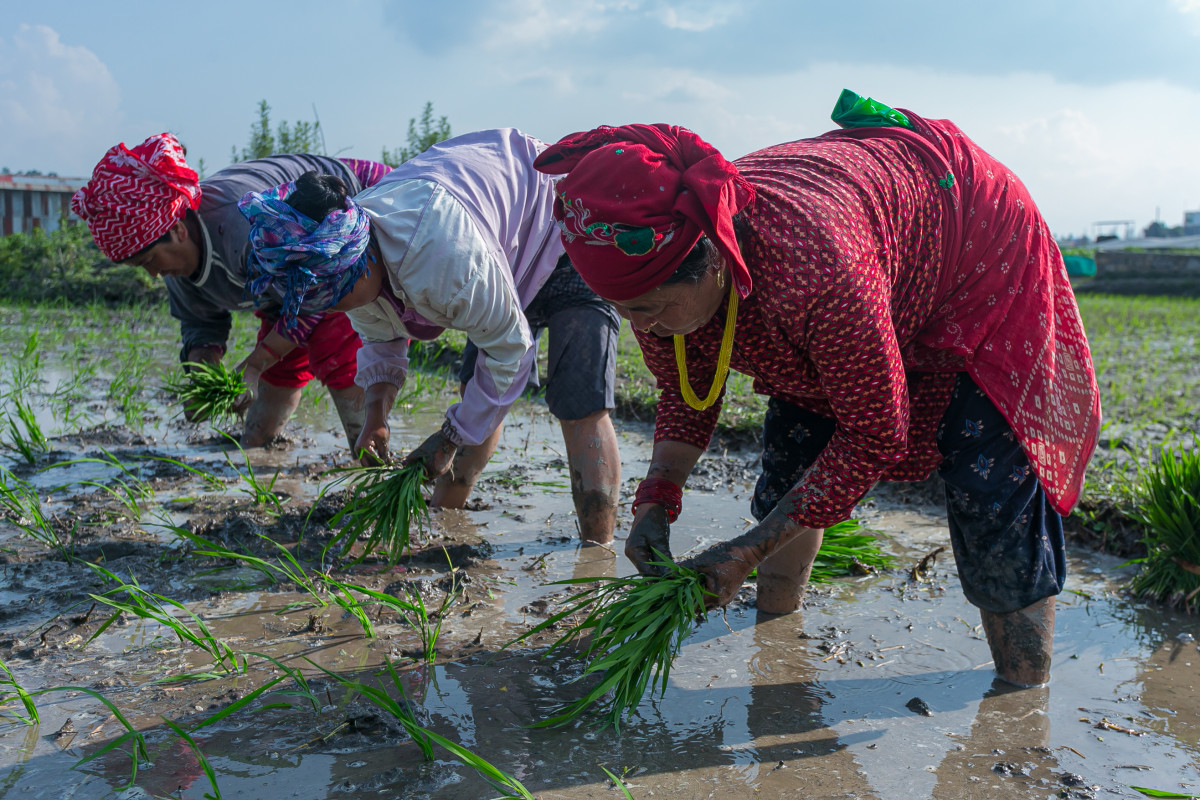
The folk song “Asare Mahinama Pani Pari Rujhaune” is not merely a melody—it is a form of emotional medicine. As farmers sing together in unison while planting rice, their exhaustion slowly dissolves.
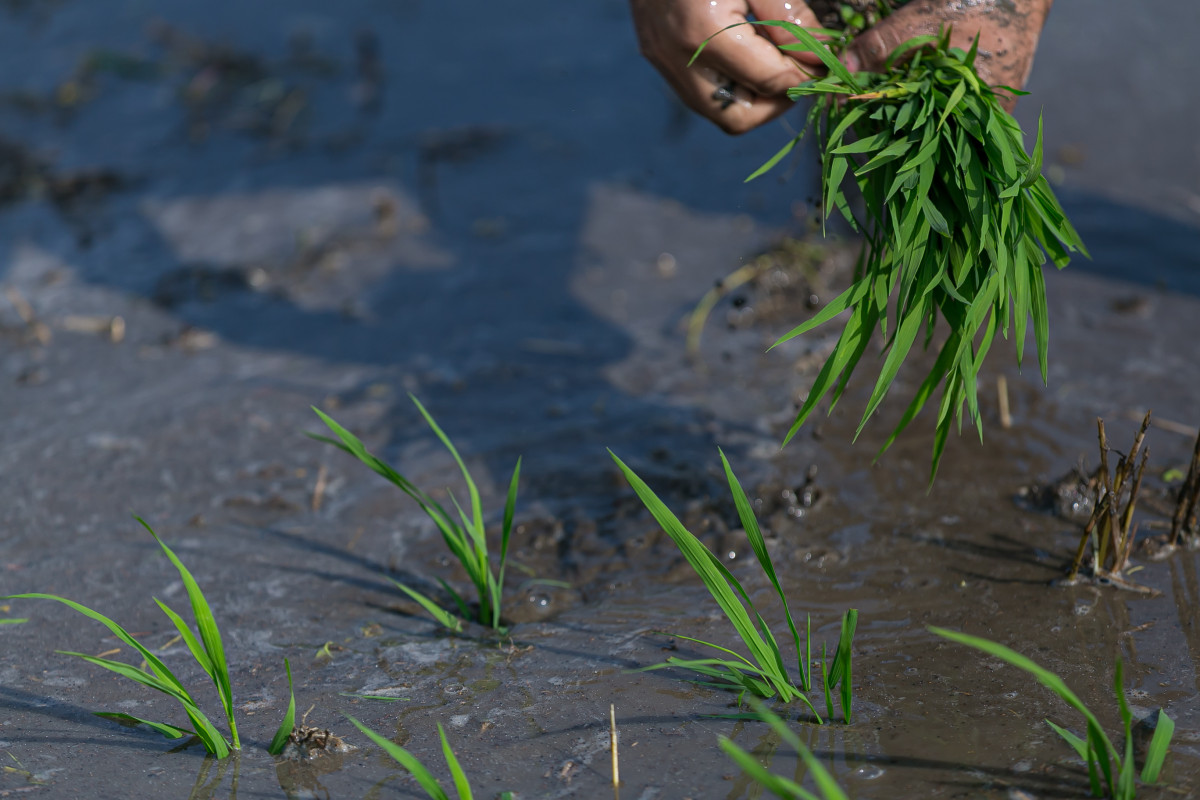
Hidden within these songs are burdens of debt, harsh words from moneylenders, worries about children’s futures, and memories of family members working abroad.
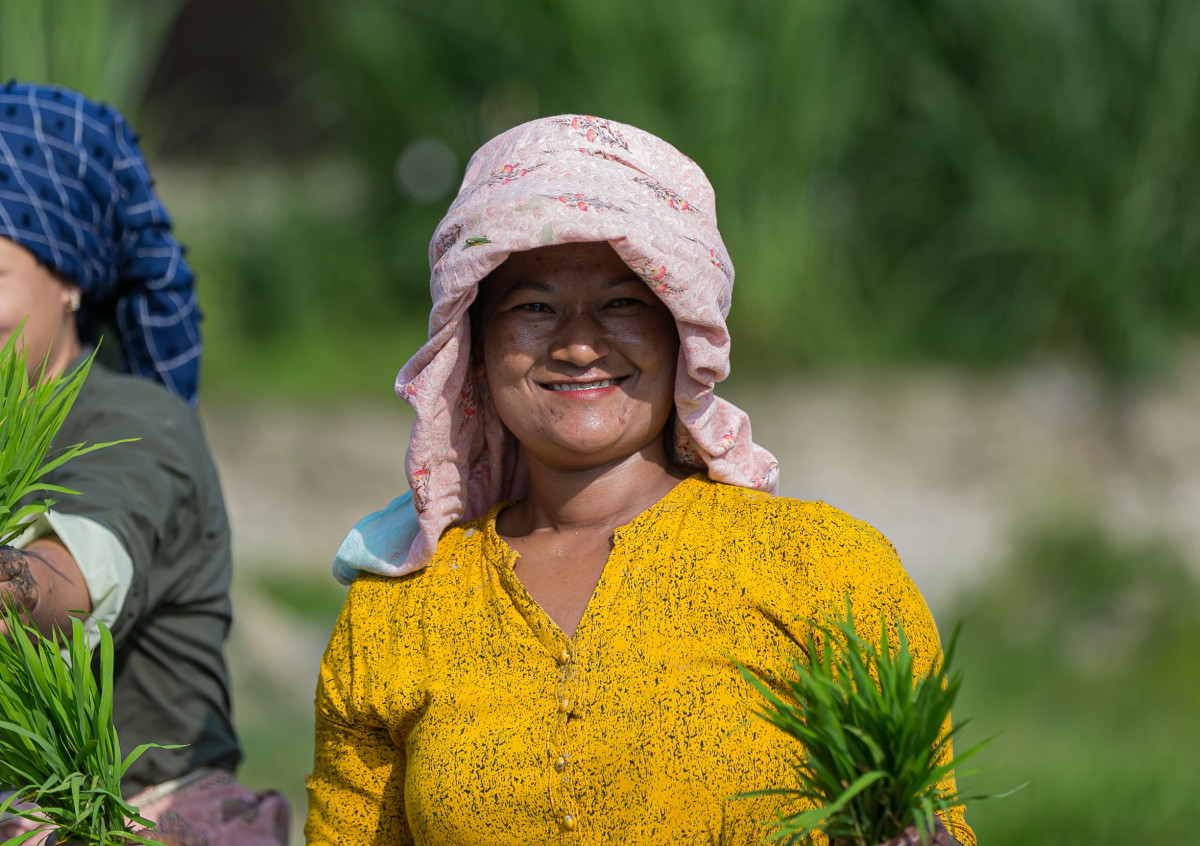
As they sing, tears often fall silently into the mud, blending into the soil. And it is believed that these very tears eventually become the fragrance of tomorrow’s rice grains.
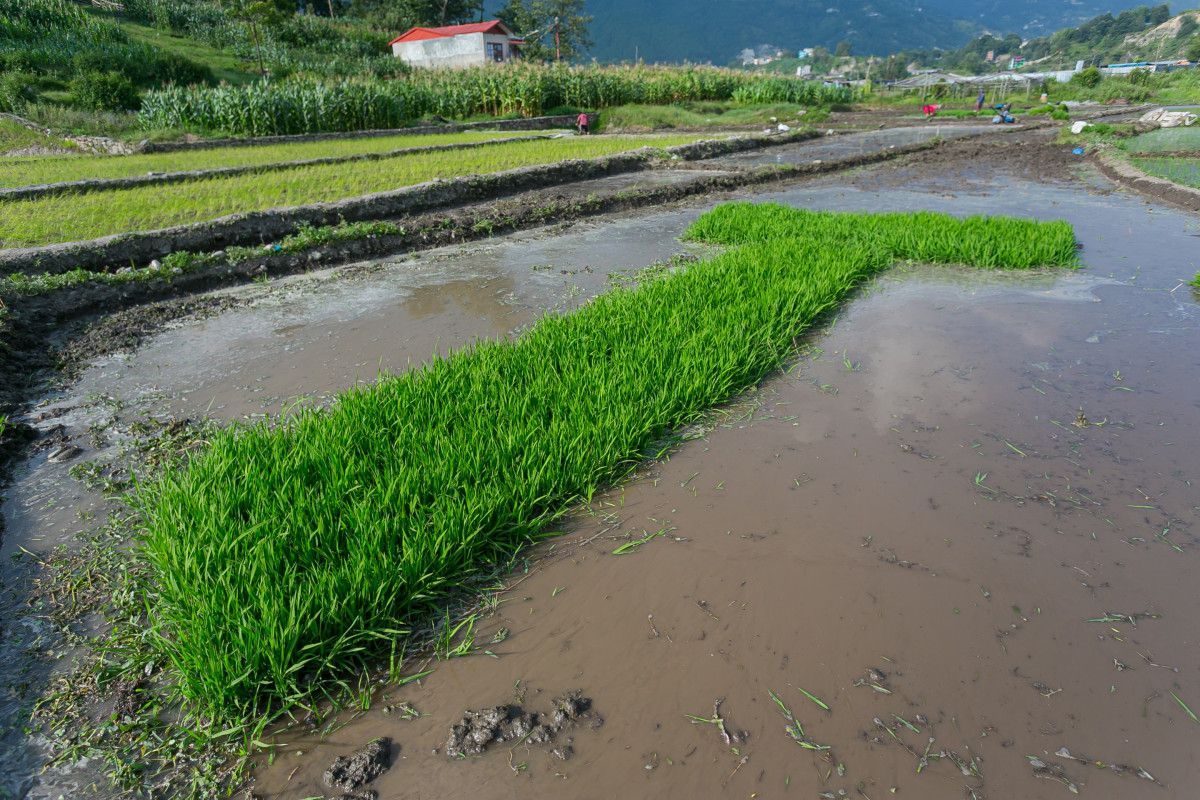
This extraordinary ability to transform pain into creation belongs uniquely to Nepali farmers.
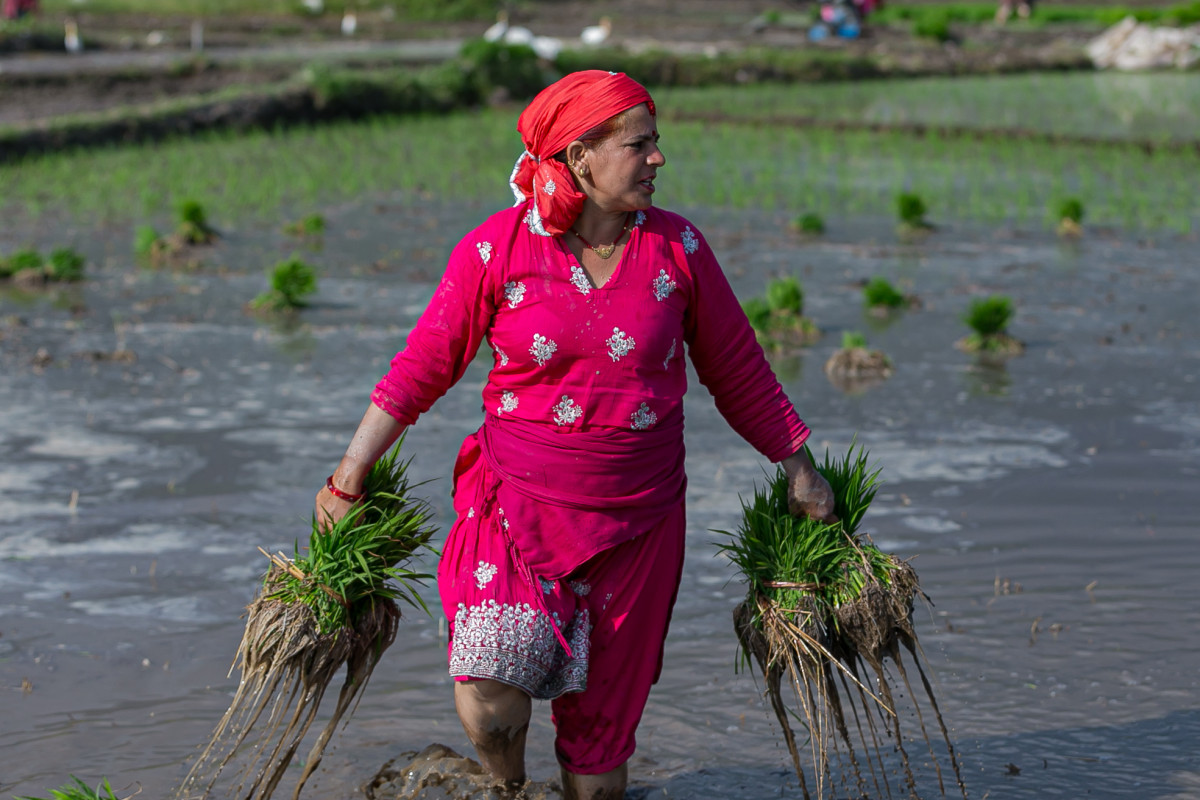
The mountain breeze of Sundarijal carries their sighs up toward the ridges. But the landscape around them is changing rapidly. Concrete houses are slowly replacing fields in the Sundarijal region.
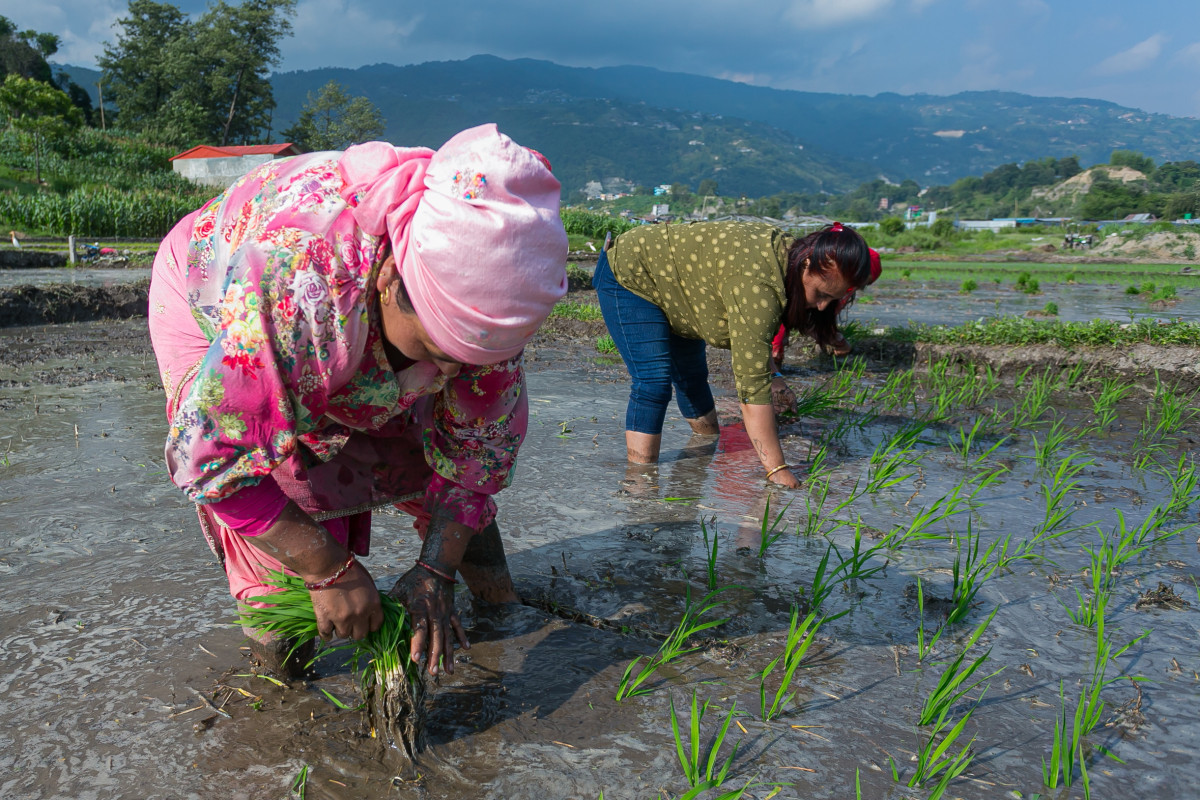
Young people are migrating abroad for work, leaving behind an agricultural workforce dominated by the elderly.
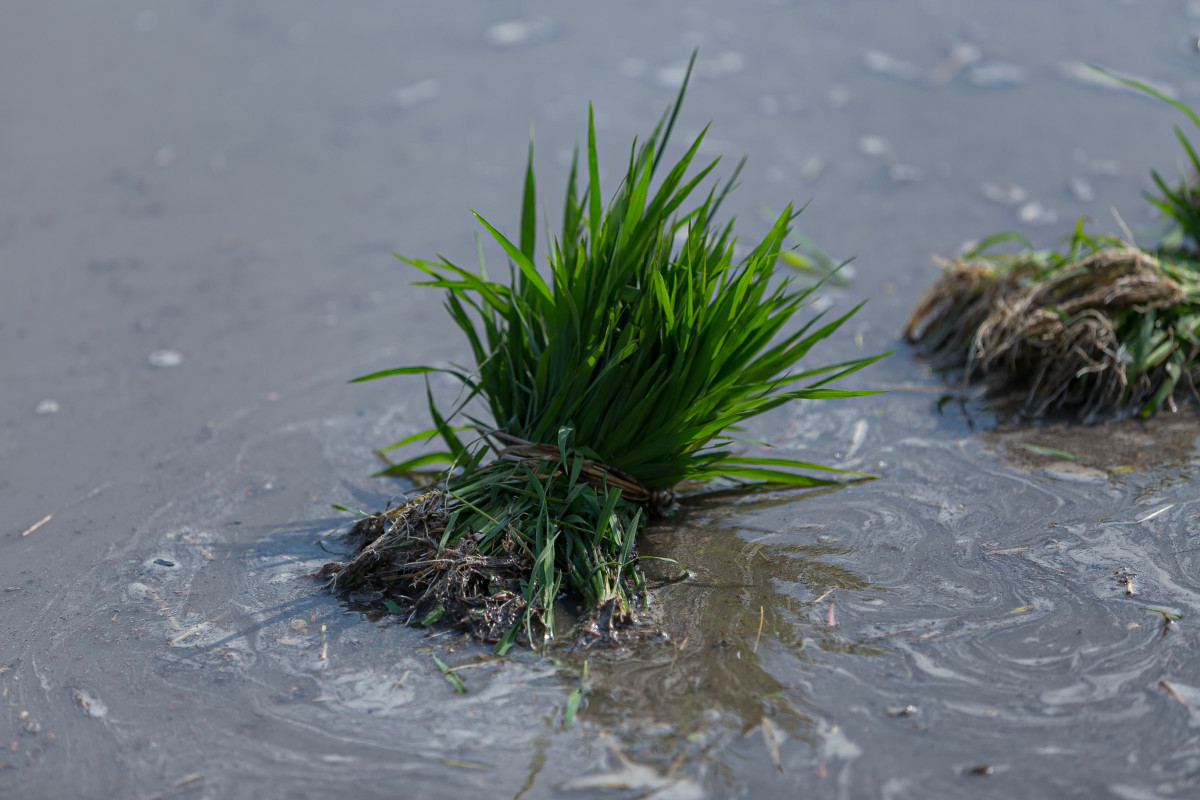
The once-vibrant tradition of communal rice planting, accompanied by Panchhe Baja and festive celebrations, is now fading into memory.
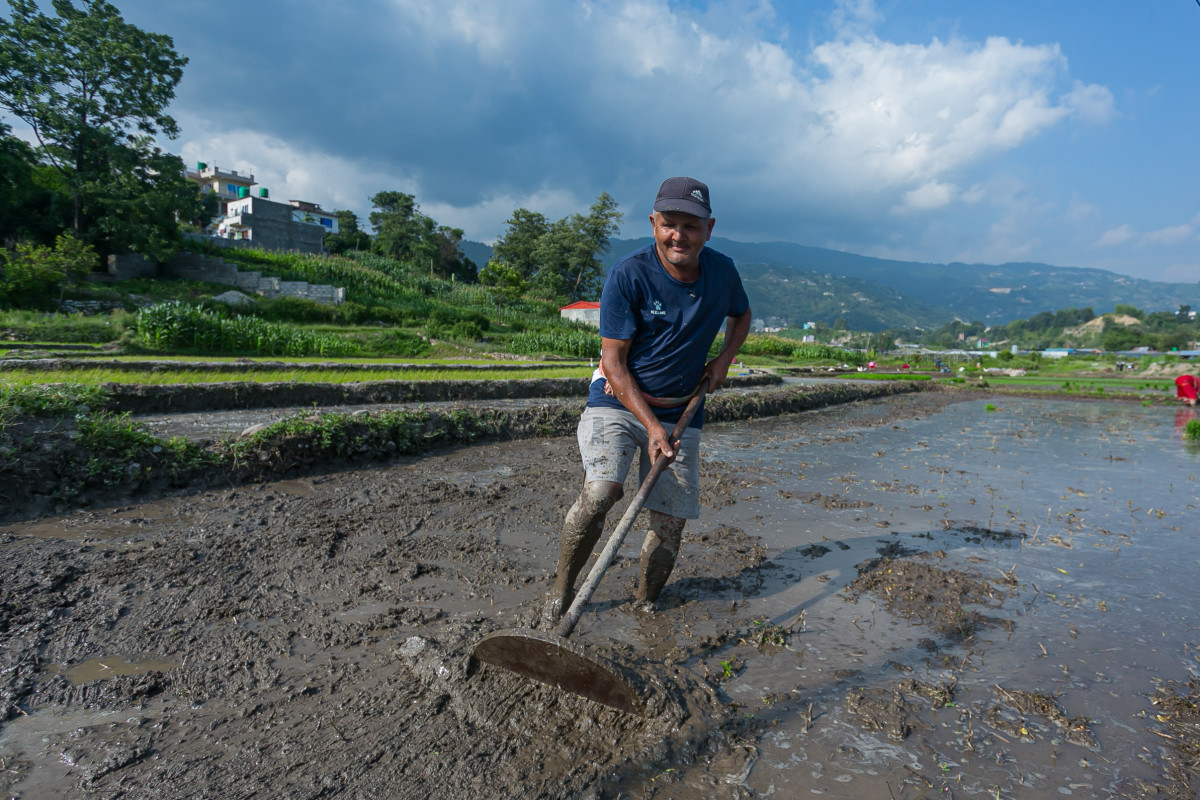
This represents a serious challenge not only to rural livelihoods but also to Nepal’s cultural identity.
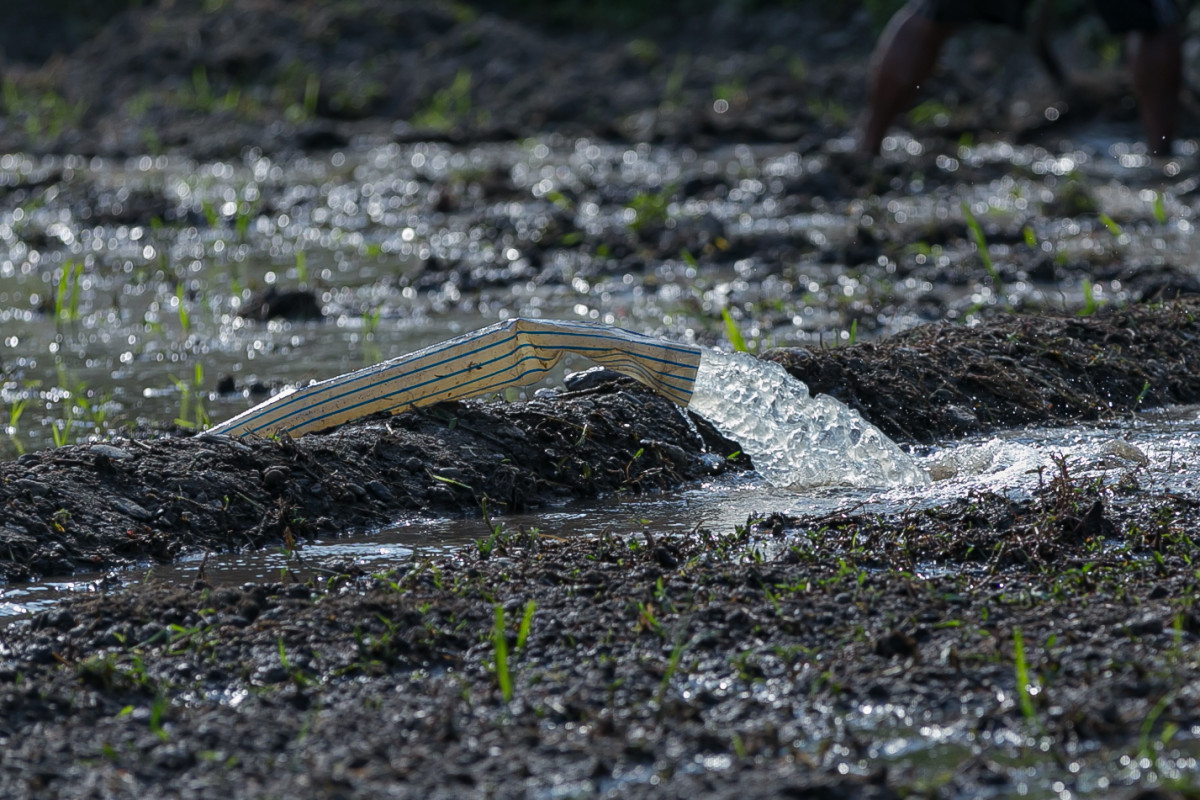
Yet the tired eyes and calloused hands of the remaining farmers still refuse to leave the land fallow. “If we stop farming, what will this country eat?” they say. “City homes may be clean and polished, but it is our muddy hands that fill their stomachs.” These words reflect a profound sense of national responsibility and dignity that often goes unrecognized.
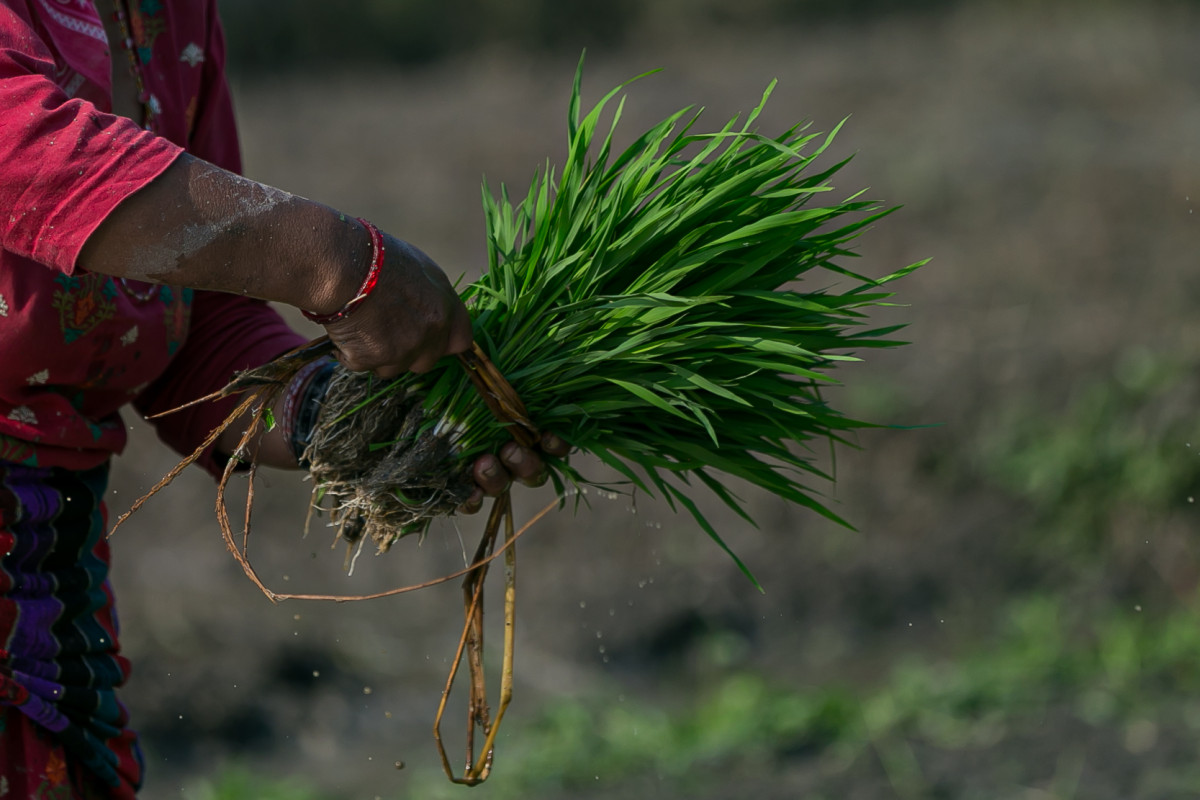
The union of soil and water is not dirt—it is the womb of new life. For farmers, mud is a sacred chamber where grain is born. Rain from the sky is not only divine blessing; it is nature’s way of blending with human labor. Seeds are not merely future food—they are dreams buried in the earth, fighting against hunger.
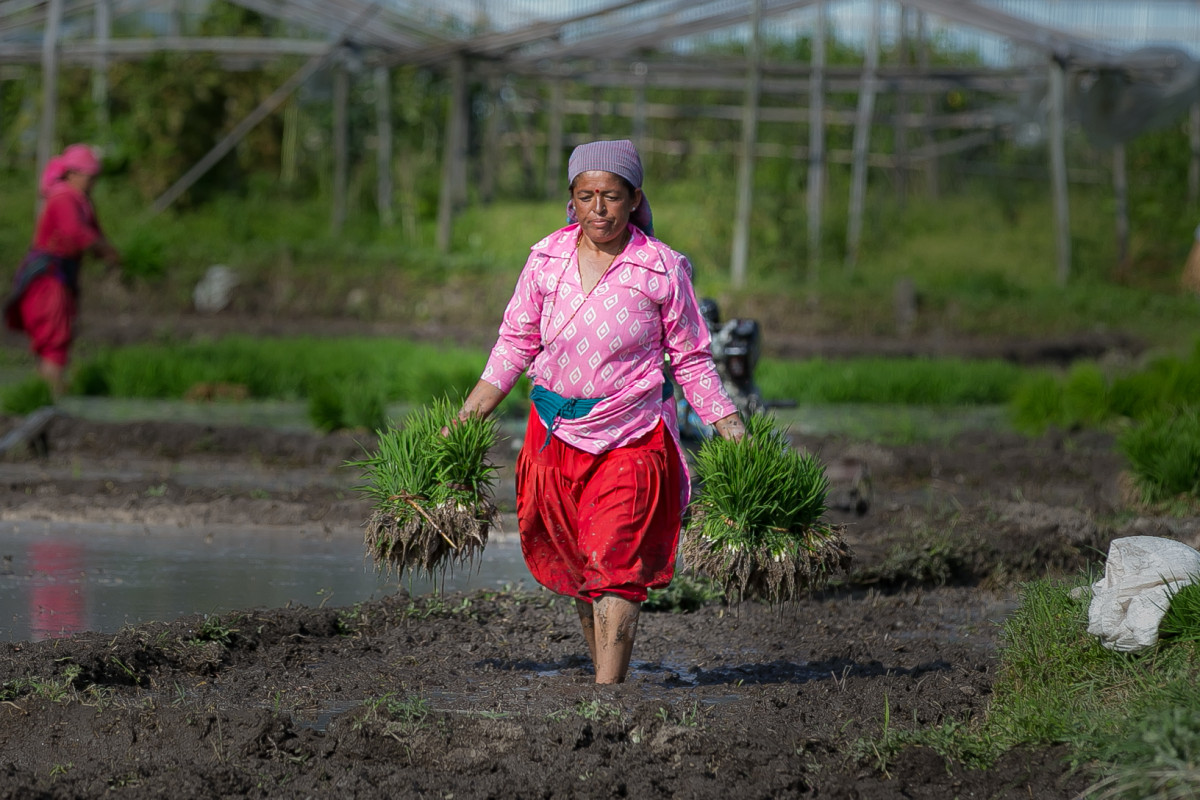
Cracked and weathered hands are not just symbols of hardship; they are signatures of creation that make the land fertile and life possible.