Shankarbeli Wetland emerges as key tourist attraction in Sunsari
Established 13 years ago, the wetland has been transformed into a scenic getaway through initiatives led by the Shankarbeli Forest Consumer Committee.

KATHMANDU: Shankarbeli Wetland in Ramdhuni Municipality-6, Sunsari is rapidly gaining recognition as a popular domestic tourist destination, thanks to dedicated conservation efforts and active local engagement.
Established 13 years ago, the wetland has been transformed into a scenic getaway through initiatives led by the Shankarbeli Forest Consumer Committee, supported by provincial and local government authorities.
The area has become a hub for nature lovers, picnic-goers, and eco-tourists alike.
According to Ratna Rai, former chairman of the Wetland Management Committee, the site draws thousands of visitors daily. “During peak picnic seasons, more than 10,000 tourists arrive each day,” Rai said. “Even in the off-season, over 150 visitors enjoy the tranquility of the wetland.”
The wetland sees a particularly high influx of visitors between Kartik and Poush, and again from Baisakh 15 to Jestha 20, making it a seasonal hotspot.
The blooming of Shirish flowers in Baisakh further enhances its natural beauty, attracting even larger crowds, the committee added.
Spanning approximately four and a half bighas, Shankarbeli Wetland can accommodate around 110 picnic teams simultaneously.
Entrance fees, ranging from 300 to 1,000 rupees per team, are reinvested into conservation, cleanliness, and facility maintenance.
Nischal Tamang, a committee member, highlighted infrastructure improvements funded by the Koshi Province Government, which allocated two crore rupees in the 2080/81 fiscal year.
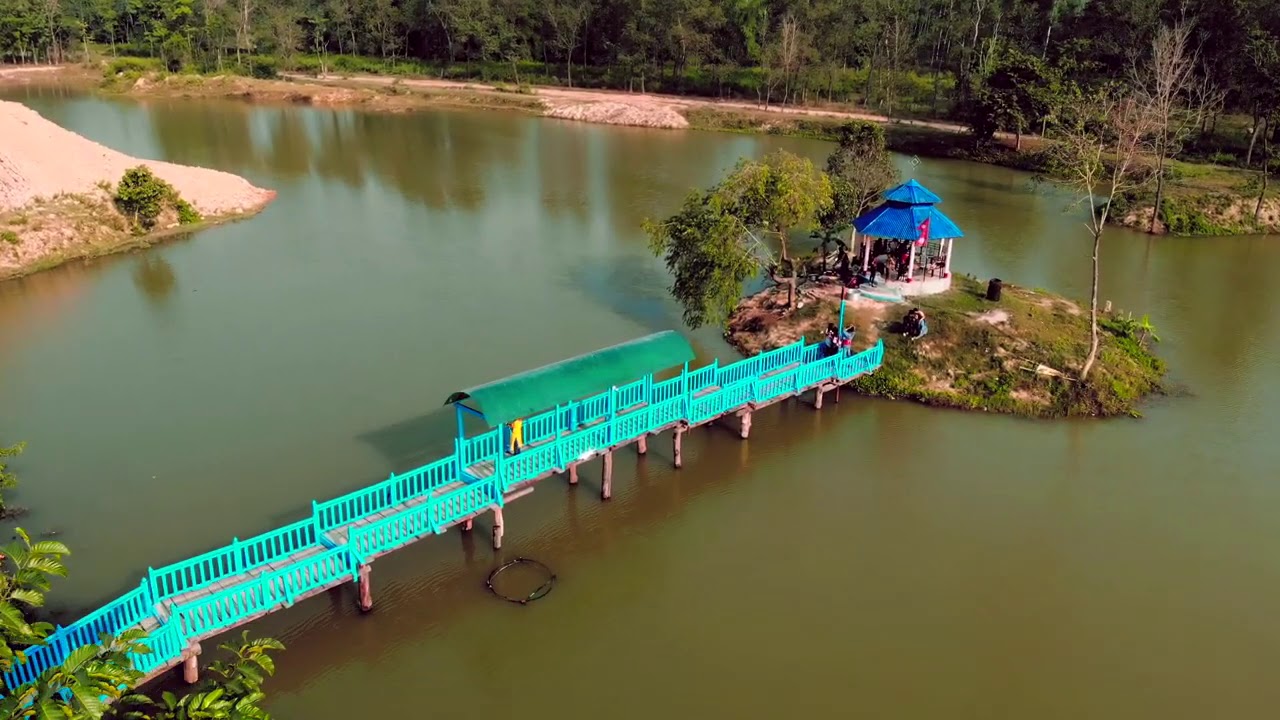
Notable additions include the ‘White House’, built in the middle of the pond with municipal support at a cost of around 150,000 rupees, which has further boosted the site’s appeal.
Tourists from across Nepal—including Dharan, Itahari, Biratnagar, Jhapa, and Udayapur—visit the wetland, with some even traveling from India, underscoring its growing reputation as a key destination for eco-tourism and recreational outings.